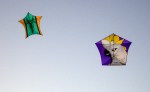
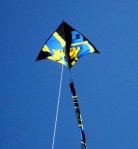
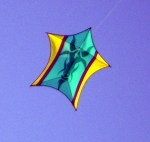
One the things that I love to do is fly kites. There is something so beautiful, peaceful and meditative when one is flying a kite against a blue sky. When the kite is high up in the sky and the kite string sings its low volumed but high pitched sound, you feel that you hold your quivering soul in your hands.
Sometimes, when the sky is clear and the wind constant, it feels like the reverse, that the soul holds my quivering body in its hands.
At rare moments, the string becomes an analogue of attention and instead of it being just one way, it is seen as being two way, the Kite holding me and “I” holding the Kite, simultaneously … double attention.
At even rarer moments, if I am centred and watching attentively, feeling the breeze on my face and arms, feeling the sensation of my body through the weight on my feet, a Third Attention arises. This Attention is the Attention of the Sky Above enveloping the double attention between Kite and “Me”. At moments like these, one feels the miniscule, tiny microscale of the Holy Trinity of Attention as expressed in one flying a kite under the sky.
One is reminded of a greater Holy Trinity of Attention which holds the World together – the Holy Trinity of Forces as expressed in many different traditions.
When I took these pictures I used a cheap “instamatic” camera without a zooms lens. My instamatic camera used film and it was very expensive to develop the large number of rolls of film I had when I returned to Australia. I then scanned the photos and used Photoshop to enhance and edit as needed. Today (2022) I use my phone camera, not only is it far cheaper to take and see your photos, but also with the large memory in them you don’t have to worry about carrying rolls of film. If you have even more than the camera phone can carry you can upload them to the cloud.
So, 2000 seems like another age when it comes to photography!
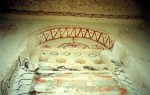
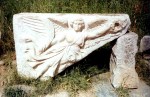
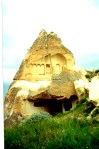
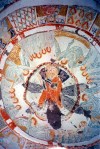
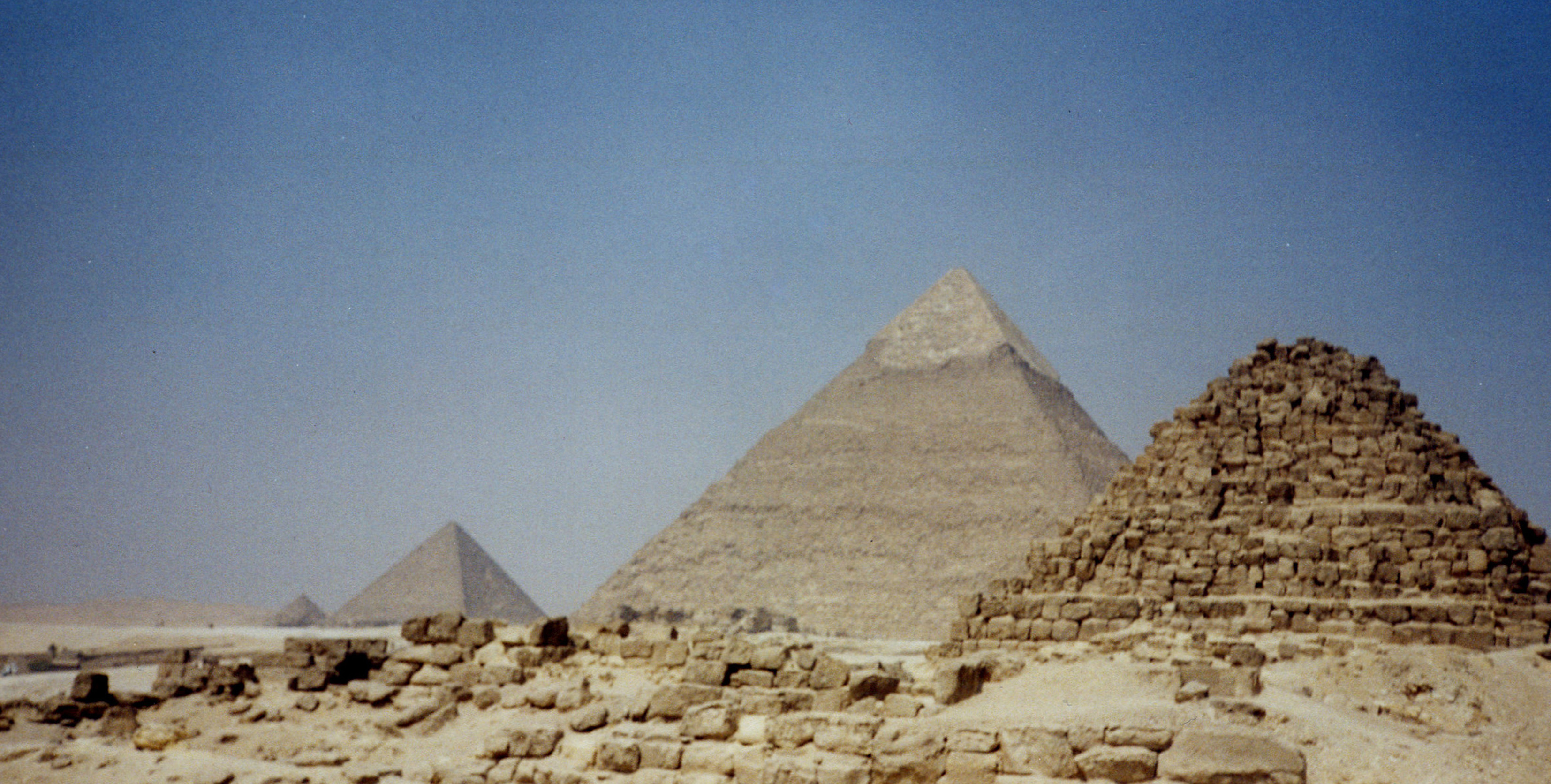
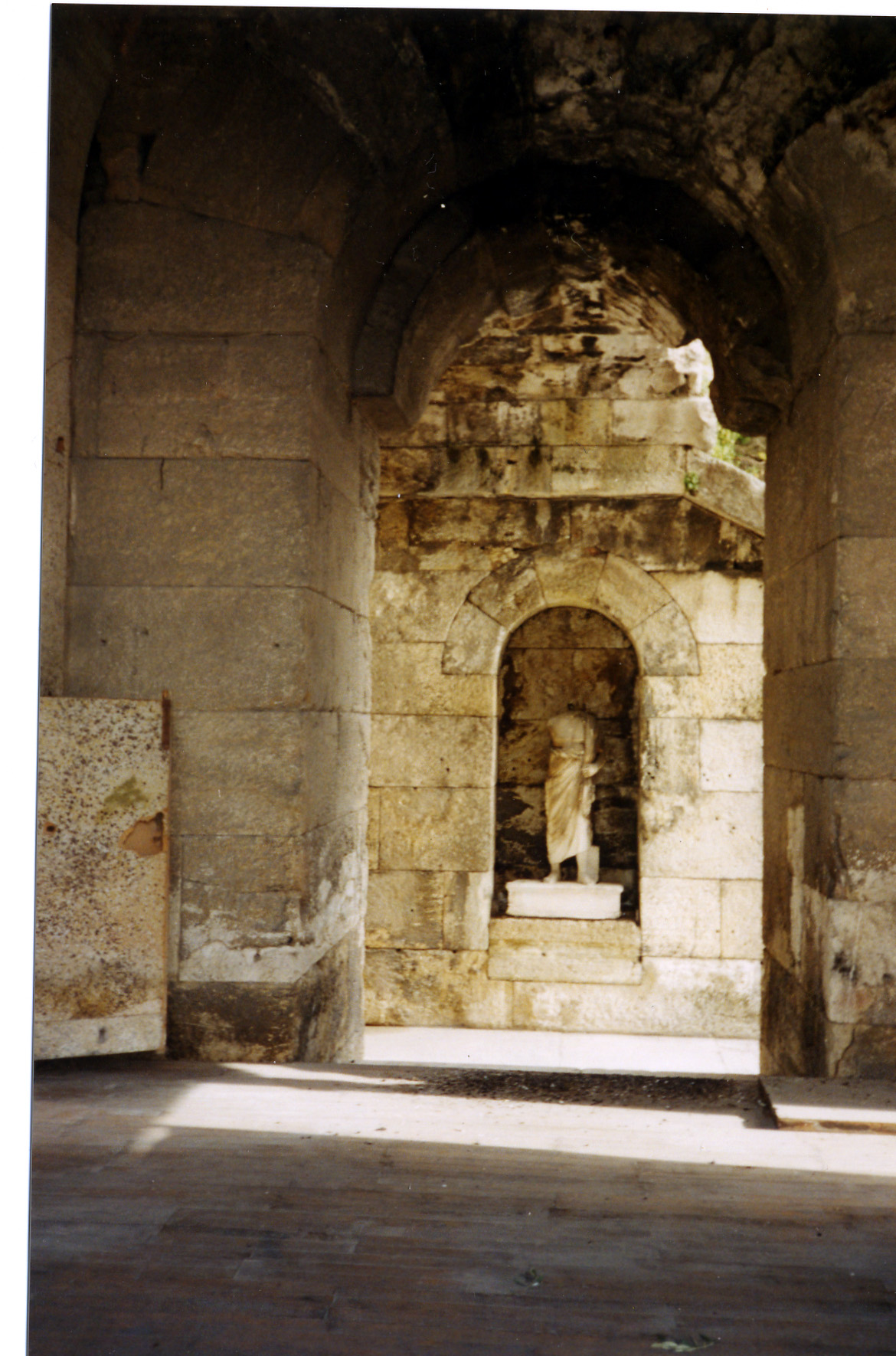
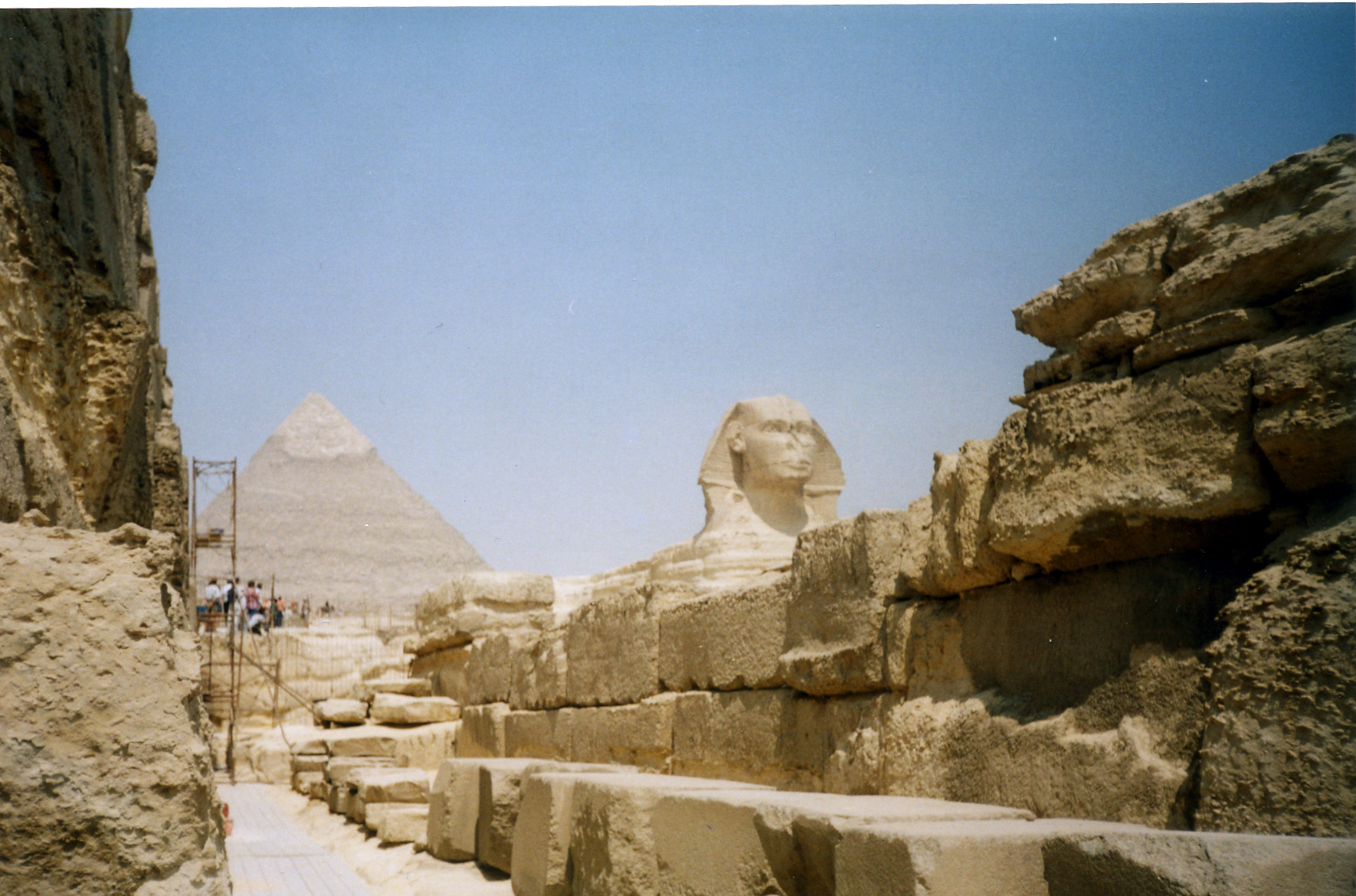
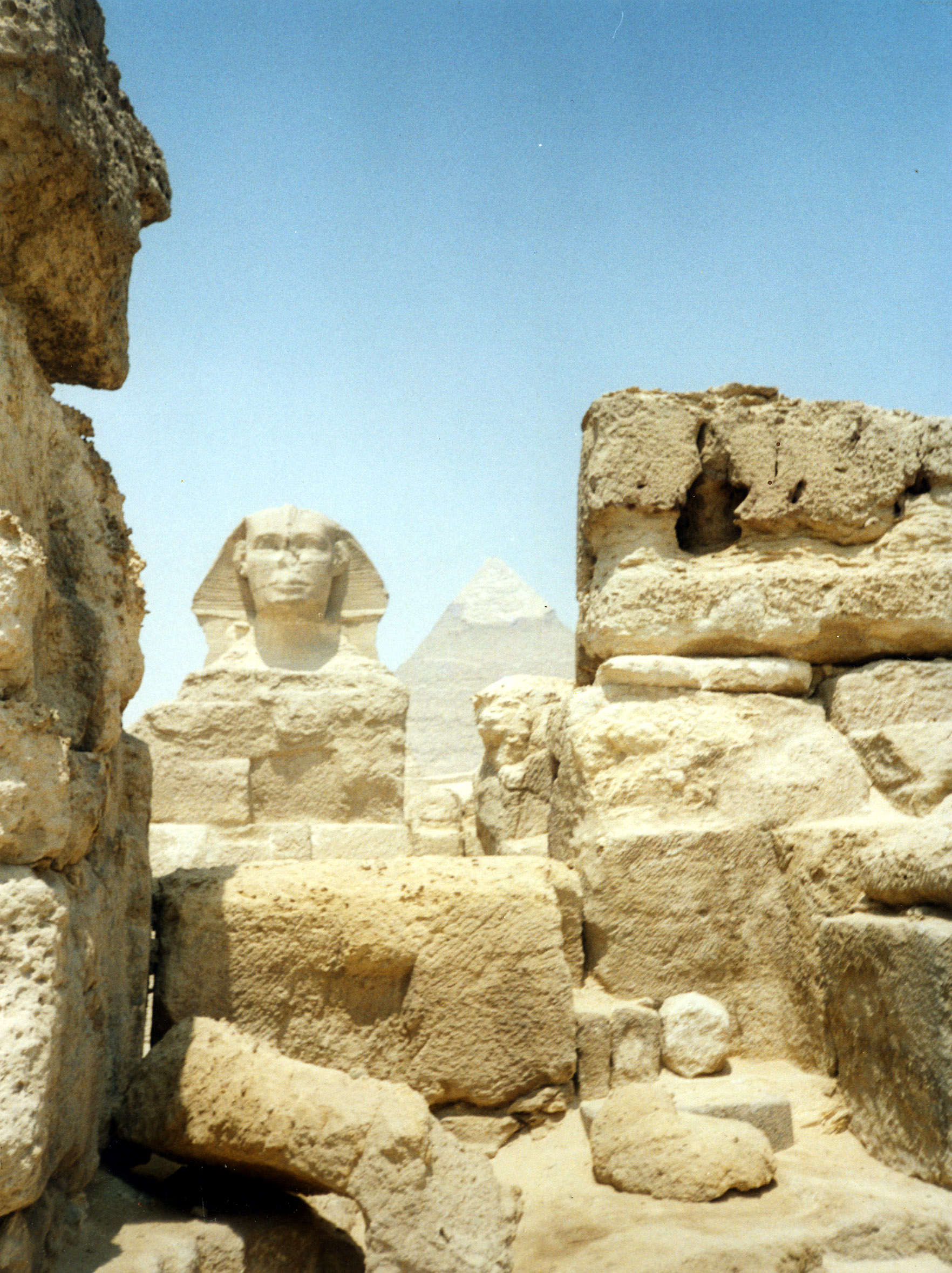
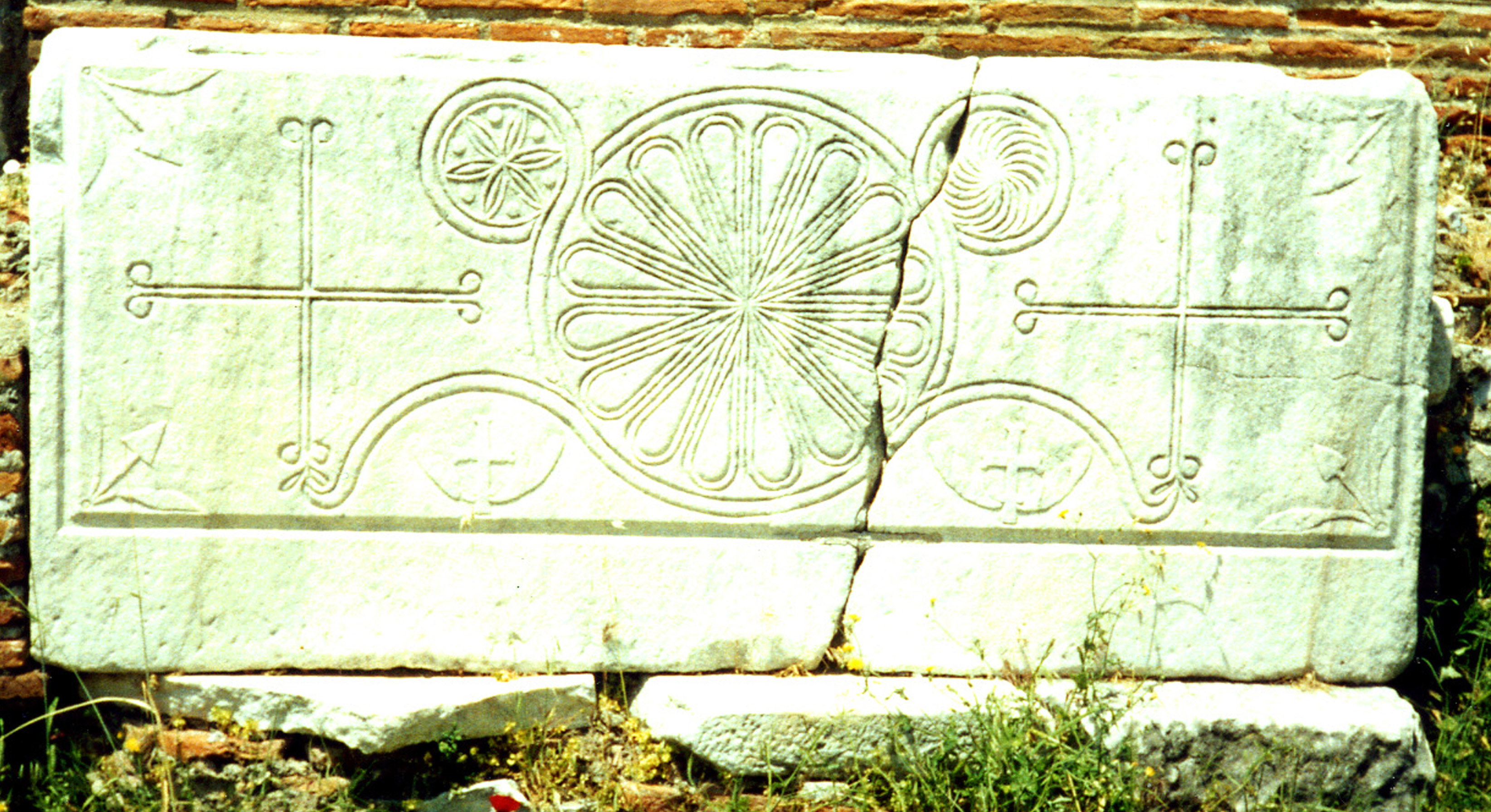
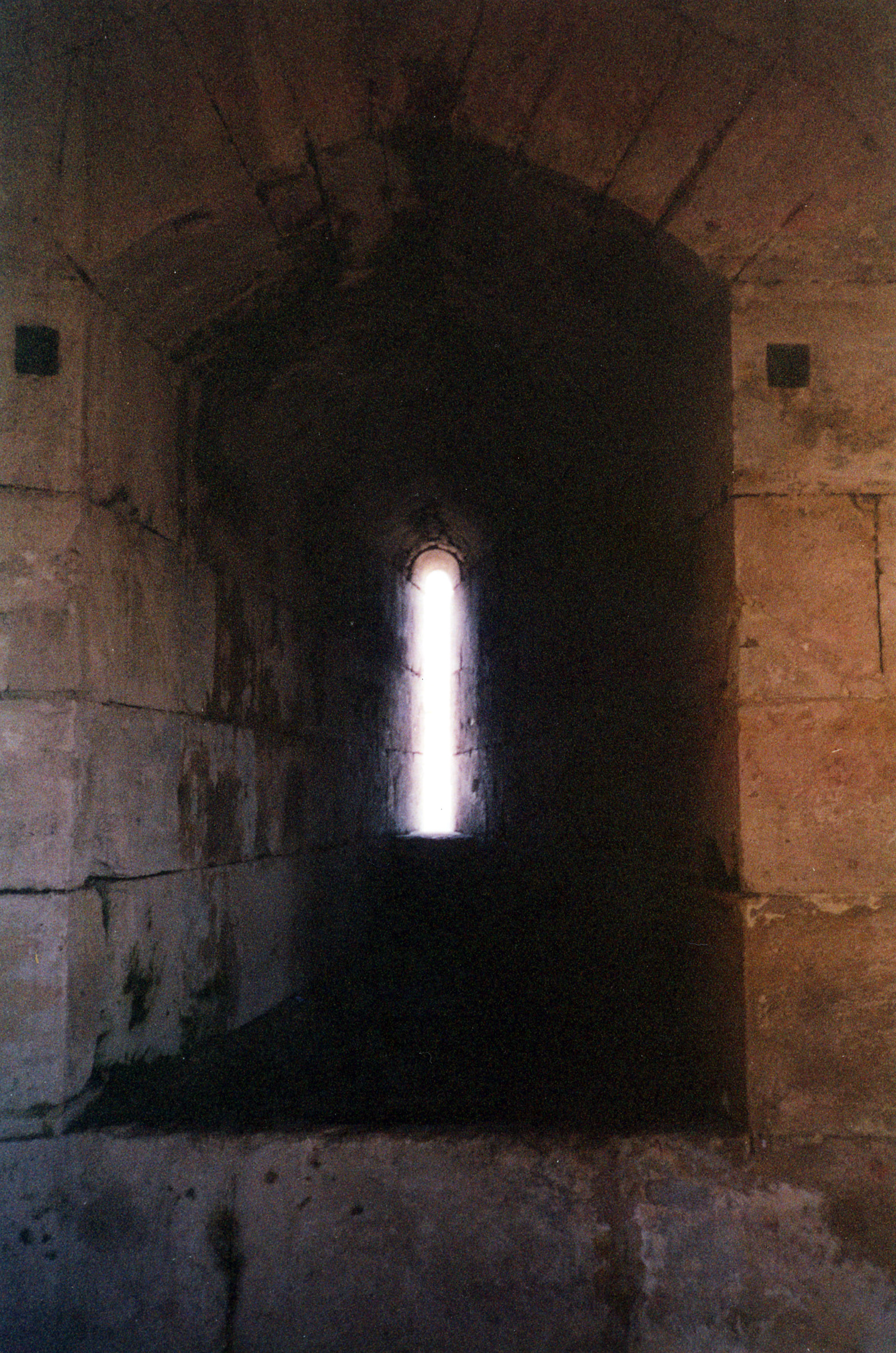
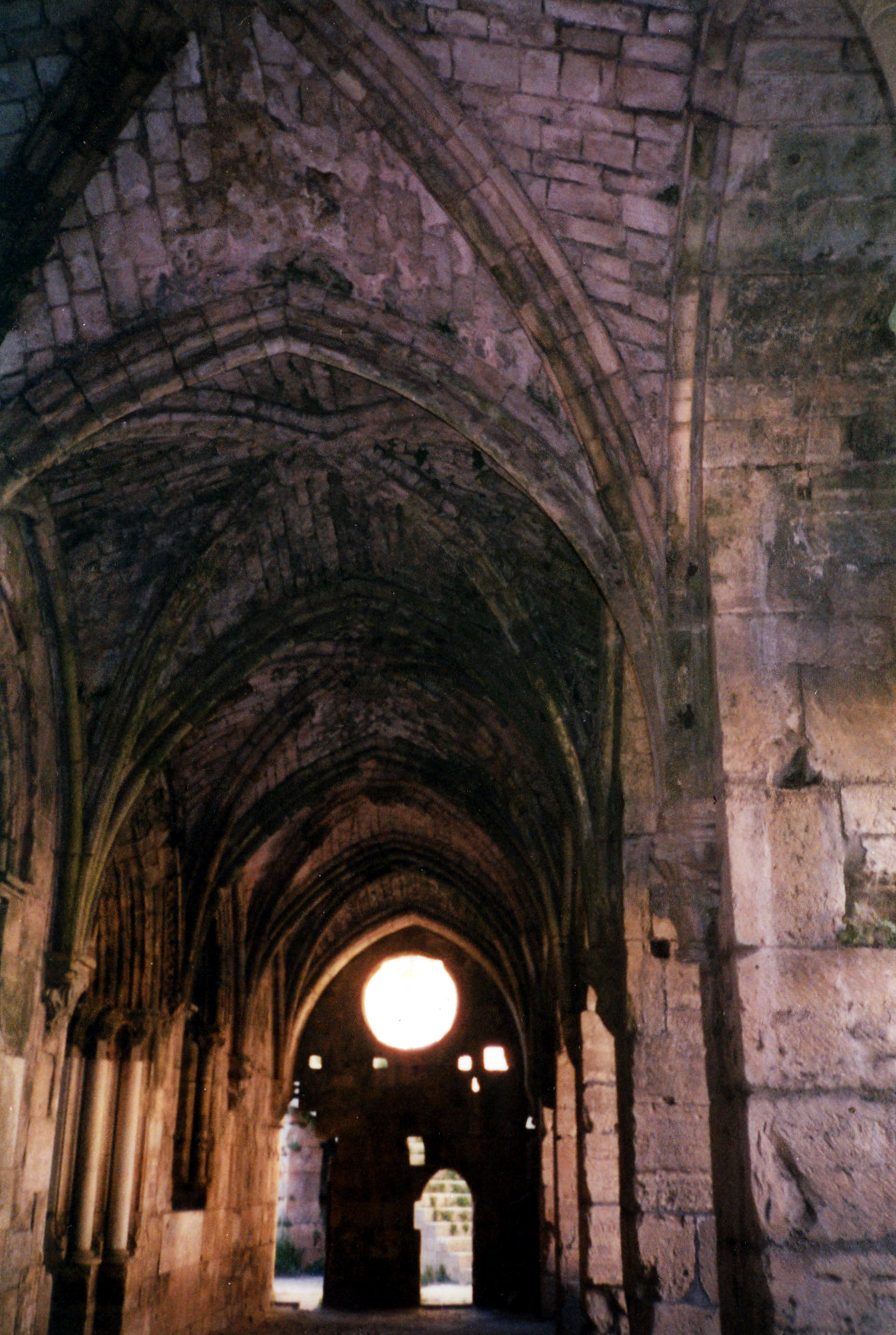
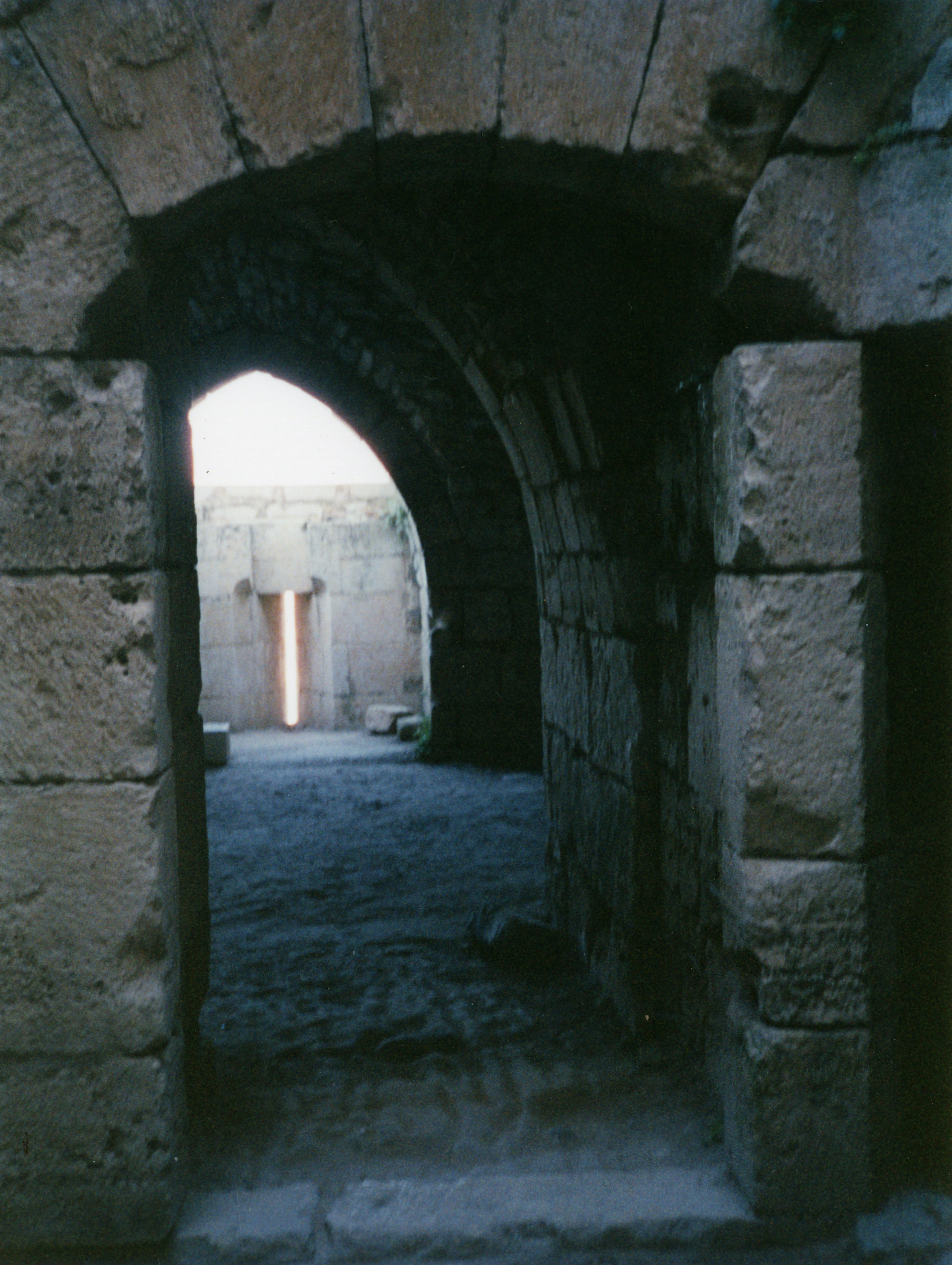
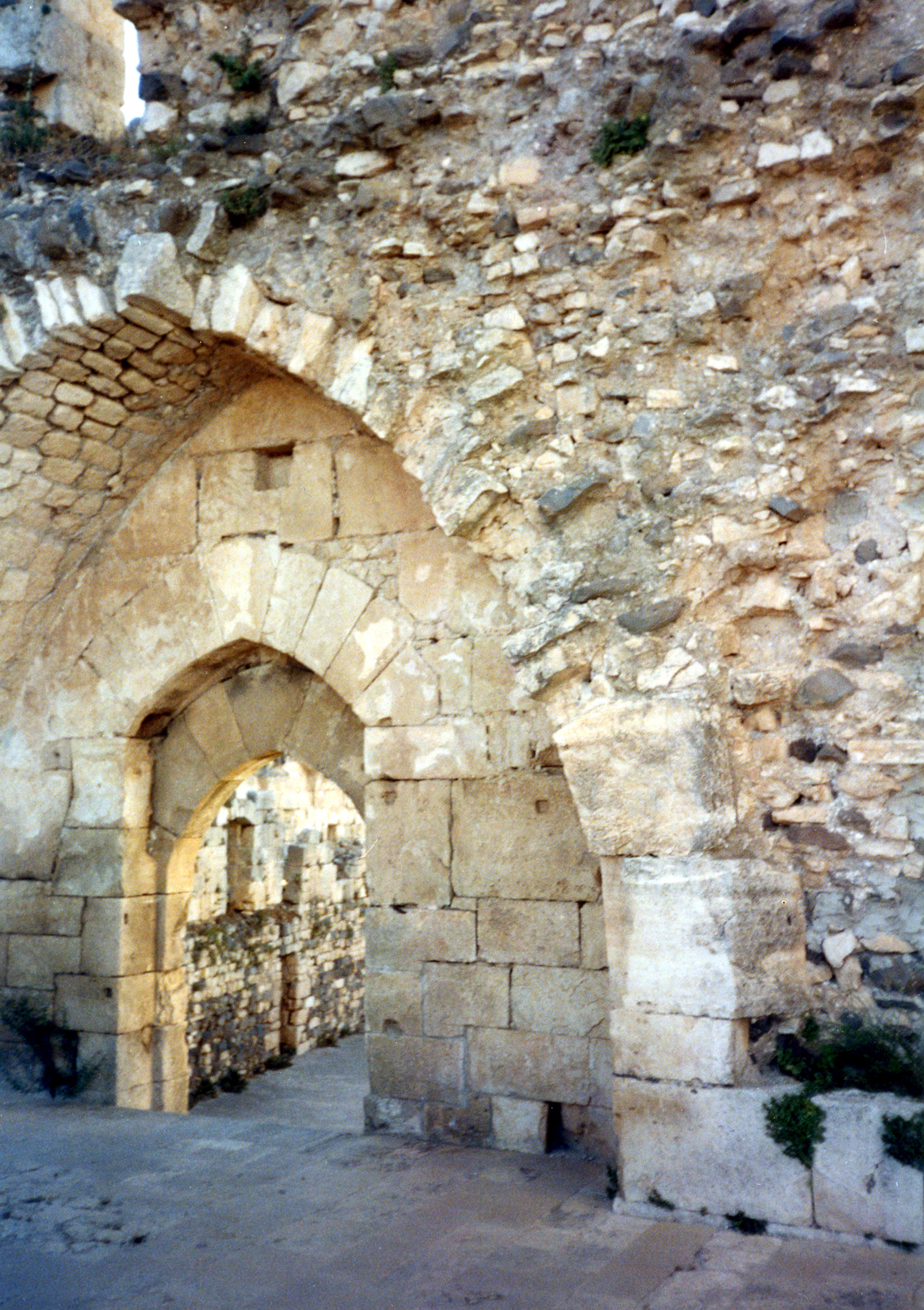
The following pictures are from my old instamatic camera.
By the way, after the series of photos with captions there are lots without captions with some repeats. I figure I haven’t the time to caption them but you know they’re from my trip through Greece & Middle East, so I won’t have to. Sorry!
I will add more from my odyssey as time allows.
Here’s a few:
Just click on the pictures below to see an enlarged version.
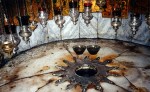
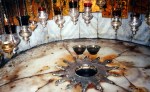
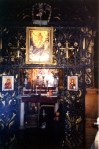
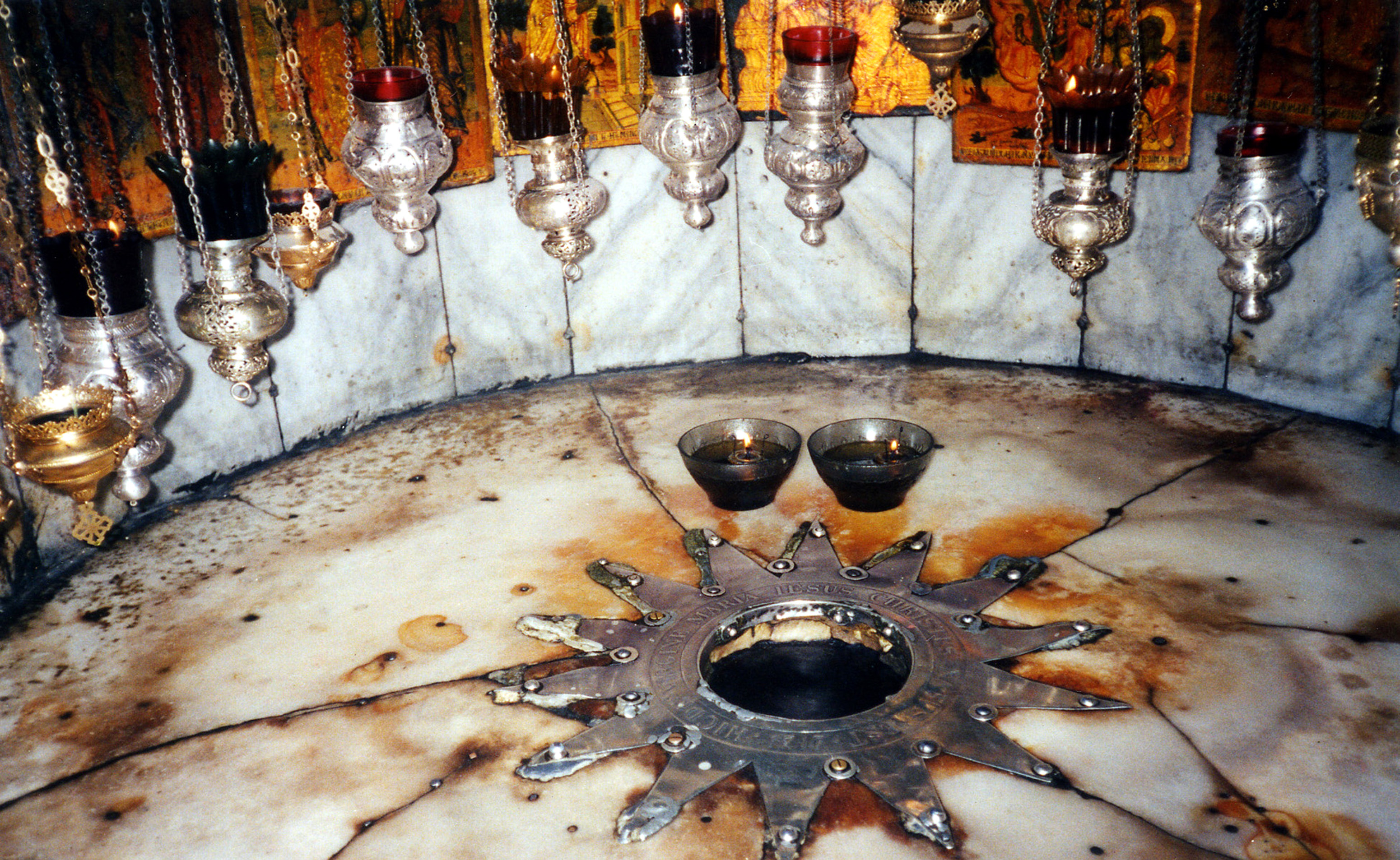
Bethlehem, Israel – Jesus’ birth spot according to tradition.
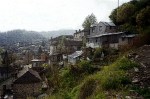
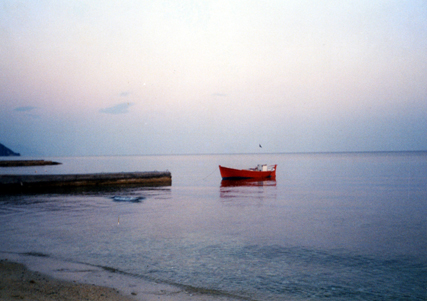
Kalavystra, Greece.
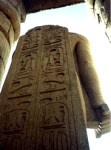
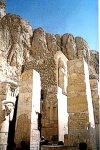
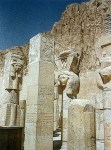
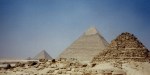
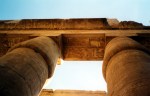
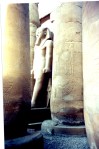
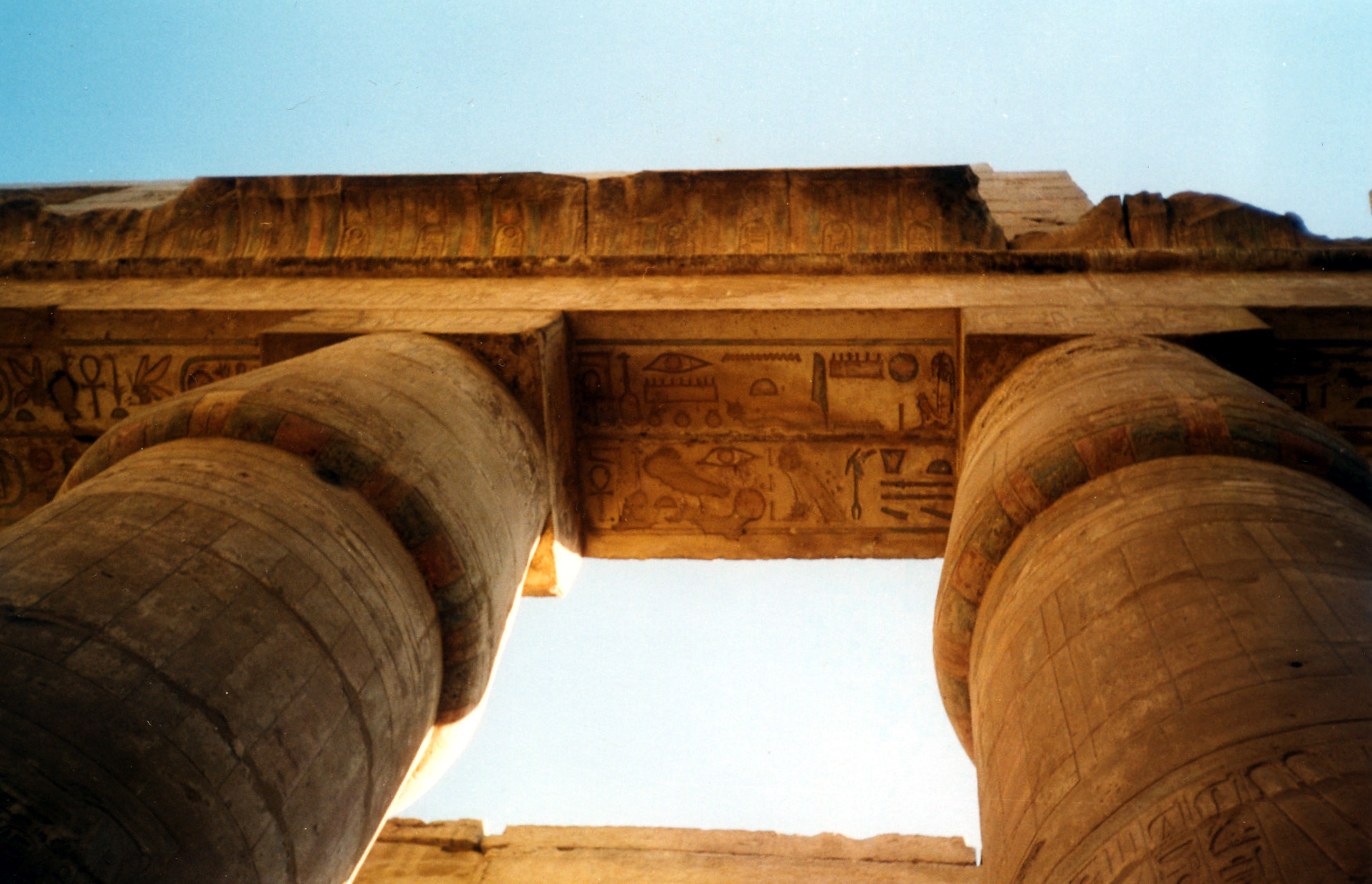
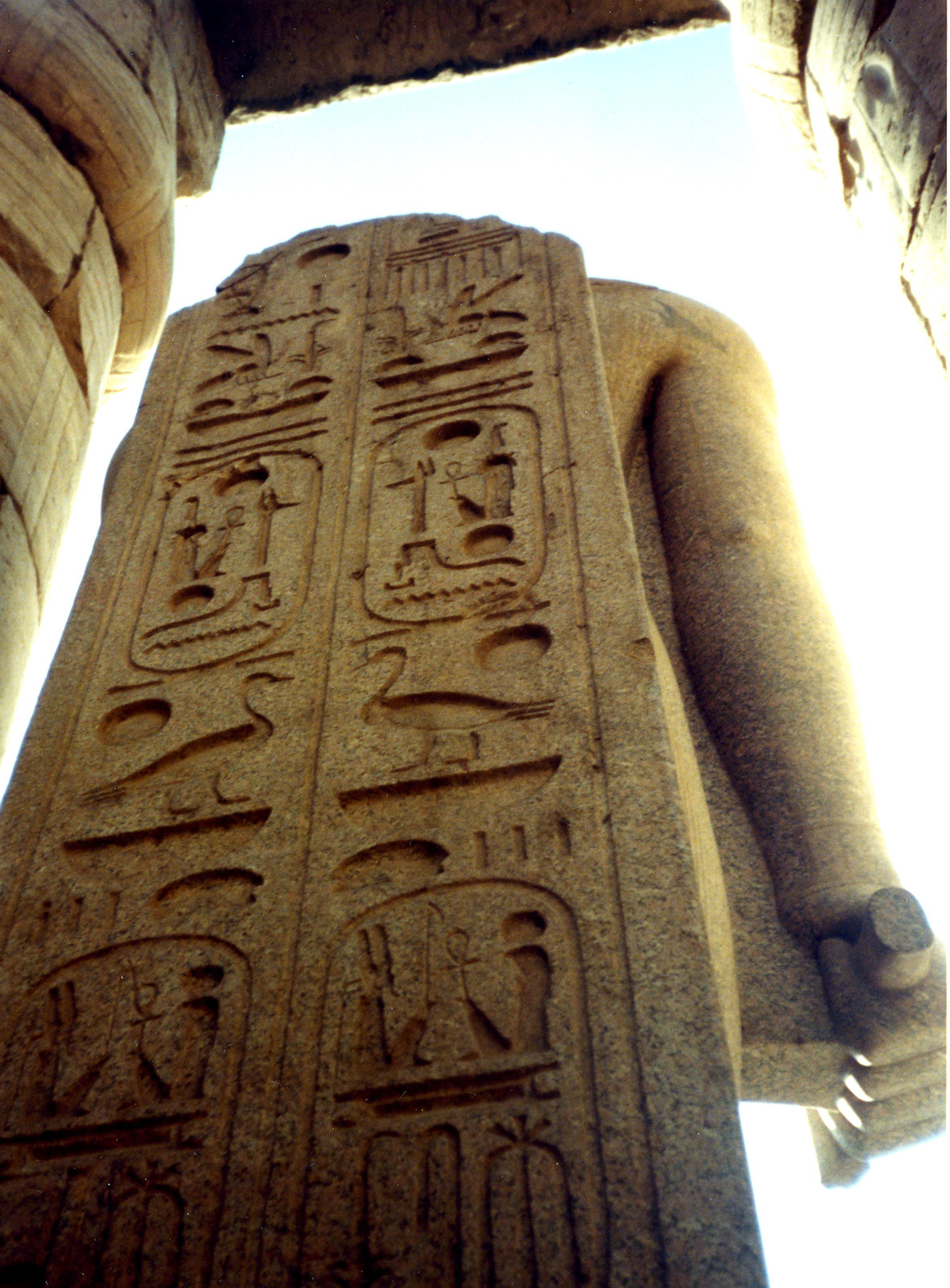
Temple of Luxor, Egypt
Temple of Luxor, Egypt
Meteora, Greece
Mount Athos, Greece – known as the Holy Mountain by Orthodox Christians.
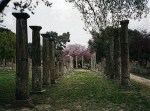
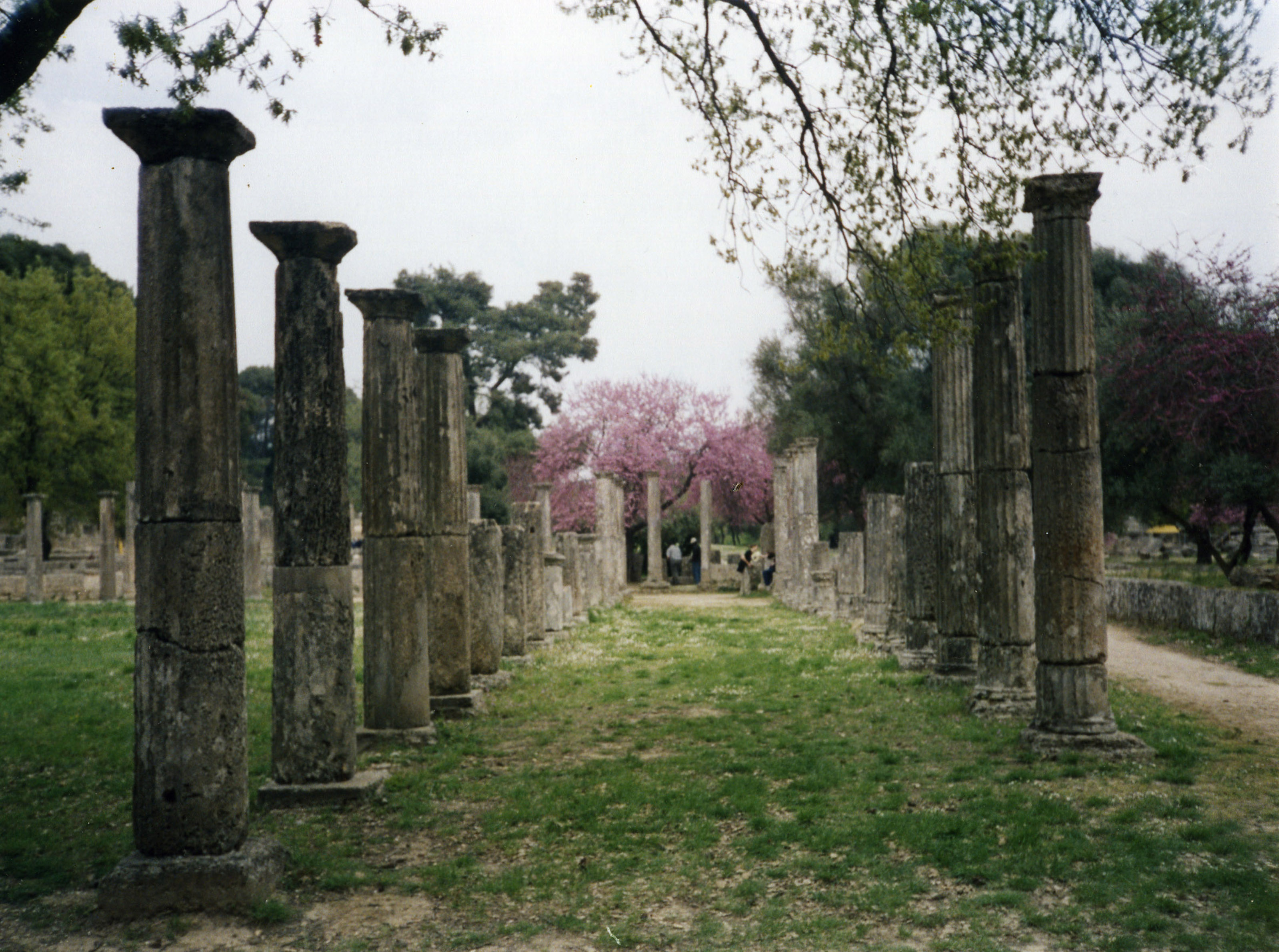
Olympia, Greece – birthplace of the Olympic Games.
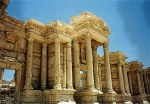
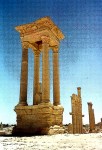
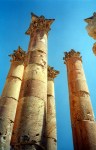
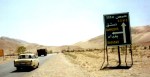
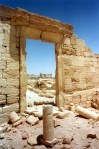
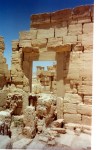
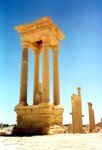
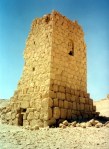
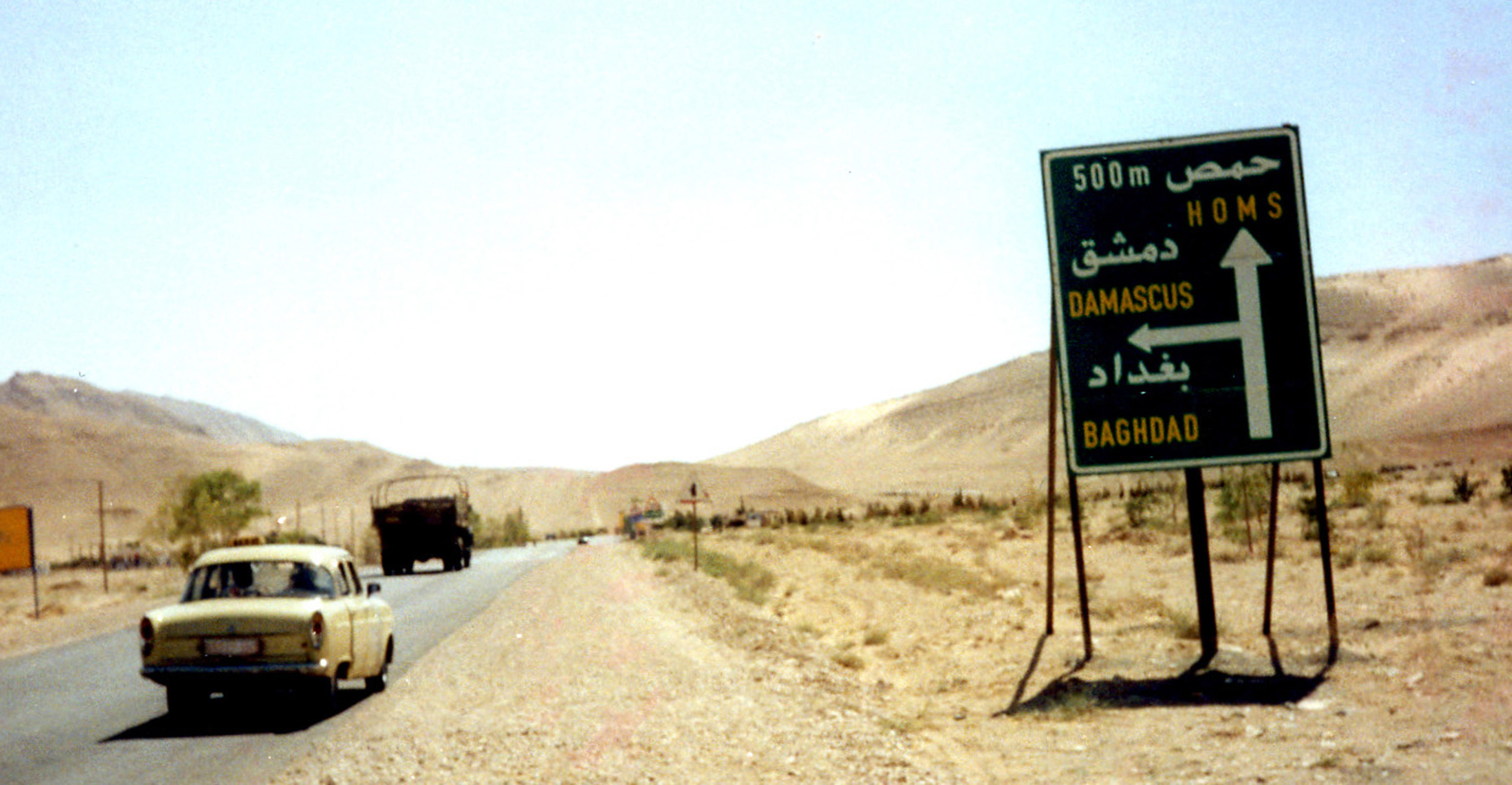
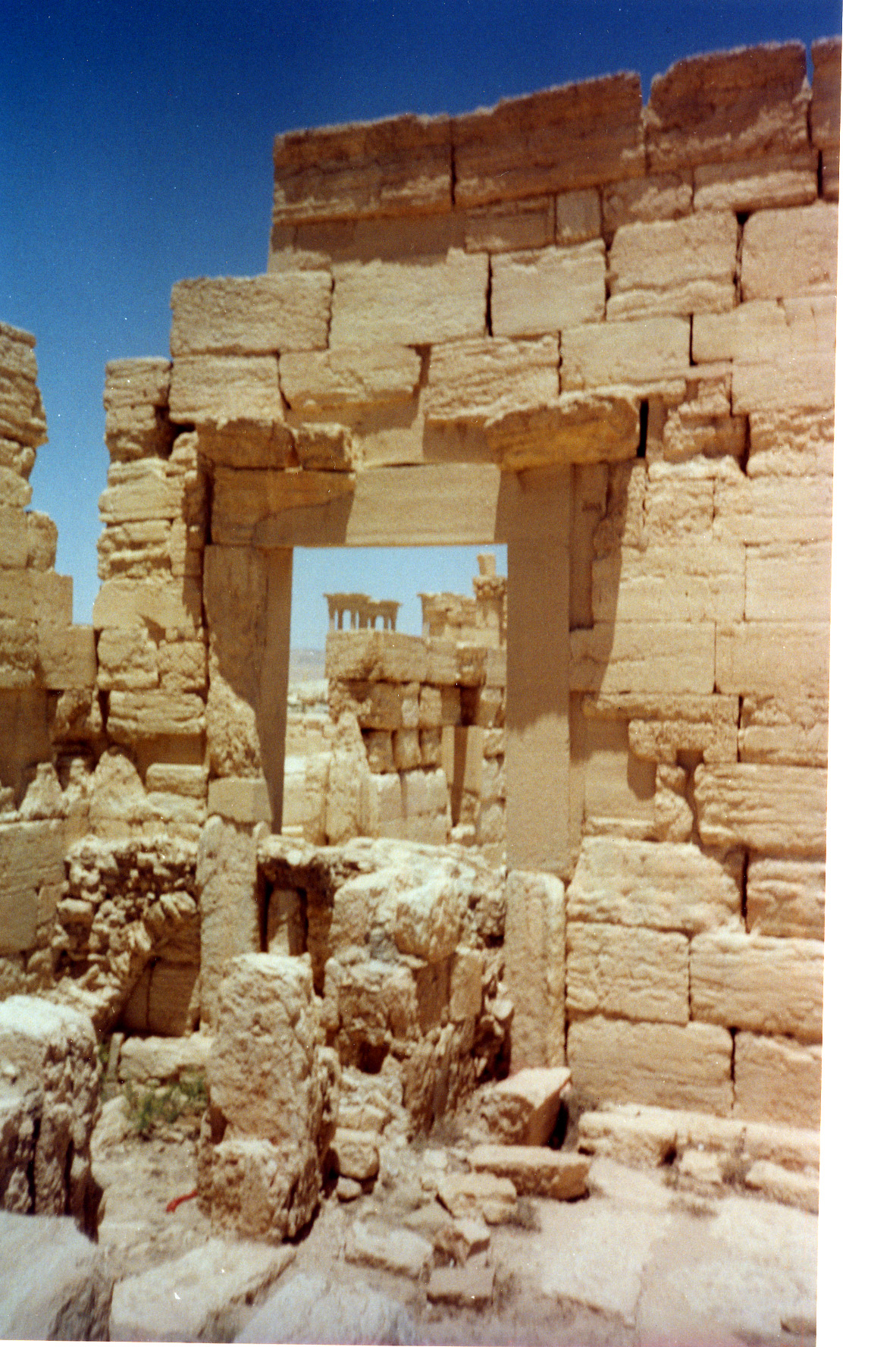
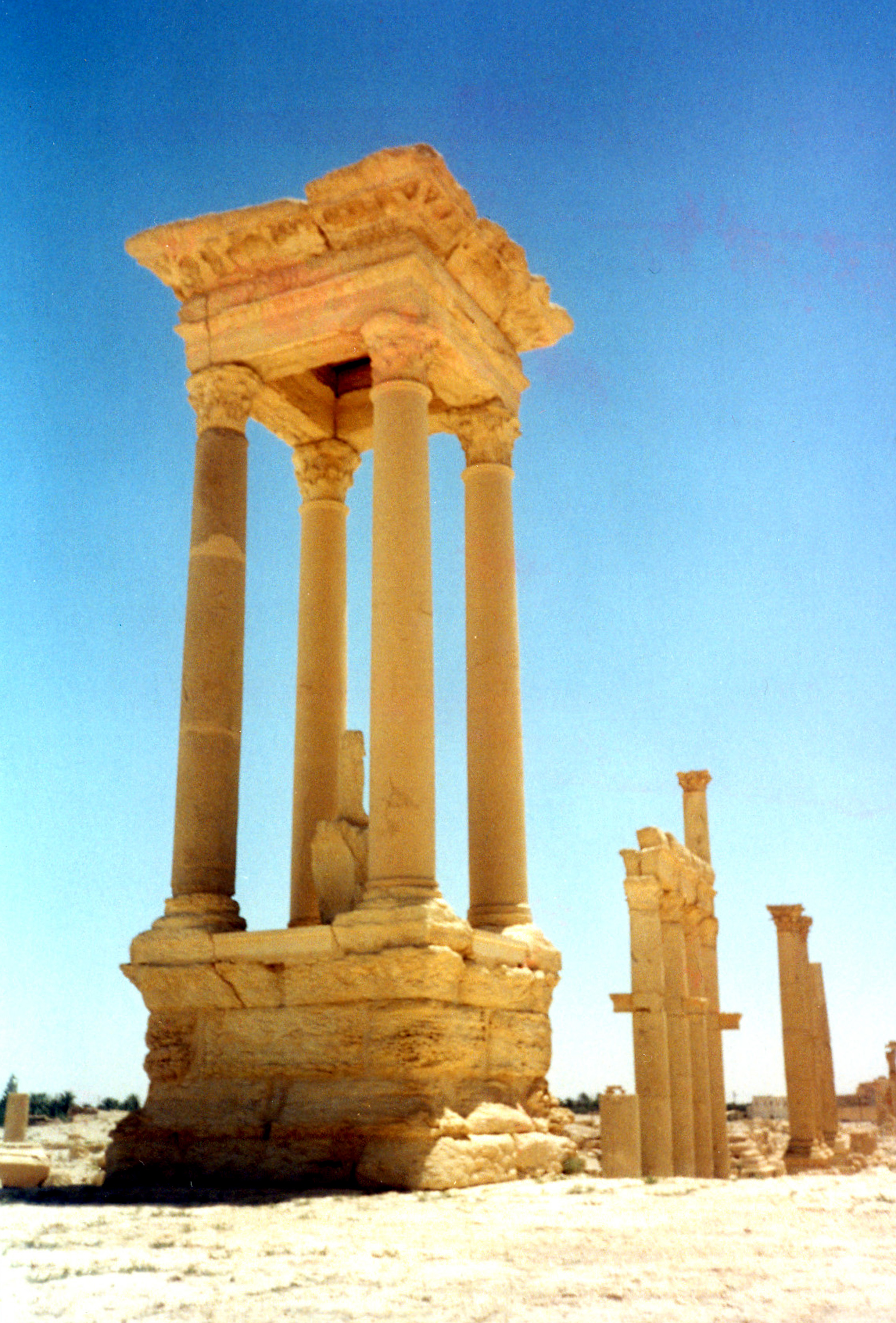
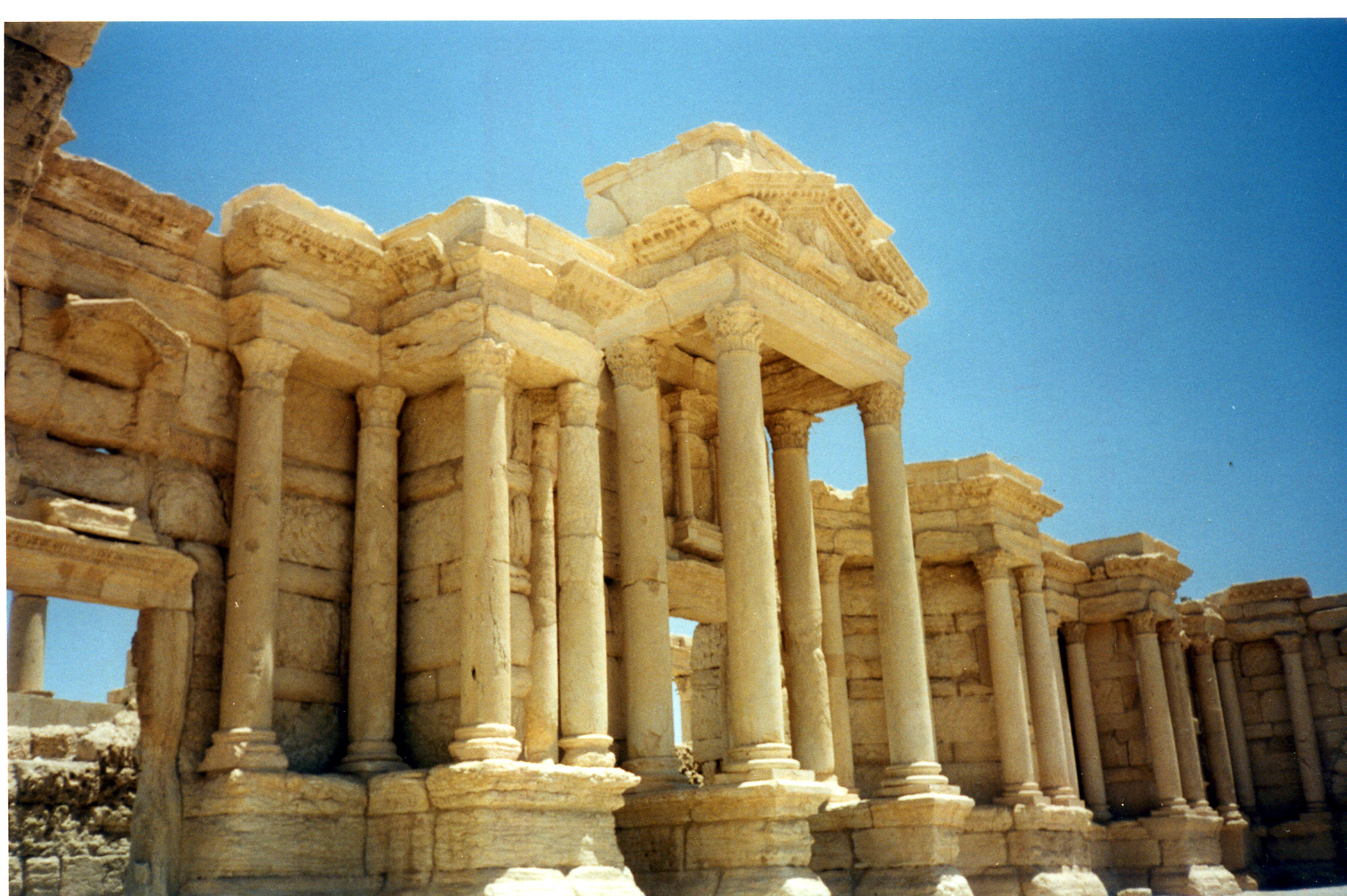
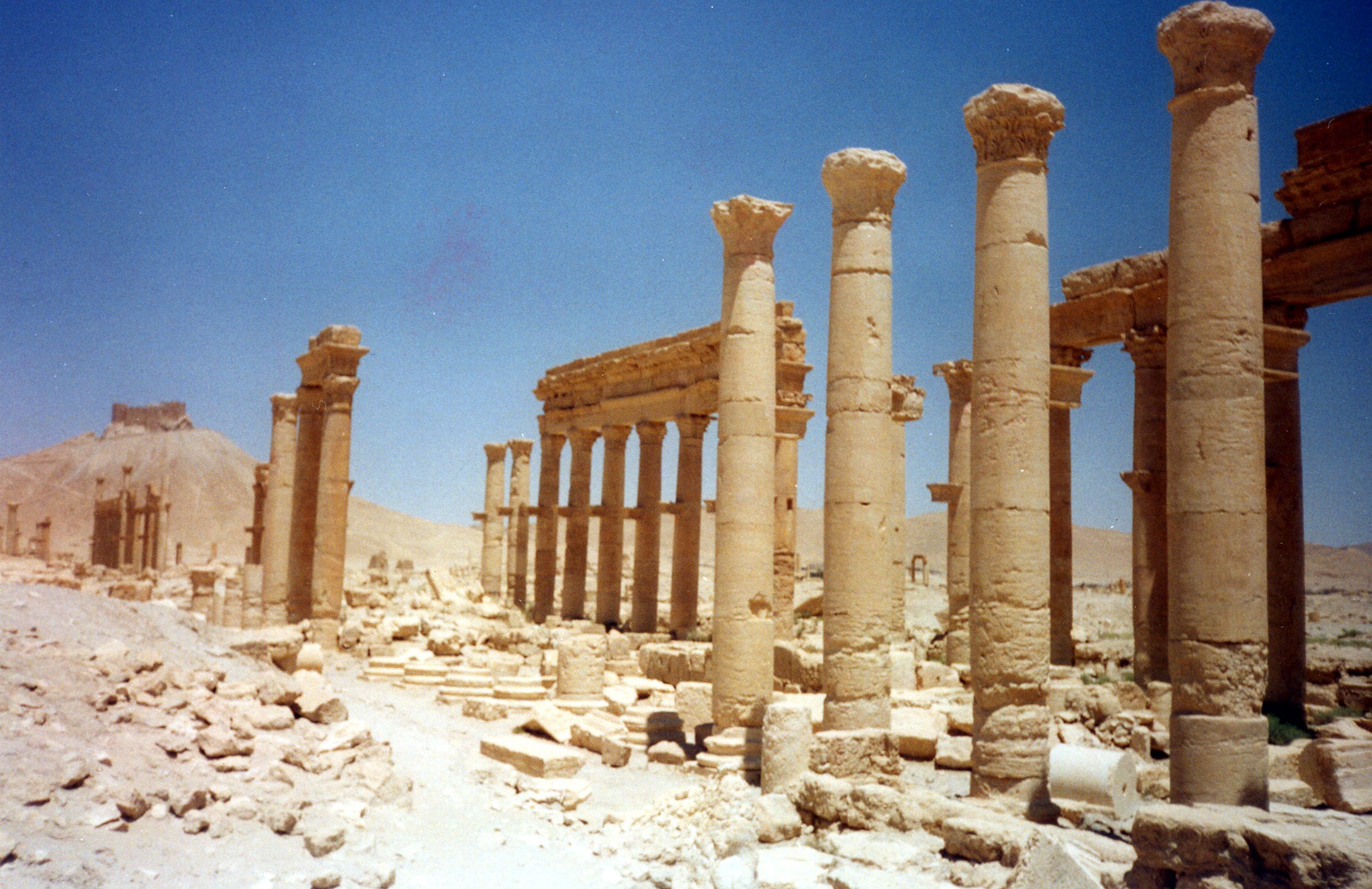
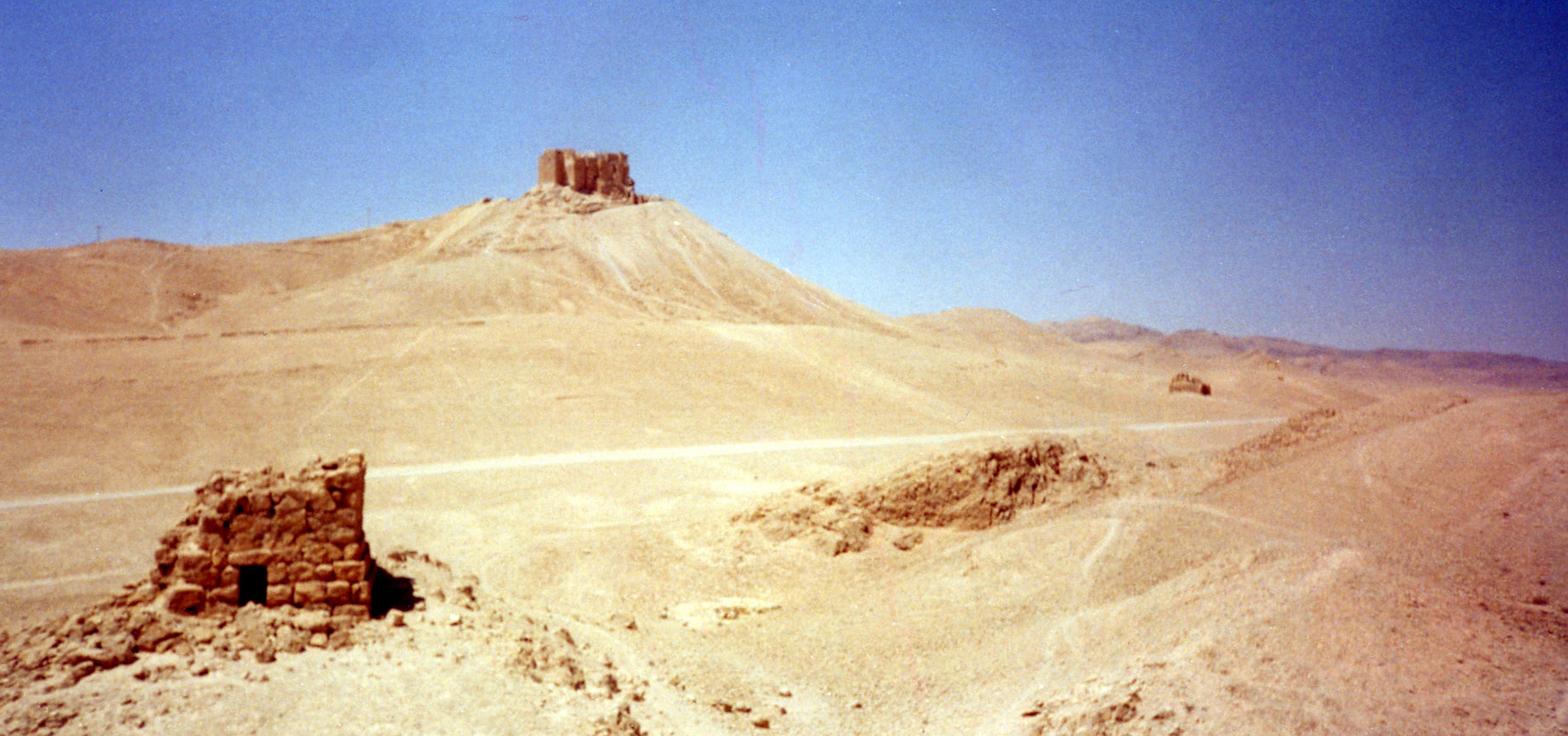
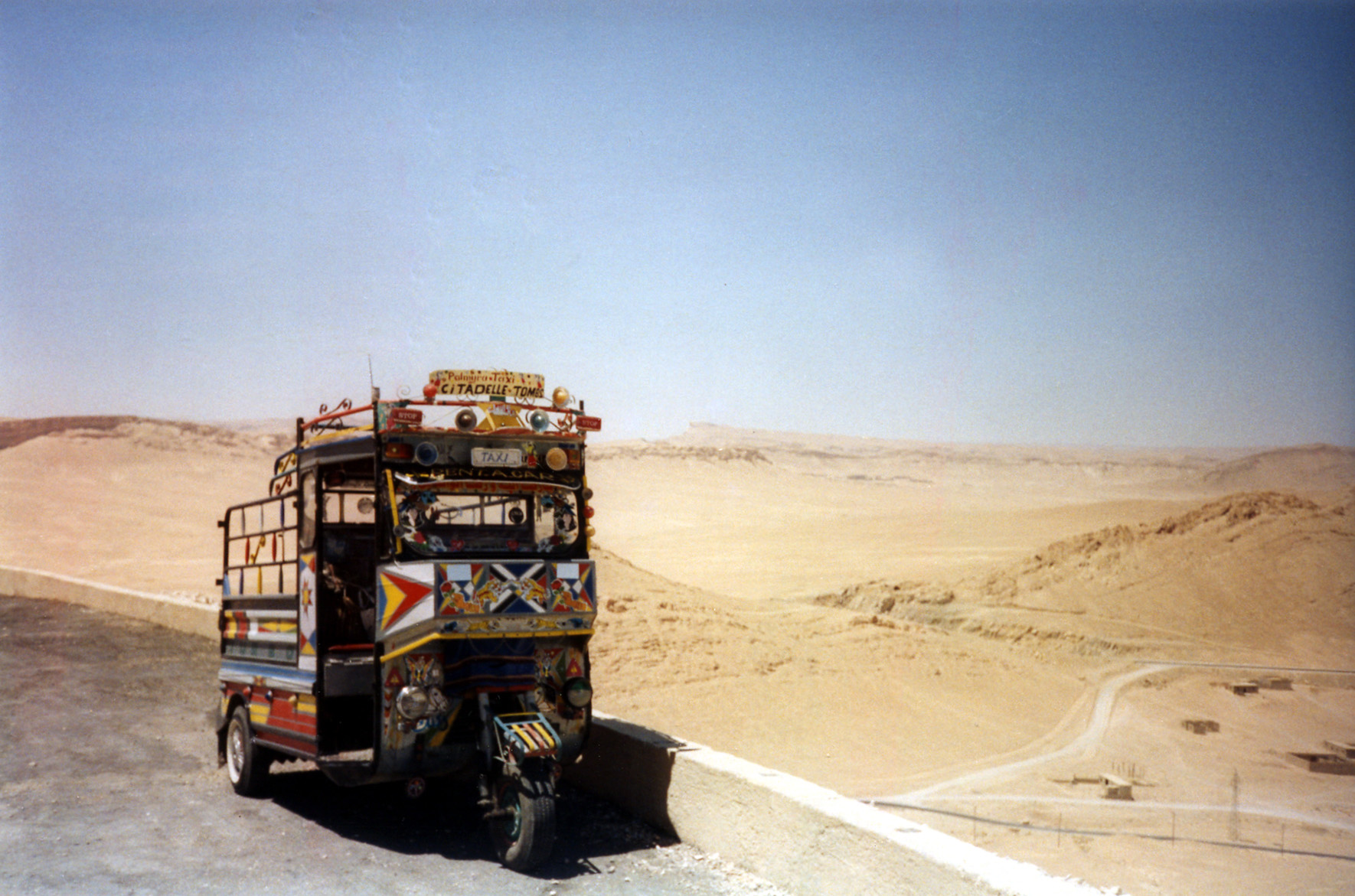
Palmyra, Syria – some of the best preserved Roman ruins in the world are here about 200 kms from Baghdad, Iraq.
Palmyra, Syria – some of the best preserved Roman ruins in the world are here about 200 kms from Baghdad, Iraq.
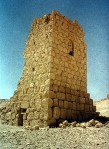
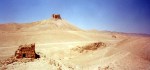
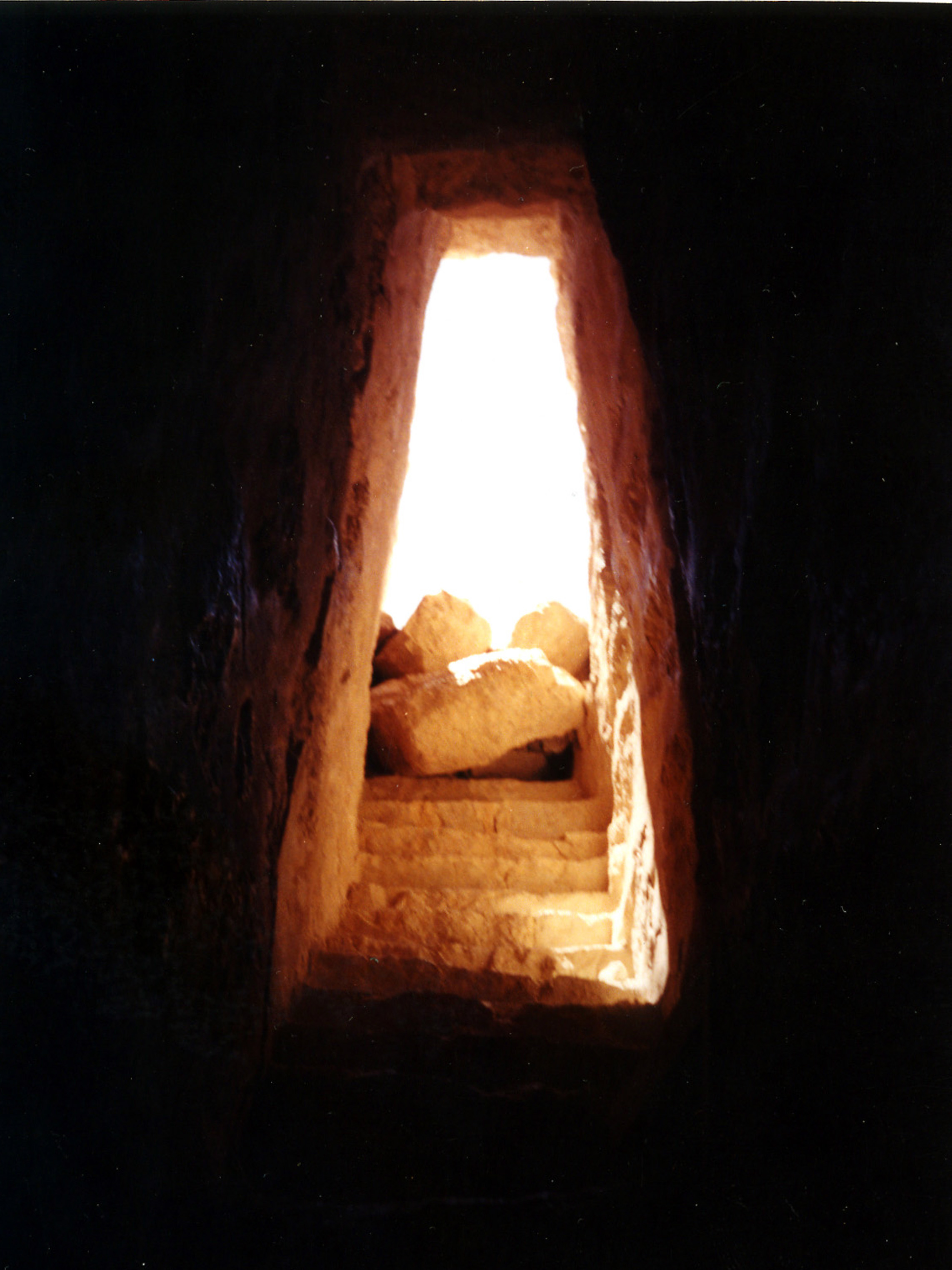
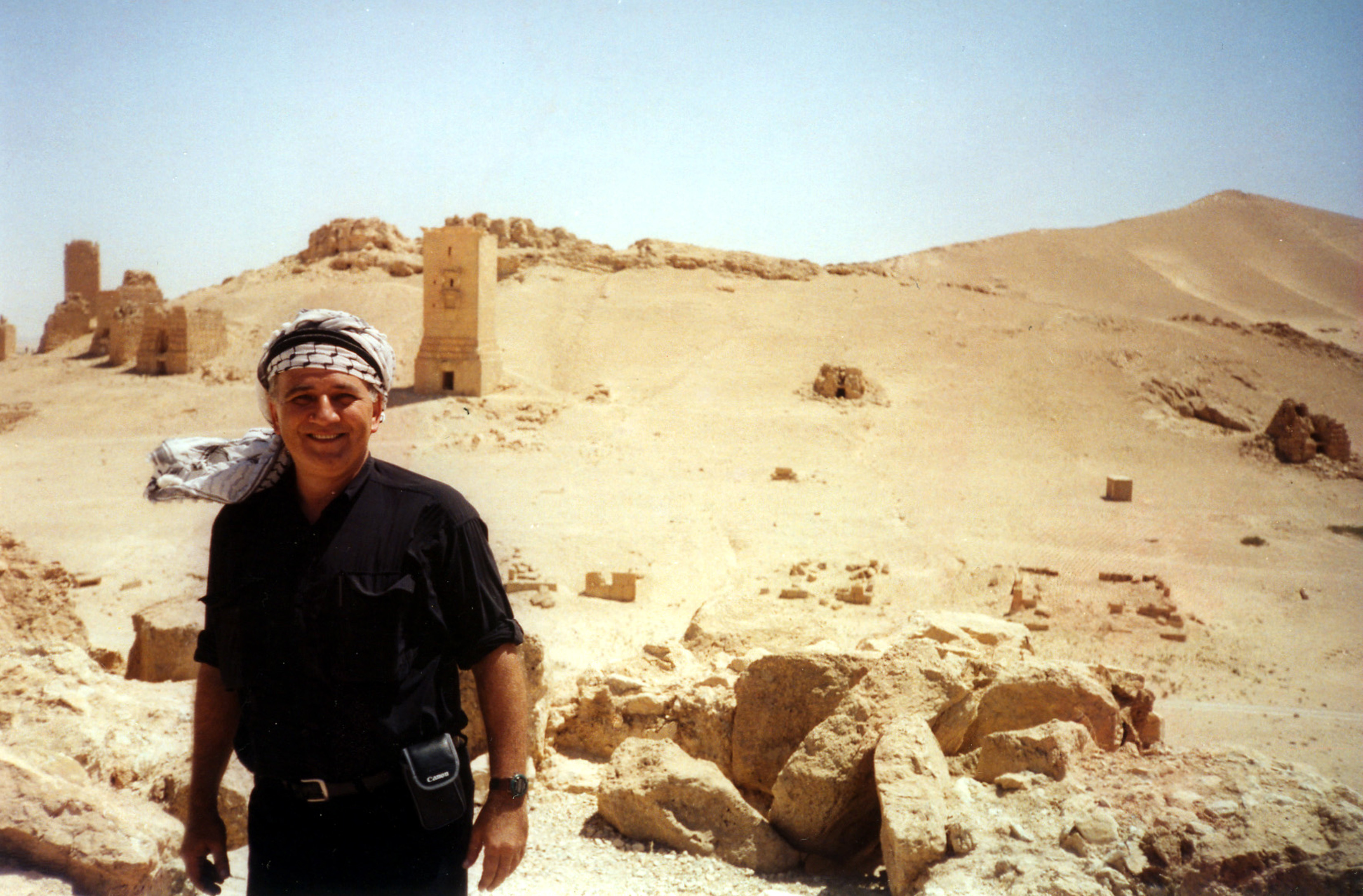
Palmyra, Syria – Tomb
Aroutsas St Athens, just below the Acropolis in Athens.
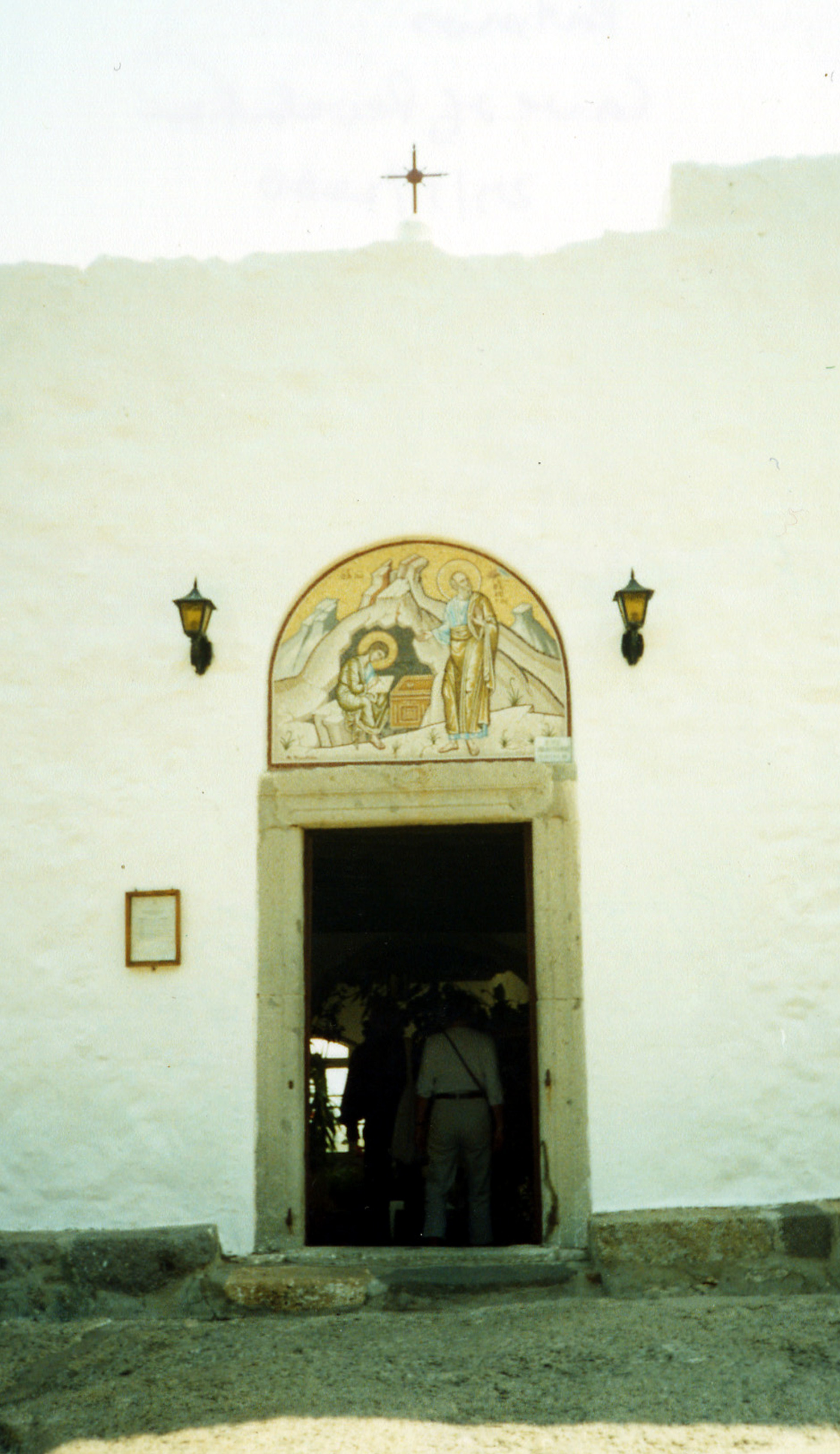
Patmos, Greece – entrance to cave where St John wrote the Book of Revelations.
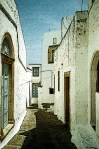
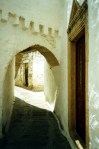
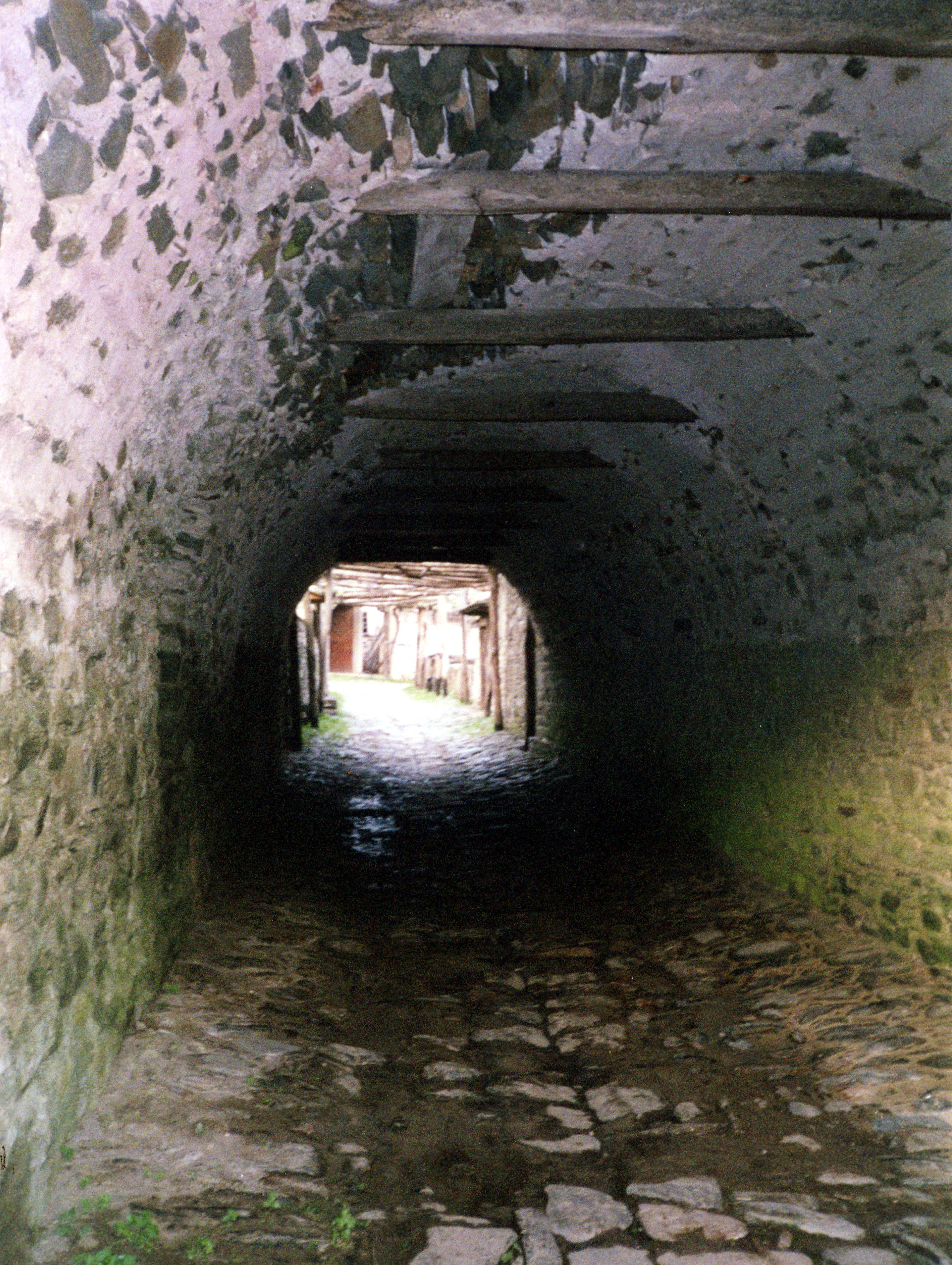
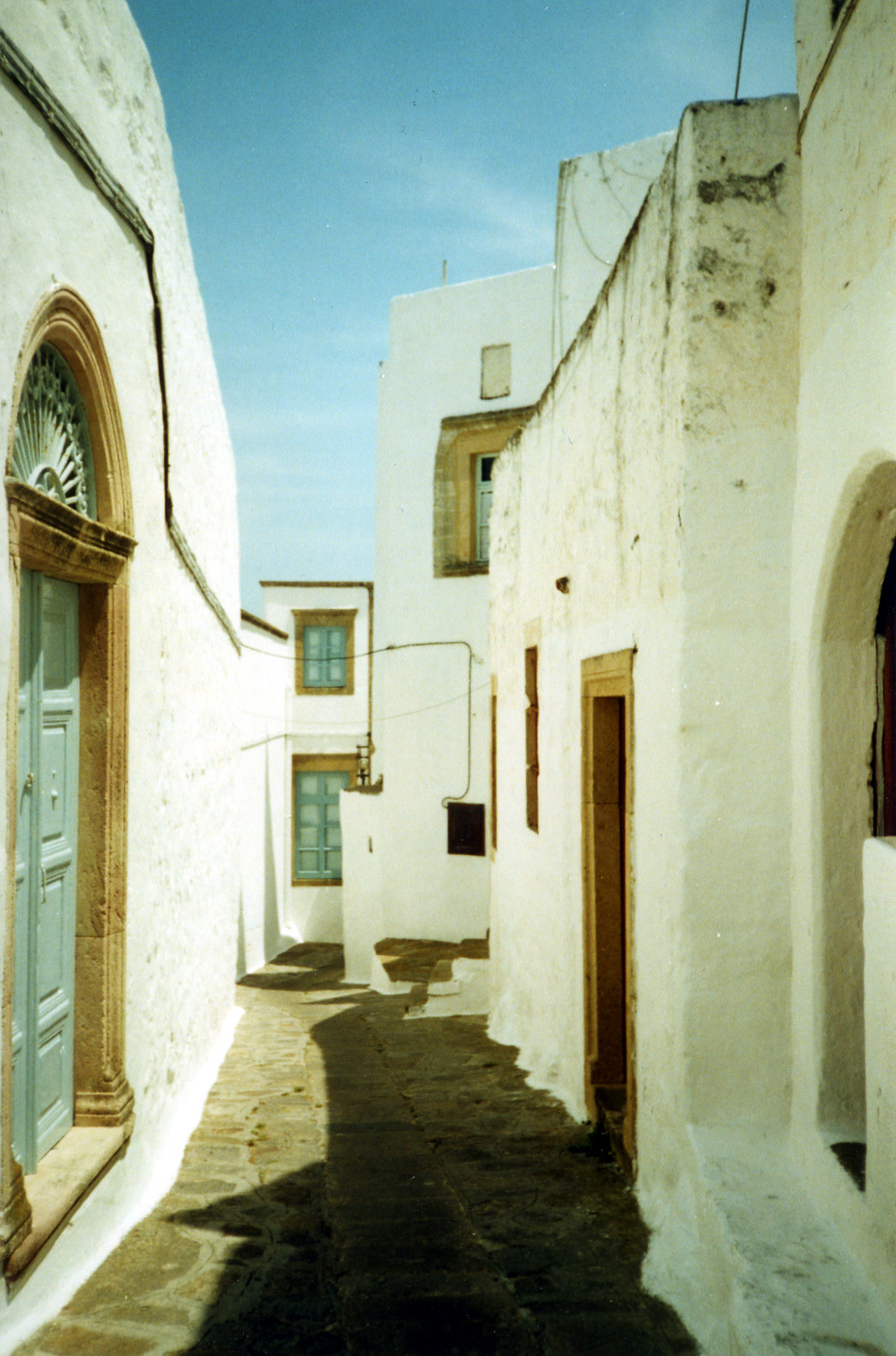
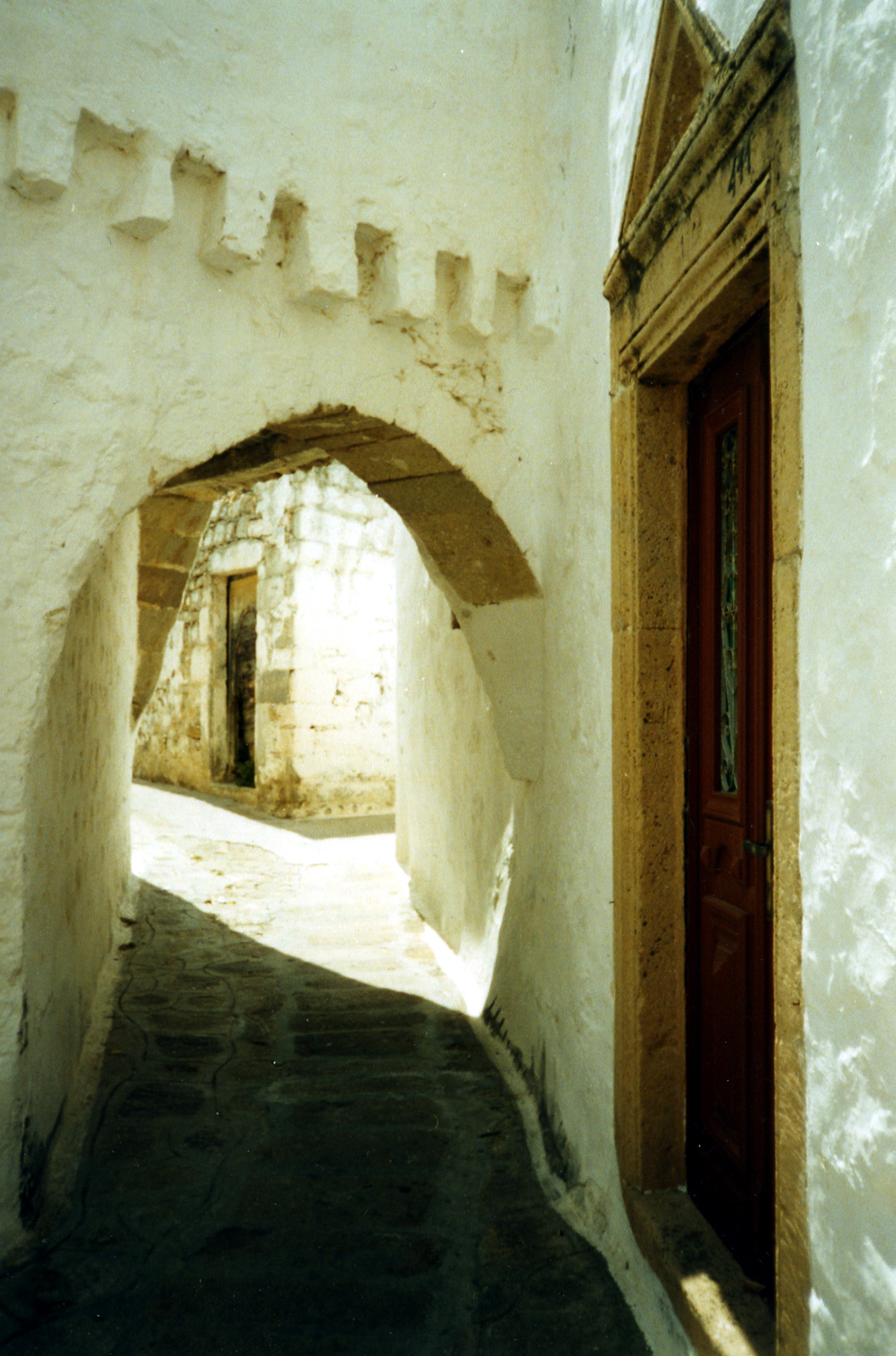
Patmos, Greece – street scene.
Patmos, Greece – street scene.
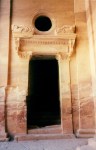
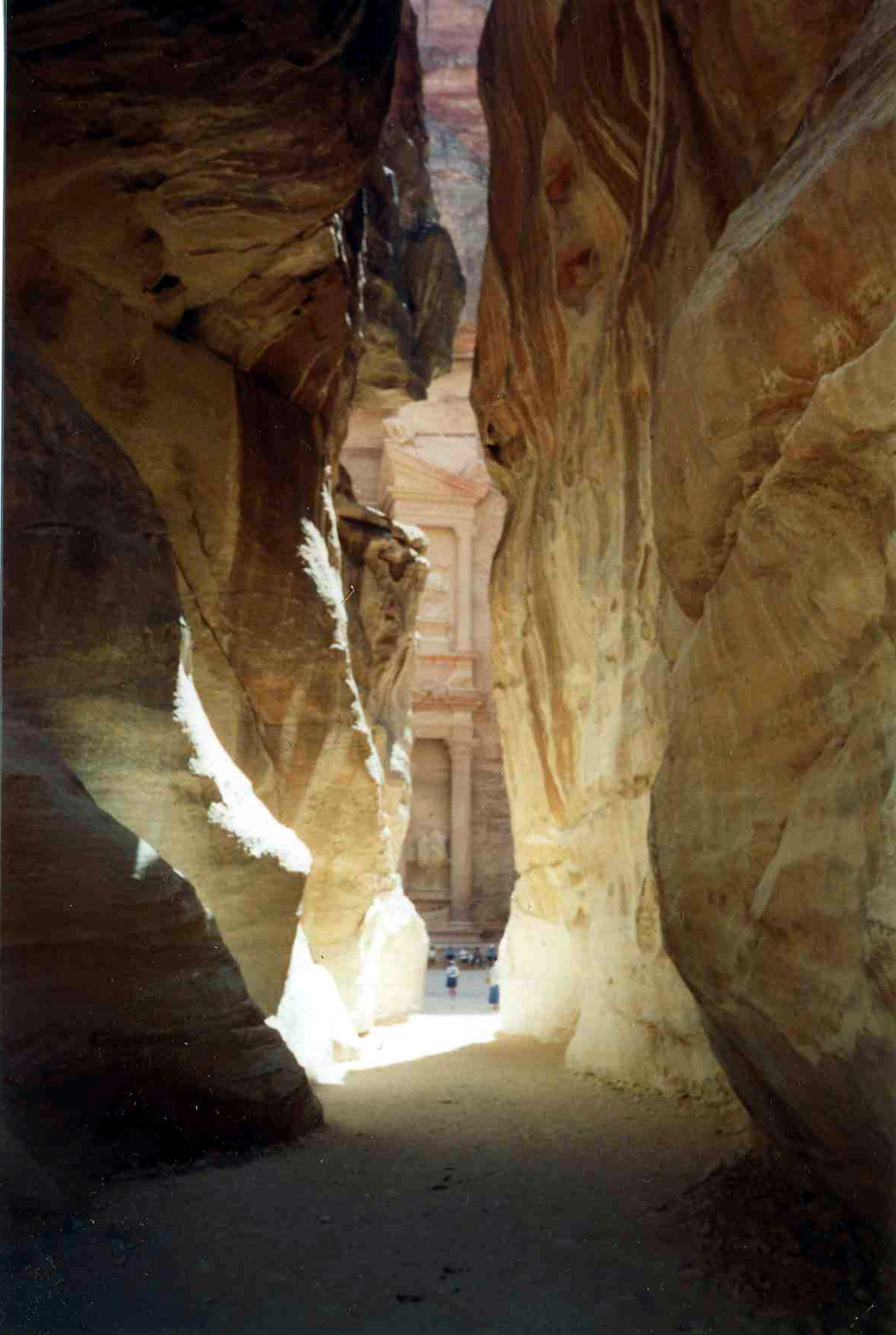
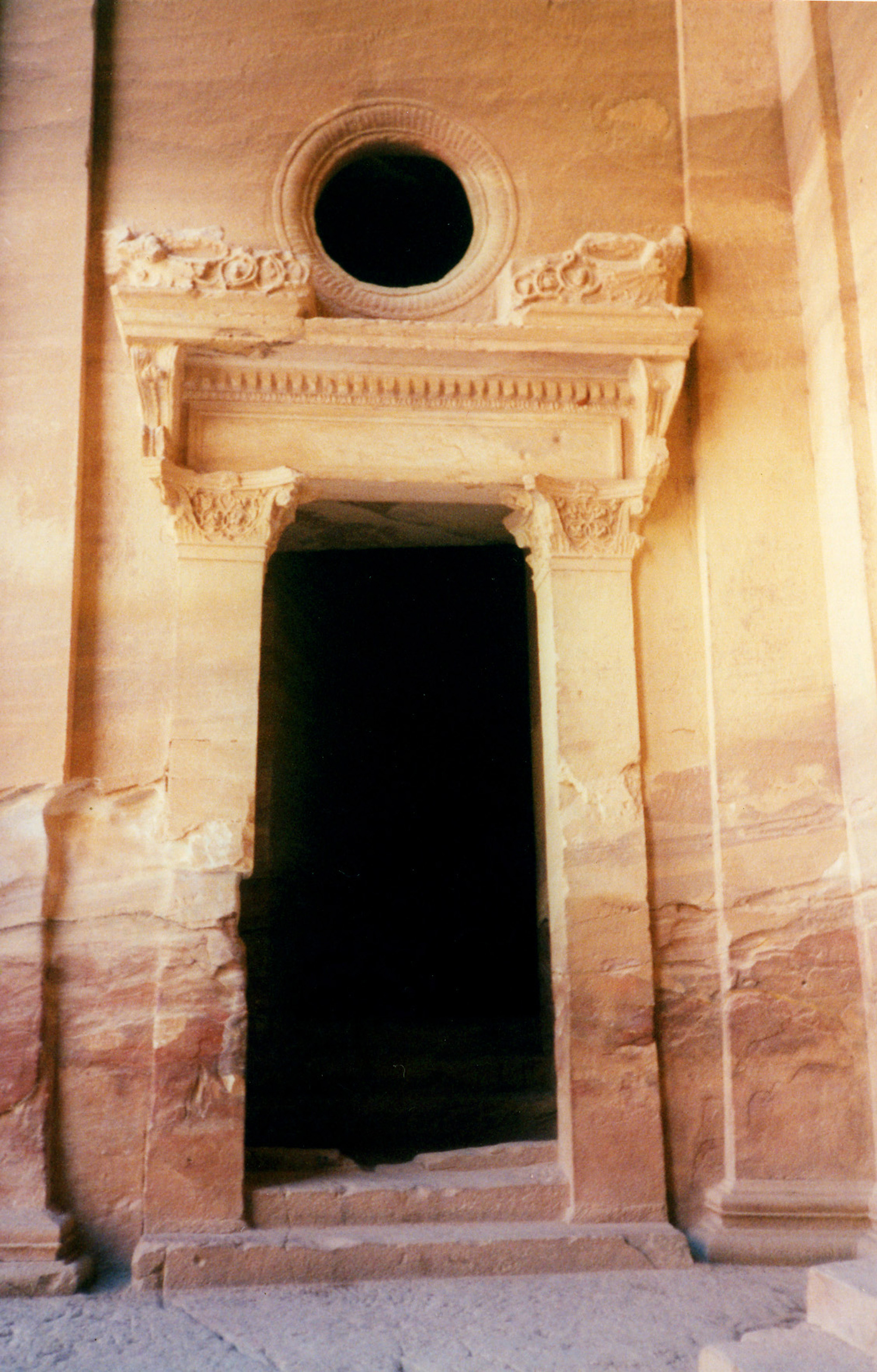
Petra, Jordan – Indiana Jones country!
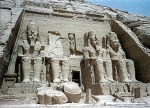
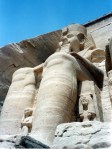
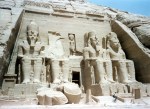
Abu Simbel, Egypt.
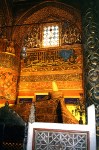
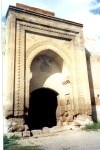
Konya, Turkey – Rumi Mevlana’s (founder of the Whirling Dervishes Sufi Order) Tomb
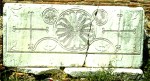
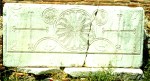
Seljuk, Turkey (near Ephasus) engraving close to St John’s grave.
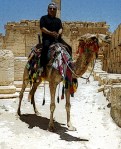
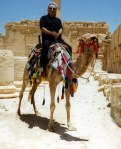
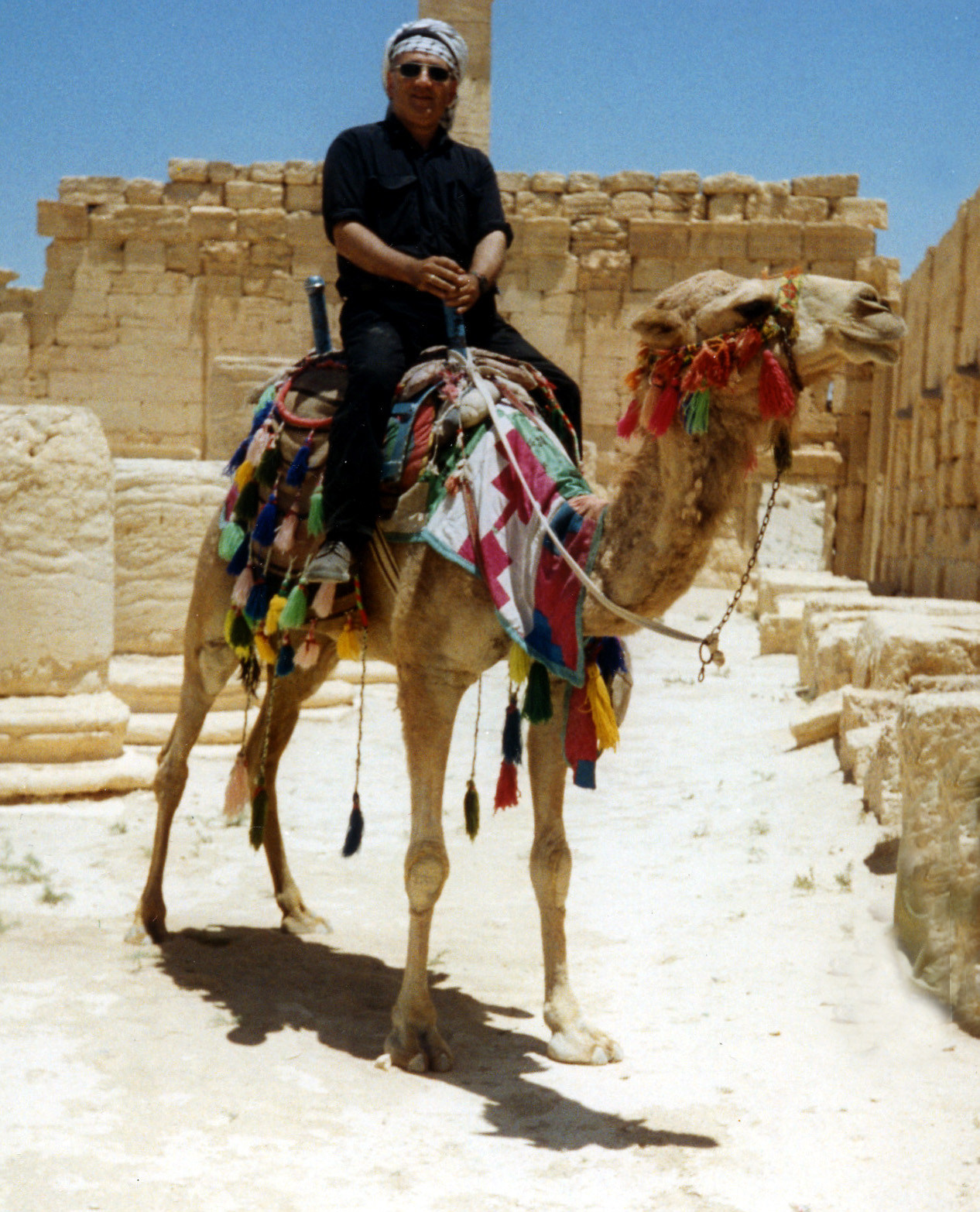
Palmyra, Syria – Stavros on a camel.
Valley of the Kings, Egypt
Valley of the Kings, Egypt
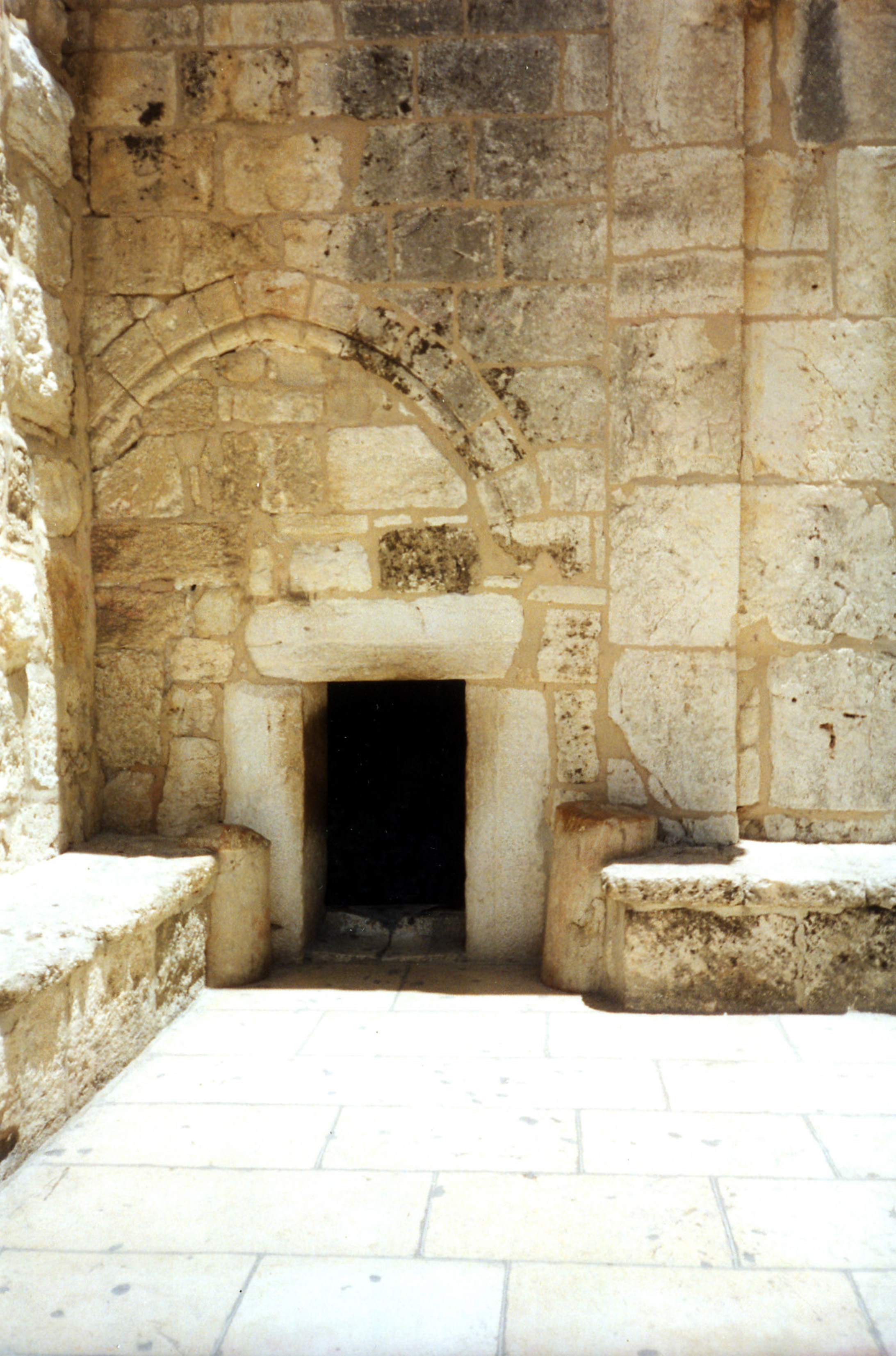
Bethlelehem, Israel – entrance to where Jesus was born.
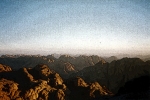
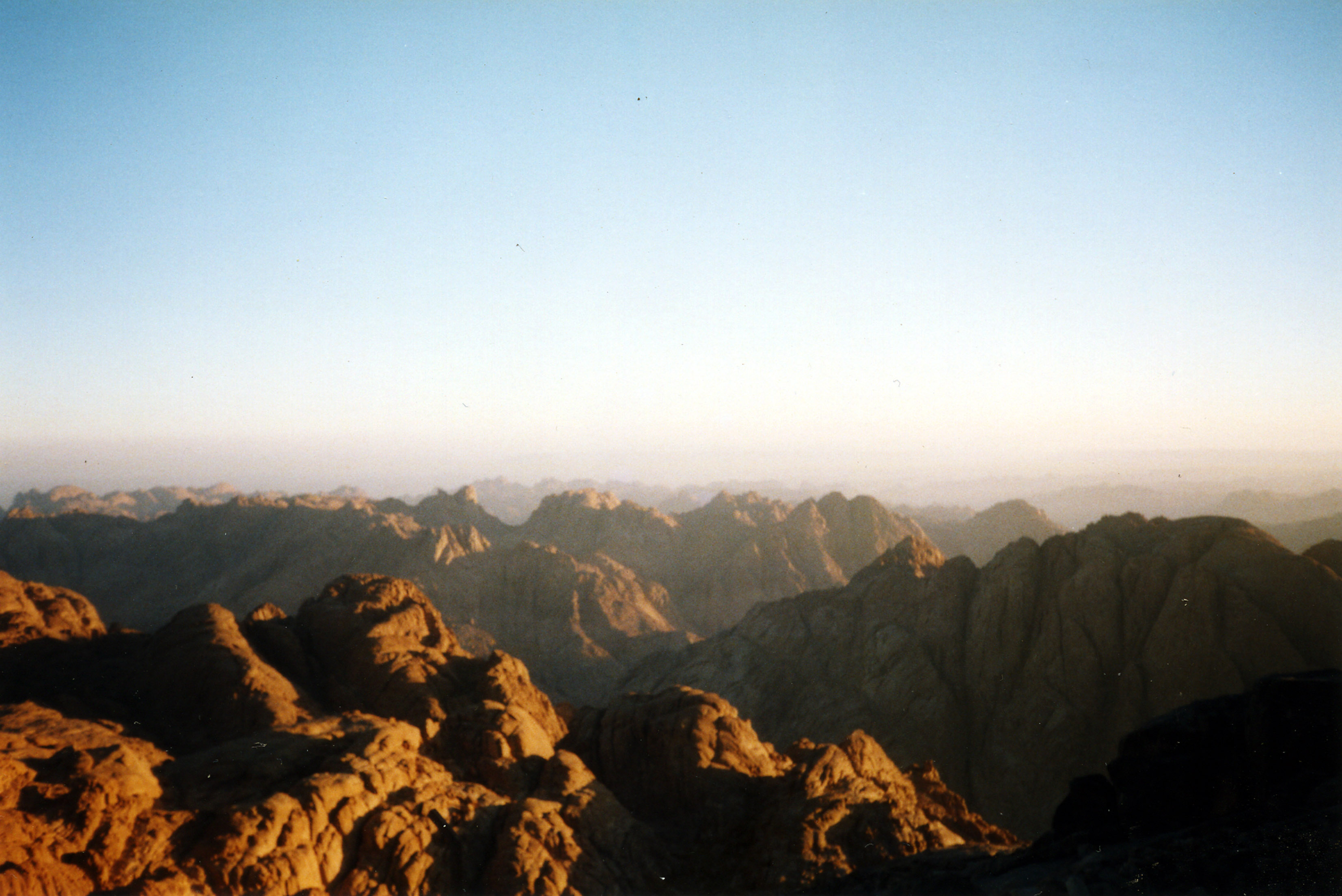
Mount Sinai, Egypt – view from the top of Mt Sinai.
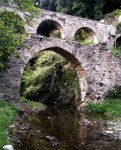
Yannina, Greece
Yannina, Greece.
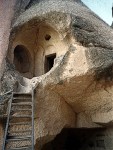
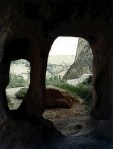
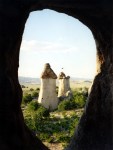
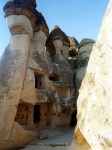
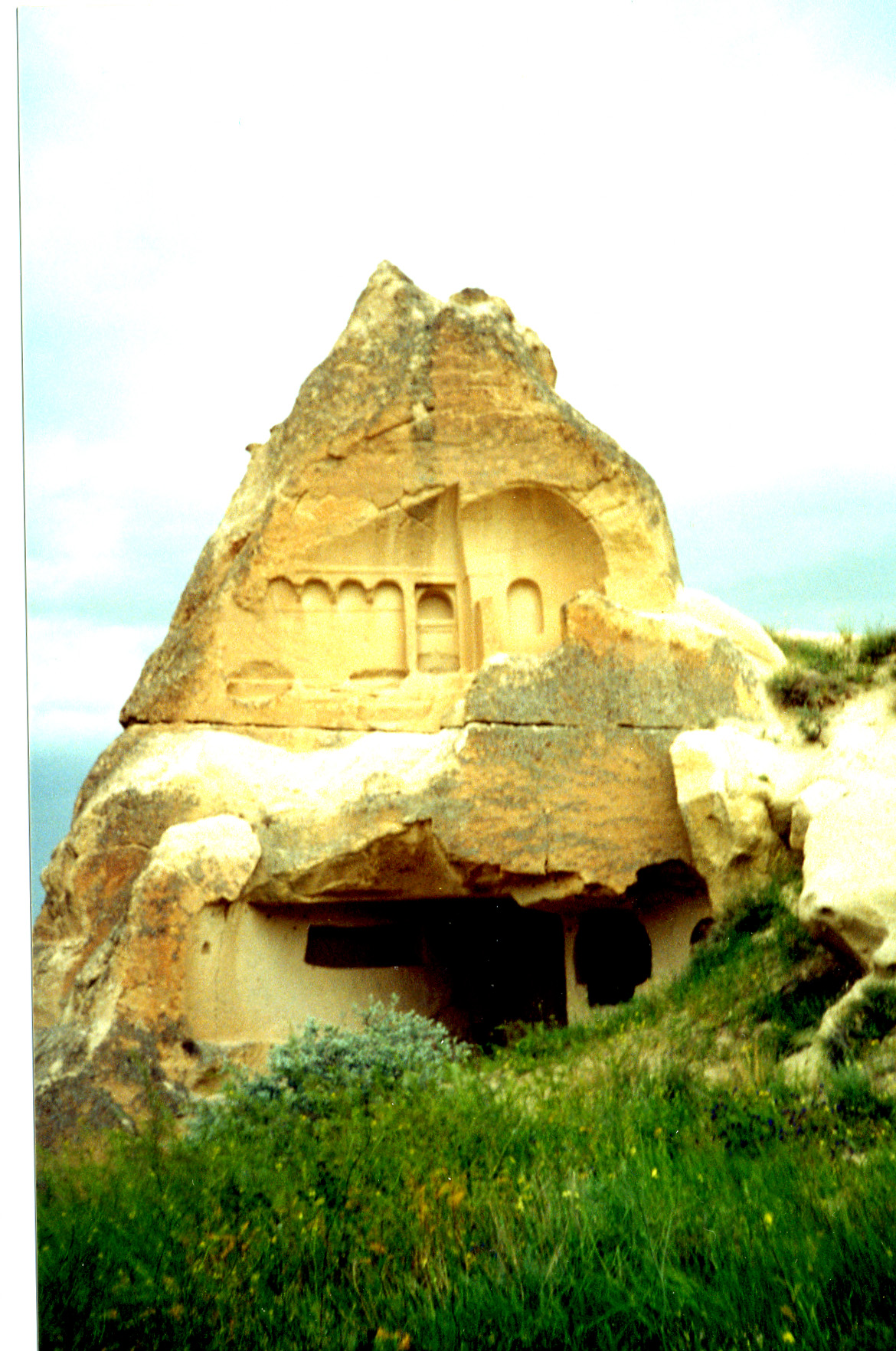
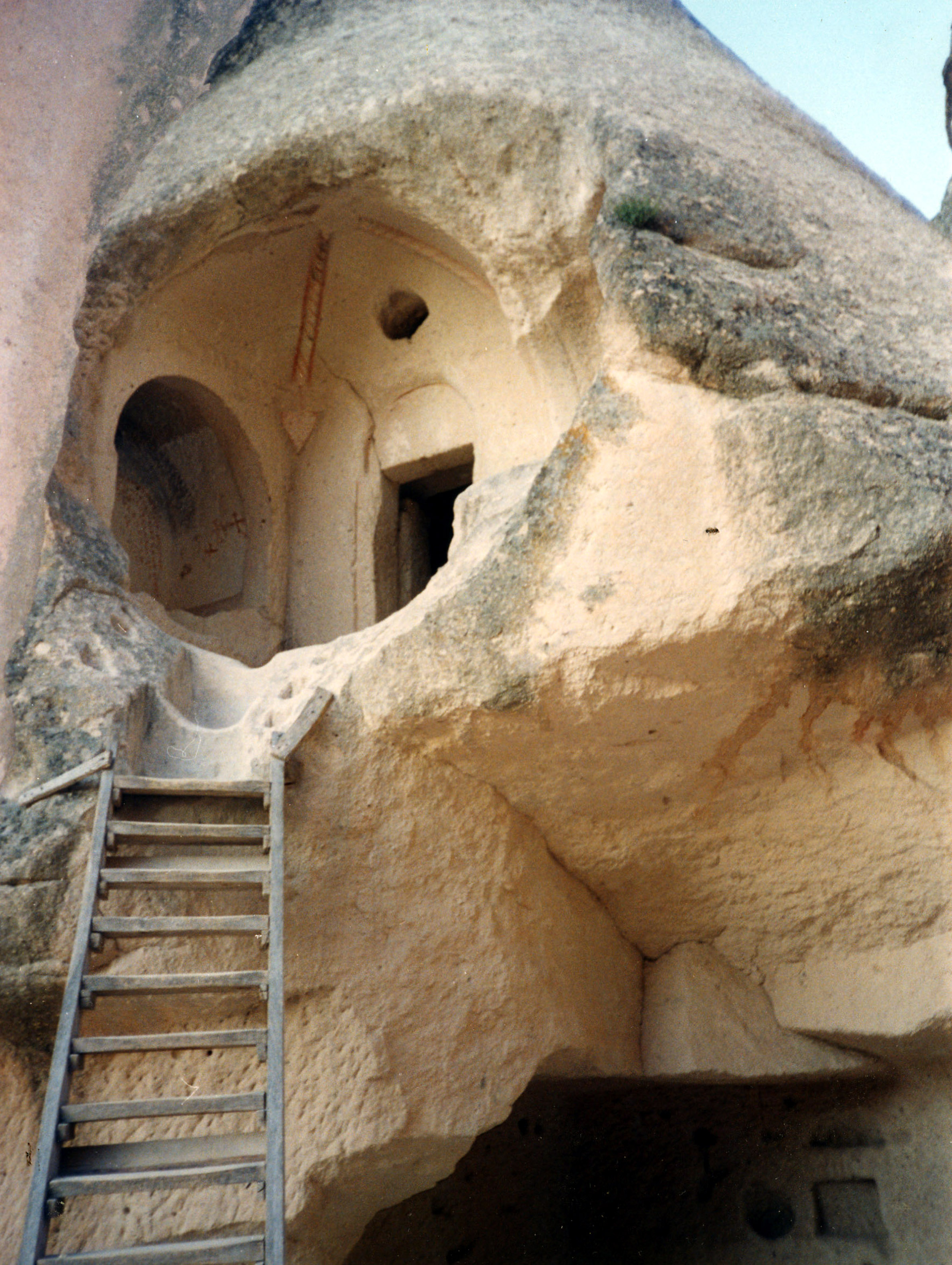
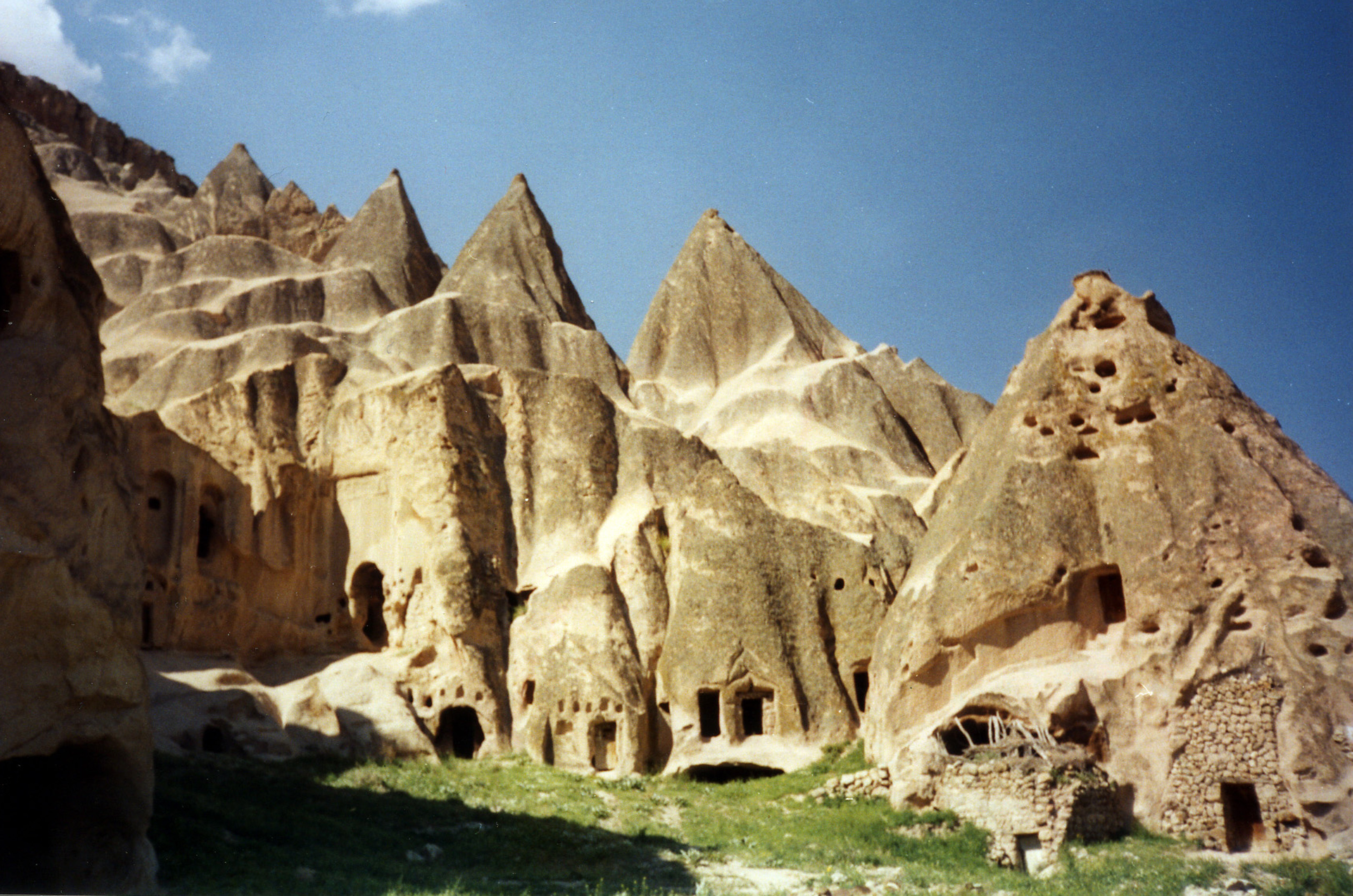
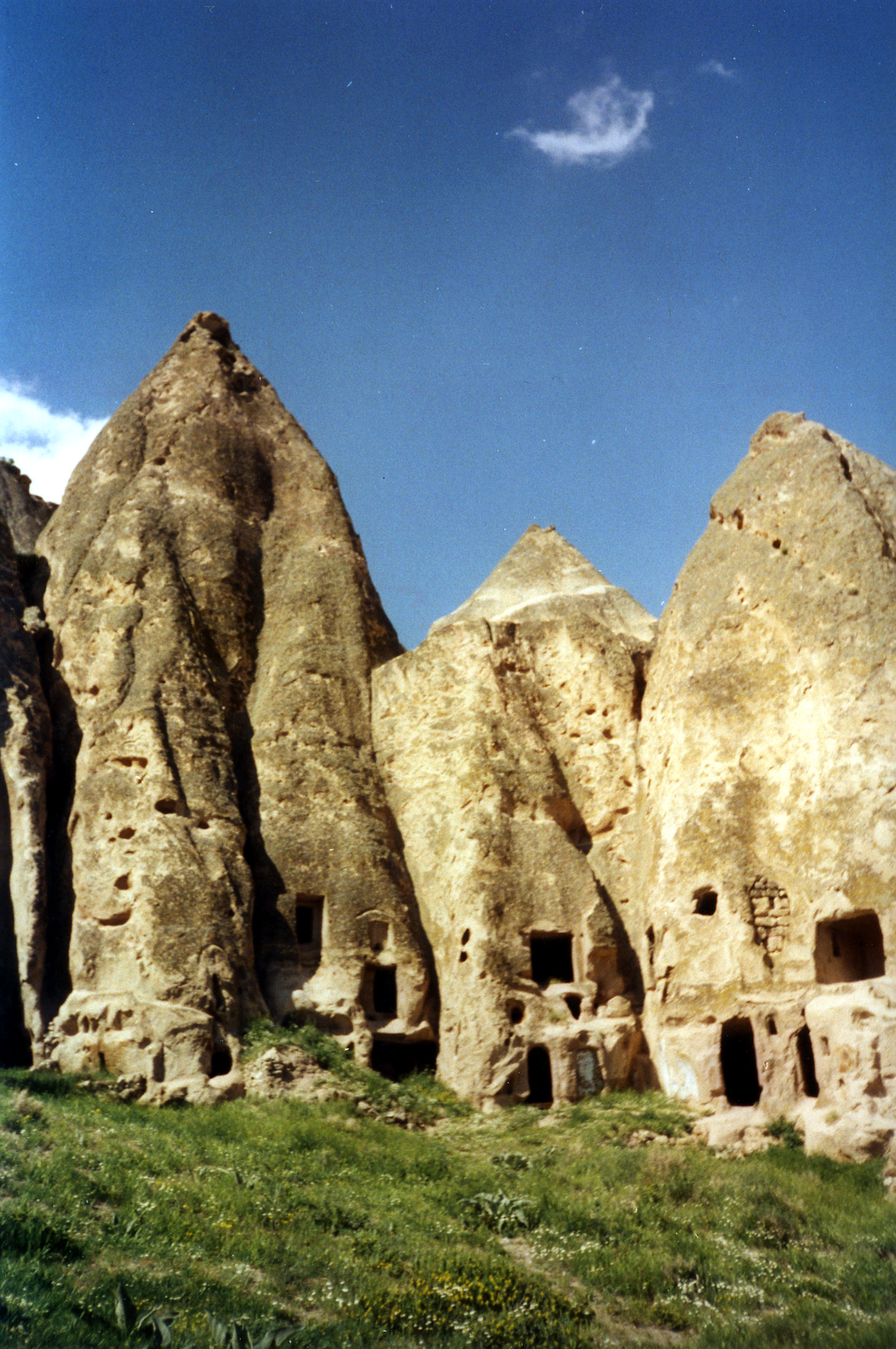
Goreme, Turkey – entrance to a cave house.
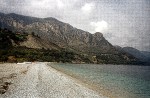
Diakopto, Greece – a few minutes walk from my father’s house.
Jerusalem, Israel
Goreme, Turkey – cave house.
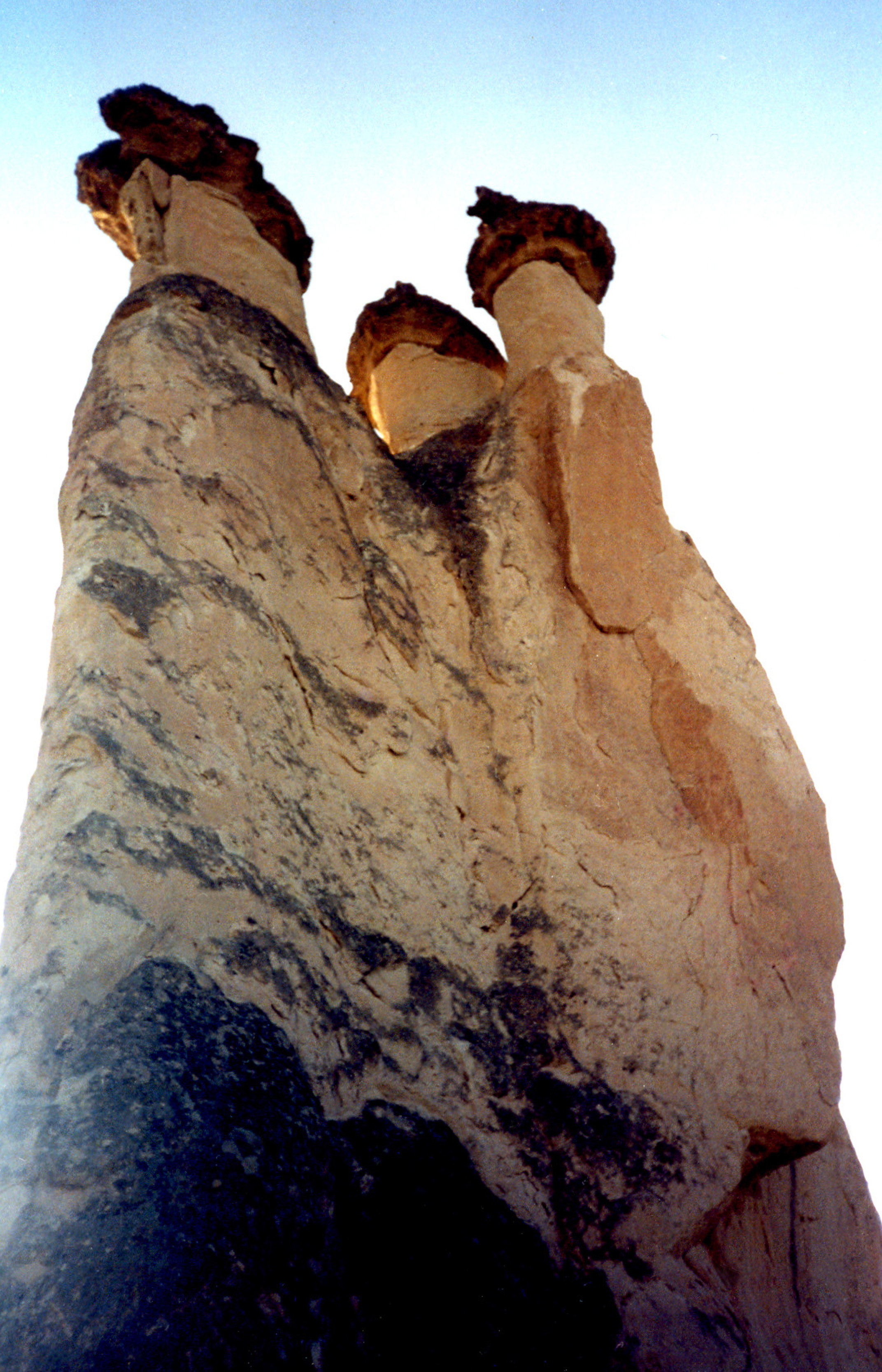
Goreme, Turkey – “Star Wars” Luke Skywalker land of his birth.
Mount Athos is in north eastern Greece, east of Salonika and only accessible by boat from Ouranopolis (ouranos means sky so Ouranopolis means Sky Town). The Holy Mountain is located on the red peninsular of Halchidi.
When are true beginnings of events, births and resurrections? I ask this question because I’ve been asked when did the “Flotillas of Hope” begin? Common sense answers that it was the day and time the boats set off for Nauru. “Eureka” left Sydney on 15 May and “One Off” and “Eureka” left Brisbane for Nauru on 23 May, 2004. However, before the boats even existed, “Flotillas of Hope” was an email sent at a particular date and time from somewhere. Was this email “Call to Action” the real beginning of the project? A feeling anchored in my heart for a few months before the “Call to Action” email was sent over the internet. Was this feeling the real beginning that only needed my fear of ridicule to disappear to express itself? Where did this feeling arise from?
I believe the real beginning happened four years before we set sail for Nauru. My father died in December, 1999 and being the eldest son of a Greek family it was my duty to go to Greece and check out some property stuff. I hadn’t been back to Greece since I left when I was four years old. I couldn’t afford to return to my birthplace, my roots, until I was 48. Over the years I dreamt about returning and all the special places I would visit. One was Dodona which is about 5 kilometres from Anatoli, the village where I was born. It is the oldest oracle in Greece, older than the Delphic Oracle. Legend has it that Jason, before he sailed off with the Argonauts searching for the Golden Fleece, visited the oracle of Dodona. The miraculous priam that spoke in prophecies from the front of the Argonauts’ boat, was carved from wood of Dodona’s sacred grove.
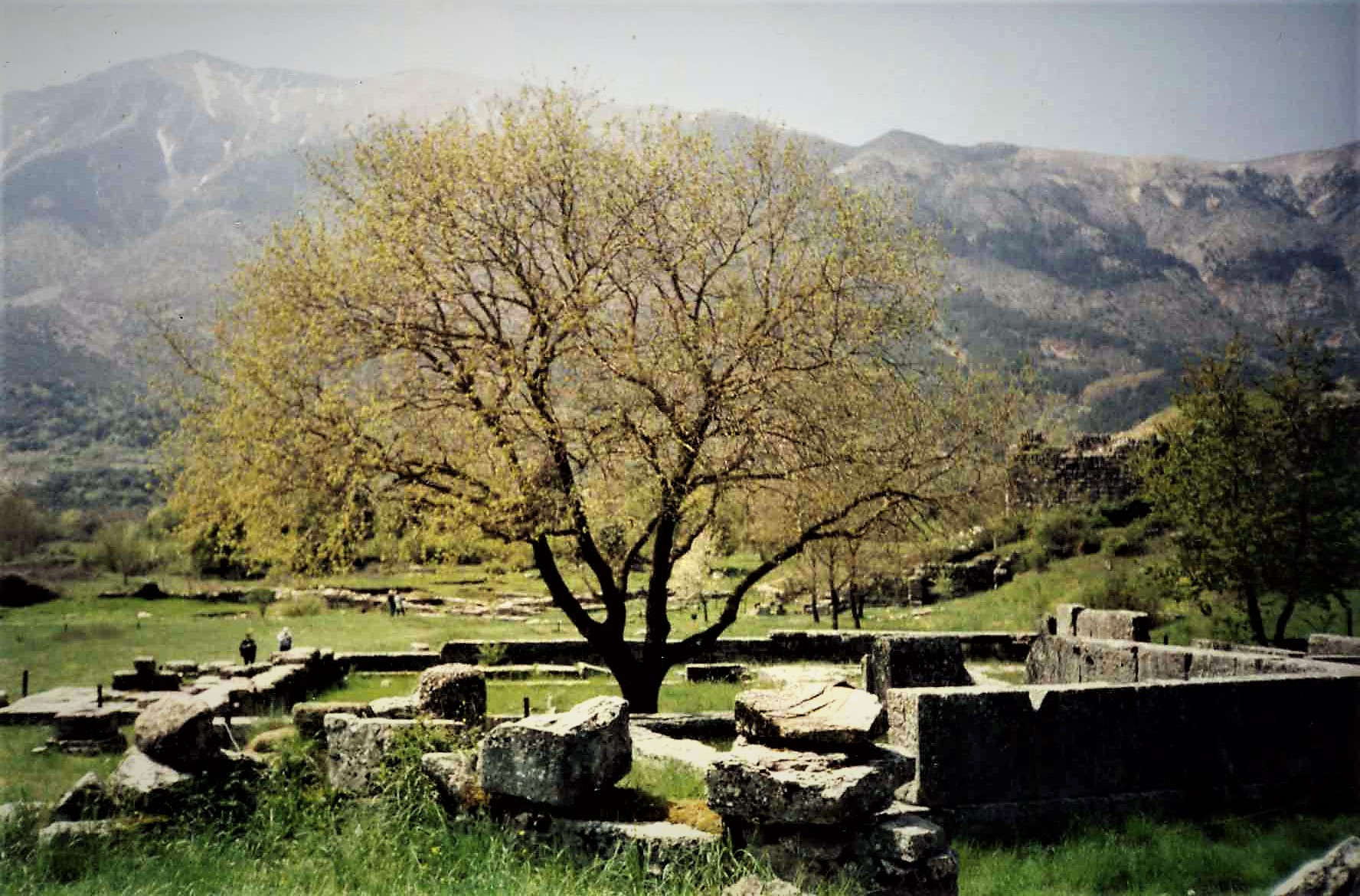
Dodona, oldest oracle in Greece. I sat on one of the rocks and listened to Zeus speak through the rustling leaves before I left for the Holy Mountain.
This is near the spot where Mary, Mother of God (Theotokos) shipwrecked on Holy Mountain’s beach.
One other place I dreamt of visiting was Mount Athos, the Holy Mountain as Greeks call it. The monks who live there consider themselves gardeners for the Mother of God’s Garden on Earth. When Mary and Saint John set sail from Cyprus their tiny boat was blown by strong winds off course to the north east coast of Greece where it shipwrecked. When Mary saw the beauty of this place she asked her son Jesus if she could have it as her garden. Soon after, seekers of truth arrived, some remained to become gardeners and others left after some respite. This is why it is called the Holy Mountain.
I was baptised as Greek Orthodox when I was a baby. In my late teens and early twenties I searched far and wide, behind book covers and the open roads of Australia and New Zealand looking for something. As part of that search I found that the Holy Mountain may have something of what I was looking for. I had sought answers in religions and philosophies alien to my heritage. Now was the chance to look into my own indigenous faith.
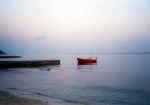
Ouranopolis – this is where you leave by boat to go to the Holy Mountain.
It was Easter, 2000, there I was sitting opposite Geronta Pavlo at the table with the wood oven heating some water behind me. I was inside a time bubble hugged by mud, stone and timber walls. Byzantium breathed in this small kitchen that has cooked meals and boiled water for over a millenium.
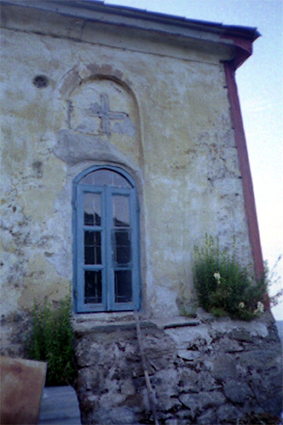
The tiny church next door to the room I stayed in at the old Byzantine house.
Of all the cats scampering for fish heads in the saucer near the door, two – the twins, Alpha and Omega ran towards Geronta, finding their way onto the table top. Geronta was quietly reading a newspaper. His hair, like small waterfalls of grey, fell over his shoulders and behind his back. Strands of his long white beard fell on the table. Gerontas, 90 years old, looked like a middle aged biker, with the full round belly of body armour and broad shoulders. Alpha and Omega tugged at his beard, he said, “Off with you,” and then smiled. I went to lift the boiling water off the stove and when I returned I saw Geronta folding a page of the newspaper. Over and over he folded. I wondered if this was some kind of Holy Mountain origami. When he finished folding he held it up.
He said, “Here Stavros, this is for you.”
I said, “What is it Gerontas?”
“It’s a boat. I don’t know why but my heart told my hands to make this for you.”
As I received the gift he said, shrugging his shoulders, “Who knows, it may mean that you return to the Holy Mountain sooner than you think. Or maybe something else. It is for you.”
The paper boat folded by Gerontas and given to Stavros.
What was interesting in retrospect is that he gave me the boat a day after we had a discussion about what is needed to alleviate suffering and injustice on Earth. I was thinking about the dispossessed, the homeless, the weak, the persecuted, the refugees of the world. I told Gerontas that the needs of the world are such that people who can do something should not hide on Holy Mountains but be in the world and try to change it for the better, Smiling, he said, “Our Christianity is esoteric, it is hidden. Here on the Holy Mountain you are no longer in the exoteric world. Our concerns are spiritual.”
“Gerontas, you appear not to care for the very ones Jesus tells us we should care for.”
“Stavros, from where you are it appears that way. You know, the Holy Mountain needs at least five monks to survive in caves and feed on light. Without these monks connecting Heaven and Earth through their sacrifice, the Mother of God’s Garden will wither and die. How do you know that this house, this monastery, this Holy Mountain does not play a similar role for the whole Earth? How much more pain and injustice would be on Earth now if the Holy Mountain did not exist? We, each of us has our calling, our vocation. My work is here while yours is in the exoteric.”
“Gerontas, do I need to become a monk to fulfil what is needed or is there another way?” I asked him.
Alpha or was it Omega, crawled softly towards his hand. He reached for the cat’s head and stroked it gently. He said, “This is what is needed from all…..the practice to bring the spiritual into the material, Heaven on Earth. You don’t need to be a monk or a nun to do this. All you need is pure intention. If your intent is pure, the way is open. Do what you have to do, follow your conscience and allow this particle of God,” he pointed to my heart,” your conscience, guide you.” He looked at me with soft eyes and added, “You must die before you die and then be reborn, this is what Easter is all about.”
A few days after I was on my way to Istanbul or Constantinople as Greeks call it with the paper boat and lots of material for thought. My journey over the next two months was along the ancient trade route from Istanbul to Cairo.
I took the paper boat with me on Eureka. I now believe that the beginning of the journey to Nauru was the moment when Gerontas gave me the paper boat. He, as a gardener, planted a seed.
St Paul at the base with Mount Athos in the background.
Entrance path to the house I stayed in with the two monks.
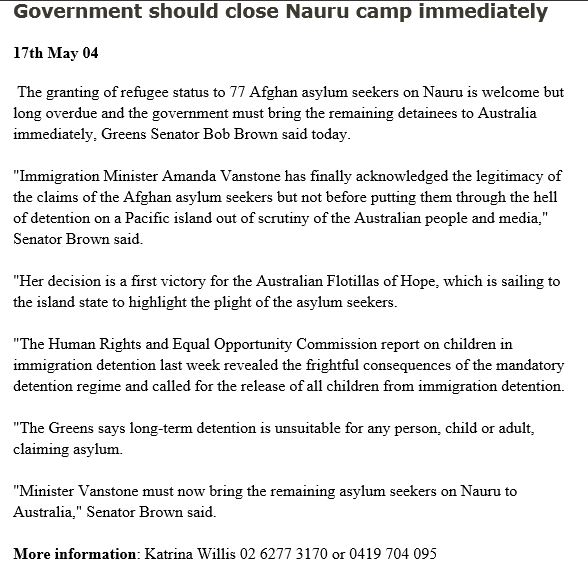
The Flotillas of Hope was a voyage by two yachts carried out in 2004 by protesters critical of the Australian government’s asylum policy. The boats sailed to Nauru, a Pacific island nation which was host to Australia’s offshore immigrant detention center until the new Labor government came to power in 2007. They intended to deliver goods to those interned (most detainees are families who fled conflict in Afghanistan and Iraq), but not surprisingly were not allowed to land by the Nauruan government. Under an agreement put into effect earlier that year, Australia had taken responsibility for the island’s finances and civilian police force. John Howard, the Australian Prime Minister at the time, forced the Nauru government to take armed Australian Police Force to “protect” the island nation from the Flotillas of Hope flying Teddy Bear flags. The Flotillas of Hope project had two intentions 1) to give the refugees caged on the Island of Shame – Nauru, hope – that they have not been forgotten by people, that the Pacific Solution – out of sight, out of mind, did not work and 2) to bring the world media spotlight on Nauru on World Refugee Day, 20 June 2004. This the project achieved and it saw the granting of asylum to over half the refugees on Nauru and the release of Aladdin Sisalem who was in solitary confinement on Manus Island, New Guinea while we were sailing to Nauru.
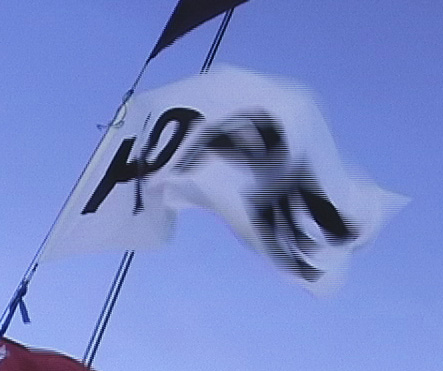
Hand made flags with messages of hope and love made by the people of Australia flew on Eureka and One Off.
The way the Flotillas grew from an idea, a dream that manifested at first as an email Call to Action using the internet as a nervous system which then as an organsim, gathered into the Flotillas intention – satellite mobile phones, life rafts, high frequency radios, laptops, generators, sun power inverters, flags painted by community hands, dolls and teddy bears in handmade clothes, knitted sweaters, a large canvas sail painted by local Sydney artists along with other paintings expressly made and auctioned to raise money for the safe passage of the Flotillas of Hope, all of this and more occurred during the event.. From the finer embedded world of qualities, the realm of hope, love, justice, freedom – the realm of the spirits, the realm of creation, the Flotillas sparked into the internet. It was Art – in – Action using the world wide web to manifest. Hope was generated in not only the refugees caged on Nauru, but also in all people of good will who felt despondent that nothing will change the government’s heartless policy.
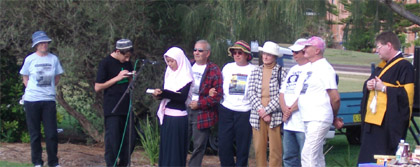
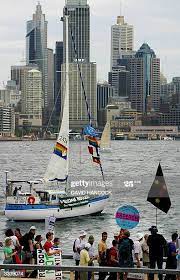
Trade Union Choir singing at the launch of the Flotillas of Hope in Sydney, 15 May, 2004.
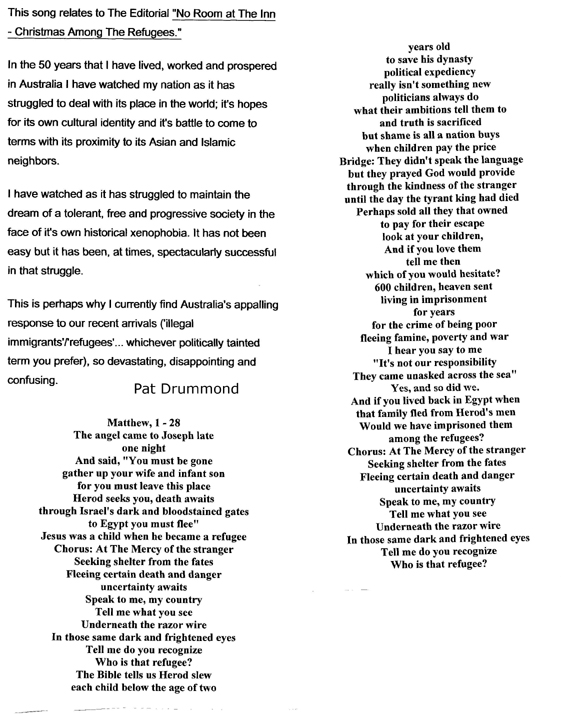
Along the way, to the launch of the Flotillas, musicians performed live gigs to raise money for the project. There was a theme song written, performed and recorded along with poems about the Action. Check out Ernesto Presente’s poem on Poetry for Change website here. The lyrics of the Flotillas of Hope Theme Song is below. You can download the song here. You can also check out Joanna Leigh’s myspace profile here.
University students made videos. At the send – offs from Sydney, Newcastle, Coffs Harbour, Byron Bay and Brisbane, the Flotillas of Hope gathered the communities wishes and intentions to bring Hope to the refugees in the concentration camp of Nauru. The Flotillas did this by accepting hand made toys, hand made clothes for the dolls and teddy bears, the drawings and paintings of love and hope by Australian children, hand made flags with hand written words of love and hope from the people of Australia and overseas who sent gifts by post. Communities made beautiful flags – one with a Mandala made under the direction of a Buddhist priest, another of a Teddy Bear made by people who cared.
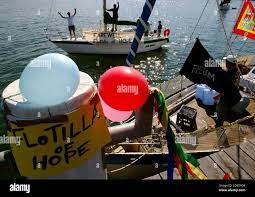
Poster promoting the departure of the flotillas from Brisbane.
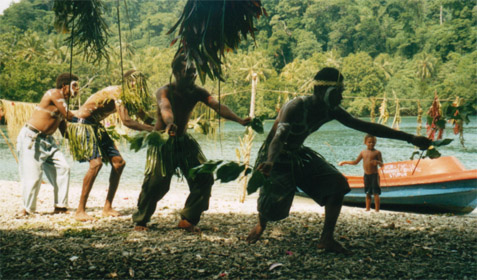
On route to Nauru, the Flotillas docked at Santa Cruz Island, a far flung island of the Solomon Islands. The local indigenous people were so touched by our intention and by how far we had sailed and were sailing that they carved a beautiful wooden oar and gave it us to symbolize that they were rowing all the way with us to Nauru. They gave us the gift on the day we departed Santa Cruz with a send off that included singing, dancing, eating and words of power and encouragement.
The Flotillas carried the cargo of hope through the 12 mile No Go Zone and got to within 500 metres of Nauru coast until they were chased out by 6 Nauruan boats. The boats, Eureka and One Off became living talismans of peaceful and compassionate energies from Australians.
On the way to Nauru, refugees were freed and the websites designed to be the communications hub of the project informed the world about what was happening. There were live interviews with ABC, SBS, BBC, NZBC, Houston Radio, USA along with commercial radio and TV in Australia. A filmmaker, Angela van Boxtel made a Lucid Launch Flotillas of Hope website where artists contributed their art on the website. The Flotillas of Hope was an idea that touched people from across the world and it was an effective art action in all its levels of manifestation.
Santa Cruz, Solomon Islands locals dancing at the departure ceremony.
Santa Cruz, Solomon Island dancers at the departure ceremony wishing us luck and grace.
Various artists painted sections of this canvas sail which was auctioned off along with other original works of art in Gallery 179, Darlinghurst to raise funds for the Flotillas of Hope..
It was also an expression of the newly coined word “Noopolitics” which encompasses Pierre Teilhard de Chardin’s concept of the noosphere of knowledge / information (Teilhard is often called the patron saint of the Internet) because we not only made the news, we also reported the news which was transmitted across the world wide web and TV, radio and text media through our logs and the live satellite phone hookups with global media. The narrative of the journey was transmitted live by the logs of the crew.
The crew received messages of hope – poems and passionate prose from people all over the world who sent text messages from the web directly to our sat – phone in the middle of the deep blue sea. People following the journey on the web were informed as to the exact location of the boats by maps updated by satellite phone to the communications cluster. The project has been archived at the Australian Maritime Museum.
Artists that contributed the sections on the Sail are in order from the top to the bottom, left to right: Dale Dean, Euan Macleod, Mareia Brozky, Angelica Greening, Ingrid Skirkia, John Bell, Lorna Grear, Neil Mallard, Euan Macleod (one more section), Leo Robbia and Martin Sharp.
The first poster to promote the Flotillas of Hope by Matt Hamon, who was also the computer wizkid for Hope Caravan and Ground Crew for the project.
TheFlotillas of Hope was a Journey of Hope, to bring hope to the innocent people imprisoned on Nauru by John Howard’s Australian government. Please note that most of the time the plural “Flotillas” is used instead of Flotilla even though on the surface there was only one flotilla of two boats that sailed to Nauru. The reason that Flotillas is used is because all the actions, the ceremonies, the prayers, the chants, the letters, the songs, the rituals, every action, are ALL flotillas of inner and outer vessels used to bring hope to the refugees imprisoned on Nauru.
The Woomera @ Easter 2002, Baxter @ Easter 2003 and the Flotillas of Hope Actions were not part of an organisation and in fact the websites which supported the Actions have virtually disappeared. The Actions were organic institutes – of – the – moment and like a Tibetan Buddhist sand painting, once the Actions were completed, the organisations like sand grains were blown by the wind to the four corners of the earth. They remain in peoples’ lives that have been transformed by the granting of freedom from the Australian gulags of shame.
When I sent the Call to Action for the human rights social action groups to unite to shame John Howard and highlight the plight of innocent refugees caged on the so called “Pacific Solution” – Nauru, it was deemed an incredibly audacious and unrealistic call. Why? Because Nauru is 4000 kms from Australia and when the call went out, we had no boats, no technology, no crew, no money, indeed, for me – no sailing experience. Well, within 2 weeks of the Call to Action over 250 people from around the planet had joined the new Internet group “Flotillas of Hope”. Within the first two weeks, the creators of the Woomera 2002 website contacted me and created the Flotilla2004 website. Another website was created for digital artists by a film maker and our own Hope Caravan website was the “hub”. A theme song for the project was recorded by Joanna Leigh, “HOPE”. You can download the mp3 version of the song here .. “HOPE…We Bring You Hope” .
Within a short time 2 boats appeared and in the weeks and months before we took off on our journey to Nauru we had received satellite telephones, solar energy inverters, radios, life rafts, money and the incredible creative output of artists and communities across Australia which gave our Cargo of Hope, toys and Teddy Bears for the kids in the gulag.
The Flotillas of Hope Mascot – Azadi Koala. The script on the koala’s shirt says “AZADI” which means Freedom in the Farsi language. The koala is steering Eureka to Nauru 🙂
Following the action, asylum was granted to over half the refugees on Nauru and Aladdin Salanin who was in solitary confinement on Manus Island, New Guinea was released.
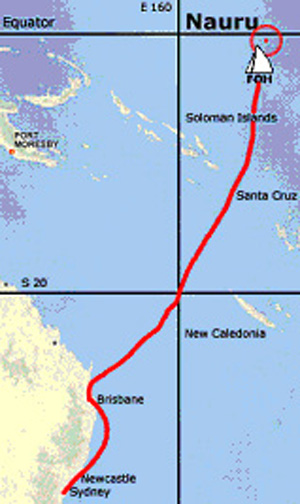
Along the way to Nauru, the Flotillas docked at Santa Cruz, a far flung island of the Solomon Islands Where they were met by the local indigenous people. The Flotillas carried their cargo through the 12 mile No Go Zone
Below the map is an article written by a close friend who was a member of the Ground Crew. It gives you the background to the Journey. Lynda, along with some others, made sure that our messages sent by the satellite phone would get out to our website people and so to the world. Lynda was based in Far North NSW. After this article you will find the links I mentioned earlier. After the links and photos of the boats, there is an article by another friend and member of the Ground Crew, Angela. She looked after one of the websites for the project and was based in Melbourne.
Route taken by Flotilla of Hope to Nauru to reach Nauru on 20 June, 2004 – World Refugee Day.
Back in Easter 2002, a group of concerned people from the Hunter region of NSW, Australia, appalled by the Australian Government’s attitude and policy on asylum seekers, joined the actions of the Festival of Freedoms in the South Australian desert. This became Hope Caravan. Along the way, the ‘O’ in Hope transformed from an organisation to an organism.
In 2003, Hope Caravan went to the Baxter Detention Centre in South Australia. Many strong bonds and friendships were formed with some of those people initiating the Flotillas of Hope project, which in association with Hope Caravan, sails to Nauru this month to arrive on the tiny impoverished Pacific island of Nauru.
This diverse group of people include a research scientist, an award winning film maker, teachers of maritime studies and multicultural education, a shipwright as well as a soccer coach from the Brisbane based, Tigers Refugee team.
NAURU
Nauru is the smallest republic in the world with a population of only 12,000. It not only faces an environmental catastrophe but also economic bankruptcy.
The exploitation of Nauru’s rich source of phosphate began in the early 1900s. After World War l, the Australian, British and New Zealand governments took over the original mining company that had been previously German owned. It was called the British Phosphate Company. As demands grew for fertiliser, so did their profits. However, only 2% of the revenue went to the Nauru people. At the time of Nauru’s independence in 1968, mining had destroyed over one-third of the tiny island. In 1991, Nauru took the Australian Government to the International Court of Justice for the exploitation of its economy and environment. In 1993, Australia settled out-of-court for $57 million with an additional $2.5 million per annum for the next 20 years. By the late 1990’s, the money had all but dried up.
During the Australian federal election in 2001, the Howard government seized the opportunity to pressure Nauru into taking asylum seekers from the shores of Australia in return for many millions of dollars. These refugees were removed by the Australian military in violation of the International Refugee Convention. This was the beginning of “The Pacific Solution”. Many of these people were initially rescued by the now infamous Tampa, a Norwegian Freighter off the Western Australian coast. In denying the Tampa refugees access to the Australian mainland, and their rights under Australian law, Australian Prime Minister, John Howard, said, “whilst this is a humanitarian decent country, we are not a soft touch and we are not a nation whose sovereign rights in relation to who comes here are going to be trampled on”.
Nauru continues to deny entry to all lawyers, journalists and representatives of human rights groups as well as independent doctors and psychiatrists from assessing the health of the refugees.
Nauru has since been called Australia’s Guantanamo Bay.
These refugees merely sought to flee life-threatening persecution and repression, economic deprivation and poverty and to bring themselves and their families to a safe and secure environment. This must be surely the most basic right of any individual, yet in seeking to exercise it, they have come face to face with the Australian army.
In the last week, three Australian lawyers were ordered off Nauru before they had a chance to appear in a court case challenging the legality of the island’s detention centre for asylum seekers. Their visas were revoked by Nauru’s Minister for Justice, Russell Kun. On April 27, he appointed his uncle, former Finance Minister and paralegal “pleader”, Reuben Kun, to present the detainees’ case.
MANUS ISLAND
There are approximately 21 million refugees worldwide, yet there is only one who is on a remote island in solitary confinement. The Australian government pays $23,000 per day to detain Aladdin Sisalem, a 25 year old man who has suffered persecution most of his life. The son of a Palestinian refugee (his father) and an Egyptian mother, Aladdin was born in Kuwait. Persecuted in his home country, he began a perilous journey in search of a country that would accept him, travelling via West Papua, Papua New Guinea, finally arriving in the Torres Straight Islands, where he was seized by the Australian Police before being taken to Thursday Island. When he asked Australian authorities for asylum, he was removed and taken to a detention centre set up by the Australian Government on Manus Island in Papua New Guinea. Even if he wanted to return, Kuwait will not take Aladdin back after his period of absence. Egypt does not want him. Israel does not consider his “right of return” as a Palestinian.
It is noted that the 1948 Universal Declaration Human Rights, Article 14, states “everyone has the right to seek and to enjoy in other countries asylum from persecution”. Ongoing, indefinite suffering by asylum seekers both here and on the offshore detention centres is a clear indication that these basic human rights are being violated.
On 15th May, Flotillas of Hope departs Sydney Harbour, sailing up the east coast of Australia, converging in Brisbane, before departing for Nauru on 23rd May. The boats should arrive at Nauru on 20th June (World Refugee Day) with their “Cargo of Hope” which will include toys, educational, recreational items and a generator for the country’s hospital.
The voyage of this Flotilla recalls the old law of the sea – which obliges us to give assistance to anyone in peril, without regard for flags – and seeks to open a multitude of flows toward a new world for which maps are yet to be created.
Therefore, the Flotilla will use a diversity of tactics: boats converging to Australia’s north in mid-2004 crewed by autonomous affinity groups ; media streams and online protests; radio waves and OpenFlow events.
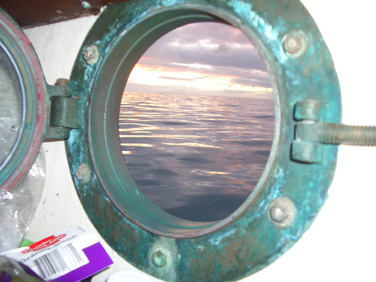
The view from Eureka’s porthole, somewhere between Santa Cruz, Solomon Islands and Nauru.
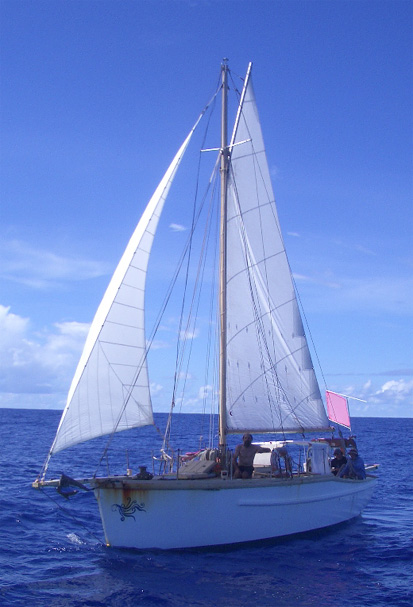
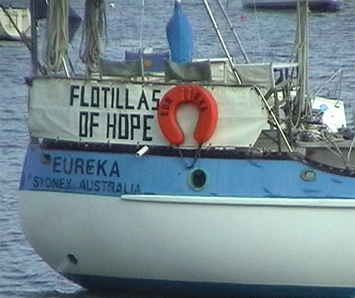
Yacht Eureka
The Eureka is a yacht sailing from Sydney in May 2004 for Nauru, in the Pacific Ocean. Together with other vessels, the Eureka will make a Flotilla of Hope to visit people held in the Nauru Detention Centre and draw attention to the plight of people who come to Australia without the right papers. She is being crewed by people from Sydney, Newcastle (Aust.) and London.
Eureka is a sloop-rigged Swanson 42. Sloop rig means she has one mast, and one headsail. She was designed by Ron Swanson and is 12m / 42 feet long. She is fibreglass construction, and heavily built for cruising rather than racing. She is a double-ender, which means she has two ‘sharp ends’, which is for the purpose of breaking a following sea. She was lovingly built by Rob D and Roger C, and they intended to call her Imagine. Bought by Michael C, ex-Hydrographer (chart-maker) of the Australian Navy, launched in 1981 as Eureka, she sailed around the world. Eureka is now owned by Lance, who has sailed her for the last 10 years up and down the Australian east coast and into the Pacific.
The One Off
One Off is a gaff rigged timber vessel, 34 feet long and although launched in 1974 she is a much older style of boat. She is sound and sails well for her type. She was built by Authur and Agnes Pitt for use as both professional fishing and enjoyment. She has a 65HP BMC diesel engine.
Flotillas of Hope
by Angela Mitropoulos Melbourne, June 3, 2004.
There are currently boats travelling 4,000 kilometres to Australia’s internment camp on Nauru. This is the most recent culmination of a series of protests against successive Australian governments’ policies of interning undocumented migrants. The boats are presently at the halfway mark and, weather permitting, expected to reach Nauru by June 20. The crews have been threatened with imprisonment for crossing borders without the proper papers. The importance of the internet to the communication and character of noborder protests is here amplified by distance, threats of violence and the risks of sea travel.
__/__/__/__/__/__/__/__/__/
Some background
It is well known that since 1989, successive Australian Governments have administered a notorious policy subsequently referred to the ‘mandatory and non-reviewable detention’ of all those who arrive by boat and without papers. This was a response to the (by international comparison) extremely small rise in undocumented boat arrivals after 1989 – many from the Middle East, Vietnam and Cambodia – whose internment was often successfully challenged through legal action.
The post-1989 regime of border policing effectively and over time legislated that the refugee determination process exist outside the rule of law in the form of ministerial and administrative dictate and be discharged through concentration camps and military intervention.
It is also well known that in 2002, protesters on both sides of the barbed wire scaled the fences at the Woomera internment camp in South Australia and a number of escapes occurred. www.woomera2002.antimedia.net Woomera, which closed shortly after this, was emblematic of the Australian Government’s strategy of interning undocumented migrants in remote, rural camps as a means of containment and control. Woomera was located 1,000 kilometres from the nearest capital city (Adelaide) and, for a time, held the largest number of detainees.
2002 was the culmination of four years of protests by detainees in Australia’s internment camps, including hunger strikes, the destruction of buildings, and mass escapes. Many of those protests were met with tear gas, riot police and the use of chemical restraints. www.antimedia.net/xborder
Following this, the Australian Government shifted its strategy toward a combination of ‘dislocation’ and electrification in an attempt to decompose the protests against the post-1989 regime of the camps. The so-called ‘Pacific Solution’ was introduced which established camps on Nauru and Papua New Guinea (Manus Island) funded by the Australian Government and managed by the International Organisation for Migration. Australian military vessels would forcibly remove undocumented boat arrivals from territorial waters and Australian islands, and transport them to those camps in the Pacific.
In Australia, a new technology of internment was constructed (such as at Baxter) which replaced the grim (but scalable) coils of barbed wire and steel fences with hi-tech, refined systems of electronic barriers, surveillance and a greater reliance on technological and chemical restraint. (The Government has also budgeted for another of these hi-tech camps in Broadmeadows, Melbourne to replace the current, smaller one in Maribyrnong.)
The result of these changes to the architecture of the camps were immediate: the protesters outside Baxter in 2003 were unable to get close to or even within sight of any of those imprisoned there, many of whom had been relocated from Woomera. www.baxter2003.com Whereas Woomera2002 had managed to break with the symbolic character of protests by those outside the camps; Baxter2003 signalled the restoration of such, and subsequently ushered in a decline in the impetus of the movements against the camps.
__/__/__/__/__/__/
Flotilla 2004
Having circulated as an audacious, but regarded as impractical, strategy after Woomera2002, the idea of shifting the protests against the camps to the northern waters of Australia became an imperative with the inauguration of the ‘Pacific Solution.’ After Baxter, Hopecaravan distributed a call for boats to travel to the internment camp on Nauru. That voyage is currently underway, with boats presently located at the halfway mark, and expecting to reach Nauru by June 20.
The Nauru Government which – given its current fiscal woes and recent economic bankruptcy – relies on the continuing funding of the camp as a source of revenue and employment, has threatened to suspend maritime convention (the Law of the Sea) and forcibly seize the boats. They have also threatened to imprison the Flotilla crews as undocumented boat arrivals. This has not deterred the crews, who nevertheless require ongoing support and communication.
Regular updates are available at flotilla2004.com, as are crew b-logs, instructions on sending text messages to the crews, and detailed background reports.
The Australian Government, for its part, has adopted the pose of detached benevolence – an echo of its previous, farcical contention that it was not legally liable for the treatment and internment of those in the camps because they were outside Australian jurisdiction. Facing with an upcoming election, and as the Flotilla boats were cheered off from eastern coastal cities, the Government announced that under half of those detained on Nauru would be granted visas, and recently granted a visa to the remaining detainee, Aladdin Sisalem, on Manus Island. www.freealaddin.com
These shifts follow a determined hunger strike last year on Nauru, after which the Government promised that it would review its rejection of the applications for asylum by those imprisoned on Nauru. www.noborder.org/press/display.php?id=3 The Government has, nevertheless, insisted that its camps in the Pacific will remain, at a cost of around $300, 000 per month.
Previously, the Government had refused to grant visas to those taken hostage from the MV Tampa and forcibly transported to Nauru. At the time, the Government insisted that ‘not one of those would set foot on Australian soil.’ It is abundantly clear that the definition of who is a refugee and who is not (or: who is subject to the regime of the camps in order to classify people along this axis) is defined by what the Australian Government imagines to be politically advantageous at any given time.
Those released from Nauru and PNG have expressed concern for the fate and safety of those who remain interned there. The voyage continues until the camps are closed.
Angela Mitropoulos Melbourne, June 3, 2004.
The Flotillas of Hope Sailing Crew
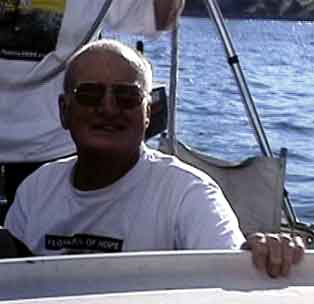
Keith Davies, Skipper of One Off, pointing to the sticker from Rainbow Power who donated a solar power inverter to the project.
Australian Democrats Leader Andrew Bartlett called on the Nauru government to issue visas to human right advocates who plan to arrive on the island.
The NSW Refugee Action Coalition’s “Flotilla of Hope” is due to arrive on the island carrying teddy bears for children detained on the tiny Pacific nation.
The activists aboard the two yachts – the Eureka and the One Off – planned their arrival to coincide with World Refugee Day, following a 4000km journey from Australia.
Senator Bartlett said the crew have been refused visas.
He said the Flotilla of Hope was a “peaceful protest and should be given visas”.
A spokeswoman for the small Pacific nation said on Sunday it was unlikely the human rights advocates will be allowed onshore.
“At this point it would seem that the president [of Nauru] has not given his permission for visas to be granted,” she said.
“I believe that the boats will be met at sea.
“A peaceful exchange will take place allowing the members of the two boats of the Flotilla to offer their greetings, and hand over the gifts for the children in the camps.”
But a spokesman and a crew member of the two Australian yachts, Stavros Georgopoulos, said the flotilla wanted to make their presence felt on land.
“We’ve got piles and piles of toys and gifts to give to the refugees and personal messages from people from Australia to give to the refugees,” he told ABC Radio.
“There’s a lot of people counting on us to deliver the messages.
“We haven’t travelled 4,000 kilometres just to be fobbed off.”
Back in Easter 2002, a group of concerned people from the Hunter region of NSW, Australia, appalled by the Australian Government’s attitude and policy on asylum seekers, joined the actions of the Festival of Freedoms in the South Australian desert. This became Hope Caravan. Along the way, the ‘O’ in Hope transformed from an organisation to an organism.
In 2003, Hope Caravan went to the Baxter Detention Centre in South Australia. Many strong bonds and friendships were formed with some of those people initiating the Flotillas of Hope project, which in association with Hope Caravan, sails to Nauru this month to arrive on the tiny impoverished Pacific island of Nauru.
This diverse group of people include a research scientist, an award winning film maker, teachers of maritime studies and multicultural education, a shipwright as well as a soccer coach from the Brisbane based, Tigers Refugee team.
Nauru
Nauru is the smallest republic in the world with a population of only 12,000. It not only faces an environmental catastrophe but also economic bankruptcy.
The exploitation of Nauru’s rich source of phosphate began in the early 1900s. After World War l, the Australian, British and New Zealand governments took over the original mining company that had been previously German owned. It was called the British Phosphate Company. As demands grew for fertiliser, so did their profits. However, only 2% of the revenue went to the Nauru people. At the time of Nauru’s independence in 1968, mining had destroyed over one-third of the tiny island. In 1991, Nauru took the Australian Government to the International Court of Justice for the exploitation of its economy and environment. In 1993, Australia settled out-of-court for $57 million with an additional $2.5 million per annum for the next 20 years. By the late 1990’s, the money had all but dried up.
During the Australian federal election in 2001, the Howard government seized the opportunity to pressure Nauru into taking asylum seekers from the shores of Australia in return for many millions of dollars. These refugees were removed by the Australian military in violation of the International Refugee Convention. This was the beginning of “The Pacific Solution”. Many of these people were initially rescued by the now infamous Tampa, a Norwegian Freighter off the Western Australian coast. In denying the Tampa refugees access to the Australian mainland, and their rights under Australian law, Australian Prime Minister, John Howard, said, “whilst this is a humanitarian decent country, we are not a soft touch and we are not a nation whose sovereign rights in relation to who comes here are going to be trampled on”.
Nauru continues to deny entry to all lawyers, journalists and representatives of human rights groups as well as independent doctors and psychiatrists from assessing the health of the refugees.
Nauru has since been called Australia’s Guantanamo Bay.
These refugees merely sought to flee life-threatening persecution and repression, economic deprivation and poverty and to bring themselves and their families to a safe and secure environment. This must be surely the most basic right of any individual, yet in seeking to exercise it, they have come face to face with the Australian army.
In the last week, three Australian lawyers were ordered off Nauru before they had a chance to appear in a court case challenging the legality of the island’s detention centre for asylum seekers. Their visas were revoked by Nauru’s Minister for Justice, Russell Kun. On April 27, he appointed his uncle, former Finance Minister and paralegal “pleader”, Reuben Kun, to present the detainees’ case.
Manus Island
There are approximately 21 million refugees worldwide, yet there is only one who is on a remote island in solitary confinement. The Australian government pays $23,000 per day to detain Aladdin Sisalem, a 25 year old man who has suffered persecution most of his life. The son of a Palestinian refugee (his father) and an Egyptian mother, Aladdin was born in Kuwait. Persecuted in his home country, he began a perilous journey in search of a country that would accept him, travelling via West Papua, Papua New Guinea, finally arriving in the Torres Straight Islands, where he was seized by the Australian Police before being taken to Thursday Island. When he asked Australian authorities for asylum, he was removed and taken to a detention centre set up by the Australian Government on Manus Island in Papua New Guinea. Even if he wanted to return, Kuwait will not take Aladdin back after his period of absence. Egypt does not want him. Israel does not consider his “right of return” as a Palestinian.
It is noted that the 1948 Universal Declaration Human Rights, Article 14, states “everyone has the right to seek and to enjoy in other countries asylum from persecution”. Ongoing, indefinite suffering by asylum seekers both here and on the offshore detention centres is a clear indication that these basic human rights are being violated.
On 15th May, Flotillas of Hope departs Sydney Harbour, sailing up the east coast of Australia, converging in Brisbane, before departing for Nauru on 23rd May. The boats should arrive at Nauru on 20th June (World Refugee Day) with their “Cargo of Hope” which will include toys, educational, recreational items and a generator for the country’s hospital.
The voyage of this Flotilla recalls the old law of the sea – which obliges us to give assistance to anyone in peril, without regard for flags – and seeks to open a multitude of flows toward a new world for which maps are yet to be created.
Therefore, the Flotilla will use a diversity of tactics: boats converging to Australia’s north in mid-2004 crewed by autonomous affinity groups; media streams and online protests; radio waves and OpenFlow events.
Flotilla of Hope
ZNet | Asia by Lynda Smith May 10, 2004
Back in Easter 2002, a group of concerned people from the Hunter region of NSW, Australia, appalled by the Australian Government’s attitude and policy on asylum seekers, joined the actions of the Festival of Freedoms in the South Australian desert. This became Hope Caravan. Along the way, the ‘O’ in Hope transformed from an organisation to an organism.
In 2003, Hope Caravan went to the Baxter Detention Centre in South Australia. Many strong bonds and friendships were formed with some of those people initiating the Flotillas of Hope project, which in association with Hope Caravan, sails to Nauru this month to arrive on the tiny impoverished Pacific island of Nauru.
This diverse group of people include a research scientist, an award winning film maker, teachers of maritime studies and multicultural education, a shipwright as well as a soccer coach from the Brisbane based, Tigers Refugee team.
Nauru
Nauru is the smallest republic in the world with a population of only 12,000. It not only faces an environmental catastrophe but also economic bankruptcy.
The exploitation of Nauru’s rich source of phosphate began in the early 1900s. After World War l, the Australian, British and New Zealand governments took over the original mining company that had been previously German owned. It was called the British Phosphate Company. As demands grew for fertiliser, so did their profits. However, only 2% of the revenue went to the Nauru people. At the time of Nauru’s independence in 1968, mining had destroyed over one-third of the tiny island. In 1991, Nauru took the Australian Government to the International Court of Justice for the exploitation of its economy and environment. In 1993, Australia settled out-of-court for $57 million with an additional $2.5 million per annum for the next 20 years. By the late 1990’s, the money had all but dried up.
During the Australian federal election in 2001, the Howard government seized the opportunity to pressure Nauru into taking asylum seekers from the shores of Australia in return for many millions of dollars. These refugees were removed by the Australian military in violation of the International Refugee Convention. This was the beginning of “The Pacific Solution”. Many of these people were initially rescued by the now infamous Tampa, a Norwegian Freighter off the Western Australian coast. In denying the Tampa refugees access to the Australian mainland, and their rights under Australian law, Australian Prime Minister, John Howard, said, “whilst this is a humanitarian decent country, we are not a soft touch and we are not a nation whose sovereign rights in relation to who comes here are going to be trampled on”.
Nauru continues to deny entry to all lawyers, journalists and representatives of human rights groups as well as independent doctors and psychiatrists from assessing the health of the refugees.
Nauru has since been called Australia’s Guantanamo Bay.
These refugees merely sought to flee life-threatening persecution and repression, economic deprivation and poverty and to bring themselves and their families to a safe and secure environment. This must be surely the most basic right of any individual, yet in seeking to exercise it, they have come face to face with the Australian army.
In the last week, three Australian lawyers were ordered off Nauru before they had a chance to appear in a court case challenging the legality of the island’s detention centre for asylum seekers. Their visas were revoked by Nauru’s Minister for Justice, Russell Kun. On April 27, he appointed his uncle, former Finance Minister and paralegal “pleader”, Reuben Kun, to present the detainees’ case.
Manus Island
There are approximately 21 million refugees worldwide, yet there is only one who is on a remote island in solitary confinement. The Australian government pays $23,000 per day to detain Aladdin Sisalem, a 25 year old man who has suffered persecution most of his life. The son of a Palestinian refugee (his father) and an Egyptian mother, Aladdin was born in Kuwait. Persecuted in his home country, he began a perilous journey in search of a country that would accept him, travelling via West Papua, Papua New Guinea, finally arriving in the Torres Straight Islands, where he was seized by the Australian Police before being taken to Thursday Island. When he asked Australian authorities for asylum, he was removed and taken to a detention centre set up by the Australian Government on Manus Island in Papua New Guinea. Even if he wanted to return, Kuwait will not take Aladdin back after his period of absence. Egypt does not want him. Israel does not consider his “right of return” as a Palestinian.
It is noted that the 1948 Universal Declaration Human Rights, Article 14, states “everyone has the right to seek and to enjoy in other countries asylum from persecution”. Ongoing, indefinite suffering by asylum seekers both here and on the offshore detention centres is a clear indication that these basic human rights are being violated.
On 15th May, Flotillas of Hope departs Sydney Harbour, sailing up the east coast of Australia, converging in Brisbane, before departing for Nauru on 23rd May. The boats should arrive at Nauru on 20th June (World Refugee Day) with their “Cargo of Hope” which will include toys, educational, recreational items and a generator for the country’s hospital.
The voyage of this Flotilla recalls the old law of the sea – which obliges us to give assistance to anyone in peril, without regard for flags – and seeks to open a multitude of flows toward a new world for which maps are yet to be created.
Therefore, the Flotilla will use a diversity of tactics: boats converging to Australia’s north in mid-2004 crewed by autonomous affinity groups; media streams and online protests; radio waves and OpenFlow events.
Human rights activists on mission of mercy to Nauru
Sydney Morning Herald By Sarah Price May 9, 2004 The Sun-Herald
Human rights activists are embarking on a 4000-kilometre trip to Nauru to draw attention to the “innocent” asylum seekers on the island republic.
“We’re going to give them hope and highlight the plight of these innocent people,” crew member Stavros Georgopoulos said.
The nine activists who will be sailing in two boats, the Eureka and the One Off, under the banner Flotillas of Hope, will go armed with teddy bears and toys for the detained children and an electricity generator for a hospital on the island “as a gesture of goodwill from ordinary Australian people to the Nauruans”.
But Mr Georgopoulos is unsure of whether they will even be able to land on Nauru to deliver their gifts to the asylum seekers.
Their applications for tourist visas have been knocked back and he is doubtful they will be able to get on to the island.
But that is not going to stop them trying and Mr Georgopoulos says they will be “Australian citizens who will be illegal boat people” in Nauru.
The Department of Immigration and Multicultural and Indigenous Affairs said last week that 260 people were still being held in the processing centre on Nauru, 74 of whom are children.
A spokeswoman said the department was currently examining the files of the Afghan asylum seekers at the facility against the updated country information from the United Nations High Commissioner for Refugees and decisions were expected to be handed down shortly.
Decisions on the applications from the other asylum seekers were also pending, she said.
A spokeswoman for the Nauru government, Helen Bogdan, said the activists would be likely to be turned away from the island just like anyone would be turned away from any country if they did not have the appropriate visas.
Ms Bogdan also said she would caution anyone travelling to Nauru in a small boat because it was isolated and surrounded by a dangerous reef.
The activists will leave Sydney on May 15 and hope to reach Nauru on June 20, which is World Refugee Day.
The trip follows others Mr Georgopoulos has made to the Woomera detention centre at Easter in 2002 and the Baxter detention centre in 2003 to visit detainees.
“One of the reasons we went to these particular camps is because they are isolated in the desert, they didn’t get very many visitors,” he said.
Mr Georgopoulos said the Federal Government’s Pacific solution was keeping the issue of asylum seekers “out of sight and out of mind”.
“We’re going to make sure we bring it in sight and in mind,” he said.
“It’s a problem, a big problem from a human rights angle.”
One of the crew members, a British man, is flying out from England to take part in the trip.
Mr Georgopoulos said the crew member, Timothy Perkins, found out about Flotillas of Hope on the internet.
The activists have raised $20,000 to help fund the trip and to buy the gifts for the asylum seekers.
Refugee advocates are planning to sail to Nauru to highlight the plight of asylum seekers.
Supporter Stavros Georgopoulos today said the plan, dubbed Flotillas of Hope, would be similar to Easter protests held over the last few years at South Australia’s Baxter and Woomera detention centres, but promised it would be peaceful.
“We’re not going there to liberate them (detainees) and break them out – that’s stupid, where would we go?” Mr Georgopoulos said.
“We’re just going there to be with them. Just this action itself is radical enough. “Instead of going to the desert, we’re going to the ocean.”
Mr Georgopoulos said since raising the Flotilla of Hope idea two weeks ago, at least 35 refugee advocates had confirmed they would sail to Nauru and he was now in the process of securing boats.
Interest had also been shown by supporters in the US, England and New Zealand, he said. “Personally, I would love to see 353 boats, with each boat symbolising one of the deaths on the SIEV X (which sank during its voyage to Australia in October 2001),” Mr Georgopoulos said.
“We want to give hope to the refugees at Nauru and shame (Prime Minister John) Howard by putting the spotlight on the issue and showing that these island prisoners do exist.
“My deeper, deeper vision is to raise enough money to buy a boat so, just like there’s the Greenpeace Warrior, we could have the Hope Warrior sailing around permanently.”
Mr Georgopoulos said the trip to Nauru was planned for June or August next year and would take two months, including one week on the island. Last Easter at Baxter 32 protesters were arrested during clashes with police.
The previous year at the now-mothballed Woomera centre, 50 detainees escaped en masse, aided by protesters who tore down perimeter fences.
Act Elemental, Jim Allen, Anarchist Action, Tobias Andreasson, Jack Aschmann, Asylum Seeker Resource Centre, Atlantis Ecological Community, Australian Education Union, Julie Bailey, Wolfgang Bauer, John Bell, Andrew Blanckensee, boat-people.org, Nigel Boettiger, Bonny Pirates, Cyndi Boste, M.Christine Boulan-Smit, Boundless Plains to Share, Peter Bouquet, Ruth Boydell, Reverend Dr Brian Brown, Dave Brown, Alison Buchanan, Sue Christopherson, Deepchild, The Australian Democrats, DJ Dreadful, Pat Drummond, Drummond family @ MacMasters, Ecumenical Social Justice Group, Allan El-Khad, Elissa Elvidge, Eowynne Feeny-Scott, John Foley, Bettina Frankham, Peter C Friis, Lee Frost, Stavros Georgopoulos, Hasan Ghulam, Girruwaa Yarrundanginya Dance Group, Great Lakes RAR, Anne Goddard, Grandmaster Monk, Greens Queensland, Greens NSW, Marty Greig, Caroline Greville, Kim Grierson, Sandra Griffin, Rachel Hannan, Matt Hamon, Duncan Harty, Daniel Harvey, Jennifer Harwood, Craig Hendry, Bishop Roger Herft, Hinkler Burnett Greens, Hemp Embassy, Nonie Hodgson, HOPE Caravan, Annie Hughes, Bernadette Jameson, James Jarvis, Tony Kevin, Saeed Khan, Kill your tv, Peter Kingston, Helena Kitely, Vivien Langford, Mary La Rosa, Ezra Lee, Joanna Leigh, Le Minibus, Last-First Networks, Launceston Peace Action Network, Lebanese Muslims Association, Lesbian & Gay Solidarity, A & J Lloyd, Sarah Love, Lily Ma, Euan Macloud, Mahesh, Neil Mallard, Bishop Michael Mallone, Jennene Marum, Beth Mackenzie, Cherie McCosker, Reg Mombazza, Marty Morrison, Daniel Moss, Muel, Peter Murphy, Muslim Women’s National Network, National Tertiary Education Union NSW, Nauru Wire, Newcastle Action for Refugee Rights, Newcastle City Council, Newcastle Greens, Newcastle Uni Students’ Assoc, Nimbin Museum, No One Is Illegal, NSW Teachers’ Federation, Octapod, Michael Organ MP, Pacific Connections, Jane Paterson, Peace Boat, Peace Movement Aotearoa, Power Box Productions, Project Missing Link/Fri, Project SafeCom Inc, Queensland Peace Network, Chris Raab, Random Crew, Reclaim the Streets Syd, Refugee Action Coalition Sydney, Refugee Action Collective Victoria, Refugee Action Collective Qld, Refugee Rights Action Network, Lillian Reilly, Resistance, Liesel Rickerby, Dr & Mrs Romney Newman, Lisa Rosenberg, David Ross, Gillian Ross, Arif Ruhani, Rural Australians for Refugees, Barry Rutherford, Salarium, S-A-V-E Australia Inc, Martin Sharp, Roslyn Sharp, Search Foundation, Lynda Smith, Socialist Alliance, Danielle Storey, Rachael Stacy, Starhawk, Tierranostra, John Tomlinson, Treason, TPV Legal Centre, Paul Troyano, Paul Tully, Maureen Turner, Saif Uddin, Uniting Church Adelaide, Anousha Victoire, Denise Vietch, Voices from the Vacant Lot, Volunteers for Tawo, Jody Warren, Ronald Webb, Nick Wood, xborder, Young Christian Workers.
You are currently browsing the archives for the photography category.
Welcome
Welcome — I’m glad you’re here.
On this blog I share the paths I’ve walked: outward journeys across places and causes, and inward journeys through reflection and creativity. Expect stories, poems, photos, quotes, and occasional star-gazing — astrology, I Ching, alchemy, and other ways of seeing.
You’ll also find traces of the human rights campaigns I’ve been part of, offered here as part memory, part witness.
Above all, this space is for connection — I hope you enjoy exploring, and I’d love to hear from you in the comments. I also share thoughts on politics and ideas on X (Twitter) @dodona777
.






 Posted by stavr0s
















































































 Flotillas of Hope







 Welcome — I’m glad you’re here.
 Journeys and Star Gazing