The Bucket and the Sea

October 11, 2025

Written two decades after the Flotillas of Hope voyage — a small act on a wide sea that still echoes today.

The Bucket and the Sea

They call it a bucket list now — a catalogue of things to consume before death. Mountains to be conquered, rivers to be cruised, skydives to prove we were here. It sounds brave until you see the queues — climbers waiting their turn to summit Everest like shoppers at a checkout. Even the gods must turn away.

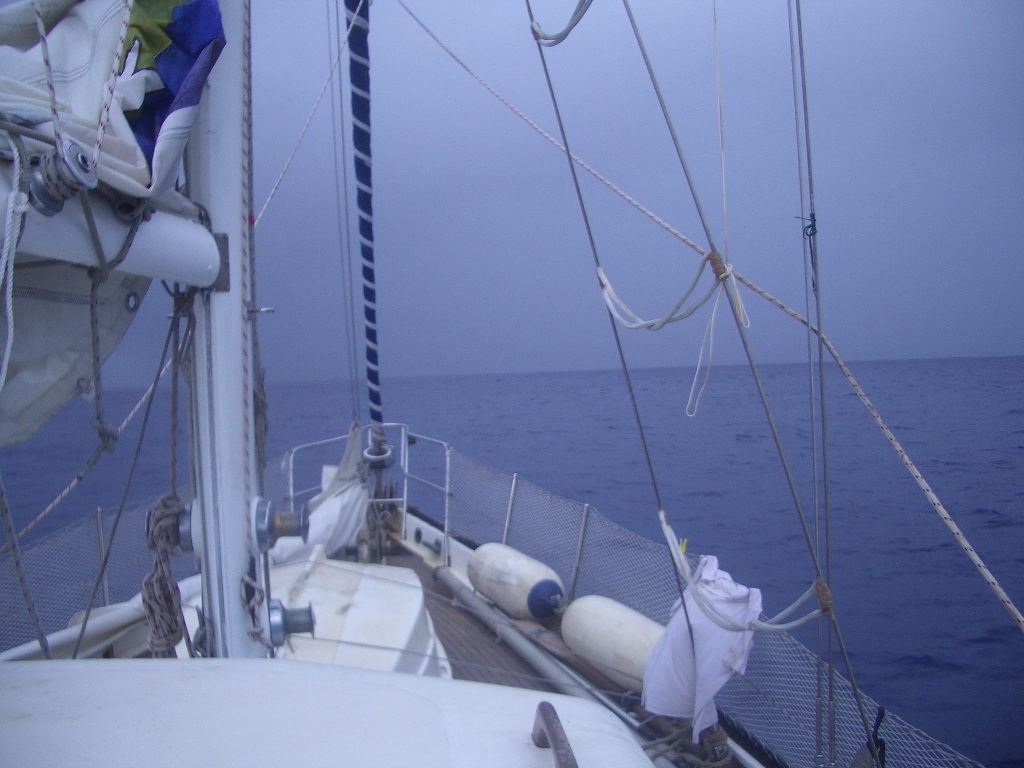
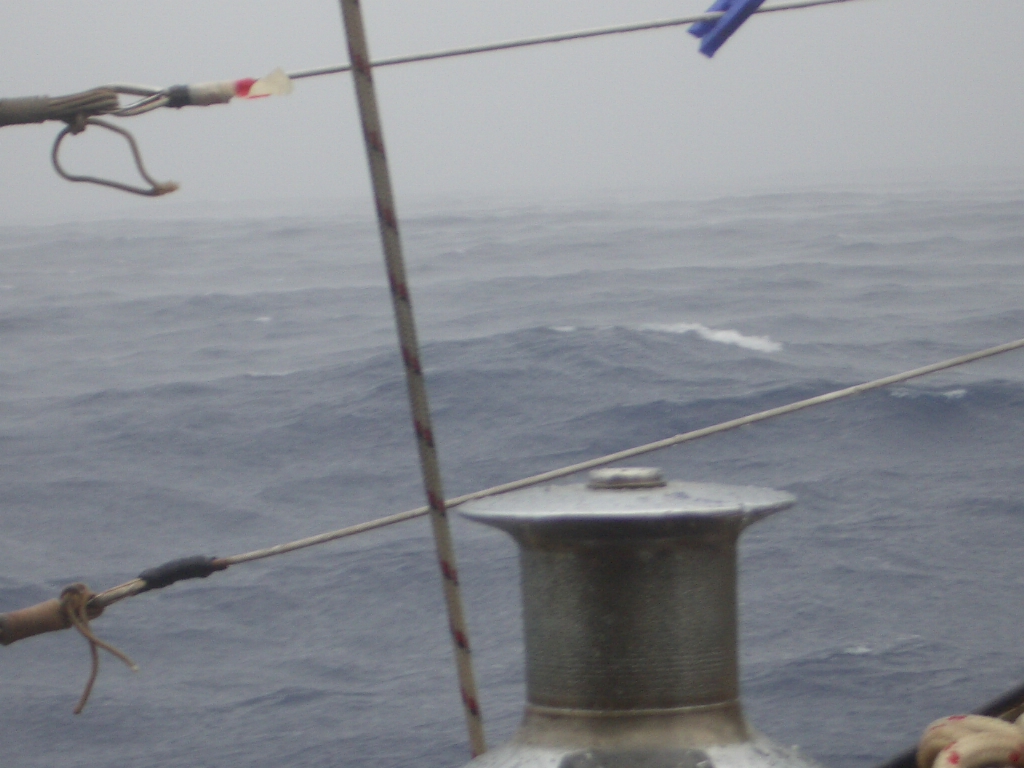
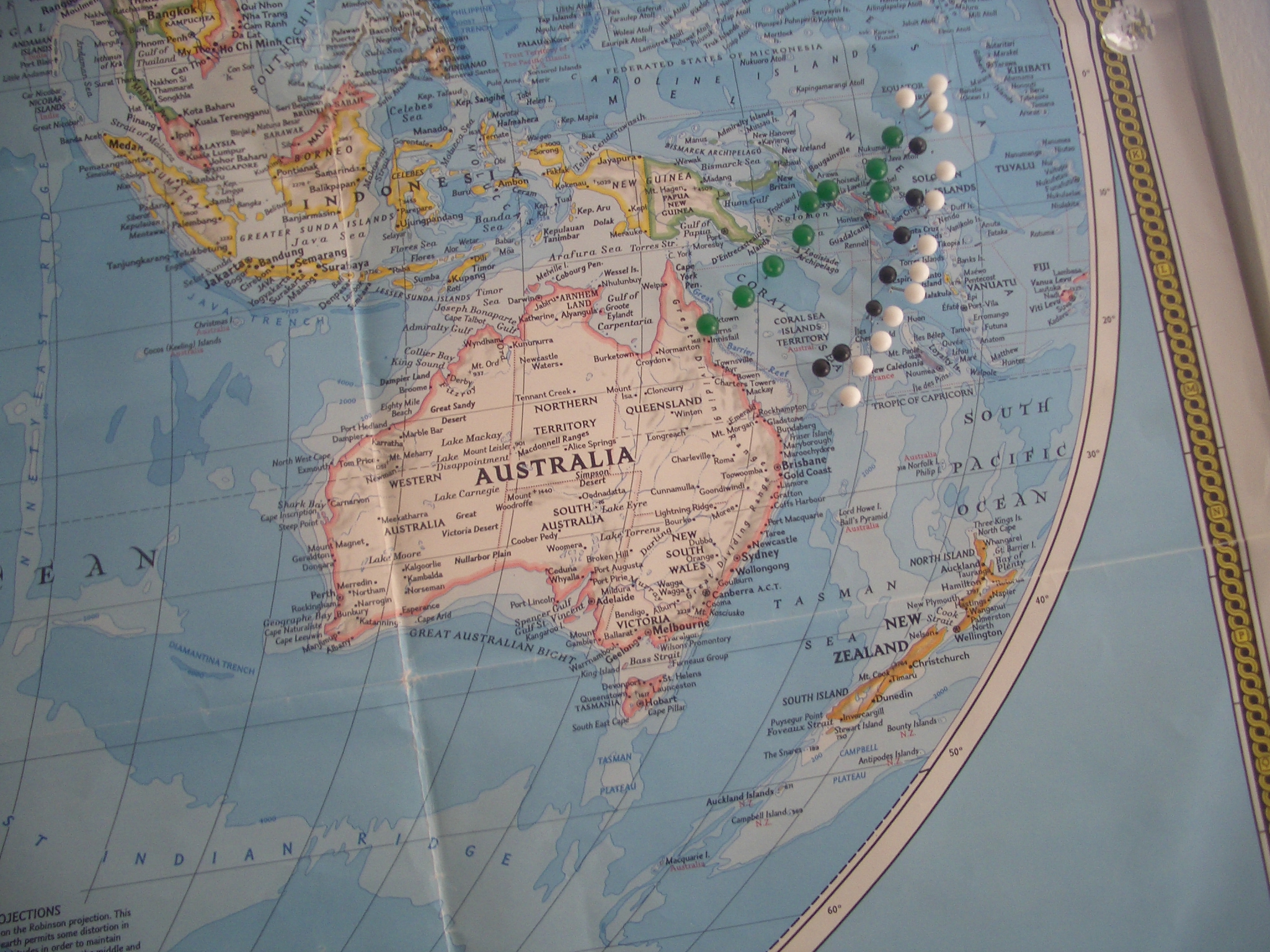
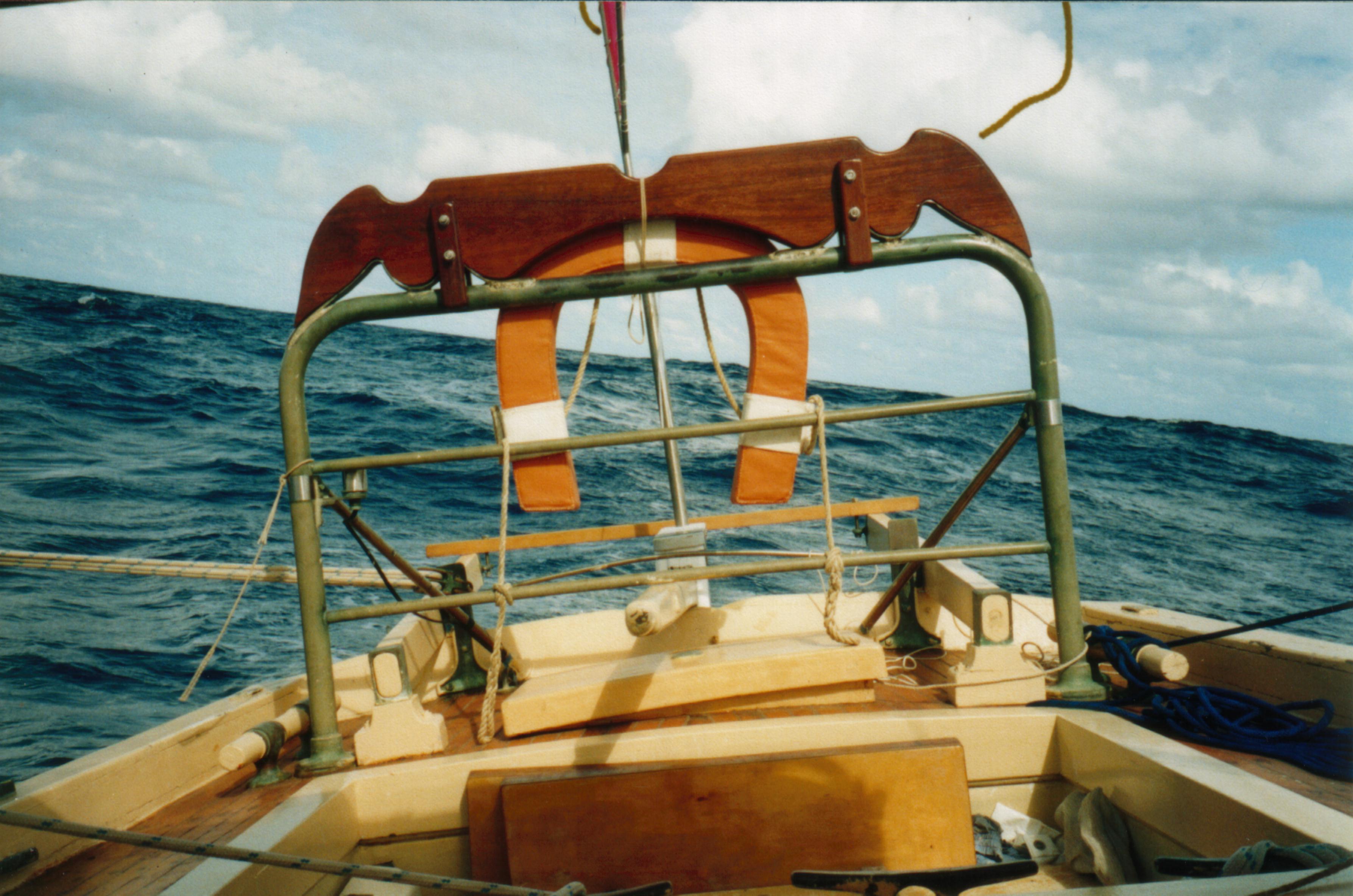
My own list was never written. It unfolded quietly, without permission. One day it became a voyage — a small flotilla bound for Nauru, its sails stitched from conscience rather than canvas. I had never sailed before, but joined those who had — experienced skippers who trusted purpose as much as compass. We went not for glory, but to bear witness — to shame our own government into releasing those who had been forgotten.

We never reached the island. Navy boats met us on the horizon, their warnings slicing through wind and salt. We turned back, our message carried instead by waves and news wires. And somehow, impossibly, it worked: seventy-seven refugees were released. Not because we were powerful, but because the sea has a way of amplifying truth.

There were no medals at the end, no television crews waiting on shore. Just salt on our lips and a strange, enduring silence — the kind that follows when the world briefly tilts toward justice.

So when I see others chasing their “bucket lust,” when they pay for their Everest or their Rhine cruise, I remember how it felt to sail into the unknown with nothing to sell and everything to lose. That was the real summit — a crossing not upward, but outward, beyond the self and into something vast, unforgiving, and sacred.

Some journeys are not about ascent. They are about surrender — and the rare, salt-stung moments when the wind itself seems to whisper: You’ve already arrived.


Flotillas of Hope was a 2004 Australian humanitarian voyage protesting the offshore detention of asylum seekers on Nauru. Although the boats were turned back by naval patrols, the action drew international attention — and soon after, of the hundreds detained, seventy-seven refugees were released.


Near Shore, Far Out

October 1, 2025

I keep reading about experienced sailors dying close to shore. Not in the middle of the Pacific, not after months at sea — but within sight of land. And each time, something stirs uneasily inside me.

Because I once sailed four thousand kilometres there and back to Nauru. And I had no experience. None. No yachtmaster’s ticket, no decades at the helm. Just a call, a cause, and an instinct that said: go.

I wasn’t alone, though — I joined experienced skippers and crew who knew the sea far better than I did. My leap was into their world, not a solo crossing.

At the time, it felt like courage, or maybe necessity. Looking back now, it feels different. It feels like standing on the edge of a cliff without knowing if the parachute on my back would open. I tremble at the thought. I used Astrology for both my horoscope and the horoscope of the Flotillas of Hope to justify the decision to send the Call to Action to Nauru. To justify my, now in retrospect – my need, to stretch my ‘being’.

But here’s the truth: trembling in hindsight is not the same as folly at the time. What we see later is always coloured by what we know now. Back then, I lived as I always have — by leaps. Leaps into the unknown, trusting that my Guardian Angel working behind the scenes of life would catch me.

Others trained, charted, prepared. I leapt. And somehow, I survived. Not because I was wise, not because I was skilled, but because something — call it fate, protection, or really that Angel — carried me through.

Now, when I hear of sailors lost near shore, my heart aches. It reminds me that the sea has no favourites, and that my survival was never guaranteed. It humbles me. It makes me bow my head, not boast.

But it also tells me something else: my life has always been this way. Not straight, not cautious, but here, there and anywhere. Risk and recovery, fall and renewal. And even the trembling I feel now is part of the me that survived — the deepening that comes after the leap.


America After the Threshold: Resistance, Power, and the Divided Republic

June 21, 2025

I play around with Astrology not because I believe that Stars and Planets direct or control events in personal lives or global political events. I think there are invisible concurrent events in the collective unconscious of humanity. So, rather than causation I think there may be a correlation between invisible unconscious movements and the celestial. So, how do we ‘see’ these invisible vibrations? Through symbolism. Just like our dreams may be symbolic of events I think the archetypal symbolism as shown through various systems that assist the invisible to become visible may also be symbolic of events.

So, this is just my reading of symbols that may help me make some sense of the incredible events happening now.

=========================================================

We are now living in a new chapter of American history. We are also living in a new chapter in Global history.

With Donald Trump inaugurated for a second term in January 2025, the United States has entered uncharted and deeply polarized territory. The promises made on the campaign trail are no longer rhetoric—they are rapidly becoming reality.

Mass deportations have begun, with ICE and other federal agencies empowered to conduct wide-scale raids that tear families apart. Sanctuary cities face threats of defunding or legal dismantling. Journalists and political opponents are under open scrutiny. The line between democratic governance and authoritarian rule is blurring in real time.

Trump’s team has already invoked or signaled the potential use of the Insurrection Act to quell dissent, and floated the Alien Enemies Act as a tool to target immigrants. These aren’t theoretical threats—they are moves drawn from a growing authoritarian playbook that challenge foundational American principles. I hear the hum of fascism. Was it the same hum heard just as Nazis took over Germany?

What happens now, as resistance begins to emerge more openly? In blue cities and states, governors and mayors are testing the limits of federal defiance. Communities are organizing, shielding vulnerable members from raids, launching legal battles, and reviving underground networks of care and dissent. But will such resistance provoke a federal crackdown? Will the desire to restore “order” become the pretext for escalated force?

Beneath the policy headlines, a deeper fracture is becoming undeniable. Two Americas are crystallizing—not just politically, but almost civilizationally. On one side, a multiracial, urban, forward-looking nation trying to hold on to democracy. On the other, a reactionary movement rooted in grievance, nostalgia, and power consolidation. The social, legal, and cultural divide is widening into something more dangerous—something that history warns us about.

The last time America reached this level of internal rupture, it exploded into civil war. That memory, often romanticized or dismissed, is beginning to feel less like history and more like a warning flare.

Astrology, often dismissed by the rational mind, provides a fascinating lens for examining recurring historical cycles. The planetary alignments of 2025 bear striking echoes of those in 1859–1861, just before the Civil War began. Let’s explore how the skies may be mirroring our collective crisis.


Astrological Forecast: Echoes of the Past, Portents for the Present (Mid–Late 2025)

Astrologically, 2025 is charged with revolutionary tension. We are living under skies that call for transformation—and test the foundations of nations.

Pluto in Aquarius (2023–2043): Revolution of Power and Structure

Pluto’s move into Aquarius signals the collapse and reconstruction of collective systems. In 2025, its early degrees are already pressuring global power structures, exposing the authoritarian use of technology and the manipulation of mass movements.

The last time Pluto was here was during the American and French Revolutions. The questions return: What is freedom? Who holds power over the collective?

Uranus in Taurus square Pluto in Aquarius (Exact October 2025)

This rare clash between Uranus and Pluto is the year’s seismic pulse. Uranus disrupts; Pluto transforms. When they square off, systems collapse and something entirely new begins to rise.

Expect:

  • Economic unrest (currency shocks, digital bank failures)
  • Technological rebellions (AI regulation backlash, digital sabotage)
  • Civil disobedience on a mass scale, potentially met with federal force.

This square recalls the Uranus–Pluto conjunction of the 1960s—a time of protest, civil rights, and violent backlash.

Neptune at 29° Pisces: The Fog Before the Storm

Neptune now lingers at the final degree of Pisces—the anaretic degree, also known as the “degree of fate.” This amplifies illusion, spiritual yearning, and mass deception.

We may see:

  • Propaganda disguised as truth
  • Escalation of conspiracy cults
  • Emotional and spiritual burnout

But also a search for meaning, for soul, for deeper truth.

Saturn in Pisces: Holding the Line

Saturn seeks structure in Pisces’ oceanic waters. It teaches quiet endurance, inner anchoring, and the need to build unseen resilience. Its presence here stabilizes those working in dreams, healing, and faith. But it also punishes denial and escapism.

The Shadow of the U.S. Pluto Return

Although exact in 2022, the aftershocks of America’s Pluto return are reverberating through 2025. The old system is dying—but what is being born remains uncertain.

The Pluto return marks the end of a cycle begun in 1776. The soul of the republic is on the line. The soul of United States of America is on the line. Is there a crack along that line?


Forecast by Season: June to December 2025

▶ June–August

  • Mass protests and resistance movements gain momentum.
  • Economic strain begins to show: housing pressure, job insecurity, localized shortages.
  • Escalation of federal actions draws international scrutiny.

▶ September–October

  • Uranus square Pluto hits exact. Expect sudden, disruptive events: blackouts, market drops, tech collapses, or policy overreach.
  • Civil disobedience may meet aggressive federal pushback.
  • Courts, especially the Supreme Court, become major flashpoints.

▶ November–December

  • Neptune’s final passage through Pisces intensifies the search for clarity. Expect scandals, revelations, spiritual awakenings, and psychological fatigue.
  • Possibility of a cultural or symbolic turning point.
  • Saturn begins to separate from Neptune, helping us rebuild from the emotional wreckage.

Conclusion: What Now?

We are living through a slow earthquake. The world as we knew it is not returning. But destruction and renewal are twins. The astrology of this era asks each of us to become participants, not spectators, in the unfolding of history.

If history is written in cycles, then perhaps prophecy is found in pattern. And if the stars are a mirror, they are reflecting our choices back to us.

The question isn’t whether the storm is coming.

It’s who we choose to become within it.


Inner Peace vs. Outer Chaos: A Tale of Serenity and Struggle

July 27, 2024

Below is something I wrote a some years ago after bumping into a friend I hadn’t seen for a long time. The feelings expressed, I think, are just as relevant today as they were then, when I, along with others, was preparing for the Woomera Action in Easter, 2002 with Hope Caravan. 

ABC iView (Australia) has a series called “I Was Actually There” which includes an episode on Woomera, 2002.

So I thought I’d rewrite this earlier post for today.

===================================================================

“Serenity and Struggle: A Tale of Inner Peace vs. Outer Chaos”

When I saw him yesterday, he seemed to radiate a serene contentment. Sitting in a half lotus position on his sofa, his bare feet intertwined, he exuded tranquility. The mandala tattoo just above his ankle harmonized perfectly with the diamond-shaped crystal hanging from his neck. We shared some green tea, and he smiled gently as he closed the book he was reading.

He was an old friend, someone I hadn’t seen in ages. In the time apart, our paths had diverged dramatically. He had discovered spiritual bliss, while I continued to grapple with finding peace. He spoke of inner tranquility, whereas I confessed to enduring inner turmoil. His spiritual battles were over; mine felt never-ending.

“You’re caught in duality,” he remarked with a seemingly humble smile. “You think you can change the world, but the only thing you can truly change is yourself.”

He was referring to my plea for him to join me in action—to support those who are voiceless and powerless. I had invited him to participate in the Festival of Freedoms at Woomera during Easter 2002, to stand up for the refugees trapped in Australia’s detention centers.

I responded, “But what if my sense of self extends beyond my physical body? What if it encompasses the whole planet? When I witness suffering and injustice, it feels as though it’s happening within me.”

He laughed, “Well, in that case, your ego is bigger than mine!”

Adjusting his posture, he let his leg fall straight over the side of the sofa, leaning forward with his elbows on his knees. The crystal around his neck swayed like a pendulum between us. Incense smoke spiraled upwards from the joss stick burning on the coffee table.

I could see his point but it didn’t sit right with me. “Ego, big or small, will always be there. Tell me, what would you do if your neighbor’s house was burning down? Would you ignore it because your house is fine?”

“I would help extinguish the fire immediately. But for me, the plight of refugees and distant wars are beyond my control. I seek inner peace through meditation, believing it will ultimately benefit the world more than any protest or action. True change begins within. Your protests add more noise to the chaos. By creating an oasis of silence and peace within, you contribute more profoundly than by facing the razor wire of the camps. Change yourself—that’s all you need to do.”

He sipped his tea and stared intently at me, or perhaps at the space between my eyes—the so-called third eye. I couldn’t tell, but his gaze carried an intensity, as if he was trying to shift my perspective with his energy. He was kidding himself if he thought he could.

Yes, our paths had diverged. While I understood the importance of inner work and its impact on the outer world, I couldn’t accept withdrawing into personal peace while others suffered. Can one carry the inner “oasis of silence” into the world’s places of sorrow and injustice, to share that peace? I wondered.


Draft of First Chapter of a Book I’m Writing

June 5, 2024

I know this is unusual for a writer to post a draft of a first chapter of a book they are writing. As those who write know, writing is lonely. I’m about 3/4 of the way through with the first draft of my book and I have no idea how it will be received. It is based on my trip to Turkey looking for people who knew or are related to my grandparents who were Pontic Greek refugees during the holocaust in Turkey in the 1920’s. Let me know what you think in the comments area. By the way – Papou means grandfather and Yiayia means grandmother in Greek.

====================================================

“You can’t go there! You’d be crazy to go,” he grabbed the towel on the chair and wiped his face, “This is not Australia; this is Greece, and you want to go to the village where your family was massacred in Turkey!” He cocked his eyebrow and wiped the corner of his mouth with his finger. We were in the kitchen. Light streamed through the window, leaving a vivid white patch on the tablecloth.

He leaned towards me with specks of sawdust in his hair. He said,

“Why go there? You can have a holiday anywhere but want to go to Bafra. Do you know how far it’s from Constantinople?”

His singlet was sweaty, and his boots and pants were spattered with cement. He sat on the fruit box, tugged at his shoes, and placed them beside the broom.

How do I explain my motives to Taki? I flew from Australia, and now, after over 40 years, I am back in my birthplace, Yannina, Greece. I wasn’t always going to be so late returning to where I was born, but raising kids and lacking money meant I couldn’t go. My father’s death made it possible for me to return from the Great Southern Land to Greece. I was a late prodigal son, now a stranger and not a son.

We migrated from Greece when I was four years old. All my memories and pictures are of a child – rolling down a hill, the log bridge I crawled across so small and scared, stuffing olive seeds down holes in the floor. My father’s recent death shocked me into looking at my life. The hourglass sand days and moments flipped over. Thoughts were framed with death, the fence around life. But after that, what? I couldn’t think of a better place to be than on the Holy Mountain celebrating Easter with these and other questions, breaking bread with monks.

“Look, I understand…..you don’t want me to get hurt,” I said

“Hurt! That’s what you call it. Hurt? I don’t want you killed! Are you stupid or what? If you go to Bafra, my dear cousin, you will either be killed or bashed to a pulp. Same thing. It’s that simple.”

He knew that as a fact.

I meticulously planned my journey from my home in Sydney over many years, studying a world map. My gaze lingered over Asia Minor and Greece, retracing the paths of my ancestry, both in blood and spirit. Countless times, my finger traced along this route. First, it pressed upon Athens, then Patras, followed by Yannina, and further to the Holy Mountain. From there, finger by finger,  it went towards Turkey, Syria, Jordan, Israel, Mount Sinai, Cairo, and back to Athens for my return. Later, I would repeat this ritual on the computer, using a cursor and a click to delve into the two-dimensional world of maps. It was a voyage of dreams, one I had envisioned for years.

Upon learning that my mother was the child of refugees, the desire to visit the land from which my grandparents had escaped grew within me. I was born in Greece to a Pontic Greek mother and a mainland Greek father. My mother seldom spoke of her heritage, save for a few passing remarks, like, “If you think Aboriginal people are mistreated, you should have seen how we were treated in Greece!” Whenever I asked her to elaborate, she would sidestep the question. Thus, I lacked a label for my identity for the longest time — I was Greek. That was it. Until much later, I discovered I was a Pontic Greek because my mother was Pontian.

After migrating to Australia, I never had the chance to see my grandparents again. We departed Greece when I was four years old. While my father’s parents perished at the hands of the Nazis during World War II, my mother’s parents were alive when I came into this world. Turkish was the initial language that enveloped me from birth until age four. I learned this recently. My mother informed me that the Greek government had made it illegal for Greek refugees from Turkey to speak Turkish, insisting they only use Greek. It must have been a challenge if they didn’t know the language. Nevertheless, in the village of my birth, predominantly inhabited by refugees from Turkey, Turkish was spoken within the confines of the home, only giving way to Greek when outsiders visited.

So, why were there Greek refugees from Turkey? My mother never disclosed the details. Even my father remained silent on the matter. Thus, I knew nothing about the Greek Holocaust until much later in life. My mother either didn’t wish to divulge the information or was unaware. As the youngest, she wasn’t born when my grandparents fled Turkey.

“Taki, I simply want to look at the village where our grandparents resided before they were forced to flee Turkey. It’s been over 80 years since that happened! I yearn to find someone who knew them. Everyone in our family perished in Turkey, except for our grandparents. I’m curious to witness that place. I never had the opportunity to know my grandparents as you have. My parents whisked me away to Australia when I was a mere four years old. I spent my days on the opposite side of the planet, growing up and becoming a father. This morning, I finally visited Papou’s and Yiayia’s graves. And that’s precisely why I’m bound for Bafra—to connect with my ancestral roots.”

I couldn’t reveal to him that my journey harboured other destinations and motives, such as Konya in Anatolia, where I wished to pay homage to Rumi, the Sufi saint. I feared that if I disclosed this, he would utterly panic and misconstrue my intentions. In his eyes, being Greek equated to being an Orthodox Christian, and displaying any interest in Islam aroused suspicion. It pressed all the wrong buttons.

“Ah, Stavro, you think like an Australian, but history intertwines whether you like it here. One glimpse of you, and they’ll recognize you as a Greek. Then, that’s it…you become a marked man.”

I took a seat at the table, the coffee still steaming. Taki settled across from me. “What’s this? I’ve toiled all day under the scorching sun, constructing a chicken shed, and you haven’t offered me a cup of coffee!” He grinned.

I poured him a coffee. His slender hand clasped the small, white cup while his other hand gently tapped the tablecloth in rhythm with the melodies wafting from the adjacent lounge room.

“So, is this the reason you have yet to embark on your journey to Bafra to see the homeland of our grandparents? It’s just a few days away by train and bus, yet you haven’t set foot there? I find it hard to believe that you lack the curiosity to see where they came from.”

“That’s the thing. Turks in Constantinople are tolerable; they’re city folks. But beyond the city, in the small towns and villages, Greeks face peril. Bafra, a small town on the Black Sea coast, lies over a thousand miles from the city. You don’t speak Turkish, and you can’t disguise the fact that you’re Greek. I don’t know if they still rely on donkeys and horses for transportation. You’re venturing into history, into suffering, into genocide. It’s perilous for a Greek, and there won’t be any tourists or travellers because there’s nothing to entice them. So, you’ll be on your own. Anything could befall you—imprisonment, remember the movie ‘Midnight Express’? And no one will come to your aid. I can’t think of anything more foolish than spending your vacation on that.”

“You forget one thing—I’m Australian. That’s what my passport says. Even if I don’t meet anyone, at least I can return to Australia with a collection of photographs depicting the area. Honestly, Taki, I believe you worry too much,” I remarked.

“How do you expect to find someone connected to our grandparents? You don’t have an address, you can’t speak Turkish, and no soul speaks English or Greek where you’re heading. You’re a Christian, they’re Muslim—remember, their ancestors massacred Greeks and Armenians by the millions. You do not understand what you’re getting yourself into, and I can’t bear the thought of not warning you.”

“I won’t be undertaking this journey alone.”

“What do you mean? Who’s accompanying you?”

“Well, I’ll depart for Easter for the Holy Mountain in a few days. Being there will guide me to someone who knew our grandparents, even if I can’t speak Turkish.”

“What? Will praying alongside monks in a monastery assist you in achieving your goal? Are you serious? You’re out of your mind. I had no idea you were a religious man.”

“I’m not religious if you measure it by church attendance. Besides, I had planned to visit the Holy Mountain with my father before he passed away, and now seems like the perfect time to fulfil his wish. I believe that extraordinary things can happen, and since I only have myself, why not seek the support of others who may aid me in some way? I believe that merely being on the Holy Mountain for Easter will help my desire come to fruition.”

“I don’t understand you. You’re an educated man—the first in our family to obtain a university degree. You use computers and hold a respectable job with great responsibility in Australia. How can you believe in superstitious nonsense like God, prayer, and the notion that Mount Athos and its monks hold any value? How can monks on a mountaintop in Greece assist you in Turkey? These are the things peasants or,” he widened his eyes, “madmen believe in!”

While I wasn’t a regular churchgoer, the word ‘pilgrim’ resonated with me more than ‘tourist.’ Pilgrims embark on a personal quest for truth regardless of faith or belief. I sought truth, and I craved tangible evidence of that truth. Was I a sceptical pilgrim? Was I a doubting Thomas with time on his hands?

“Have you ever been to the Holy Mountain?” I inquired.

“No, and I never will set foot there. If I ever do visit, it’ll be a day trip as part of a tourist group—take some videos, snap a few photos, and maybe buy a souvenir. But there’s no way I’ll ever spend the night and sleep there.”

“Why is that?”

“It’s those monks. They possess powers—they can see right through you. I’ve heard that once you converse with a monk from Mount Athos, they see your lies. You know, as if they have X-ray vision into your soul.”

“The X-ray eye? I’ve heard of the evil eye, but is that its reverse? You’re afraid of something you don’t even believe in.”

“Just because they possess powers doesn’t mean they converse with angels and grapple with demons. They are formidable men, and I don’t want any man peering into my soul,” he said.

“So, you’re suggesting their powers don’t come from God?”

“Nor the Devil.”

“Then where do they come from, if not God or the Devil?”

“They emanate from within themselves. How would I know? Look, there’s no way I would go to Mount Athos or Bafra. I can’t fathom your mind. You’d rather visit a monastery than Mykonos and its discos. And you’re alone—your wife is on the other side of the world—you’re on vacation. Enjoy yourself! You don’t even have a video camera! Being from Australia, everyone expects you to have money… You do have money, don’t you?”

“I have enough for my journey and to return to Australia.”

I displayed my discount watch from the supermarket. I pulled my inexpensive snap camera from my shoulder bag on the chair. “I don’t want to fret over possessions while I’m on the move. Besides, who would want to steal my watch or camera?” I chuckled.

“So, you’ve got it all figured out, huh? You want to be invisible, just like the common folks. Well, good luck with that,” he laughed.

He rose to freshen up and change.

“Tomorrow, I’ll be your tour guide. I want to take you to a special place—a wax museum showcasing the history between us and the Turks, created by the renowned Greek sculptor Pavlos Vrallis. The real history. You’ll see wax figures dressed as your grandfather and grandmother did when they arrived in 1922.”

“You know, I was in Constantinople a few months ago.”

“What? How was it?”

“Turkey was ravaged during the massive earthquake in 1999, just like Greece, but the Turks suffered even more. Many Greeks went over to lend a hand. What do you do when you witness 100,000 people perish next door? But sharing this doesn’t mean I share your enthusiasm for going to Bafra. I told you, a big city, a big heart— a small village, a small heart.”

“That’s nonsense. Do you realize we’re in a small town right now? Does that mean everyone here has a small heart? What about those monks with powers residing on an isolated mountaintop—do they possess small hearts? Do you believe that New York and London people have the biggest hearts?”

“You seem to have all the answers. Later, I’ll take you to my workshop. I want to show you some silverware I’ve been working on. I’m crafting the Passion of Christ in bronze for the local church.”

“You’re full of contradictions. You don’t believe in God and consider religious people foolish, yet you’re sculpting the life of Christ in bronze for a church!”

“There’s no contradiction. Priests want that image, and they pay me, and I make my living. I’ve been asked to make all sorts of designs by all sorts of people. To me, they’re all the same – paying customers. The local priest wants that design, and I give it to him for a price. It’s that simple. It puts bread on my table. So, yes, I suppose I can thank God for that!”

“Ah, Stavro! How good it is to see you this morning, to hug you!” she said, “I remember you as a baby. The last time I saw you was before you left for Australia. You crawled on the floor, picked up crumbs, and put them in your mouth. Along with the crumbs, you picked up some dirt. As you ate the bread, the dirt became mud, dribbling down the side of your mouth. Soon all your mouth was covered in mud!” She laughed between the tears. Yes, we were hungry…and now here you are, returned from Australia …a palikari!” she hugged and kissed me on my eyes, forehead and cheeks. She smelt of fine mint, “Come, let me see you,” she stepped back with her hands on her hips, her white hair in a neat bun on top of her head. She looked me up and down and broke into tears. We held each other. Demoklia was my aunt, Takis’ mother.

“Mother, he’s going to Turkey in a few days to visit Bafra,” he said half whispering.

She either did not hear him or decided to ignore it.

“You have so much to learn. Your mother didn’t tell you the whole story,” she said, taking my hand resting on the table. Her clasp was like a child’s, only a little more brittle, her hand warm and smooth.

“Did you know we prayed for you, my boy? Your family names were given to our priest and placed on the holy altar. We prayed for you and your family. Your father was a good man.” She bowed her head and crossed herself.

I looked forward to the time when I was not reminded of his death. She looked like an owl, with big glasses that made her eyes seem like saucers. Her white hair was parted in the middle, creating an oval frame straight down the centre. She was my mother’s older sister.

“Your mother was very young when she married. Yes, you were born when she was only 15. A baby is having a baby. We all loved you, and we played with you as a doll. But your mother doesn’t know all the stories, doesn’t know what happened in Turkey because she left to go to Australia. We heard the stories from your papou and yia yia, our father and mother.”

“I only knew my grandparents as a baby and can’t remember them. Now that my father has died, I wish to reclaim my Greek heritage.” I said.

“You have Greek parents, speak Greek, and are Orthodox—you have your heritage!” she smiled.

“I know, but I want to see where my grandparents came from. I want to breathe the air & stand on the ground they stood on.”

I don’t know how much your mother told you about your grandparents, so I’ll share what I know. She sat, hands clasped, leaning in, eyes locked on mine.

Your papou, a brave warrior. And your yiayia, equally courageous. They weren’t into that nationalist nonsense—neither Greek nor Turkish. Their fight was against injustice. When news reached the Greeks that the Turks were massacring our Armenian kin, the Greeks knew they’d be next. They armed themselves with guns, knives, any damn thing they could find. Those readying for battle fled to the hills and hid in caves. Sometimes, they’d venture to towns for supplies and clash with the Turks. But your papou and yiayia, stubborn as ever, stayed in the city despite the warnings of certain death.” She paused, raising her arms high, head held high. A sigh escaped her lips.

“One day,  Greeks were herded into St. George’s little church. Men, women, children, the old, the young—all corralled inside, then the church was set ablaze. They all perished. Greek homes turned to ash. Your grandparents’ house, too, went up in flames. As it burned, everyone fled, chased by Turks on horseback. When Elis, your yiayia’s sister, tried climbing out of the window, a Turk on horseback spotted her and yelled, ‘Too beautiful to burn and die!’ He snatched her up onto his horse. We know ’cause Nicholas, a family friend, hid nearby, half his body burnt, watched it all unfold from the bushes.”

Somehow, your grandparents found their way to the hills and took shelter in caves. After a while, your papou and some men ventured back to town for supplies. They found nothing but ruin—no Greeks in sight. They combed the church, remnants smouldering, smoke twirling in the air. People lay there—charred, some decapitated—their clothes tarnished by smoke and soot. All dead. As they turned to leave, footsteps and gunfire echoed. Your papou gunned down a Turk while they hurried back to the hills. Little did they know that what happened in Bafra would be happening throughout our land.

Soon after, Greeks in the hills and everywhere else embarked on a journey to Constantinople and then fled to mainland Greece as refugees.

“Mother, tell him ’bout yiayia feeding the children during their trek to Greece,” Taki interjected.

“Your yiayia, a remarkable woman,” she said. “One day, after weeks of marching, exhaustion clawing at them, parched and famished, they reached the outskirts of Constantinople. Their group, about thirty strong, stumbled upon a trickling creek offering fresh water. They made camp by that creek that night. No food but water to quench their thirst and a campfire to warm their weary bones.

Yiayia shared the children’s hunger and felt it deep within her gut. With a commanding voice, she called out, “Come, children! I have food for you. Come!” Rising to her feet, she waved her hands, beckoning the children to gather. Soon, seven young ones huddled around her. Before her, a bowl of water sat as the children settled cross-legged or on their knees. Steady as a rock, yiayia held the bowl while her gaze fixed upon them. She spoke, her voice filled with faith, “The Mother of God hasn’t forgotten us.” In her tattered coat, she rummaged, retrieving a small icon of Theotokos—the Mother of God. “This icon shall nourish us,” she declared. The children leaned in, eager for a glimpse. They beheld Mary cradling her child, Jesus. “It’s a sacred icon, capable of miracles. I shall pass it on to you. Kiss it, make the sign of the cross, then pass it along.” Yiayia raised the icon to her lips, pressed a tender kiss, crossed herself, and handed it to the children. Each child, wide-eyed with anticipation, peered at the tiny icon, kissed it, made the sign of the cross, and passed it to the next in the circle. When the icon returned to yiayia, the children’s faces glowed with hope. Yiayia raised the icon above her head, then lowered it gently toward the water-filled bowl, uttering a prayer. Immersed in prayer, she lifted and immersed the icon three times.

When the prayer ended, Yiayia carefully dried the icon with a corner of her dress, stowing it back in her coat. “Now, children, this water is food. Come and eat.” She allowed each child to take a few mouthfuls, and soon, all the nourishment vanished. For that night, the children were fed, their hunger appeased.

I asked, my voice filled with curiosity, “Was it truly food?”

Dimoklea smiled and replied, “Well, the children ceased their cries and complaints of hunger. So, what do you reckon?”

Silent and awestruck, I pondered. After a while, I uttered, “I’m going to Bafra. I must.”

“All right, you’re set on going. I see your mind will stay the same. Stubborn and determined, just like your grandfather. I shall give you something that might aid you in finding people who knew your grandparents in Turkey.”

She rose from her seat and left the kitchen. Our gazes met. Taki shrugged and shook his head. None of us knew what she had in mind. After a brief absence, she returned, clutching folded paper and a photograph.

“Take this photo of your grandmother,” she said. “Your resemblance is striking. Anyone can see it. And take this letter.”

“A letter? What’s in it?” I inquired.

“It’s in Turkish, a letter from your grandaunt, your grandmother’s sister,” she replied.

“I thought everyone in our family was killed in Turkey. How could yiayia receive a letter from her sister?”

“Ah, remember her sister whom a Turk snatched on horseback? You know the tale now, just as well as your cousins do, but they’re unaware of this letter.” She waved the letter in the air.

“So, you’re saying a grandaunt remained in Turkey and might still be alive?”

“I doubt she’s alive now, for that would mean she’s over 120 years old! No, there might be a family who knows her. In this letter to your yiayia, she said she’s married and has children, and one of her children wrote it for her.”

“Hold on, hold on. It’s all happening too quickly. How did yiayia know where to send the letter?” I asked, shock evident in my voice.

“Yiayia simply addressed it to Bafra with Elis’ name on the envelope. People know each other in a village, and that’s how your grandmother’s letter reached her sister.” She paused, ensuring she had our undivided attention. “Now, I’ll translate the letter from Turkish.” Opening the already yellowed paper, she began reading it in Turkish, sentence by sentence, translating it into Greek.

The essence of the letter conveyed her immense joy upon receiving yiayia’s letter. She spoke of kissing her eyes and forehead, embracing her. She acknowledged that life continues, and although she’s now a different person and a mother, deep in her heart, she knows her true identity.

“Now, the most crucial element of this letter is the address from which it was sent—Kafkas Hotel, Bafra. Take this letter and the photo. The photo will reveal the physical resemblance to your grandmother. At the same time, the letter, written in Turkish, will indicate whom you seek and why.”

My cousin approached to examine the letter and photo in my hand. I declared, “Already, I have a solid starting point in finding someone who knew Papa and Yiayia. I might even discover relatives!”
Taki chuckled. “Well, you might find someone, but it might not be pleasant.”

I gazed at the photo and saw a similarity in the contours of our faces. As I observed the handwritten Turkish script in the letter, I perceived it as a gateway to my heritage and lineage.


My Mother’s Anatolian Icon
December 19, 2023

On a quiet Sunday, December 10, 2023, my mother left this world. A cherished relic, once belonging to my grandmother, had become my mother’s dearest possession. It rested faithfully by her bedside, accompanied by the constant glow of an olive oil lamp, flickering day and night.

In her room, when I visited, she would present the icon for me to kiss and cross myself.

This icon held profound significance for my family, hailing from Pontic Greeks who endured the harrowing attempted genocide in the 1920s. Known as the Great Disaster among Greeks, my grandparents faced unspeakable challenges during their escape, carrying with them this sacred icon. In those trying times, my grandmother, a beacon of strength, invoked the Mother of God, Theotoko, for solace and sustenance.

Picture a group of weary children and adults, huddled around a fire by the roadside, hungry and desperate. My grandmother, with unwavering faith, would bring out the cherished icon. She urged the children to kiss it and make the sign of the cross. Then, with profound devotion, she raised the icon to the heavens, repeating the ritual three times—for the Father, the Son, and the Holy Ghost—beseeching Theotoko for divine intervention. Each time before she raised it to the star filled sky, she brought it back to her heart.

Amidst the crackling of the fire, my grandmother, holding the icon aloft, turned to share its grace with the circle of souls around her. She dipped the icon into a vessel of water three times, each motion filled with fervent prayer. As the icon emerged for the last time, she declared that the Mother of God had provided. The once-hungry children filled their cups, drank deeply, and found their hunger miraculously satisfied.

This faded icon, a witness to survival and faith, now holds a special place in my heart, connecting me to a resilient past and to my mother and her mother and to the Mother of God.

I’ve included this story in the book I’m writing which I am dedicating to my mother.

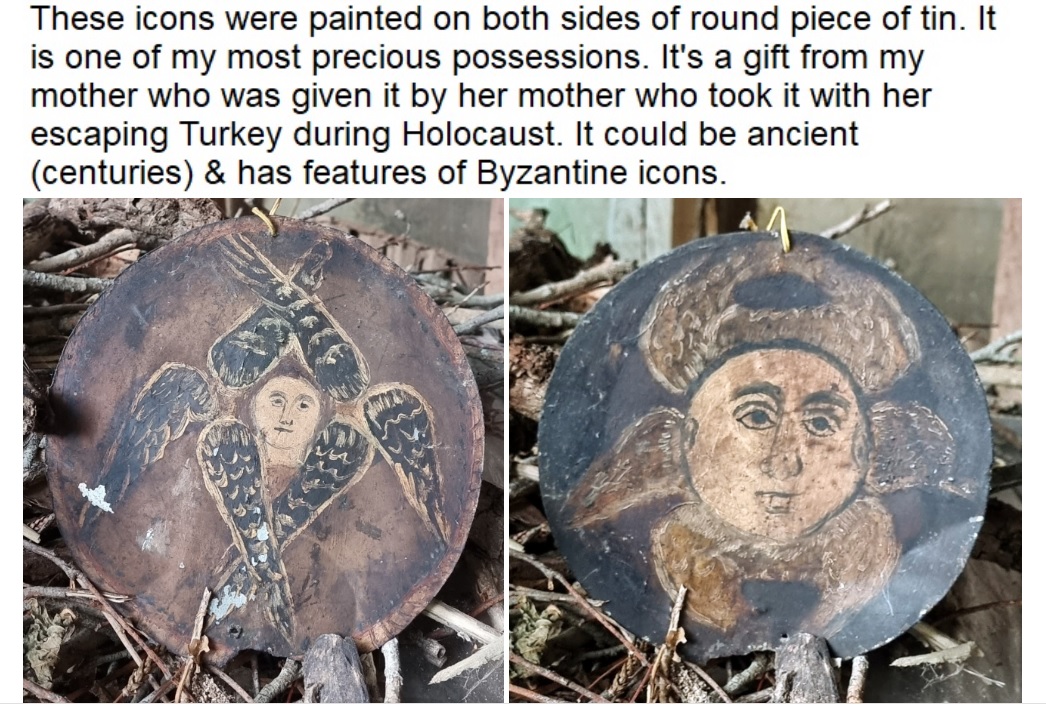
Below is a two faced icon also given to me by my mother. I thought I’d include it here. Found out through Twitter that it is a Byzantine Fan used in Liturgy and is called a ripidion, or hexapterygon.


Photos – Journey to Nauru & Solomon Islands

October 23, 2022

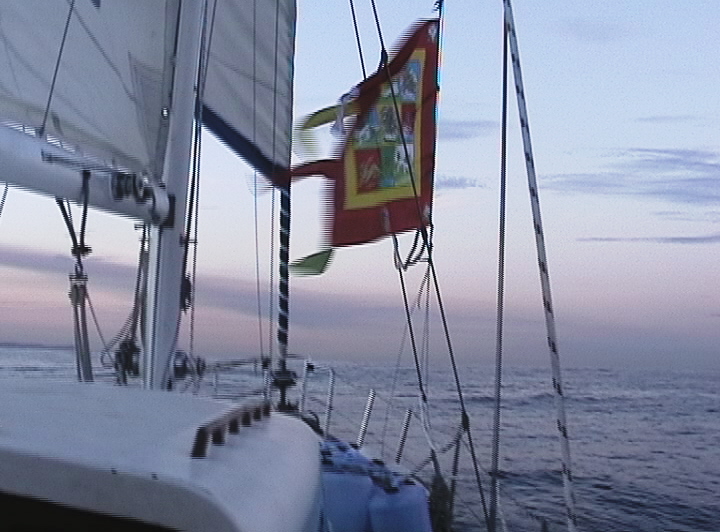
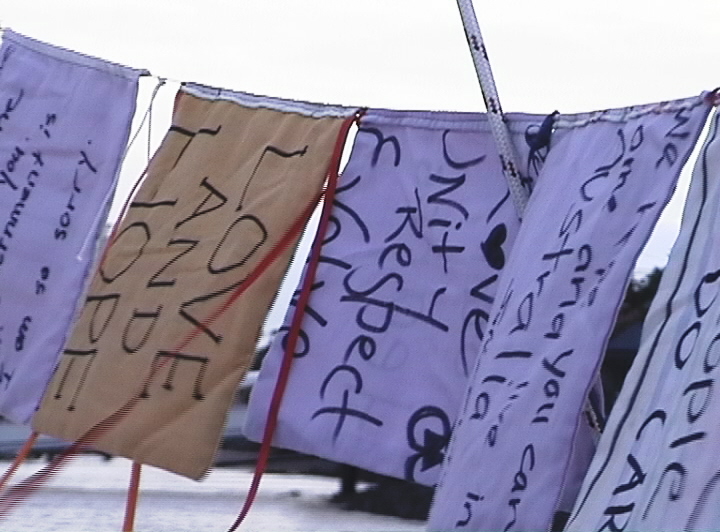
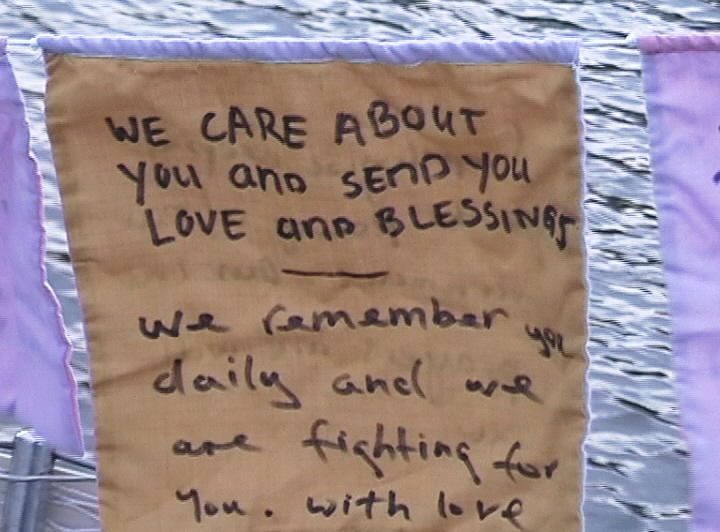
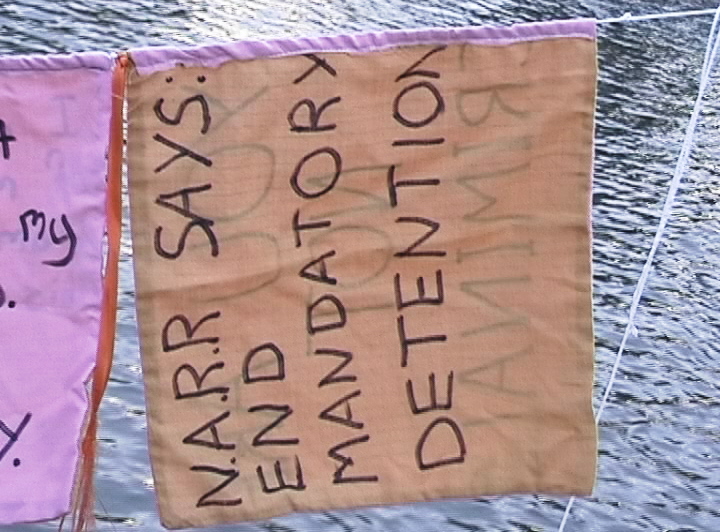
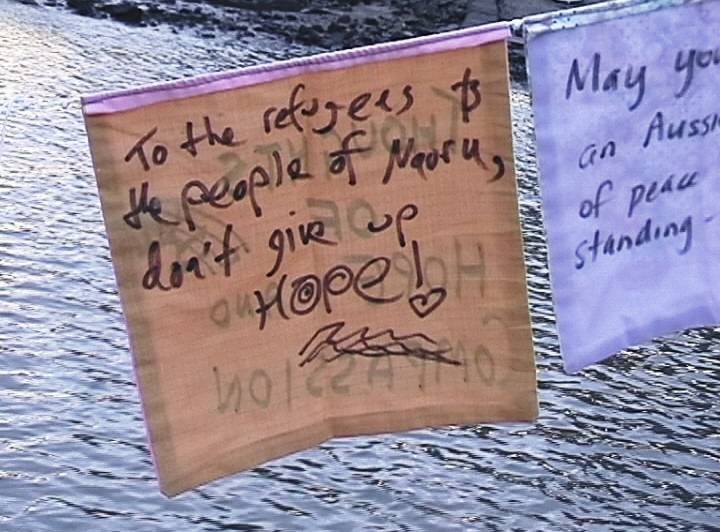
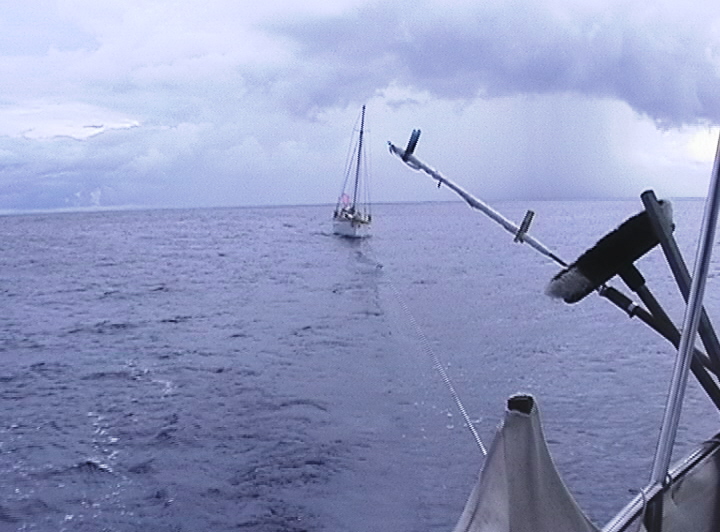
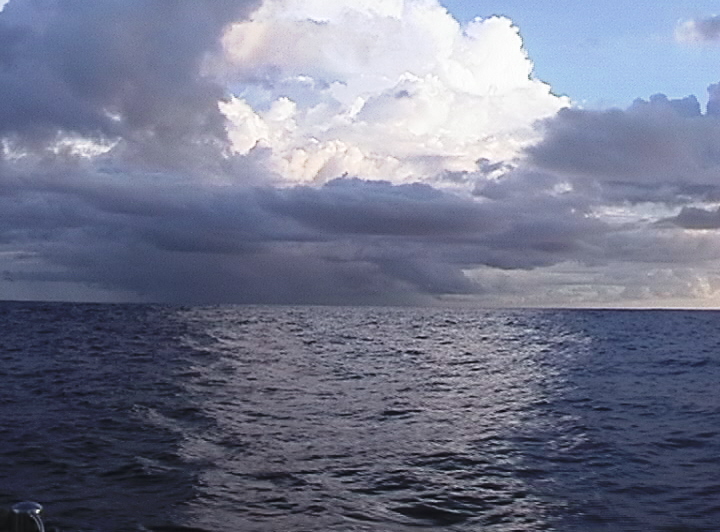
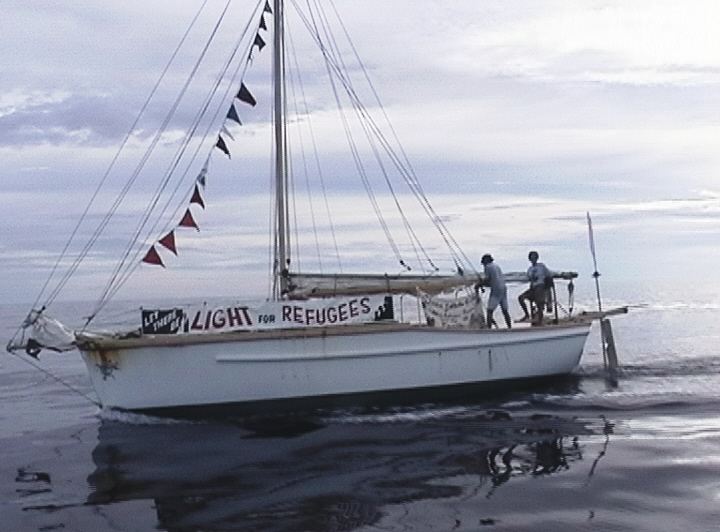
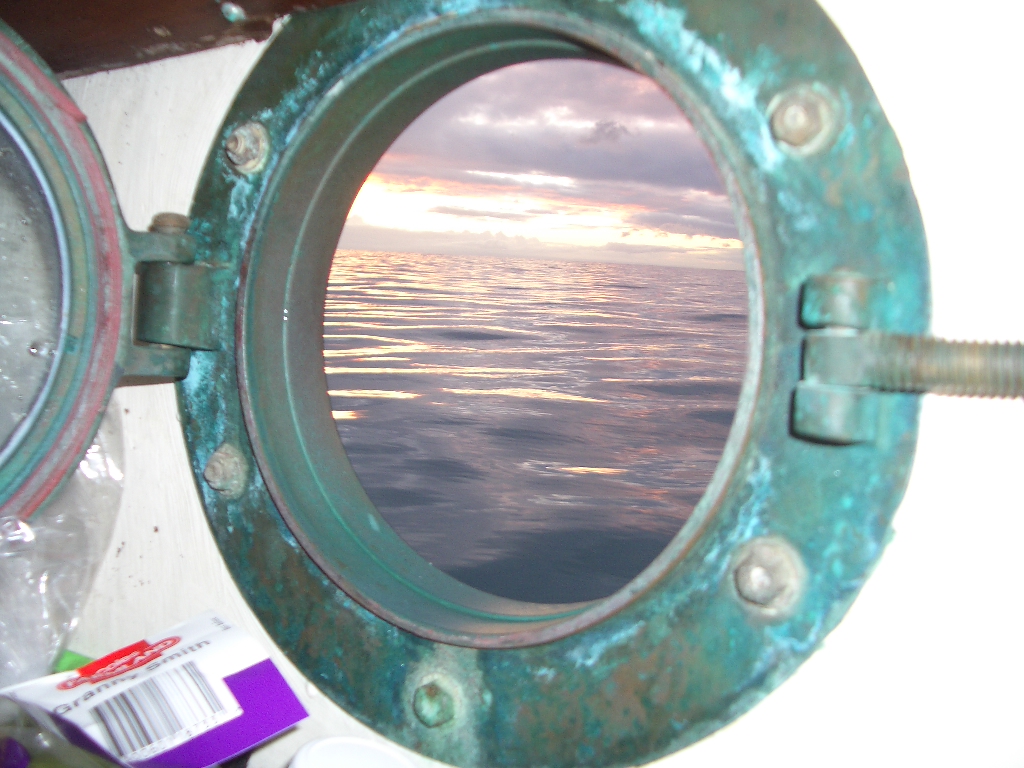
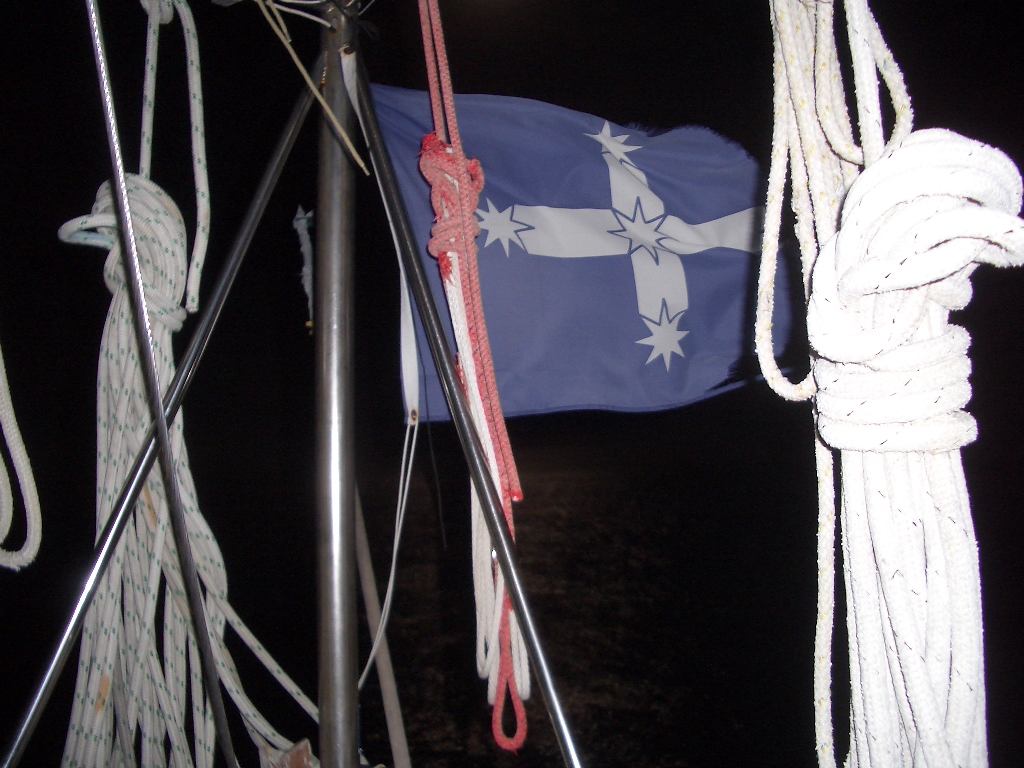
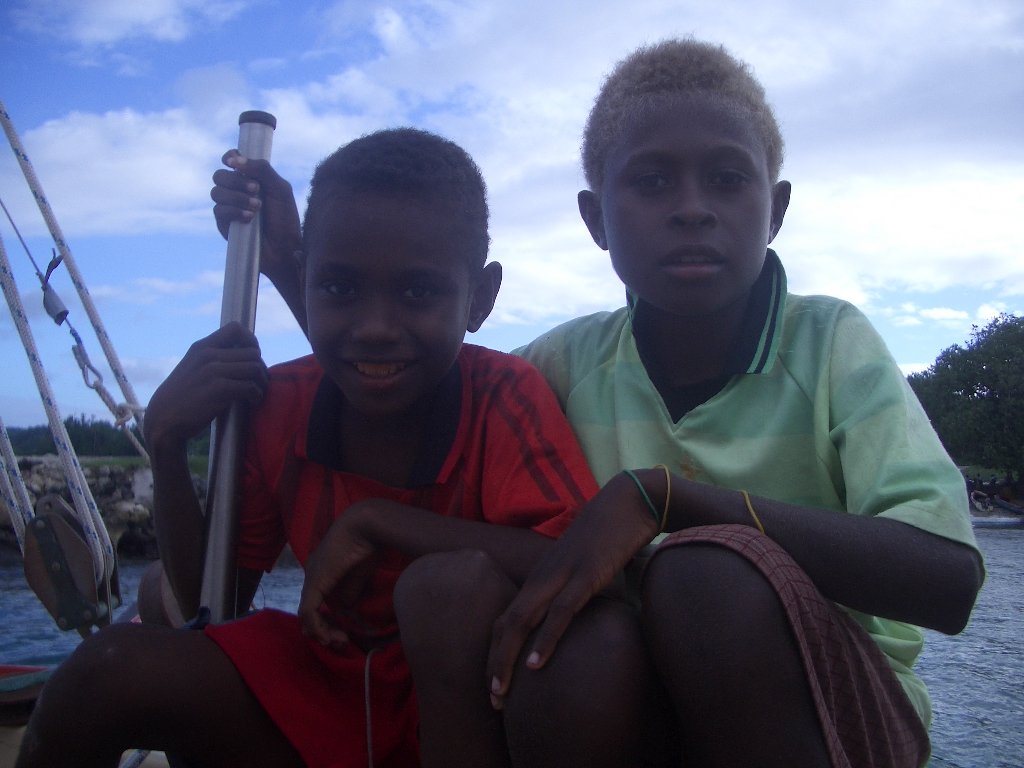
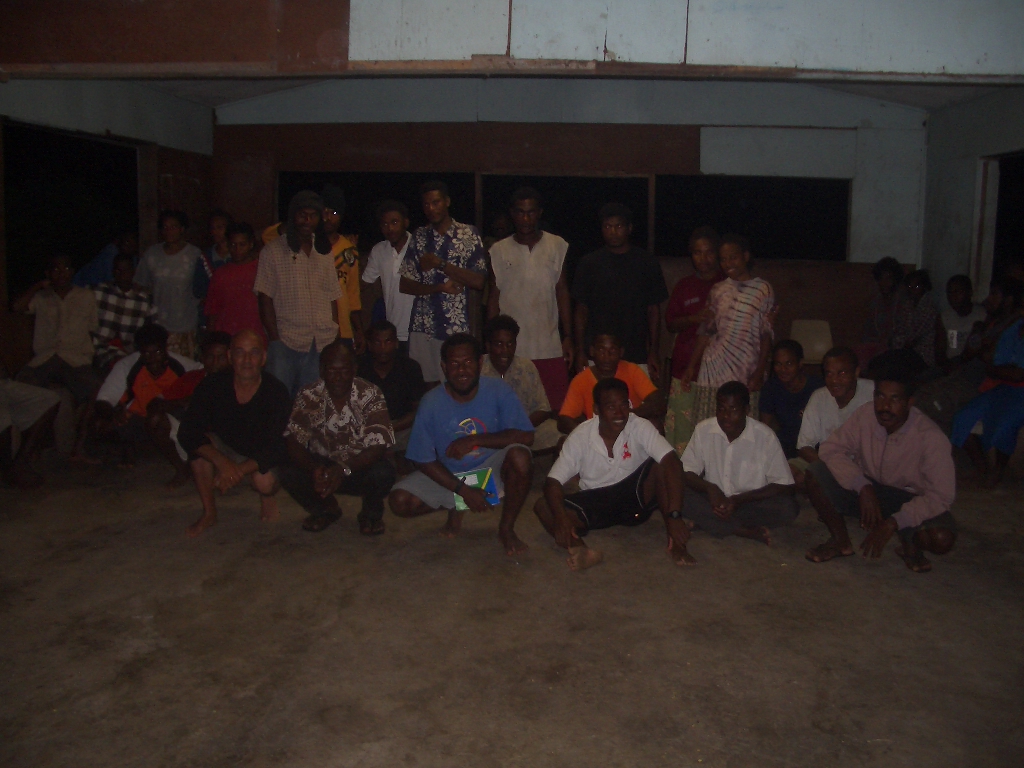
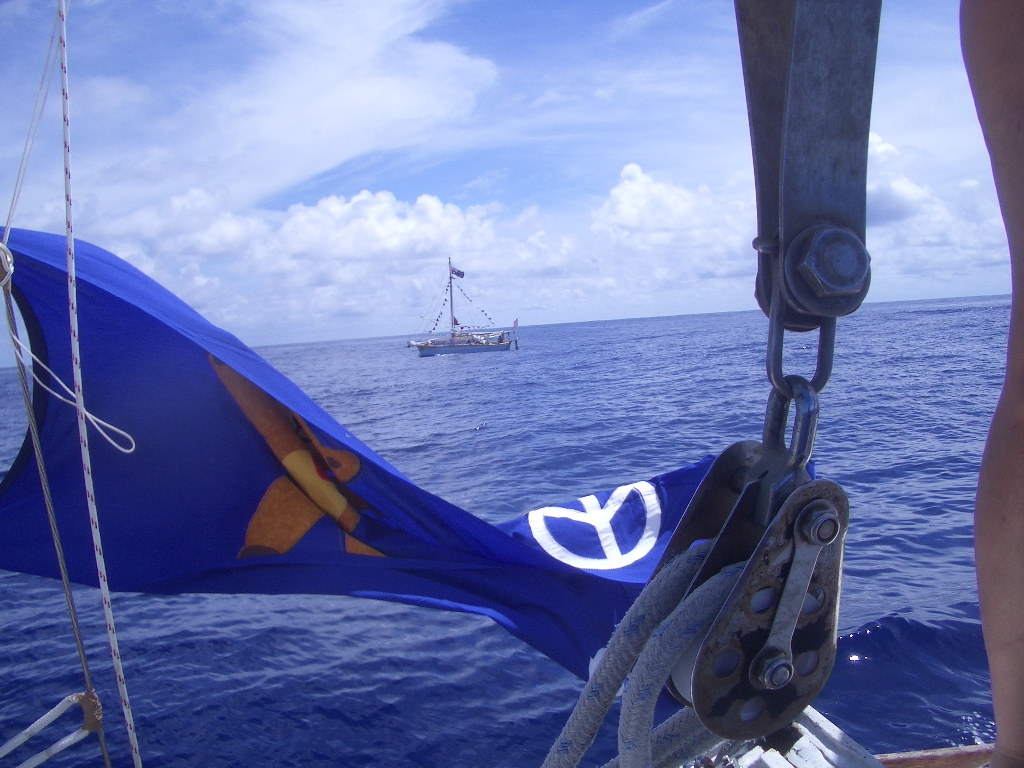
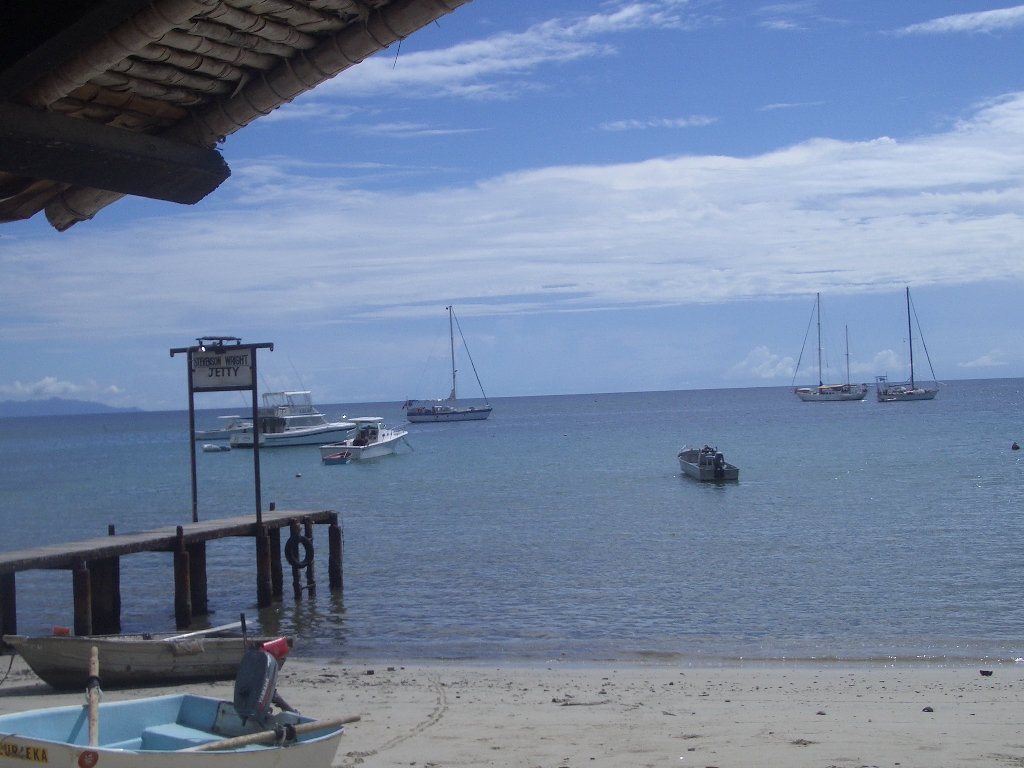
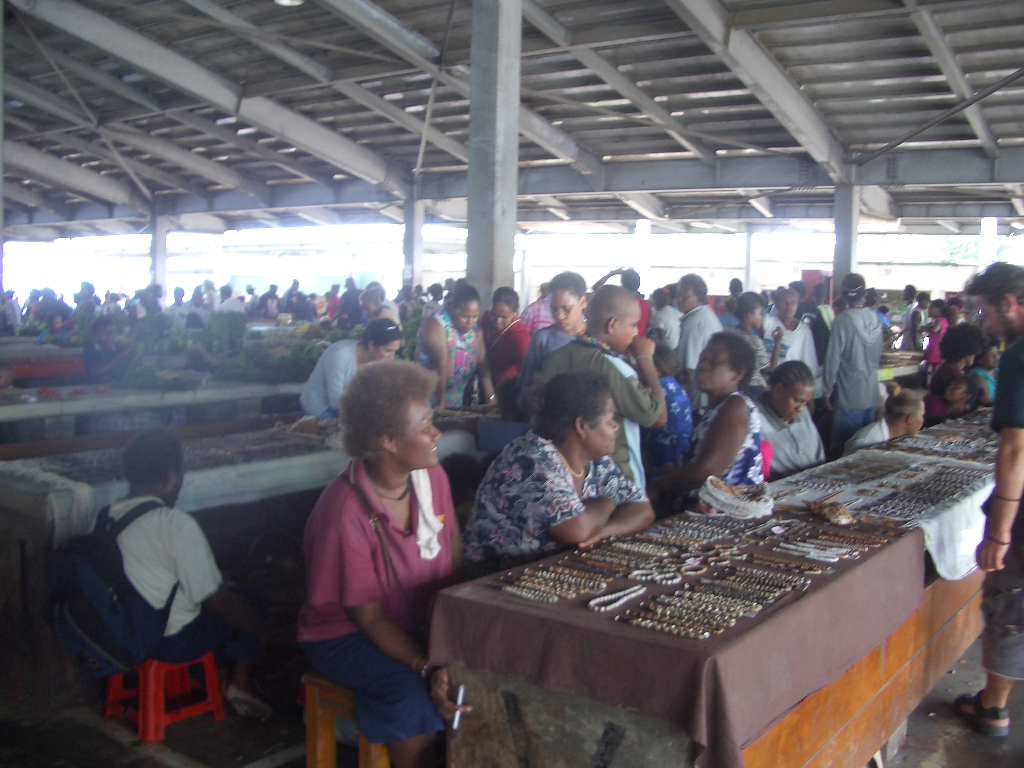
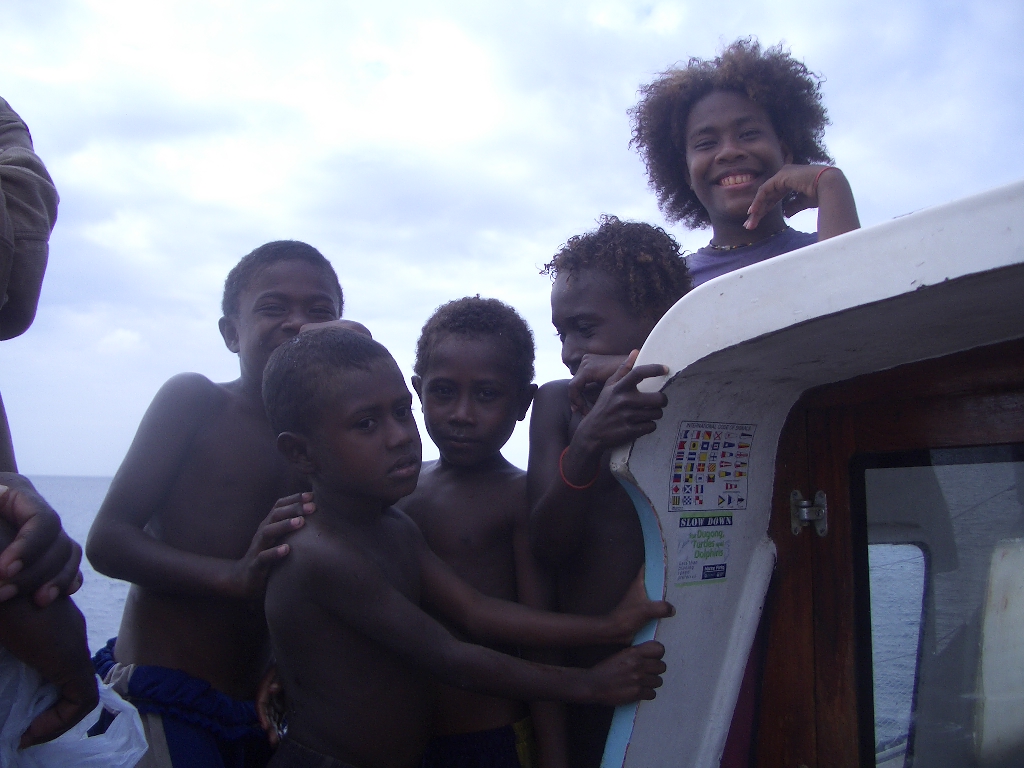
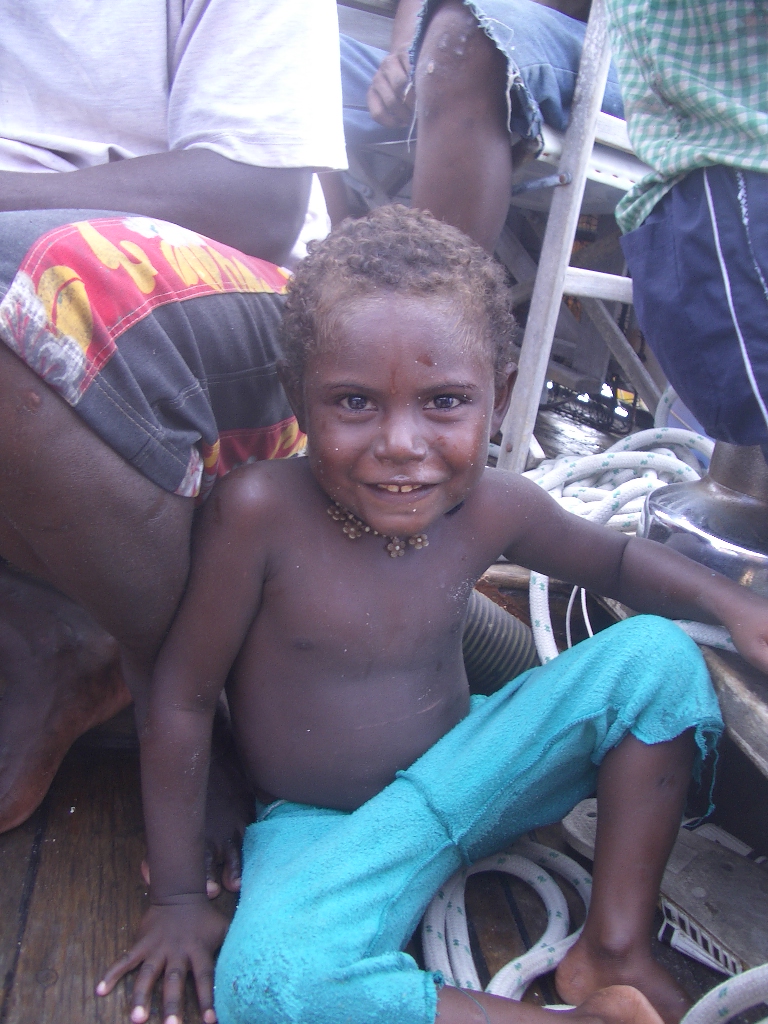
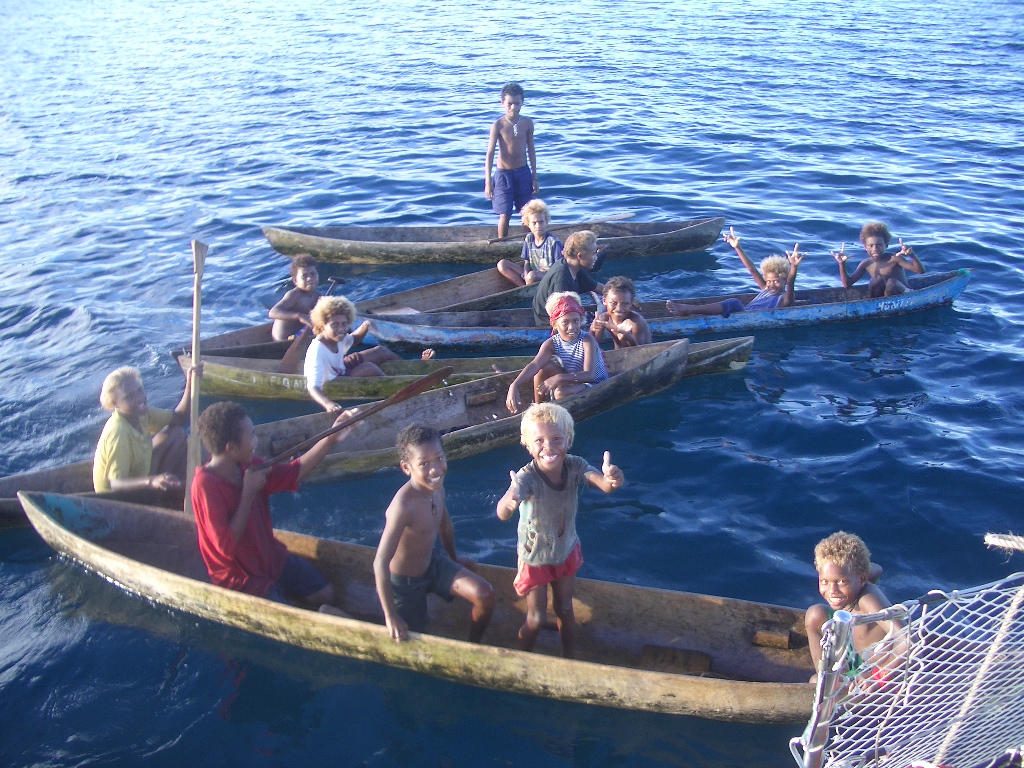
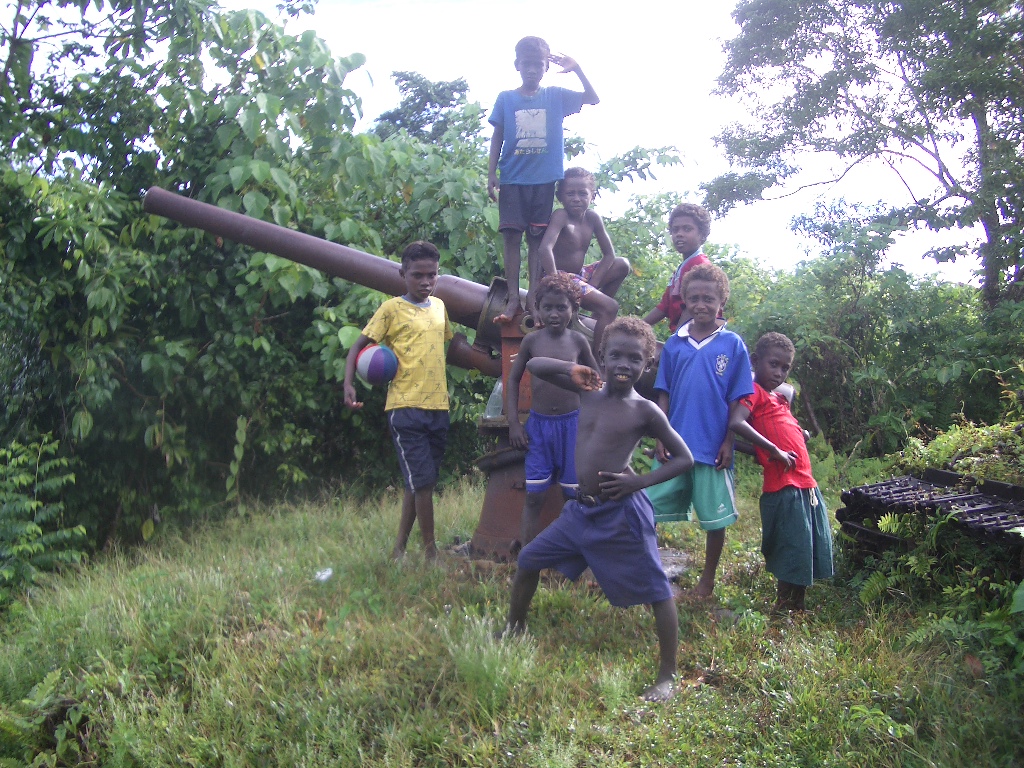
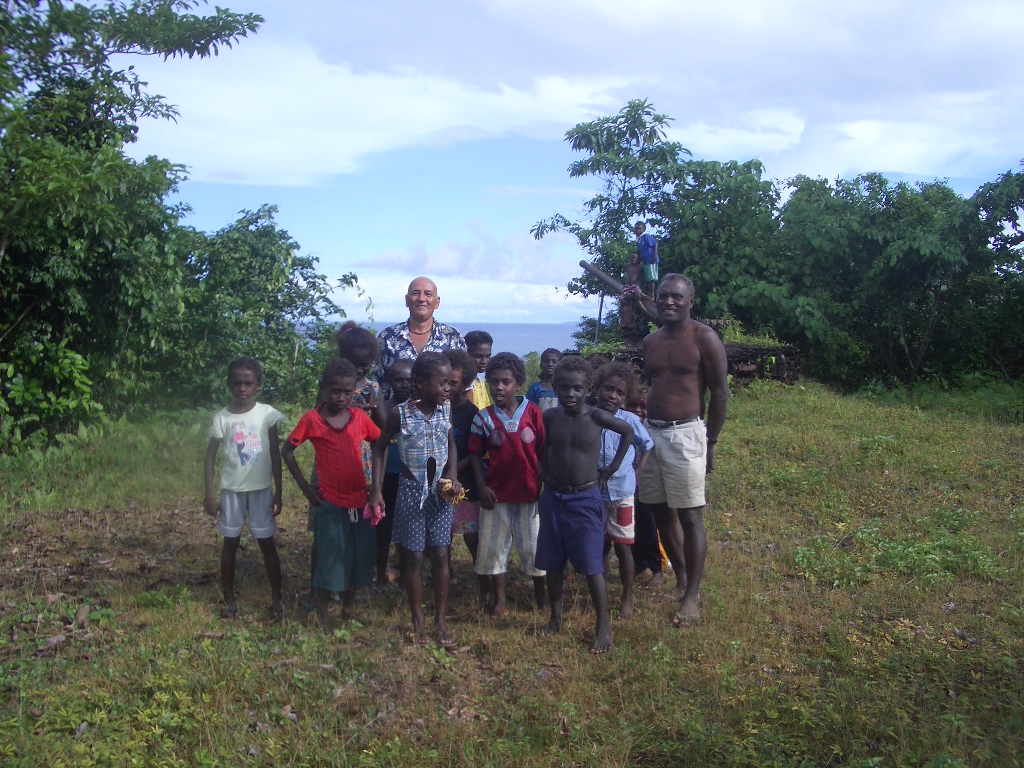
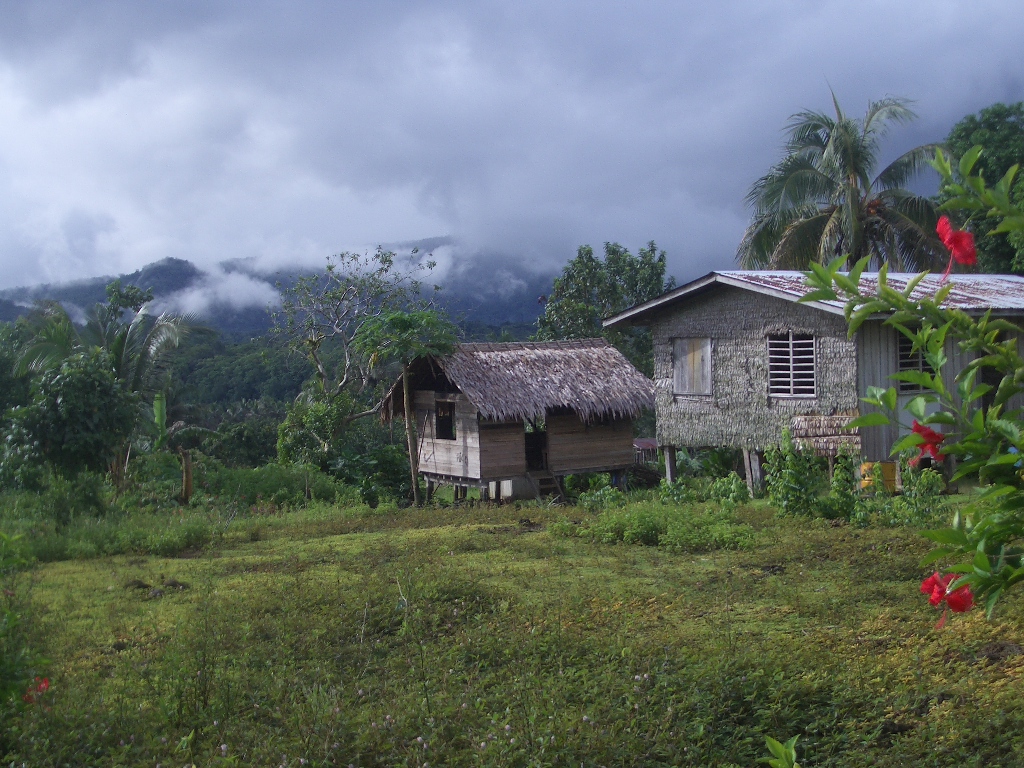
Recently I tweeted a whole pile of photos from my Flotillas of Hope archive. The thought crossed my mind that it will be good to put a whole lot of them on one post. I won’t give captions of each. Assume when you see photos of boats they are either of Eureka or One Off.

When you see photos of stuff on boats they are on one of the boats. The flags were ALL made by community members as were all the pieces of material with messages from Australians. There are also pictures of toys which were gifts from Aussies for the kids at Nauru. We didn’t get to give them the gifts because we were chased out by Nauru Government. The more hazy pics of beaches or buildings in the distance are the photos I took of Nauru when we approached the island. I sent these via satellite phone to our Australian ground crew who then uploaded them on the website. In 2004 social media wasn’t around and yet we got the message out & brought some hope to the asylum seekers. John Howard, Prime Minister at the time released 77 refugees because of our journey.

We were told after we returned to Australia by the refugees released by Howard due to our journey that there were Australian police waiting for us with guns on beaches of Nauru.

There’s also a photo of the Tarot Spread that Starhawk made for the Flotillas of Hope when we met.

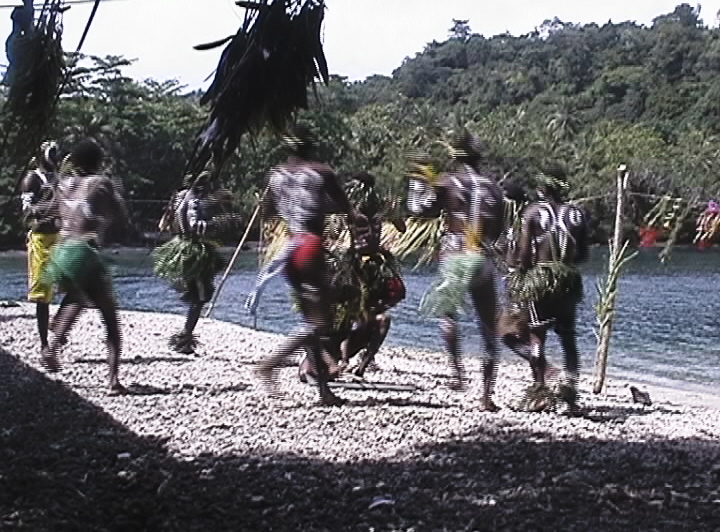
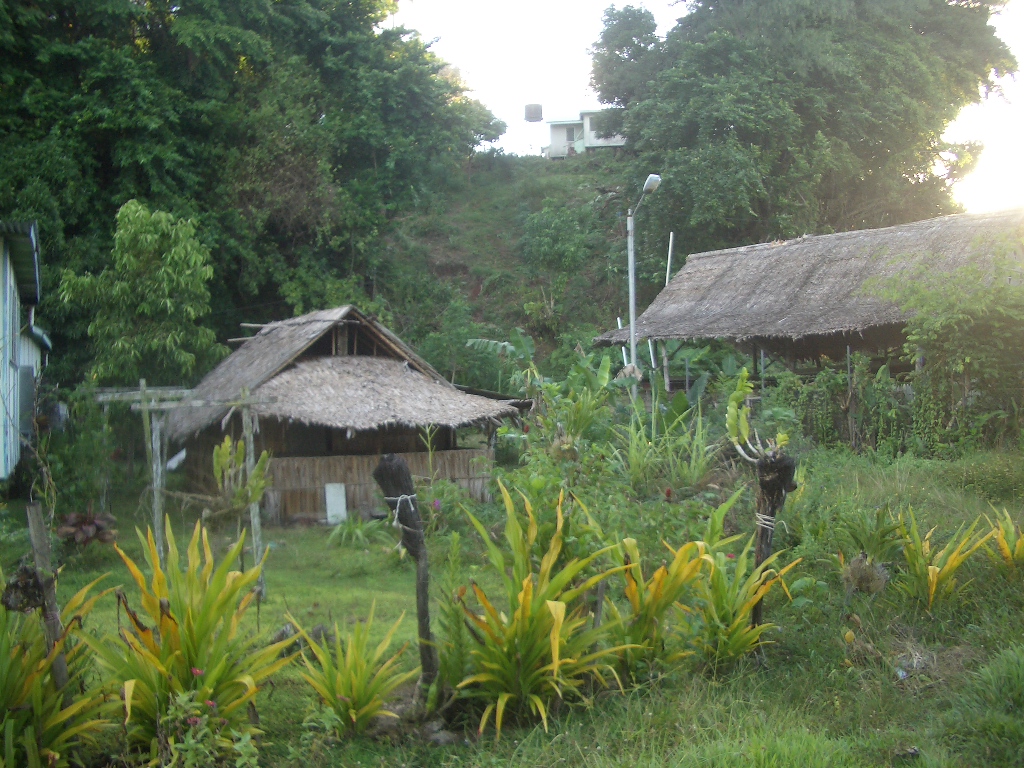
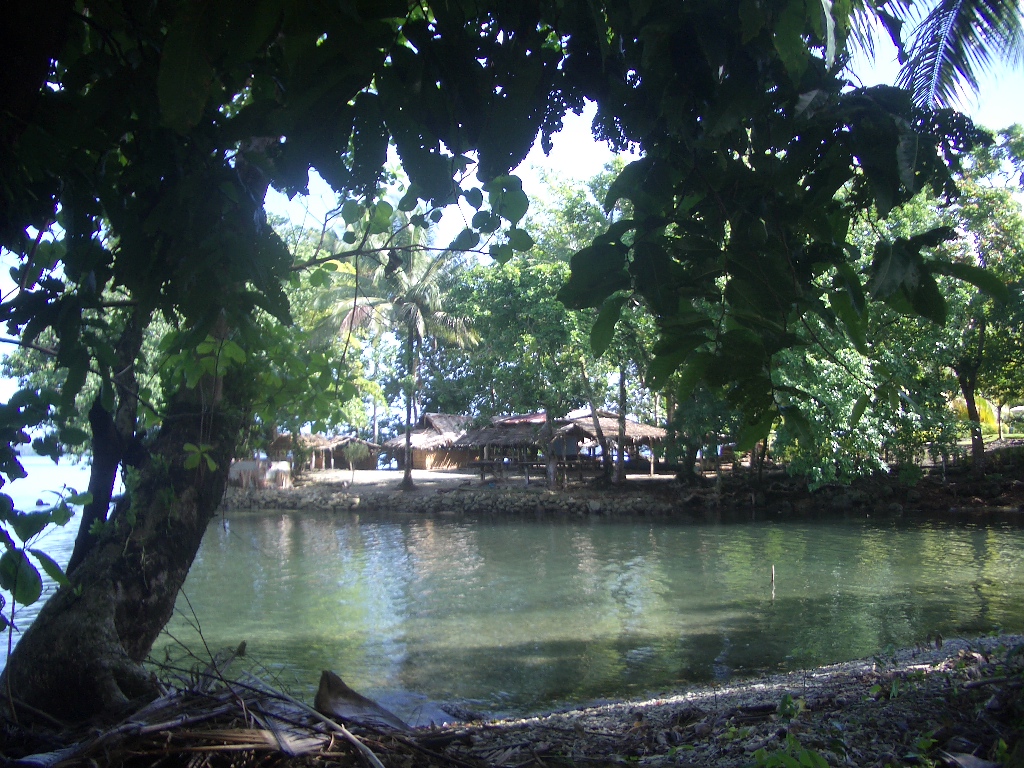
When you see photos of islanders they are all from Solomon Islands. When you see buildings and landscapes they are again on Solomon Islands.


Free Gaza Movement >> Why We Care

June 2, 2010

Why we Care

Written by Free Gaza Movement    

From the Free Gaza Movement Website

April 2009

“This is not a natural disaster. It is a man-made disaster created by policies that are not humane.”
John Ging, director of the U.N. Relief and Works

Agency in Gaza.

The Gaza Strip is one of the most densely populated places on Earth. A 25-mile-long narrow coastal plain wedged between Israel and Egypt, Gaza is home to 1.5 million Palestinians, over half of them children. Most of its population are refugees or their descendants, driven out of Israel during its founding in 1948. Surrounded by 40-foot high walls of iron and steel, Gaza has only 3 points of entry or exit: the Erez border crossing with Israel, the Rafah crossing with Egypt, and the sea.

Israel has occupied Gaza since 1967, maintaining complete control over Gaza’s air space and territorial waters, imports and exports, and travel into or out of the territory. Since January 2006, Israel has subjected the Gaza Strip to an increasingly severe blockade, restricting Gaza’s ability to import fuel, spare parts, and other necessary materials. Compared to December 2005, less than 20 percent of the supplies needed for normal trade are allowed into Gaza by Israel, and foreign investment has fallen off by over 95 percent. As a result, the economy has completely collapsed. Most of Gaza’s industrial plants have been forced to close, casing steep increases in unemployment, poverty and childhood malnutrition rates.

 The siege has led to massive shortages that have rippled through the economy and society. Shortages in fuel have caused gasoline prices to spiral out of control, leading to sustained power cuts. Hospitals, dependent on diesel-powered generators, regularly lose power for several hours a day. Unable to operate irrigation pumps, farmers experience significant loss of crops. Most family homes have running water for less than six hours a day, and almost a third of homes have no running water at all.

Sewage treatment centers no longer function properly. Millions of liters of raw sewage have been pumped into heavilypopulated neighborhoods, and tens-of-billions of liters of untreated and only partially treated sewagehave been released into the Mediterranean. Gaza’s fishermen state that the sewage has killed off most of the sea life in the immediate vicinity.

In December 2008, Israel broke a ceasefire with Gaza and began a three week campaign of bombings, home invasions, and general destruction. During this massacre, homes, schools, mosques, and UN centers were all attacked by Israel. Thirteen Israelis, including 4 Israeli civilians, lost their lives, while over 1,300 Palestinian men, women, and childrenwere slaughtered. Since the end of the massacre it has become harder than ever to bring in humanitarianrelief, reconstruction aid, or developmental supplies.

The siege continues, and the humanitarian condition of the one and a half million human beings illegally incarcerated in Gaza is now at its worst point in the last forty years of Israeli occupation.

Help the Freedom Flotilla

Chilling Testimony from a Marmara passenger


Submissions for current Refugee Issues UNHCR >> Dadaab Refugee Camp

May 27, 2010

Hi

I received this today. Those who can please send in a submission for the Dadaab refugees.

Below the reminder is the document and submission form.

stavros

============================================================

A reminder that the Australian Refugee Rights Alliance (ARRA) is calling for brief submissions from individuals and refugee community groups regarding current issues of concern to refugee populations in and from the Asia Pacific, Middle East and Africa regions.

The due date for submissions is 31 May. Please see the attached information sheet for further details on making a submission. Feel free to distribute this information to your networks. If you have any queries, please feel free to contact me as per the details below.

We look forward to receiving your submissions!

Kind regards, Lucy Morgan Information & Membership Officer Refugee Council of Australia

Suite 4A6, 410 Elizabeth Street Surry Hills NSW 2010 Phone: 61 2 9211 9333 Fax: 61 2 9211 9288 email: info@refugeecouncil.org.au

www.refugeecouncil.org.au

====================================================

INVITATION FOR SUBMISSIONS

TO THE UNHCR- NGO CONSULTATIONS

The Australian Refugee Rights Alliance (ARRA) is calling for brief submissions from individuals and refugee community groups regarding current issues of concern to refugee populations in and from the Asia Pacific, Middle East and Africa regions.

ARRA is a coalition of Australian NGOs, refugee advocates and academics. Organisations involved in ARRA include the Centre for Refugee Research of University of NSW, Refugee Council of Australia, Amnesty International and Act for Peace (National Council of Churches).  Each year, representatives from ARRA travel to Geneva to participate in the United Nations High Commissioner for Refugees’ NGO consultations.

Prior to the UNHCR meetings, the group prepares a comprehensive set of documents addressing policy issues of shared concern. This process enables more effective advocacy at the meetings by ensuring coordinated and targeted action by the Australian delegation. In 2010, the meetings will occur in late June.

Individuals and refugee community groups are invited to make submissions on issues they would like to recommend that ARRA put forward during the meetings with UNHCR.

ARRA is particularly interested in current issues of concern to refugee populations in the Asia Pacific, Middle East and Africa regions, however issues of concern to refugee populations in other regions of the world are also invited.

 Some possible themes you may choose to use include:

  • Women at Risk
  • Protracted Refugee Situations
  • Xenophobia/Racism 
  • Families at Risk
  • Urban Refugee Policy

 How Can I Contribute to the UNHCR NGO Consultations?

You can submit a brief submission to us, focusing on any current issue, but it should be limited to one page in length.  We will then read your submission contact you for more information if required and do our best to include your issues in our papers for discussion at the UNHCR in late June. 

 Please return submission application form with your submission to Lucy Morgan at the Refugee Council of Australia (RCOA).

 All submissions must be received by 31 May.

Submissions must be received by 31 MayVia post or email:  
ATT: Lucy MorganRefugee Council of Australia (RCOA)  
Suite 4A6, 410 Elizabeth Street,Surry Hills NSW 2010

Tel: 02 9211 9333

Fax: 02 9211 9288

 
Email: info@refugeecouncil.org.au  


Submission Form        


Name:  
Organisation (if applicable):  


Contact Information:


Address:  
Email:  
Contact Phone Number:  
Country of Origin:  


Topic of Submission:


Regional Focus (Asia, Africa, Middle East, other)  
Country Focus:  


Issues Covered in Submission:
1.2

3.

4.

Recommendations to UNHCR  
1.2.

3


* * Please Attach your 1-page Submission


A Voice from the Voiceless >> Dadaab Refugee Camps Kenya

March 9, 2010

Hi

I received the following message from some African refugee workers I am in contact with in my day job. This is stuff you won’t see on ABC, BBC, PBS or written about in UN Reports. It is a Call from those whose voice has been voiceless in Dadaab, Kenya. I have not corrected any grammar, syntax or spelling. I am posting this as I received it.

stavros

================================================================

Dear All the concerned Memebers,

With humble respect, on behalf of the refugees living in the camps of Dadaab, we would like to share our grievances with the world and ask for you to help us find our way to freedom.

Our lives in the camps are far worse than you can imagine. We live in an open prison, far away from justice and humanity. We talk, but our voices are never heard. We move, but only inside a cage. We have many skills and talents, but we are denied our chance to maximize our potential. We are chained to a life full of stress and despair; a life for which many would prefer death. We are denied opportunities for education and employment. We live in a condition without adequate water, food, or health facilities. We are arbitrarily beaten or detained by police within the confines of the camp. We lack the ability to freely express ourselves or have control over the decisions affecting our lives.

For those of us lucky enough to obtain employment with the agencies, we are exploited through the payment of mere “incentive” wages, while national and international staff receive much greater payment and benefits. How can you force us to live in a certain place that denies us our human rights and our basic needs?

 This note wishes to express some of the challenges we face here in the refugee camps of Dadaab in the hopes that we will be given a chance to have greater control over our lives, and have our fundamental human rights fulfilled. Although the challenges and abuses we face are numerous, we will only briefly mention some of our main grievances, including restricted movement, exploitative working conditions, poor service deliver, and false information and abuse by UNHCR and other agencies operating in the camps.

For many of us, the restrictions on movement and the conditions in our forced confinement have caused more psychological, economical, and health problems than diseases and wars have caused.

We ask the Kenyan government, the other governments of Africa, and the people of the world to hear our voices, see our condition, and look further into our situation. We only want our chance to thrive, to live our lives, to visit our family members, to attend school, to receive medical treatment, to help support our families, and to have control over the economic and policy making decisions affecting our lives. We only want the chance to live as other human beings live, with a hope for the future.

Please hear our cries, allow us to move freely from this open prison, and provide us the opportunity to live our lives, support ourselves, and pursue our dreams!

Restricted Movement

Some of us have faced the imprisonment of the refugee camps of Dadaab since 1991, while others of us are newly arriving. Although there have been changes and developments over the past nineteen years, our restricted movement has caused and continues to cause our underdevelopment and deterioration. Many people have died from simple diseases because they could not move to get treatment in Garissa (a town only 90 km from Dadaab). Many parents have remained separated from their children who disappeared from the camps because they could not move to search for them or inquire of their whereabouts. Many students have missed their chances for educational opportunities, have failed to take their final examinations, or have been unable to obtain education certificates earned because they could not receive the permission to move. Many people have been forced into greater poverty by being denied the chance to work and by having to pay three times the price of goods in other regions because they can not move to get cheaper goods for consumption or business. Perhaps worse still, many who have tried to move have been beaten, arrested, detained, and/or forced to pay heavy bribes or fines of large amounts of money they never imagined.

Exploitative Working Conditions

Ever since the creation of the refugee camps of Dadaab in 1991 and 1992 and thereafter, UNHCR and the agencies operating in the refugee camps of Dadaab have relied for their operations on the exploited labor of the refugee communities. Whether skilled or unskilled labor, refugee staff members have worked in conditions and received wages that are in violation of national and international labor laws. While many of the refugee staff in the agencies work tirelessly for the agencies and their fellow refugees, they still merely receive “incentives” for their hard work and dedication. Even highly experienced individuals, some of whom have graduated from Universities, colleges, and secondary schools in Kenya, Somalia, Ethiopia, Congo, Sudan, etc., receive unlivable wages, let alone wages commensurate with their experience. In addition to the dreadfully low, unlivable wage, refugee staff members are discriminated against in their payment. Specifically, although refugee staff members work as many hours and complete as many or more tasks as national or some international staff members, refugee staff members are paid significantly lower amounts and are called the derogatory name of “incentive” staff members receiving not wages or a salary but “incentives.” Indeed, though the work load given refugee staff members often exceeds that national/international staff members, refugee staff members are not given their proper respect or payment.

In a related manner, refugee staff often face harsh and discriminatory treatment by national and international staff of UNHCR and the agencies. Several national and international staff frequently use harsh commands and create a difficult work environment, and are given titles of officers even though they do not have as much experience or strong work ethic as the refugee staff members. As an example of the unfair treatment of refugee staff members, these staff members often have to queue for long hours simply to receive their payments and such long lines often cause staff members to miss the limited opportunities to receive their payment and in turn delay their receipt of their hard earned payments. As another example, refugee staff members have great difficulty receiving transportation services of the agencies, sometimes even when travel is required by their jobs. Also, refugee staff members are often not given opportunities for training or scholarships, or even if they do receive such opportunities they are not given work permits at the end of even multiple degrees. Moreover, refugee staff members are not allowed to take part in decision making about the refugee programmes ironically that the refugee staff members usually must implement and that are intended to benefit refugee beneficiaries. Similarly, refugee staff members are not afforded an opportunity to participate in planning, writing project proposals, or otherwise participating in any other management functions despite in many circumstances years of experience and knowledge about the refugee communities who are supposedly the beneficiaries of the agencies’ programs and the conditions in which they live and operate. Indeed, refugee staff members are not even provided meaningful opportunities to present feedback that is received, considered, and/or implemented. Incentive Wages At the heart of the exploitation of refugee staff members lies the entire system of “incentive workers.”

The agencies in the camps of Dadaab divide staff into three main categories:

§ International staff

§ National staff

§ Incentive staff

While national and international staff have relatively similar salaries, working conditions, and privileges, the so-called incentive staff are barely paid, are discriminated against, and are often treated with disrespect. The national and international staff members have every thing required for the fulfillment of the respective work such as transport, office tools and equipment, refreshments etc. at their disposal. At the same time, the refugee staff generally have no such access despite the fact that the national and international staff often greatly depend upon the refugee staff in order to carry out their duties, gain access to and understand the refugee communities, and break through language barriers and cultural differences. Yet, while the incentive staff are indeed the back bone of the agency operations in the camps, the relationship between these two sets of staff and the treatment of refugee staff members is horrible.

 The agencies and UNHCR continue to simply pay only meager incentives, which are minimal amounts in and of themselves and are not accompanied by any significant bonuses, benefits, allowances, pensions, separation payments, or other components of standard national and international staff contracts even for refugee staff members that have been working for over a decade. An incentive worker will earn as little as 50 – 90 USD per month, regardless of the number of years of experience, seniority in employment or academic qualifications. Indeed, the skills, academic credentials, and experiences varies significantly across the work force of refugees, ranging from primary school leavers to those with multiple Masters degrees and diplomas who have worked for more than a decade. Yet all are subject to harsh conditions and meager payment. In addition, the ill treatment and lack of respect for refugee staff and their tireless efforts has taken its physical and emotional toll on many staff members, and in fact some young professionals have developed psychological problems due to the frustrations they face while others have chosen to even risk their lives to return to their respective homelands in the hopes of finding an adequate means of survival for themselves and their families. Moreover, the vast disparities between refugee staff and national/international staff continues to create envy and hatred among the staff of the same agency.

 The incentive system is often claimed to be necessary because of limited budgetary resources and because refugee staff members are not allowed to officially work under Kenyan law. However, in actuality, these supposed justifications serve only as mere excuses for the agencies to hide behind so that they can continue to exploit refugee labor. With respect to the limited resources, first of all limited resources can not serve as an excuse for exploiting refugee labour. Moreover, the amount of money that is wasted if not skimmed off the top by the agencies reaches huge amounts; if there are indeed limited resources, the agencies could shift resources away from ineffective trainings, corrupted individuals, and high paid national and international staff in order to adequately pay incentive staff members.

In a related manner, in line with the problem noted above of not including refugee staff in decision-making and managerial tasks: the agencies should “open the books” and allow refugee staff members to be a part of resource allocation decisions. With respect to the inability for refugees to work under Kenyan law, again the agencies and not the Kenyan government are setting the amounts of the incentive wages and if the agencies are able to legally provide incentives at all then the agencies can not point the finger at anyone other than themselves with respect to the exploitative amounts that are arbitrarily set by UNHCR and the agencies. Moreover, UNHCR and agencies are able to obtain work permits for refugee staff members in Nairobi and elsewhere when they deem it appropriate. Further, it is the obligation of UNHCR to advocate on behalf of refugees’ right to work and pressure the government of Kenya to follow its obligations under the Refugee Convention to allow for such rights.

We ask members of the international community to step up for this matter and come forward to help us refugee staff members regain our human dignity and equality and fairness for all in terms wage earning, working conditions and decision-making. Furthermore, we ask that international human rights bodies and the International Labor Organization study and scrutinize the years in which our talents, skills and services have been exploited and abused by the agencies in Dadaab. The title “incentive worker” The title given to the refugees working with the humanitarian agencies is itself exploitative and demeaning. Literally the word incentive means something given to some in order that he/she keeps the same spirit in the course of an operation; however the magnitude of the incentive in the camps of Dadaab is negligible. Considering the workload carried out by the staff or employees drawn from the refugee community, it is the case that refugee workers form the backbone of the humanitarian operations in the Dadaab camps. Indeed, without these workers, the agencies would suffer an acute shortage of human resources. Given the fact that the title “incentive” does not actually sound proper, the refugee workers often feel discouraged and humiliated to be called an incentive worker, which even can weaken the productivity and output of the workers. Furthermore the title incentive widens the already expansive gap between the refugee workers and the national and international staff, which further hinders the cooperation necessary to achieve the important goals of the humanitarian operations in Dadaab.

The more favorable the working conditions, the more efficient an employee will be in her/his daily undertakings, and the more cooperative relations amongst different categories of staff members, the more likely the operations in general will be successful. Thus, if only from the point of view of improving operations in Dadaab, the title of the refugee staff should be changed, the disparity in wages must be closed, and the working conditions must be improved. Harmonization Incentive Document for 2010 A memo concerning the “harmonization of refugees incentive workers wages” was developed by UNHCR in collaboration with all of the NGOs working in the refugee camps; some of the NGOs have shown skepticism about the effects of the document but the policy has been passed without adequate input or consideration of the viewpoints of current refugee staff members. While we recognize the potential positive effect of raising the wages of those agencies paying the lowest amounts, harmonization should only result in a harmonization upward. Moreover, we believe that individuals should be paid wages that are both living wages and appropriate for their jobs and their level of expertise and experience. The document is totally contradicting the conventions to the refuges. Indeed this is a practical evidence that UNHCR is violating the international conventions and protocols relating to the provisions and service of the refuges instead of promoting, it.

Furthermore, the UNHCR has not increased a sigle coin to the refguee workers and what it done was a cheating withno consultation to the concerned parties; indeed the amount that was dedected from the fellow refugee workers were increased for the other fellow refguee workers thus, creating envy and hatered among the working refguee workers!. In this world it has never been noticed that somesone’s pay is lowered without proper justifications.

Despite the fact that many other irrlguralies that can not be not be summarized is ongoing on daily, weekly, monthly or annually basses within the confines of the refugee camps of Dadaab.

Poor Service Delivery

The Dadaab refugee camps were established in the wake the devastating civil wars and persecution in neighboring countries, such as Somalia, Ethiopia, Rwanda, Sudan, Uganda, Burundi, Congo, and Eritrea. While we are grateful for the support that has been provided to those who have had to flee from their home countries, it is incredible that nearly twenty years after their adoption, their remains terrible problems in the service delivery and operations of the various agencies operating in the Dadaab camps: UNHCR, WFP, CARE, NRC LWF, IRC GTZ –IS, WINDLE TRUST KENYA, DRC HI, MSF, etc. The food distribution sector, the education sector, the medical care sector, the water and sanitation sector, and the land allocation and shelter sectors provide just a few of the many examples of the continuing and sometimes worsening poor service delivery. Food While the refugees in the Dadaab camps do appreciate the relentless efforts of the international community to ensure that the refugees in the Dadaab camps are given food, we ask the international community if a three (03) kilograms of maize and 50 grams of oil is enough to feed a person for a period of 15 days. This meager amount does not meet international standards. Worse still, a quarter of the amount claimed to be given is often stolen during food distribution, in large part because the workers of the food distribution are not adequately paid and are thus encouraged to steal from the beneficiaries. How can refugees be forced to remain in camps, told for twenty years that they are not allowed to work and raise their own livelihood, and then not be given enough food to feed themselves and their families?

Education

Education in the camps consists of several primary schools and secondary schools and other adult learning literacy institutions. While education, especially at the primary level, is a basic need and right, various factors have limited the quantity and quality of education provided in the camps of Dadaab. At the most basic level, the camps’ population has swollen thrice in recent years, while the capacity has only minimally increased. The focal organization for education in the camps, CARE international in Kenya, has not done a good enough job at increasing the education capacity. Poor quality education is matched with poor infrastructure, as many of the buildings remain the same as those built in 1992 to accommodate some 97,000 refugees while the population has currently grown to nearly 300,000. We have 18 primary schools across the three camps with an average of 3500 pupils per school. These large numbers of learners face many challenges in school. The general ratio of teachers to pupils is 1:80; a situation that has forced many learners to become dropouts, ending up on the market streets. All the 18 mentioned primary school are registered as Kenyan National examination centers while the learners in grade 8 (standard eight) must sit for the national exams in November of each year. The Kenya national examination law states that for a school to be a centre for national examination, there should be a least one trained teacher per class in that school; contrary to this law the schools in Dadaab do not have adequately trained P1 teachers. Yet the ministry of education of the government of Kenya officially has accepted this situation, which has resulted in poor performance in all these 18 schools. Another factor affecting education is the issue of payment. A teacher who is expected to serve as a role model, shape the study and character of various children, and teach the next generation of students, receive some of the lowest wages, lower even than donkey cart riders. The low payment causes more qualified individuals to seek other jobs, and for those who remain as teachers to have little motivation to do a good job in their work. Another problematic feature of the education system is that although as many as 4000 pupils sit for their national exams (KCPE), only roughly 120 students from each camp will have the opportunity to move on to secondary school, and even fewer of those who complete secondary school will have opportunities for further education after high school. Courses in Kenya University and colleges, despite funding by the international community, remains limited.

Medical Care

Medical conditions and nutrition have declined since 1992; down the line diseases are increasing while the interventions are relatively minimal compared to the number of patients in the hospital. In addition, as a result of acute malnutrition in the camps and anemia, child mortality rate is on the rise.

Further, due to ongoing fighting in neighboring Somalia, many refugees continue to come to the camps with numerous diseases, injuries, mental sickness, skin diseases and birth defects, many of which are not able to receive medical attention and are told that their ailment is too complicated to be attended to in the camps. As result many patients will converge at UNHCR field offices for their medical concerns but unfortunately UNHCR protection unit staff will keep refugees waiting and only refer them to the same doctors, nurses, and medical facilities that are already stretched too thins Which are expected to assist roughly three hundred deliveries per month in each of the camps. Currently, we have three medical charity organizations in camps MSF SWIZ in Dagahaley, IRC in Hagadera, and GTZ-IS in Ifo. Yet, especially due to the overcrowding, the medical facilities simply do not meet the incredible medical needs in the camps. Some of the most basic issues in the medical care sector include: – Lack of qualified personnel in hospitals – Lack of medicine/ procured – Lack of emergency equipment / ambulance theatre – Lack of adequate facilities or equipment to deal with many of the ailments Water and Sanitation Water and sanitation services are basic and essential; there are 15 boreholes in the camps which supply safe water to the refugee population since water is chlorinated before being supplied. Those boreholes are managed by borehole attendants or incentive workers who work from 6:30am to 6:30pm ever day, even on weekends or public holidays, since water is needed every hour of the day, and yet only earn minimal wages. Similarly, sanitation, waste management, and carcass collection and disposal, as well meat inspections/hygiene promotion are carried out incentives staff while the national staff seem to sit in the office browsing the internet and pretending to be busy in the offices. (Issues of latrine are handled by NRC whiles other sanitary and hygiene activities are done by CARE – RAP Watsan). In addition, the water crisis in the deeply populated Dadaab camps often results in fighting at the tap stands among families, village mates, and block mates. Sanitation and waste management is also worrying. The current network of latrines is hardly maintained and there are not nearly enough latrines for the Dadaab refugees in general. The latrine system in Dadaab camps is far below internationally accepted and minimum standards, such as 1 latrine for every 20 people.

Land Allocation and Shelter

For security reasons and because of the deterioration of the humanitarian situation in Somalia, many Somali refugees flee and escape ordeals in the war torn Somalia and seek protection in the Dadaab camps. Yet upon arrival in Dadaab, new arrivals often receive little guidance, orientation, or support to find land, obtain food, seek medical screening or vaccinations, etc. For instance, when a family comes to Dagahaley camp, where registration has been undertaken since 2005, the only thing they receive form UNHCR is a food ration card after waiting for around 10 days.

Finding shelter is often left to the good will of the refugees already living in the camps, despite the fact that severe overcrowding and congestion already exists in the camps. Most of the new arrivals simply build make-shift shelters that are susceptible being washed away by the heavy rains, or they resort to a living under the trees or a “house” where they are exposed to the elements. New arrivals thus face problems related to security, cold, wild animals, poor sanitation, etc. In addition, after registration the new arrivals often do not get non food items that they are intended to receive such as plastic sheeting, a cooking set, Jeri cans, and blankets; even accessing food is hard for new arrivals as they will start getting food from WFP up to 10 days after obtaining registration from UNHCR.

False Information Provided to Community Representatives and Visitors

Although there are the above problems and many more in the refugee camps of Dadaab, often visitors come to Dadaab and are shown a very different picture than the actual reality. Indeed, visitors of various high positions and organizations visit the worlds’ largest refugee camps of Dadaab in north eastern Kenya. Dadaab has in some ways become like a circus display or tourist attraction, with so many visitors coming in and out to see the camps and meet with refugees. Most visitors come with the intention of evaluating how the funds they have donated have been implemented for the target refugees. Visitors who individually only infrequently and occasionally pay visits to the refugee camps are thoroughly misguided about the real information on the ground. Visitors are often taken to pre-arranged places and meet with special people organized to supposedly speak on behalf of the refugees, who often give information that does not inform the visitors of the real circumstances of refugees’ conditions. It is believed that some agency staff members use bribery and other means of influence with refugee leaders whom they think can give substantial and fabricated information to the visitors that will protect and promote the agencies and their supposedly humanitarian work. It is believed that some agency staff members make false promises to such leaders, such as offering resettlement opportunities or contracts in order to entice these leaders to hide the true information about how agencies deal with refugees when high profile visitors come to the refugee camps. In addition, often when high profile visitors come to the camps, their time is scheduled such that they do not meet with many of the true leaders, intellectuals, young leaders, women’s groups and other stakeholders from the refugee community to hear and know from them directly without the presence of the Agency’s representatives. Moreover, the security guards (AGK) are given instructions to be on high alert and only allow those who had been chosen by the agencies to meet with the visitors. For instance during a recent visit by 17 embassies to the refugees camps, our community leaders, intellectual, young leaders and other stakeholders from the refugee community were only given an opportunity to present all of their pressing problems in a mere 45 Minutes, with agency representatives present who could note which refugees spoke and potentially deal harshly with those who spoke after the visitors had left. In addition, on the onset of the arrival of various visitors, agencies attempt to undertake various preparations intended to deceive visitors about the situation in the camps, such as intensive cleaning campaigns, having even senior officers wade through the rubbish, adding new/temporary infrastructure of all sorts (tables, seats, wall hangings/messages, computers, etc.), painting walls, putting up boards and signs to show orgnanized residential and office compounds, and so forth. As but one example, when some high profile visitors were coming to visit the camps in mid-2009, new buildings were constructed, walls were painted, old equipment was hidden, and intense cleaning efforts were undertaken at a surface level in order to deceive the visitors. If the amount of hard work that was taken to make these preparations was done on a daily basis to actually address the problems facing those in the camps rather than simply providing surface level window dressing to please visiting donors and officials, the situation in the camps could much improve. As another example, when an envoy of ambassadors visited the WFP food distributed centre, all of the former containers used for distributing food (which had been cut in size in order to limit the amount of food given to each refugee) were set aside and every individual was allowed to receive a full ration. But these measures only existed during the few minutes when the visitors were present.

 Taken together, the agencies make significant efforts to hide the truth of the situation of refugees in the camps of Dadaab when visitors arrive. We therefore make a heartfelt request to the Intentional Community, high profile visitors, media, government officials, human rights bodies, independent journalists and other concerned parties to always think beyond the box while visiting the Dadaab refugee camps, to be skeptical of what they are being shown, to try to ensure that they take some time to talk privately to a number of different refugees, and to visit unplanned areas in order to uncover the true living situation of the refugees and hear their voices longing to determine their uncertain future! Abuse from UNHCR Officers in Dadaab against refugee youth advocating for their rights. National and international staff members of UNHCR and other agencies in the camps of Dadaab often attempt to harass and intimidate refugees who advocate for their own rights. As a recent example, the UNHCR Head of Sub Office, in the presence of elder witnesses, threatened various refugee youth who intended to attend a meeting at his office, shouting that in case any youth came into his (UNHCR) office he would call the police and arrest them. Similarly, the senior Protection Officer has often failed to protect the rights of the refugees while allegations of harassment and human rights abuses flood his office in Dadaab. If UNHCR jeopardizes and denies the basic rights of the refugees in Dadaab Refugee Camps and denies the opportunity for refugees to advocate for their own rights; who will then advocate for the rights of the thousands of the disadvantaged societies in Dadaab camps? It can only be concluded that the UN and other agencies do not wish to see a community who can manage their own affairs independently. It can only also be concluded that the agencies in Dadaab are more political agencies than they are humanitarian agencies, with many agencies undertaking similar tasks and doing little to actually assist refugees as they claim. Moreover, the reports shared by the agencies with the donors often provide false information and figures, including but not limited to false information about living conditions, security, service delivery, movement, education, development, health, water and sanitation, food, and services they allegedly provide but often either do in a sub-standard manner or never have even undertaken at all. While agency staff often argue that refugees have no right to complain because the services they receive are free, it must be noted that agency staff also receive free of charge much better services than the refugees receive, including in the areas of water, medical care, food, housing, electricity, etc. We request from the international community and other concerned parties to help us mange our own affairs and that affect us by giving us a chance to get the jobs we can do for own selves.

Conclusion

 In sum, we wish to reiterate that we hope that the international community will hear our cries and undertake efforts to end the exploitation and abuse we face by pressing for an end to restricted movement, a reform of exploitative labor policies, an improvement in service provision, a greater allowance for participation in decisions about service provision to the refugee communities and refugee staff members, and the end to the deception and abusive practices of the Kenyan government, UNHCR, and the other agencies operating in the camps of Dadaab toward the refugees and the international community. Furthermore, the International community and the concerned goverments should watchout carefully the actions of the govermentof kenya, UNHCR and the other Agenceis opertaing in the region decissively and should held account for any inhuman acts. Thanks and looking forward to your immediate durable solutions.

Kind Regards,

Refugee Silent Welfare Committees