A Dream

April 2, 2022

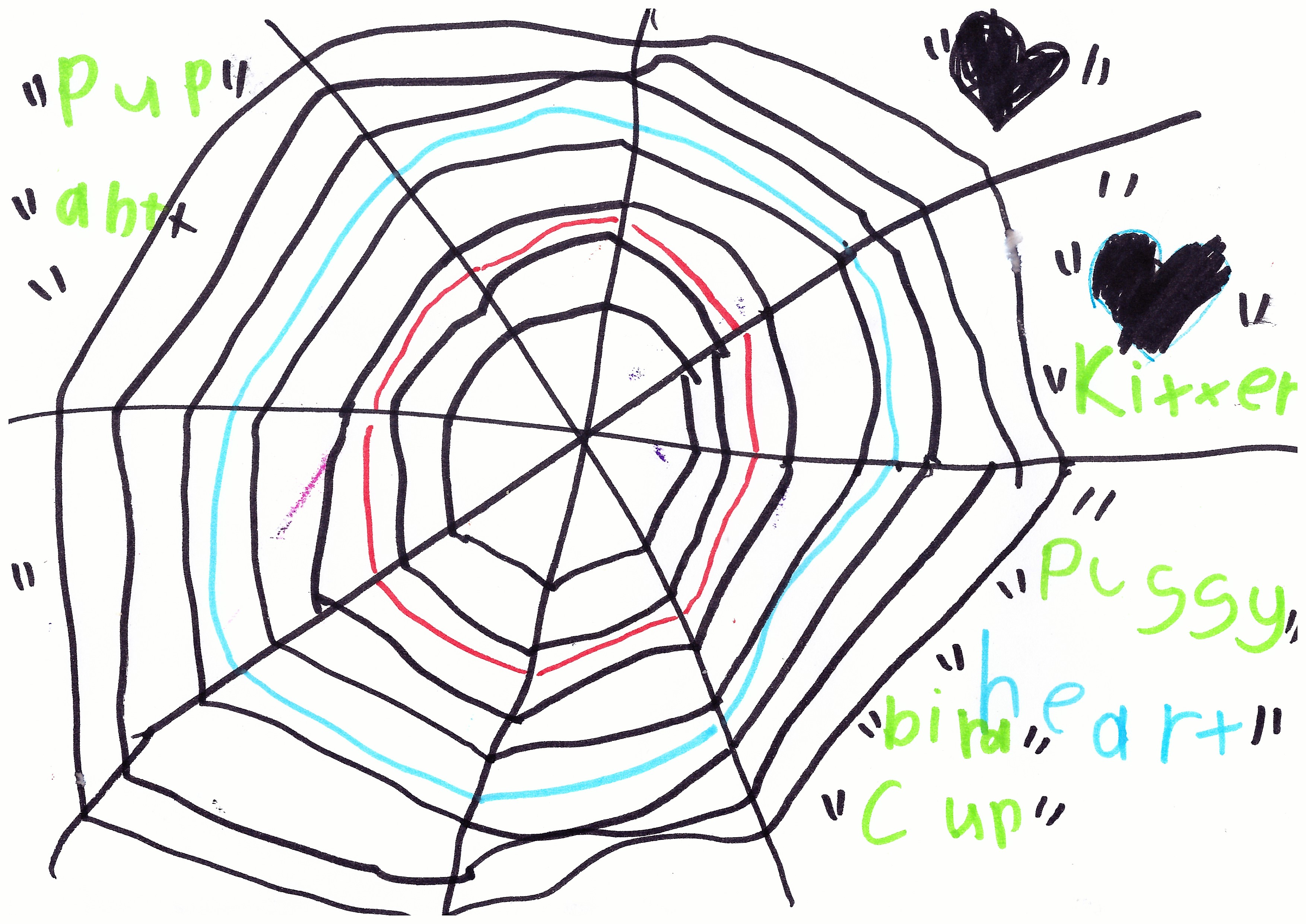
I’m walking through a corridor whose walls are plastered with newspapers. I come to the end where there’s an abyss below, empty space above me & nothing to my left or right. I turn to run for safety & just as I turn before me is a gigantic spider with a woman’s & a man’s head joined together at the neck.
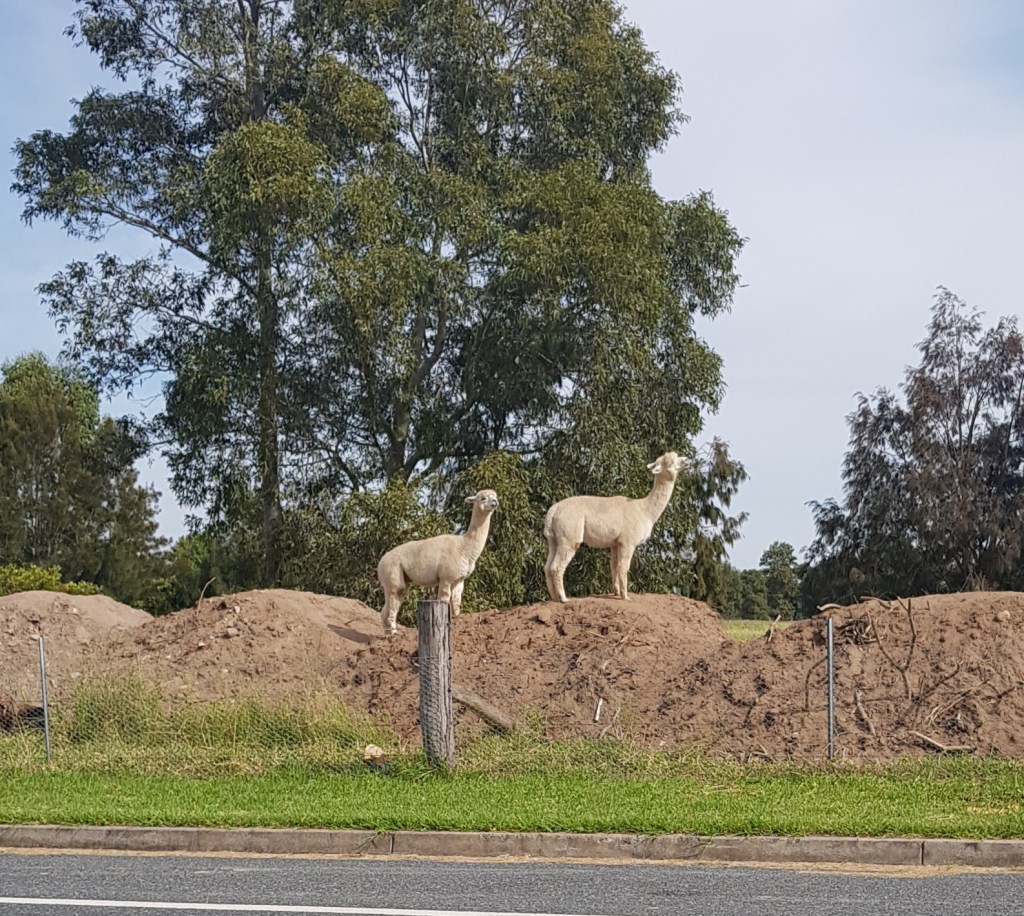
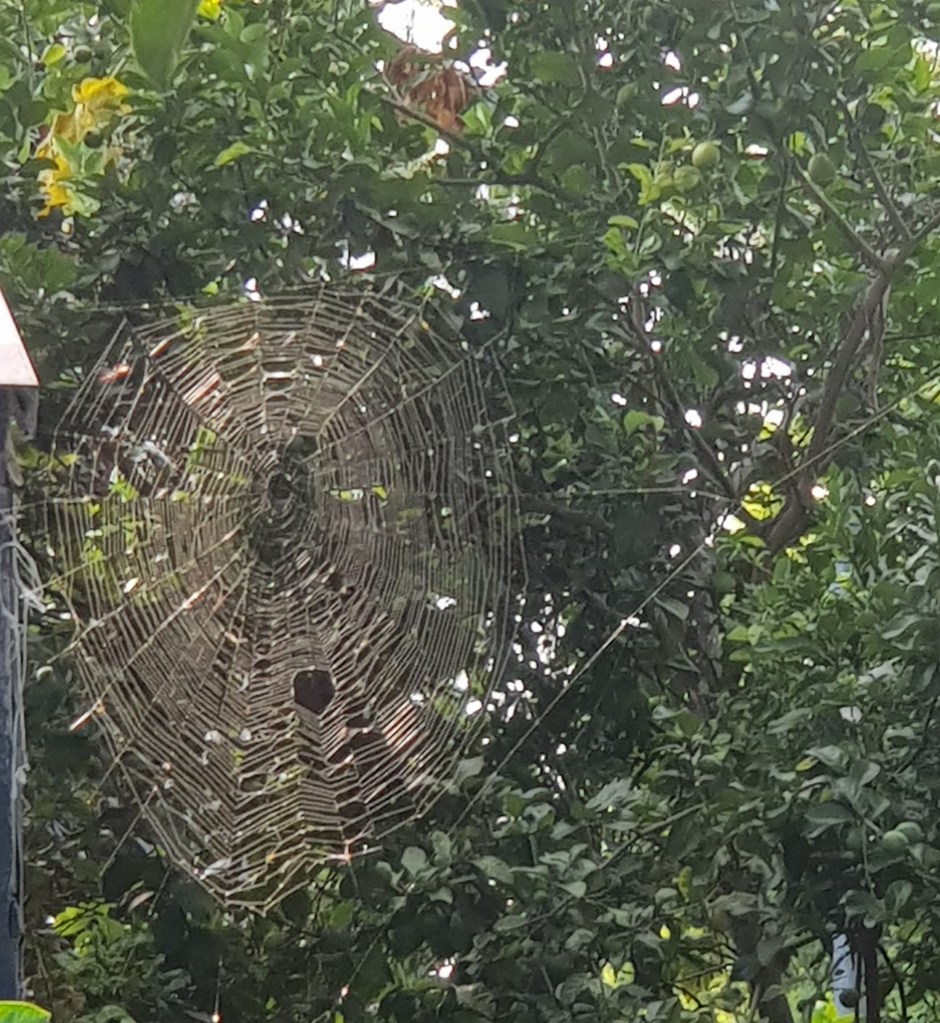
Before I scream the spider’s belly rushes at me pushing me into the abyss. In the background I hear Roy Orbison singing “In Dreams”. I fall and fly first up then down, then left then right. I turn to see the spider & it’s sitting in the centre of an immense web. I fly thru fog like smoke spaces between the web threads. The spider’s hairy legs are black against the billion stars. The legs & body of the spider cut a living symmetry in eight diections.

I am dizzy & see the web is everywhere & within each segment of space allocated by the web crossings are smaller webs. Each of these has a spider – webs within webs, worlds within worlds.

As my mind tries calculating factors of relevance, I fall and my back hits a hard surface. It’s wood. I lift my head & I see sails. I’m on a boat. I wake up.


Guardian Angel Counsellors

February 11, 2022

In times of necessity, when the wisdom of another becomes crucial, an inner yearning surfaces for counsel, for the touch of understanding. I search for a counsellor whose care plums the depths of my existence—embracing thoughts, fears, hopes, secret desires, and those laid bare. A holistic guide, I reckon, can only be found in the ethereal domain of an Angel, a Guardian Angel.

At the core of my beliefs lies a steadfast conviction that each of us is accompanied by a Guardian Angel, entrusted with the solemn duty of protecting our souls in this ‘vale of tears.’ While it may seem romantic or mythic, this belief carries a resonance far from melancholic, semiotic, or idiotic. Beyond the veiled rhetoric of the ‘Guardian Angel’ is an organic reality that resonates more with the harmonies of music than the flutter of feathered wings.

Enough of such pondering. Communion with one’s Angel is attainable—a harmonic interplay akin to a sea shell unfurling its silken contours into a symphony of waves. The elusive whispers behind a sigh, the intricate dance of coincidence, or the resplendent déjà vu are not just celestial dialogues but also moments of beauty and wonder that inspire awe. They serve as the celestial lexicon of our Guardian Angel, transcending the notion that angelic forms resemble earthly entities like apples, stones, or trees; instead, they embody a mathematical proportion, an architectural geometry akin to the sacred phi—the Golden Mean.

Sometimes, my Angel communicates through dreams, the innocent mouths of babes, the pages of a book falling open to a predetermined passage, or even a simple sound. Yet, all these celestial dialogues hinge on my receptivity to subtle hints. This receptivity is not just a passive state but an active choice to be more observant and open-minded. In the tired haze of semi-consciousness, I navigate the realms of existence, aware that I am not the sole wanderer in this somnambulant domain. We, the residents of this earthly plane, often traverse the landscape of existence in a state of half-slumber, akin to a vegetative sleep, oblivious to the profound currents that ripple through reality. Occasionally, a slender beam of light penetrates our closed eyelids, and within that crevice, the Guardian Angel utters its voice.

Admittedly, such revelations are rare, prompting the need for a deliberate means of communication with our Guardian Angel. This communication requires specialized tools and devices imbued with a mystical essence and intricately connected to our intuitive faculties. These devices, such as the Tarot, the I Ching, the divinatory facets of Astrology, Runes, and many others, serve as conduits to bridge the celestial and terrestrial realms. They are the mantic instruments that unveil the profound wisdom encoded within, allowing us to commune with our Guardian Angel at will.

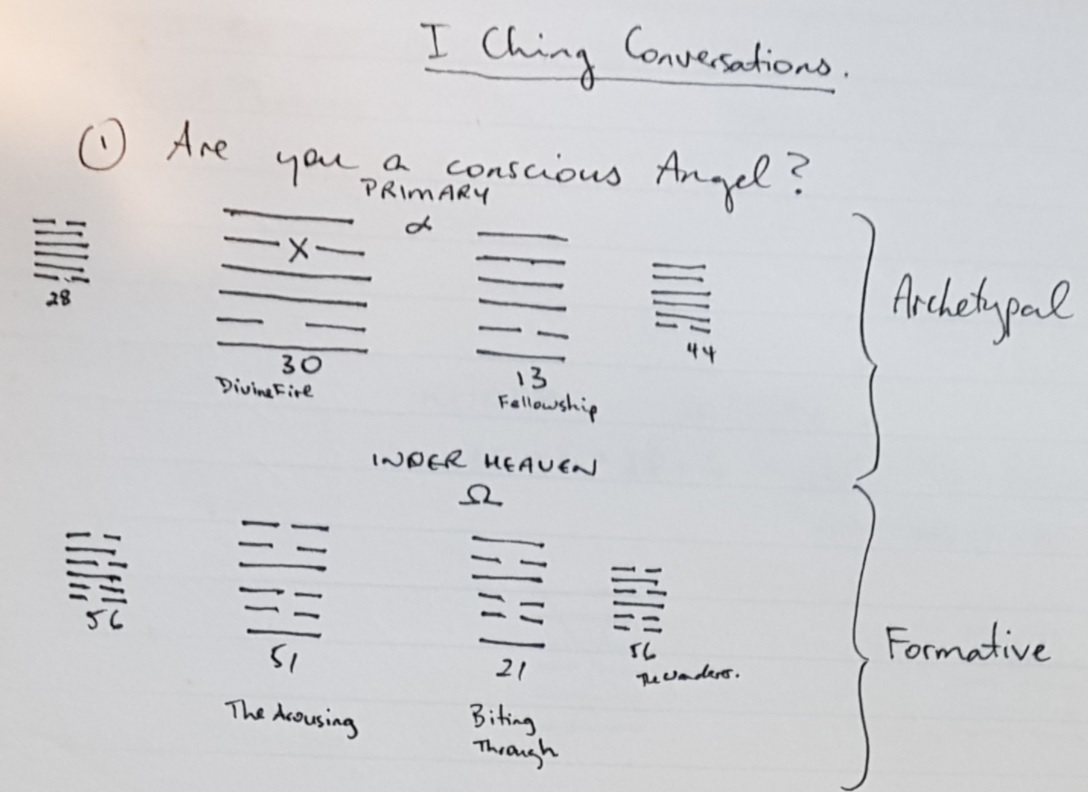
Conversing through the Book of Changes.

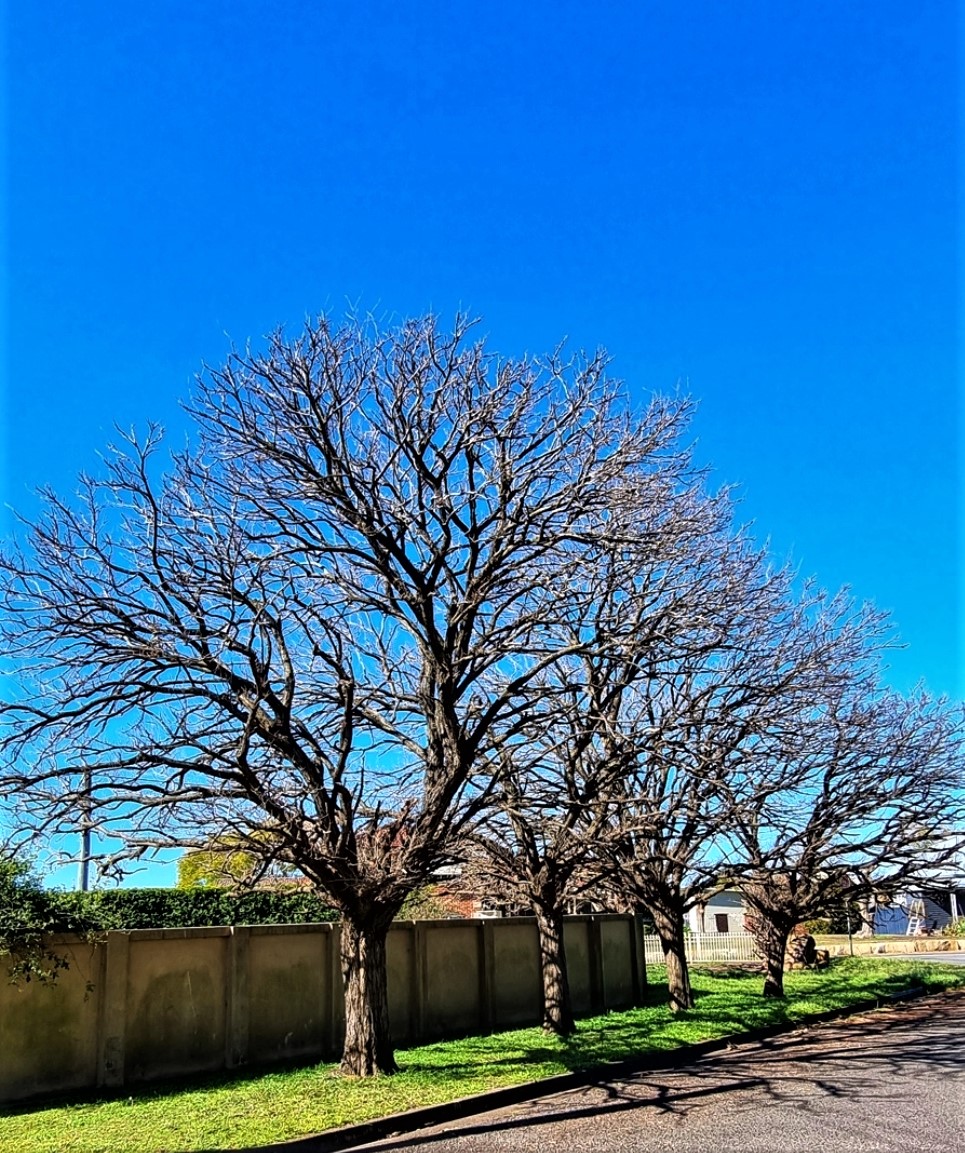
Someone lost a feather.


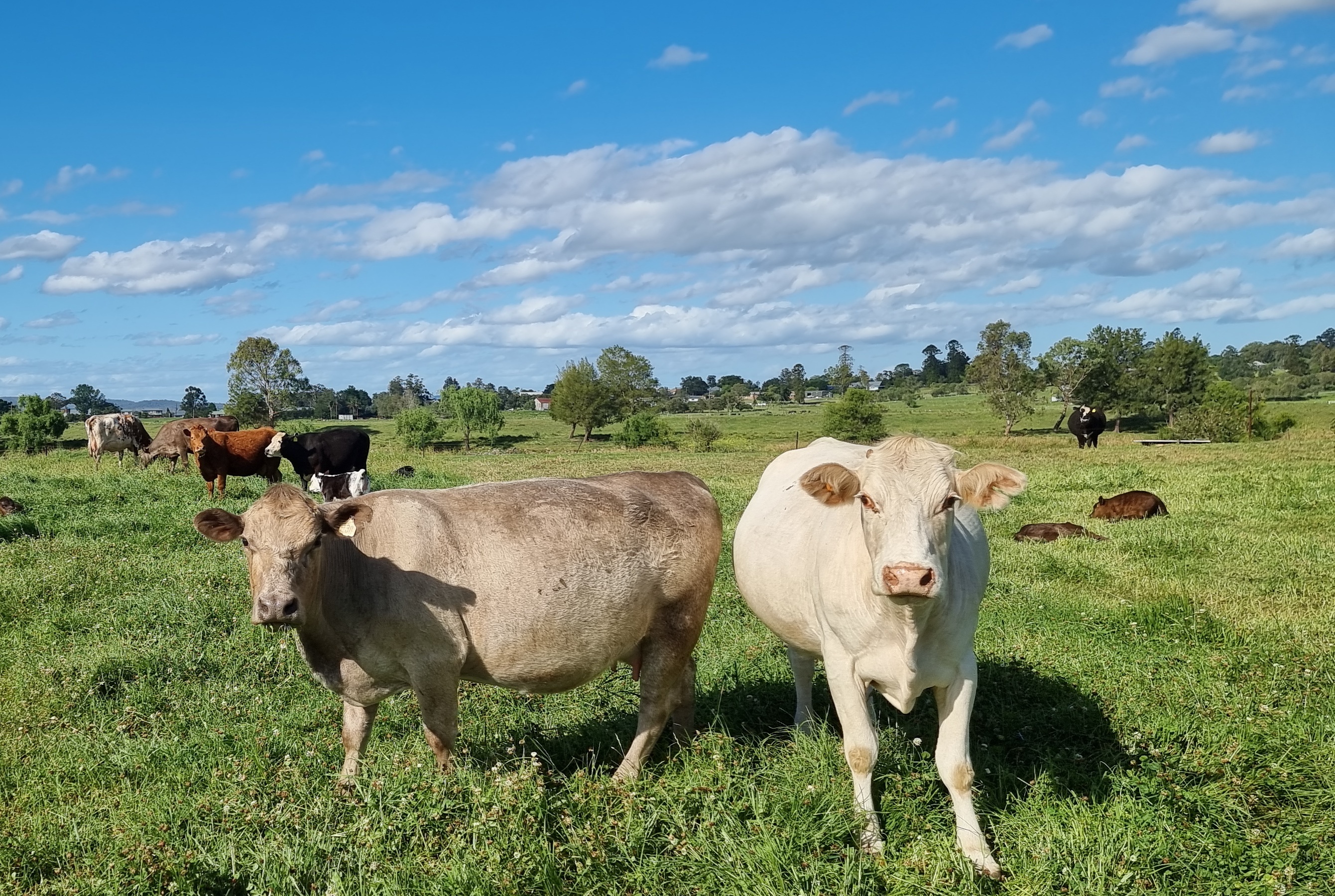
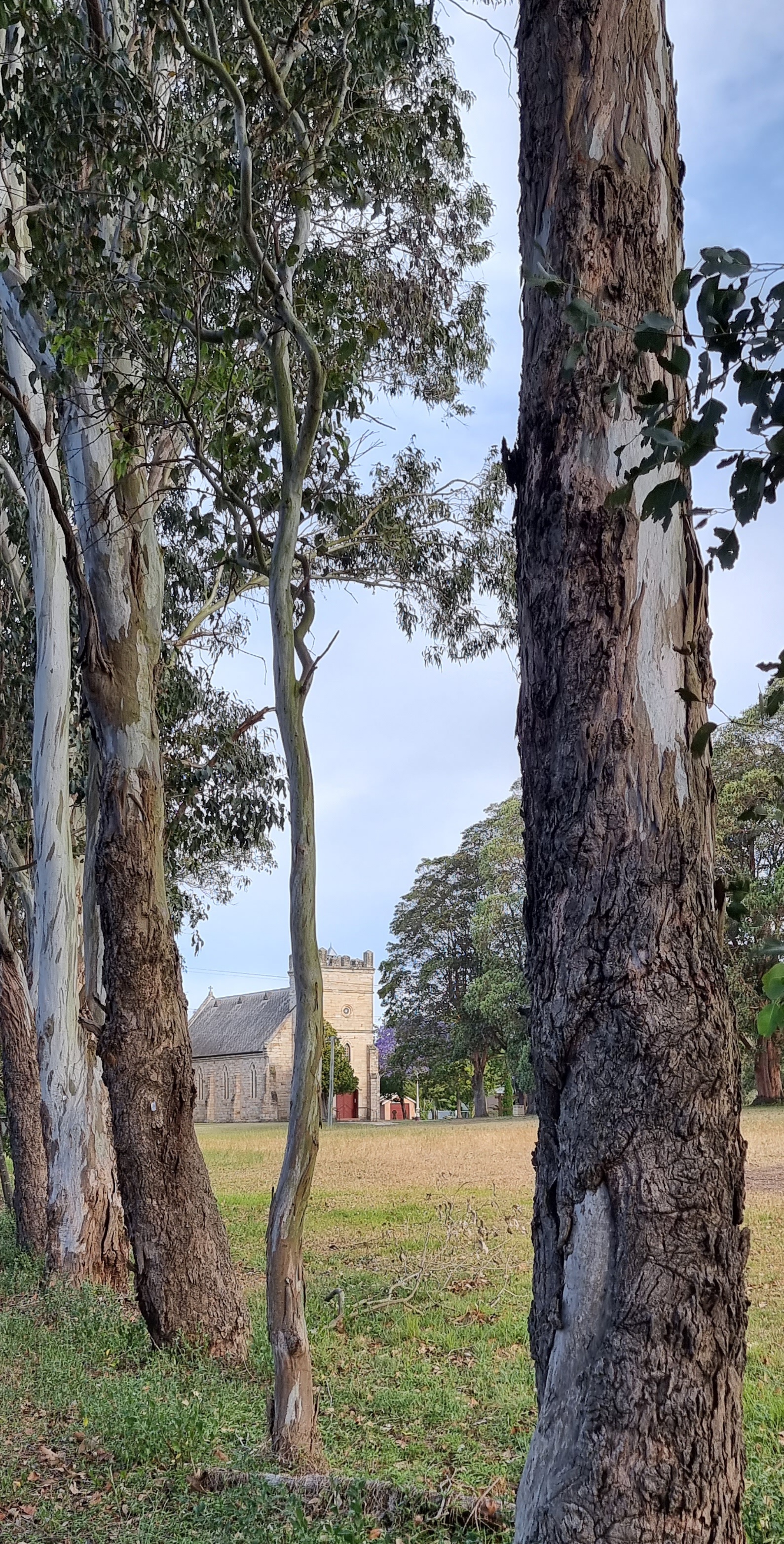
More Photos from my Neighbourhood

November 7, 2021


An Experiment with the Third Mind

July 24, 2021

After reading The Third Mind by Brion Gysin and William Burroughs I thought I’d try my hand at it. The technique uses cut-ups and involves taking texts, cutting the pages, and then rearranging and combining the pieces to form new narratives. I used some of my own spontaneous prose which I cut up and made this.

Doors flower here, my secret parents told me a long time ago.

I was standing outside the driftwood gate near the rusting letter box.

Yes, the one where the letters you sent me didn’t arrive.

Heart trip blue, harbouring despair – smoke symbol outside the drift wood gate near the mountain top.

A show of innocence, Earth moments, Venus breaths and Martian chaos.

A smoke journey, a curling language, a wording made of clip clap foot steps and sacred sighs …

Sadness in the sky, blue Trumpet Justice.

Into the losing night light

he raised the candle

tattooed snow

cobra fish moon mind and my moon vision.


The Calling

July 1, 2021

Thought as matter, divisible by number, rendered my beliefs obsolete. Meaning, my existential promise, dissolved. Seeking solitude, I faced the enigma of its purpose. As my body rested, receptive to a message, recognition crept along my spine—a tingle, a gentle stroke. Warmth emanated between my shoulder blades, its source unknown. Who or what called out through my nervous system?

This new ignorance emerged strangely. Recognition came with assigned meanings, without my consent. Could it be forgotten knowledge, buried beneath layers of thought? Deep within, destiny lay hidden beneath the façade of matter. I felt it. Whether an ancient bone or a mere abstraction, it pointed away from thought.

I lit a cigarette and approached the window. The sky cleared, sweeping away thunderclouds with the afternoon breeze. What was the call resonating in my secret emptiness? “Bones surely don’t shape destiny,” I exclaimed. Perhaps destiny was too grand a word. My skin warmed, and I closed my eyes, focusing on the image of a candle flame. A childhood ritual before slumber. I felt the air entering and leaving my nostrils. Deep within my chest, the flame burned steadily. Gentle smoke filled the crevices of my skull. My hands and feet became extensions of an invisible stranger, employing flesh and bone as a gardener wields a spade.

A snake slithered through the air, its presence a silent hiss, brushing against a wall. Gazing upon my hand resting on the window sill, I recognized the snake coiled in gold around my ring finger—the Holy Ghost finger, adorned with a gift from a long-lost friend.

“Babylon is burning at the end of your cigarette,” she spoke. Appearing before me, she held a pitcher of water and a glass. The air crackled around us. She whispered, “Tell me, what is a man? A swirl of windblown dust, caught in the cone of events, swinging across the arc of his life like a pendulum?” Her gaze captured me.

“I take refuge in my beliefs…” I repeated in my mind, a merry-go-round mantra. Doubt’s guns clicked and fired in Russian roulette timing: silent movies, frozen expectations, remnants of a fading life, pantomime gestures. Bang! Frame by frame, each movement posed a question mark in the animation of humanity, subtitled, “I think, therefore I am.” The soundtrack repeated endlessly, “I take refuge in my beliefs.”

Placing the pitcher on the table, she took a sip from the half-empty glass. “You think the true heart lies within your chest, that pumping organ. You are gravely mistaken.”

Flicking hair away from her eyes, she spread the feathers of one wing. Each feather bore inscriptions, shifting from Cyrillic to Chinese, with hints of Arabic, Hebrew, and Greek. Though their meaning eluded me, I pondered if they formed an alphabet of feathers, with “wing” as a verb. Perhaps subject and object were not separated in this language—I was illiterate in the realm of angels. Entranced, I fixated on the area of her wing, left of her elbow. The patterns resembled hieroglyphs, or so I believed. A mystery unfolded—how can something be itself yet point to another for identity?

“Now is not the time to dwell on this,” she interrupted. “The three-dimensional world perceived by your five senses is an illusion. If you could slow this holographic movie to a near standstill, you would discover that flesh and blood are but one step removed from your true body—the imperishable one. The same applies to your mind. You believe you think, establishing perceptual and conceptual boundaries, claiming ownership of the images and ideas in that psychological space. They are as synthetic as your heart.”

She paused, her index finger caressing the glass rim. A low hum resonated, breaking the silence. Continuing in a slightly louder whisper, she revealed, “In truth, your thoughts are those of another, passing through your mind. You are but a vessel. Thoughts cruise and soar within you, unrelated to your volition. They enter, stay, and depart, sometimes lingering against their will. The mind, a cube—an arena and corridor, a cage and voyeuristic peephole through senses.”

Her countenance began to fracture and crumble, fragments merging with the window. Like salt dissolving in water, she seeped through the glass, becoming the orange-streaked twilight dusk.

A snail glides across the dome of historical memory. Echoes of wailing prophets, a curling shell—a cochlea. Earth. I heard the calling, intent unknown.


Some photos of my neighbourhood

May 23, 2021

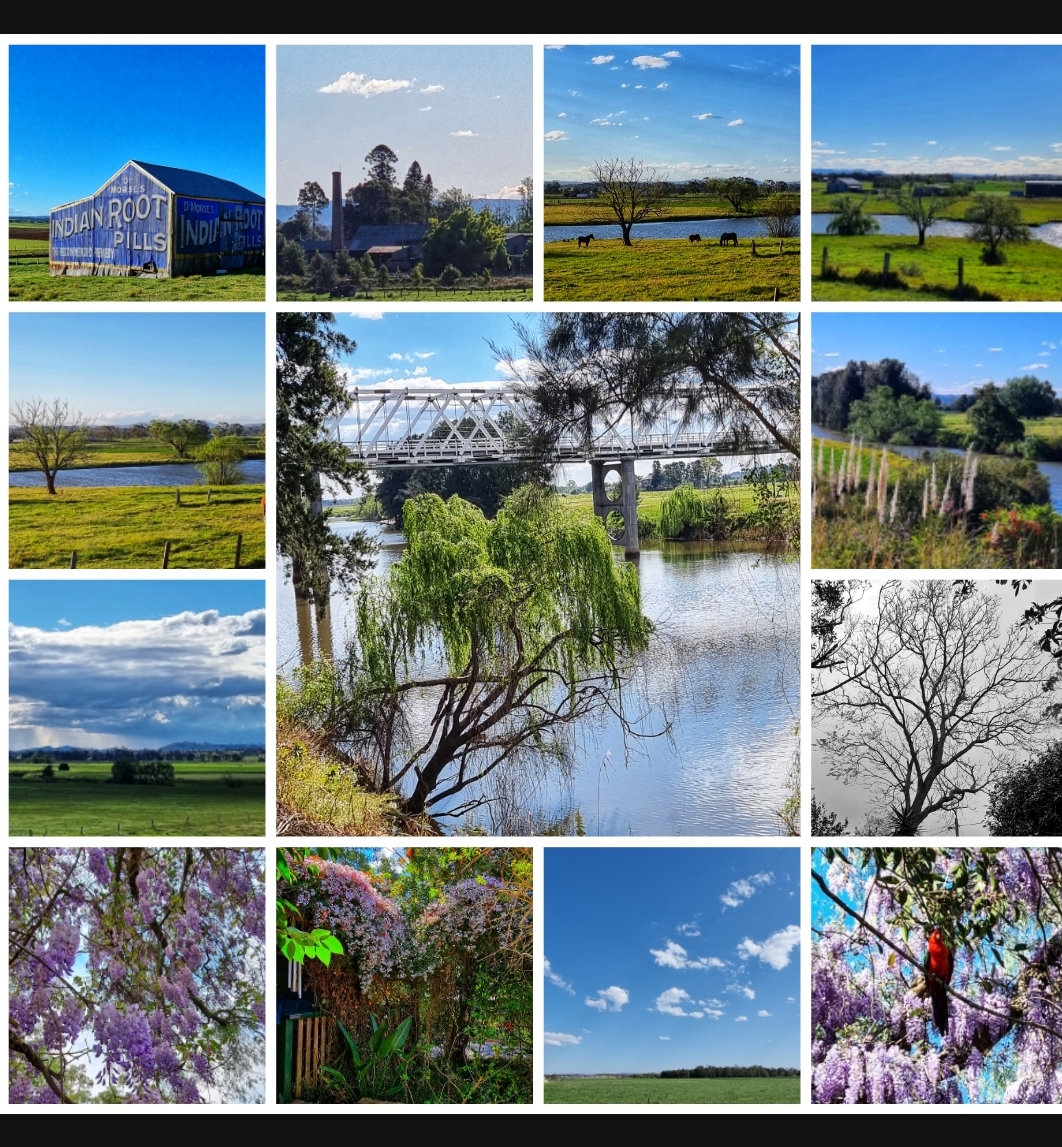
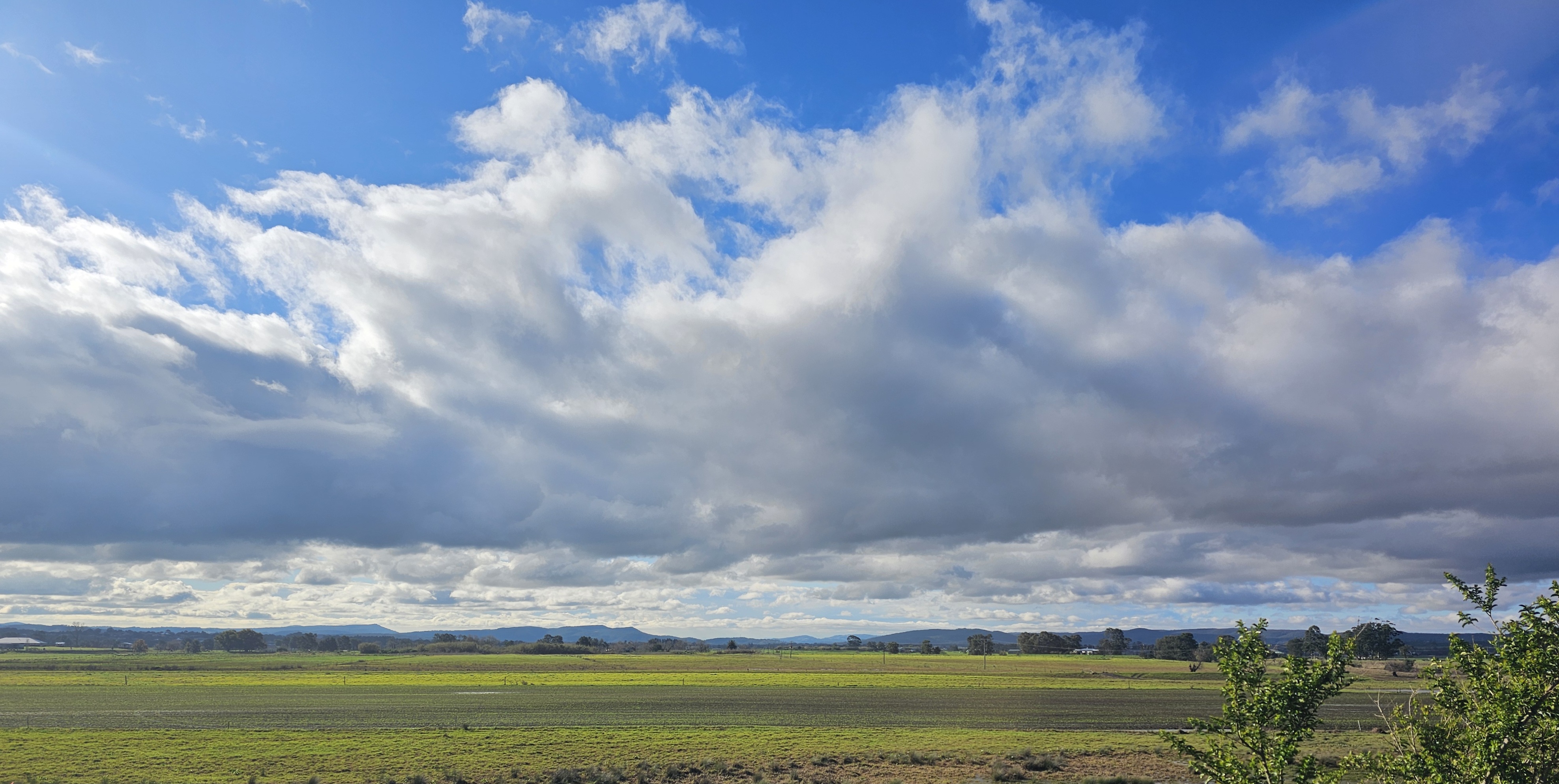
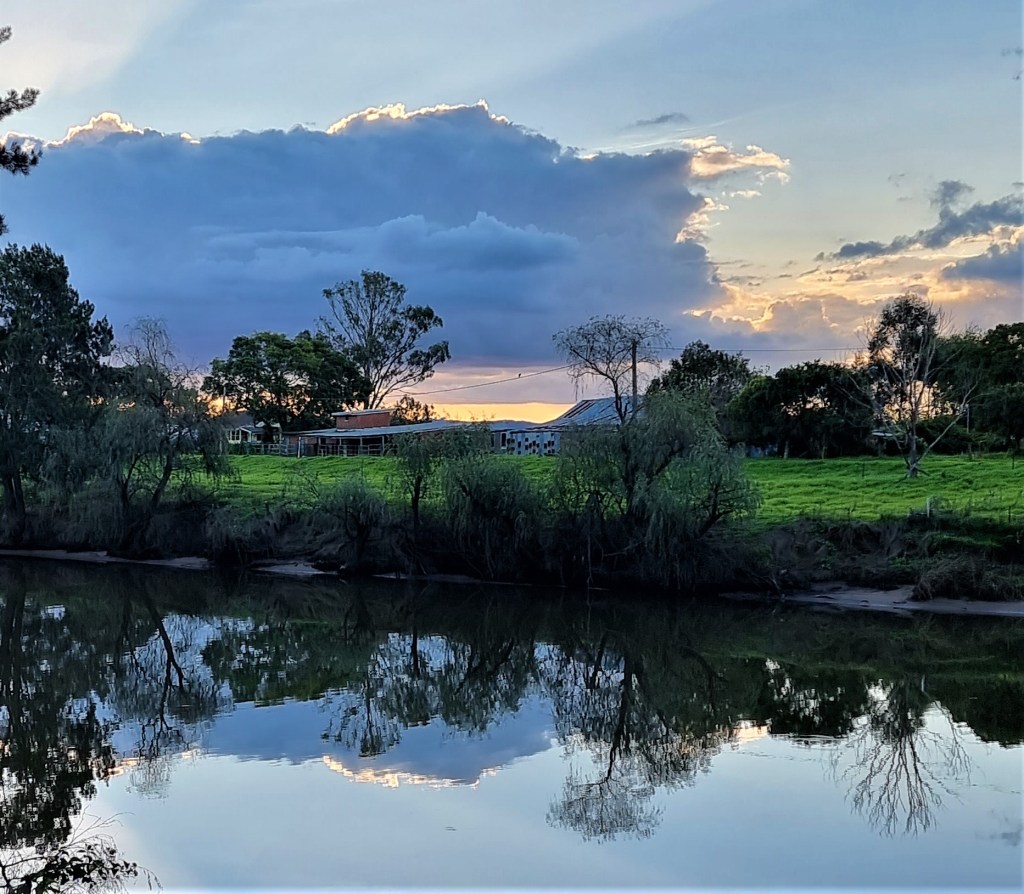
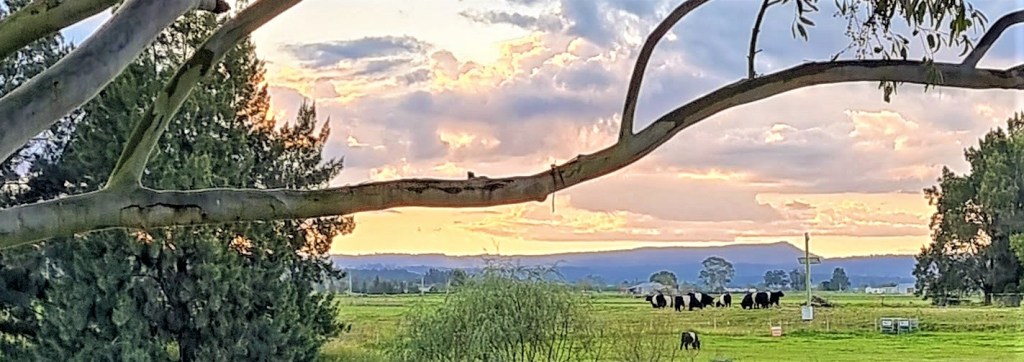
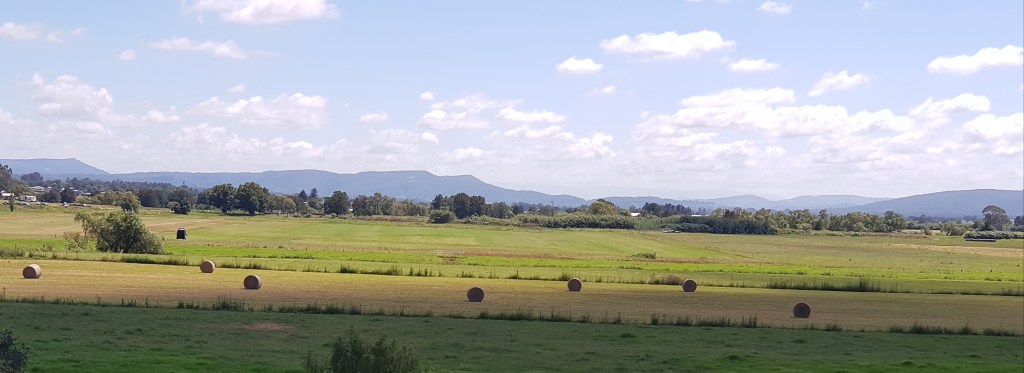
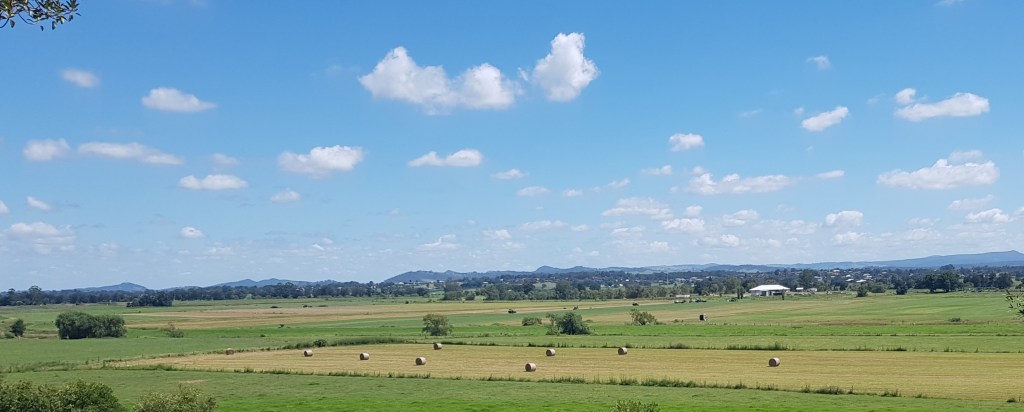
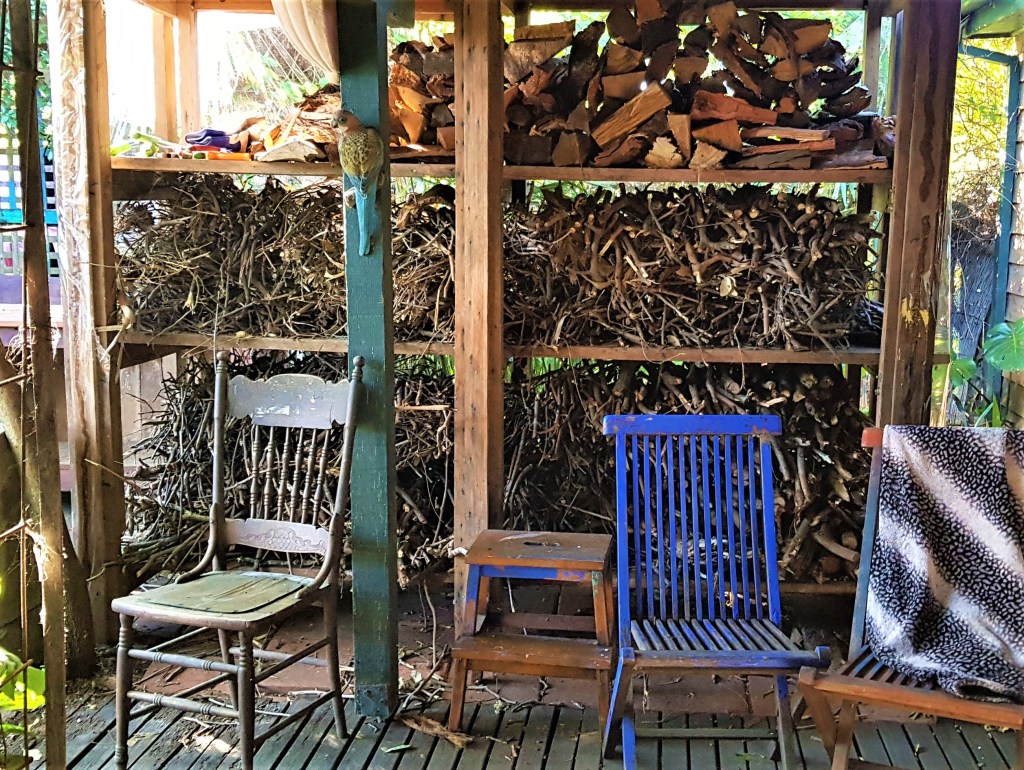
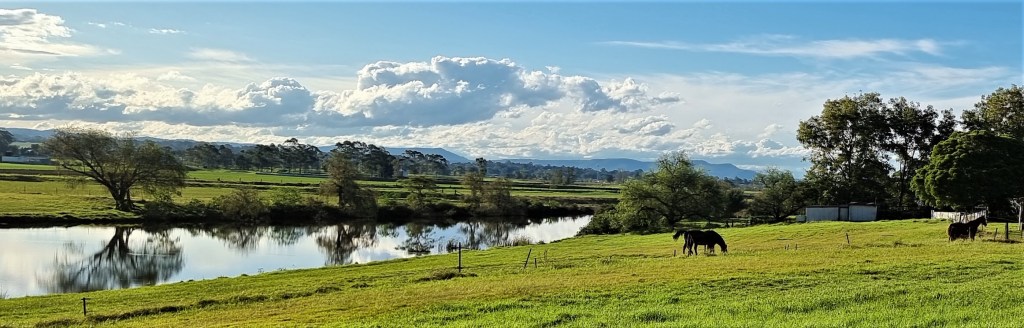
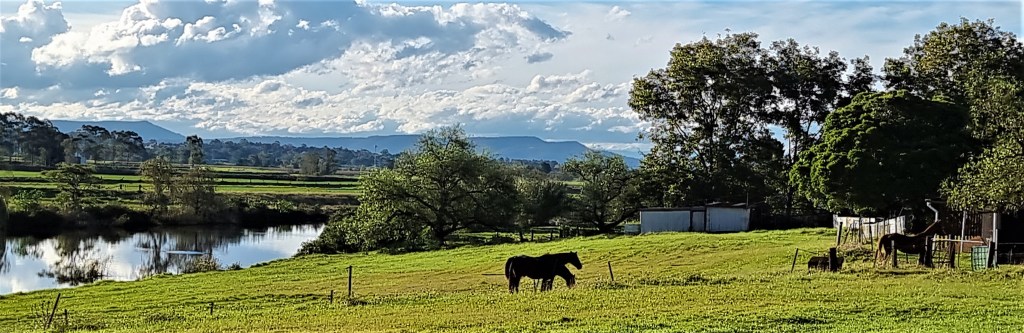
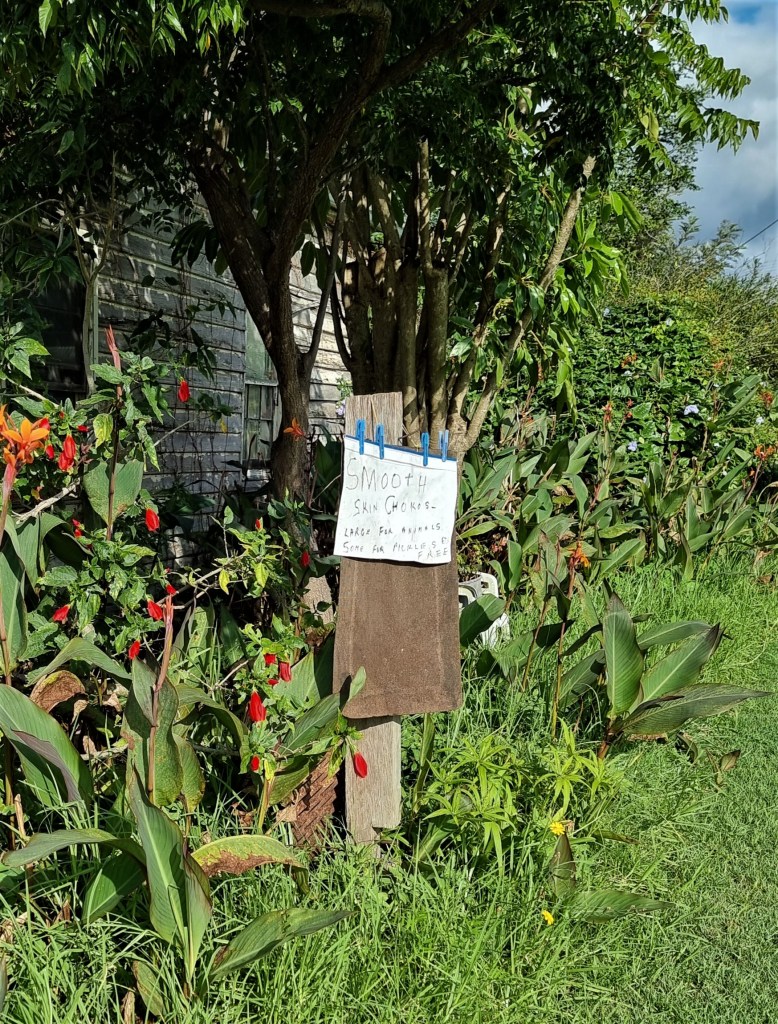
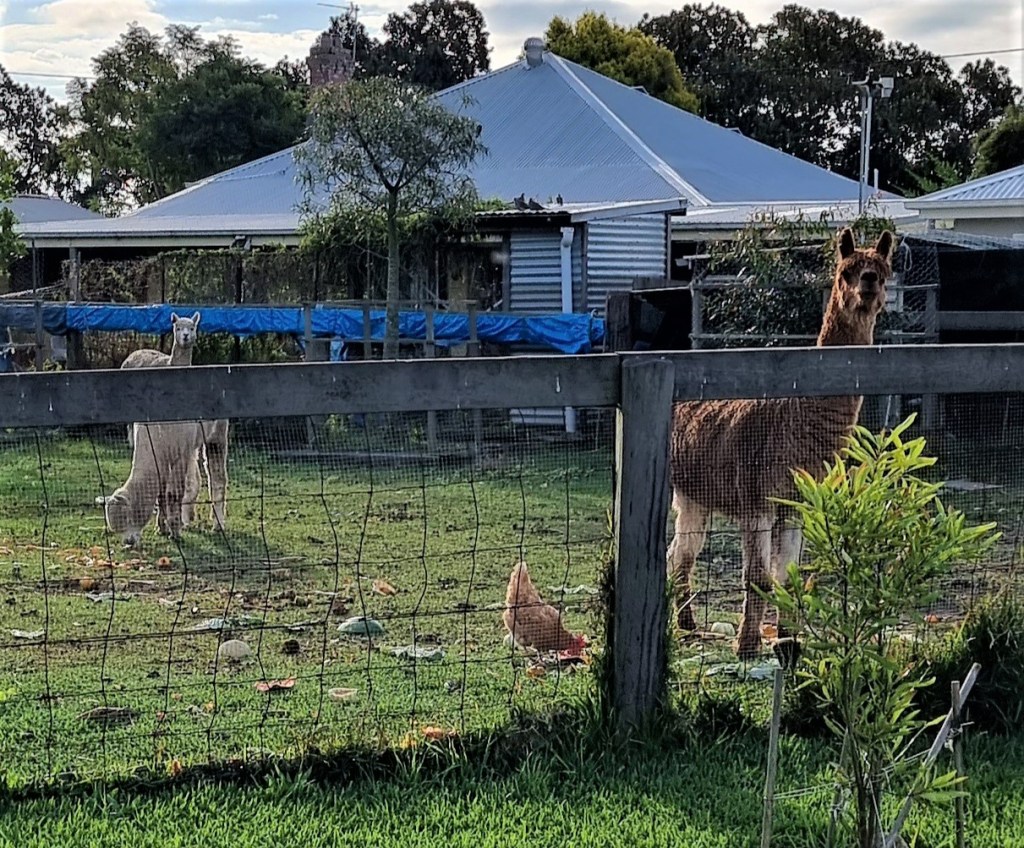
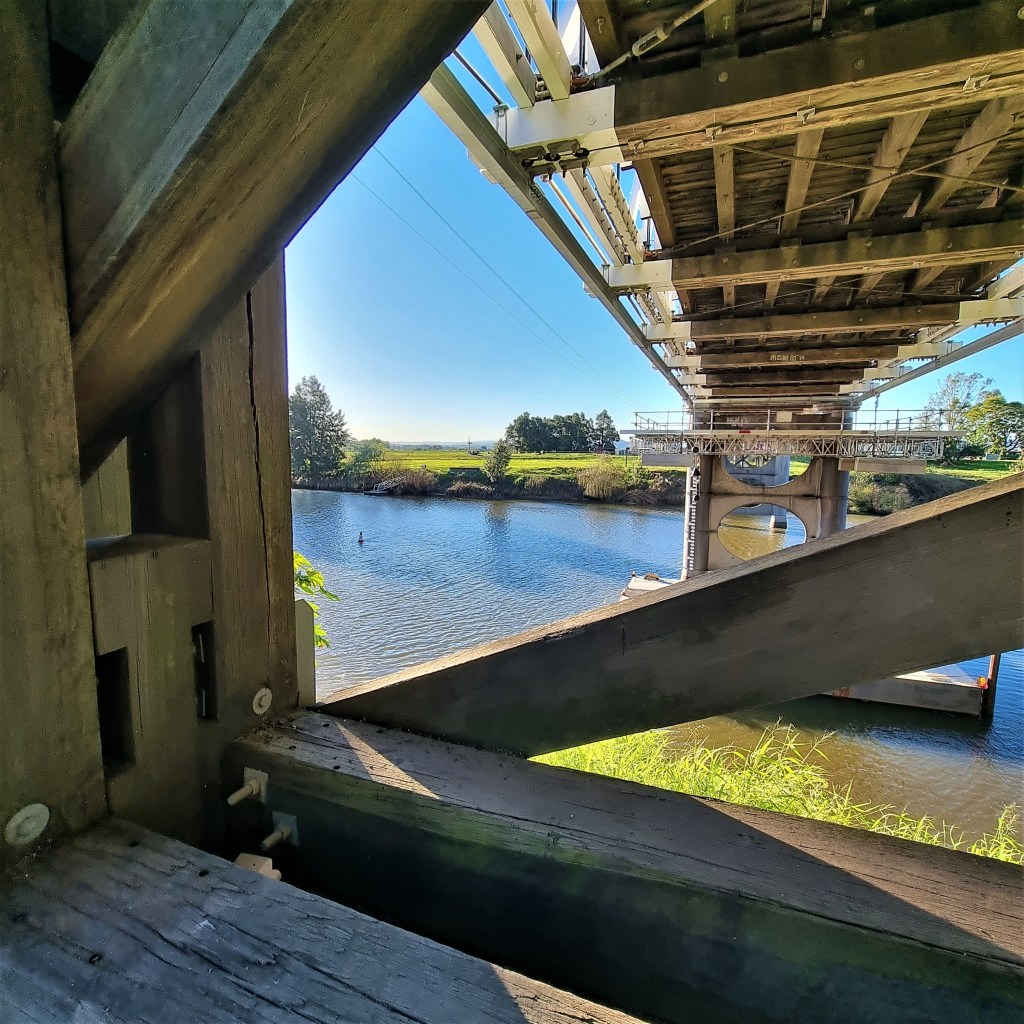
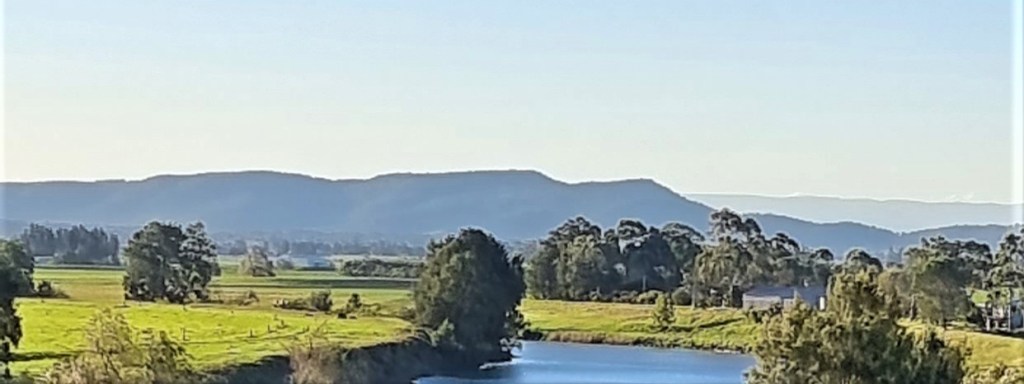
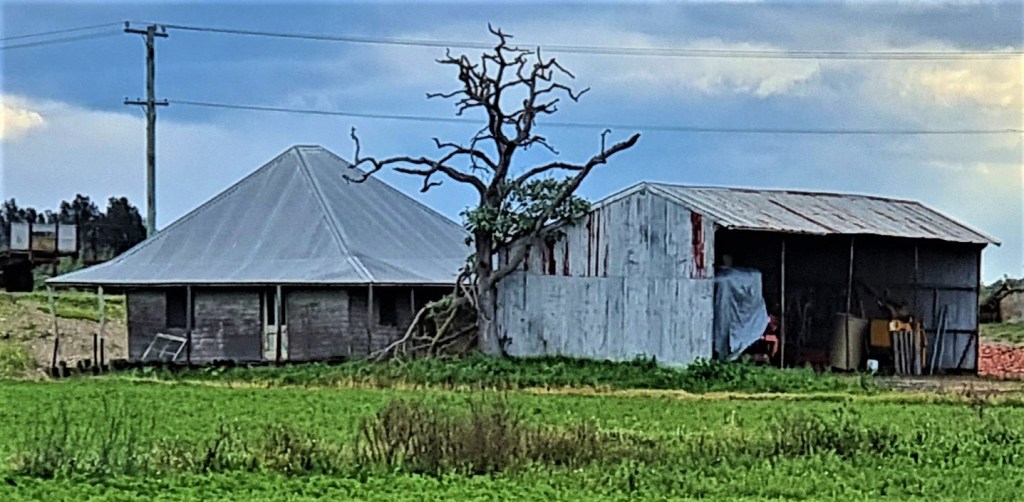
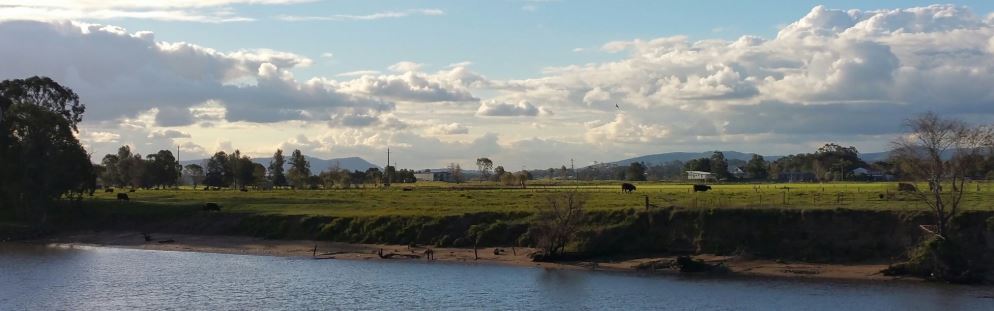
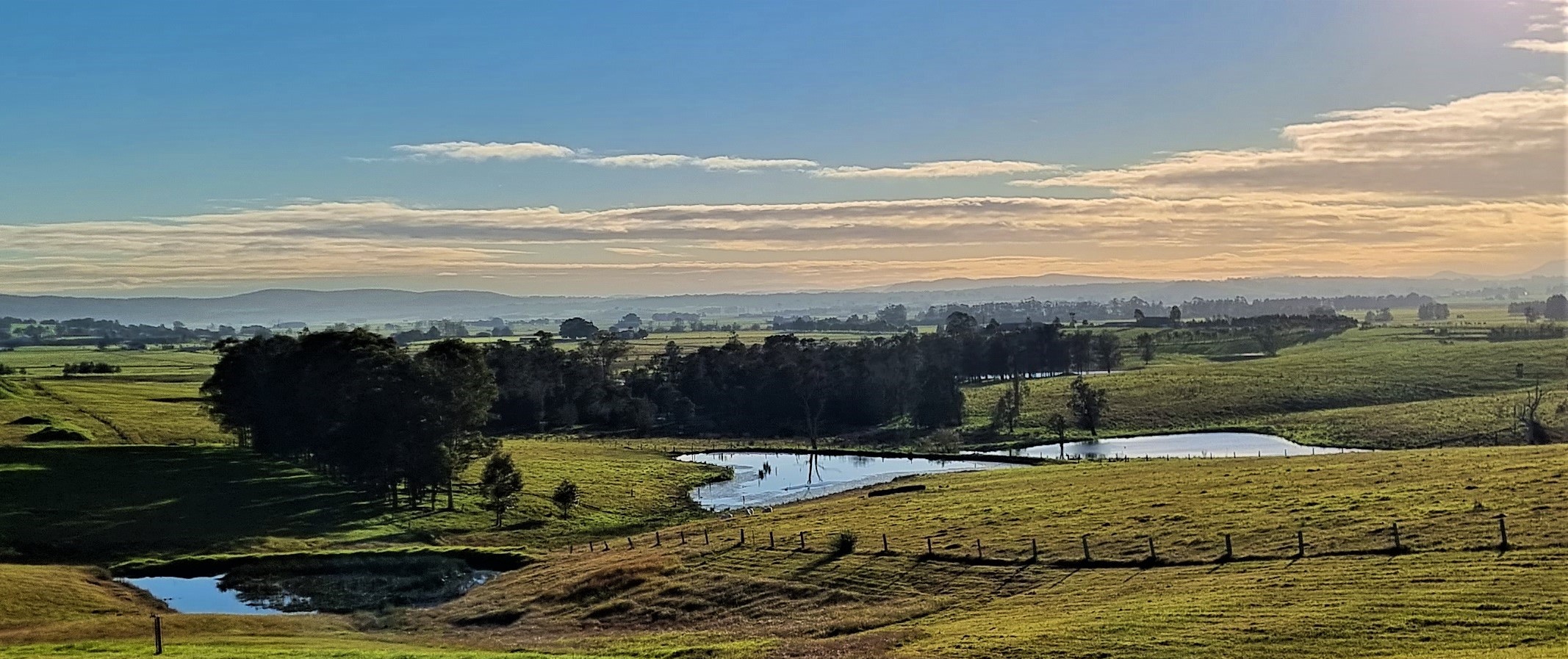
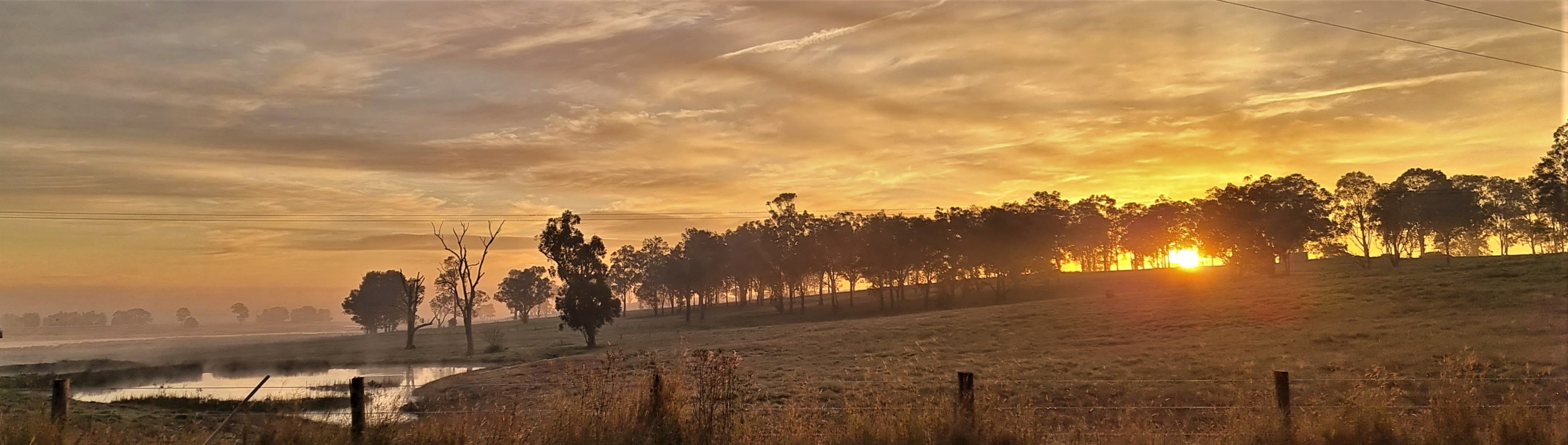
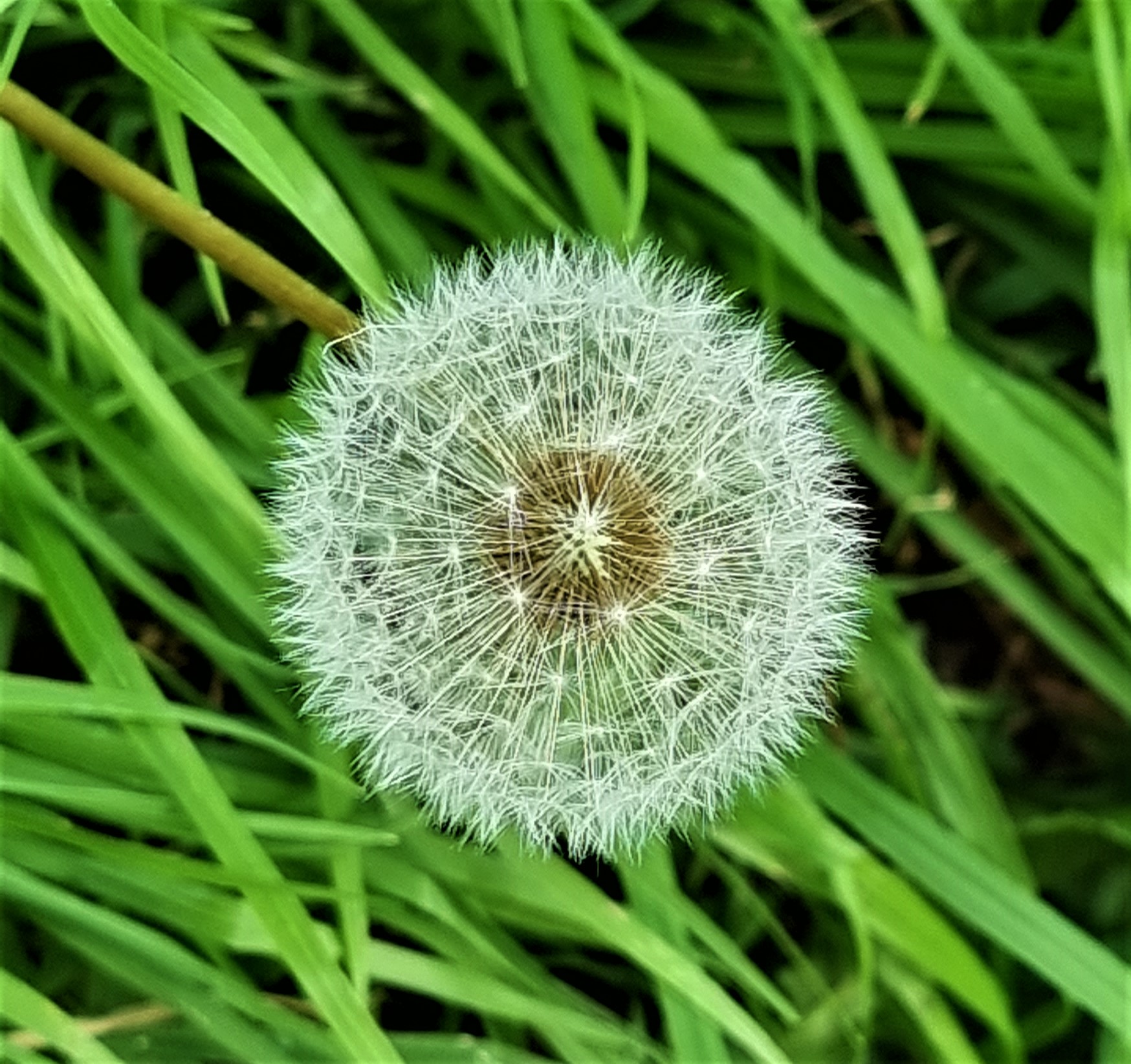
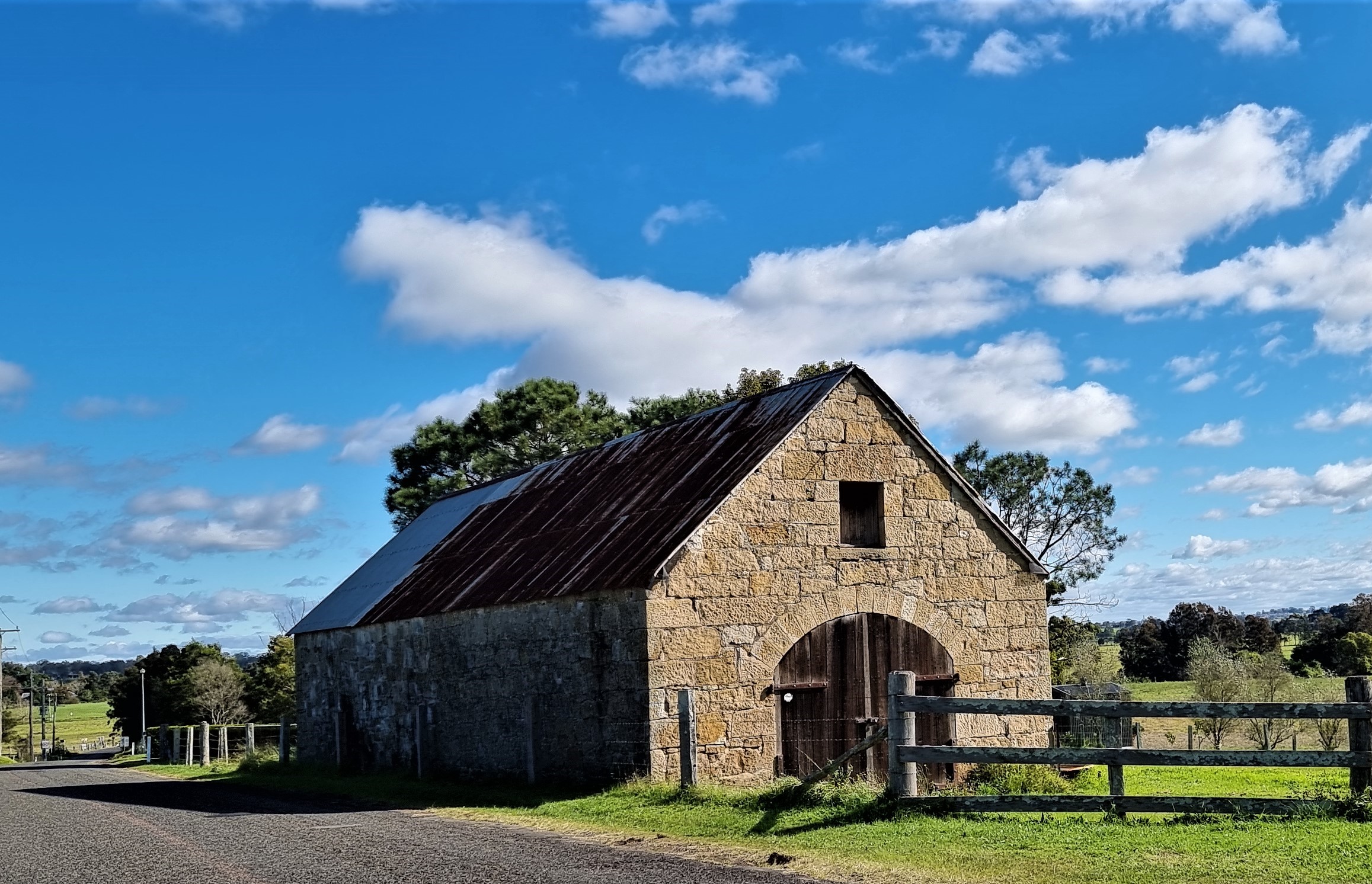
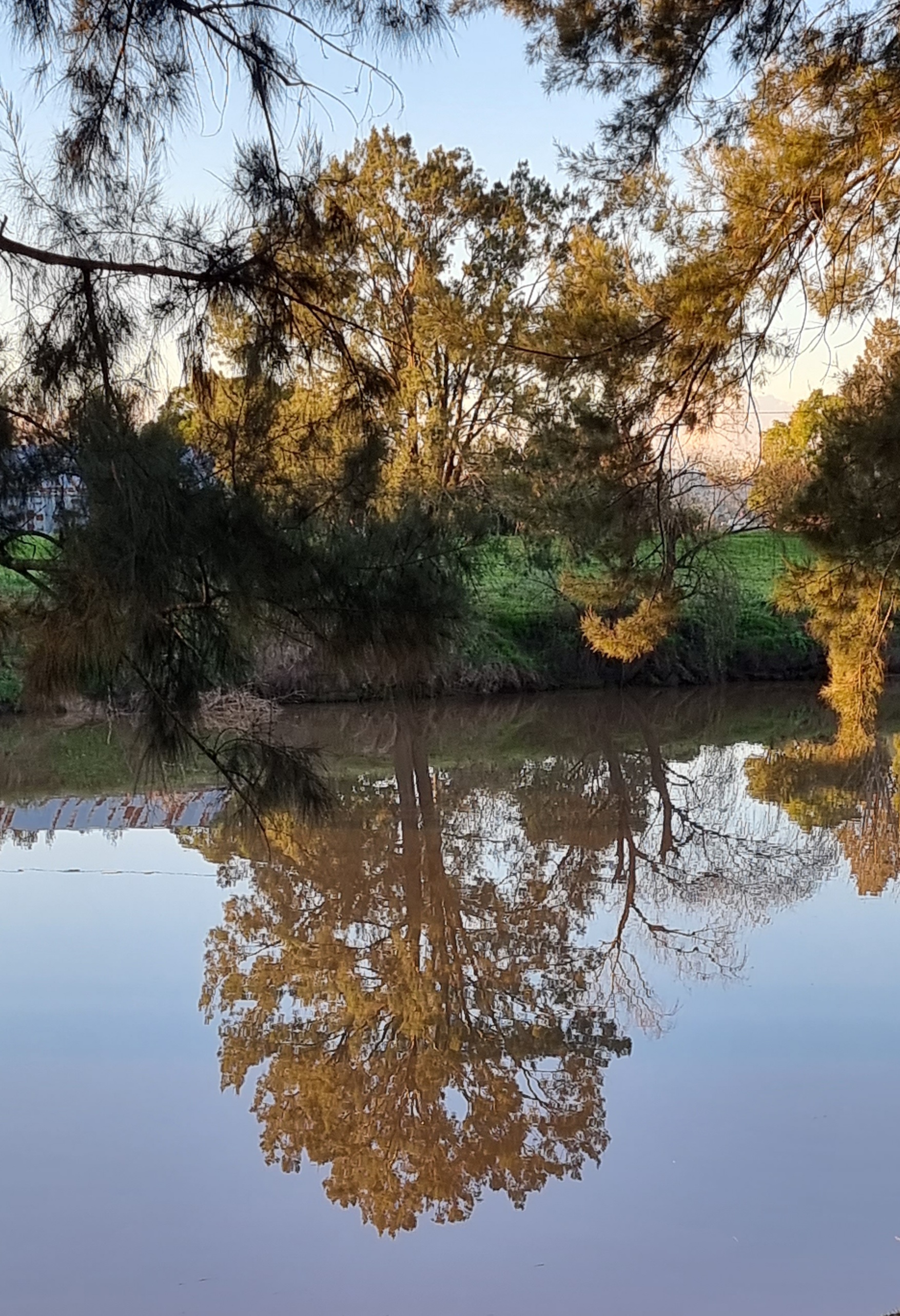
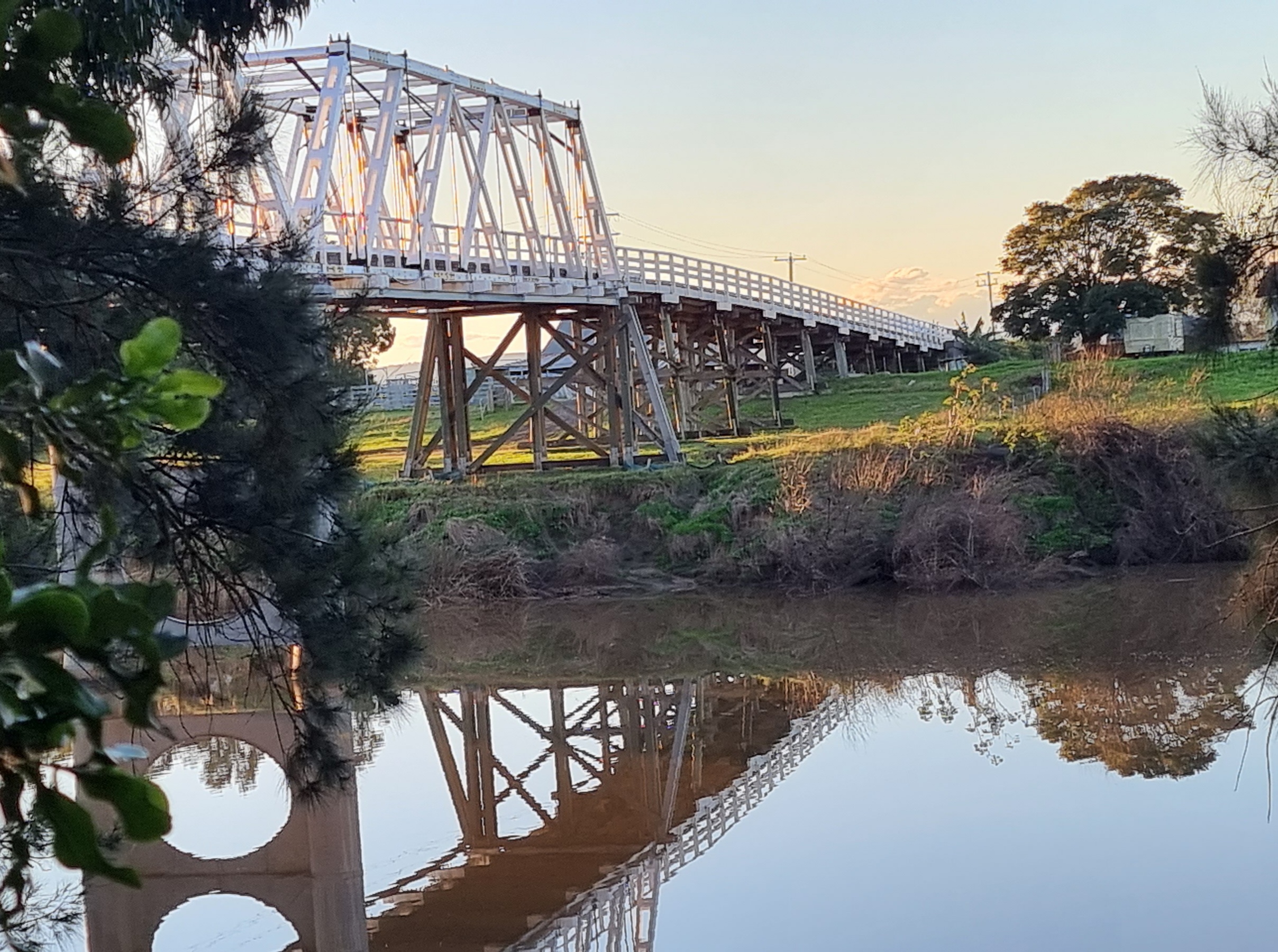
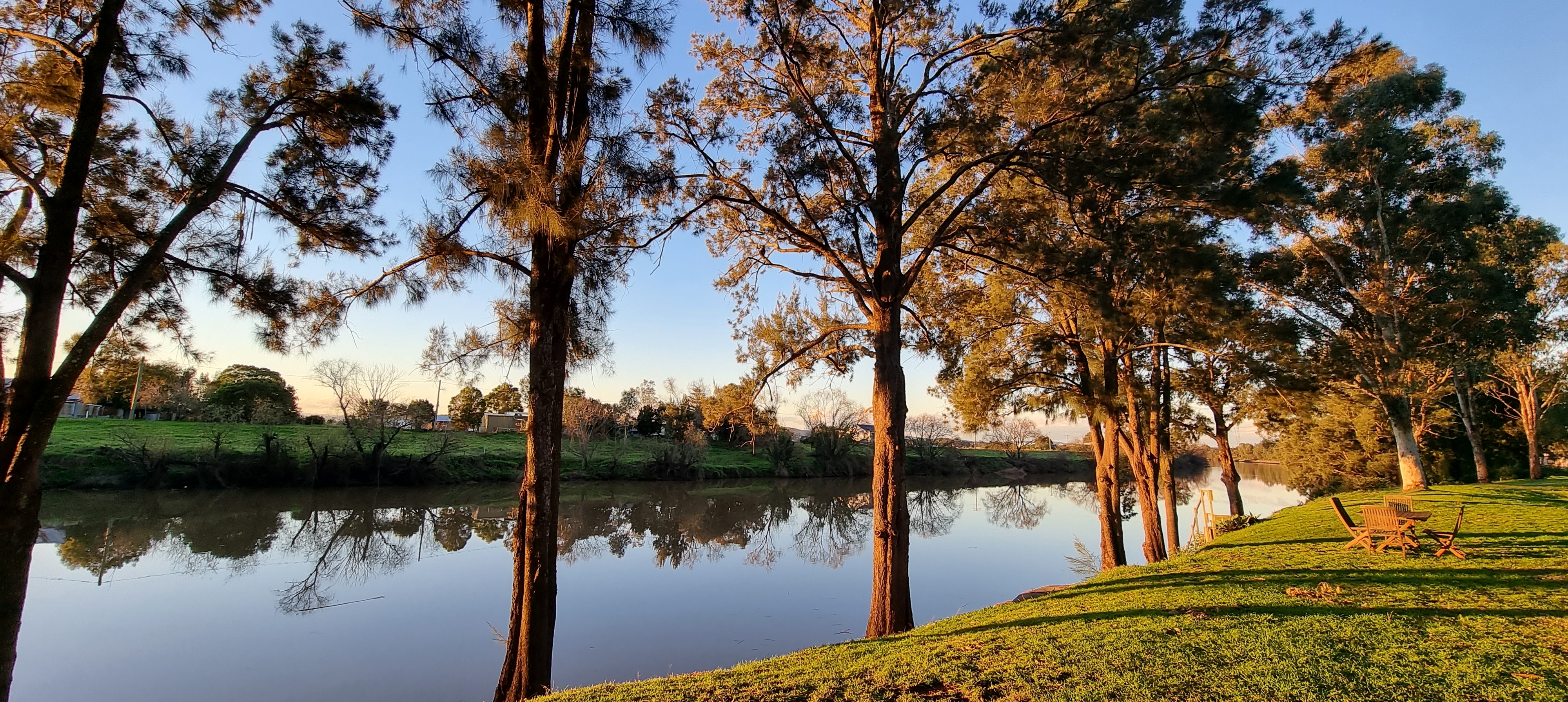
I love my phone camera. I have it with me all the time and when I see something that looks good I just shoot a picture. I walk daily around my neighbourhood for both pleasure & exercise. Where I live I am lucky that to get to my local shops I can take a slightly longer route and walk along the river bank. Consequently many of the pictures here have been taken along that route. I will let the pictures speak for themselves so there’s no captions. Just click on the photo & it will expand to its true size.

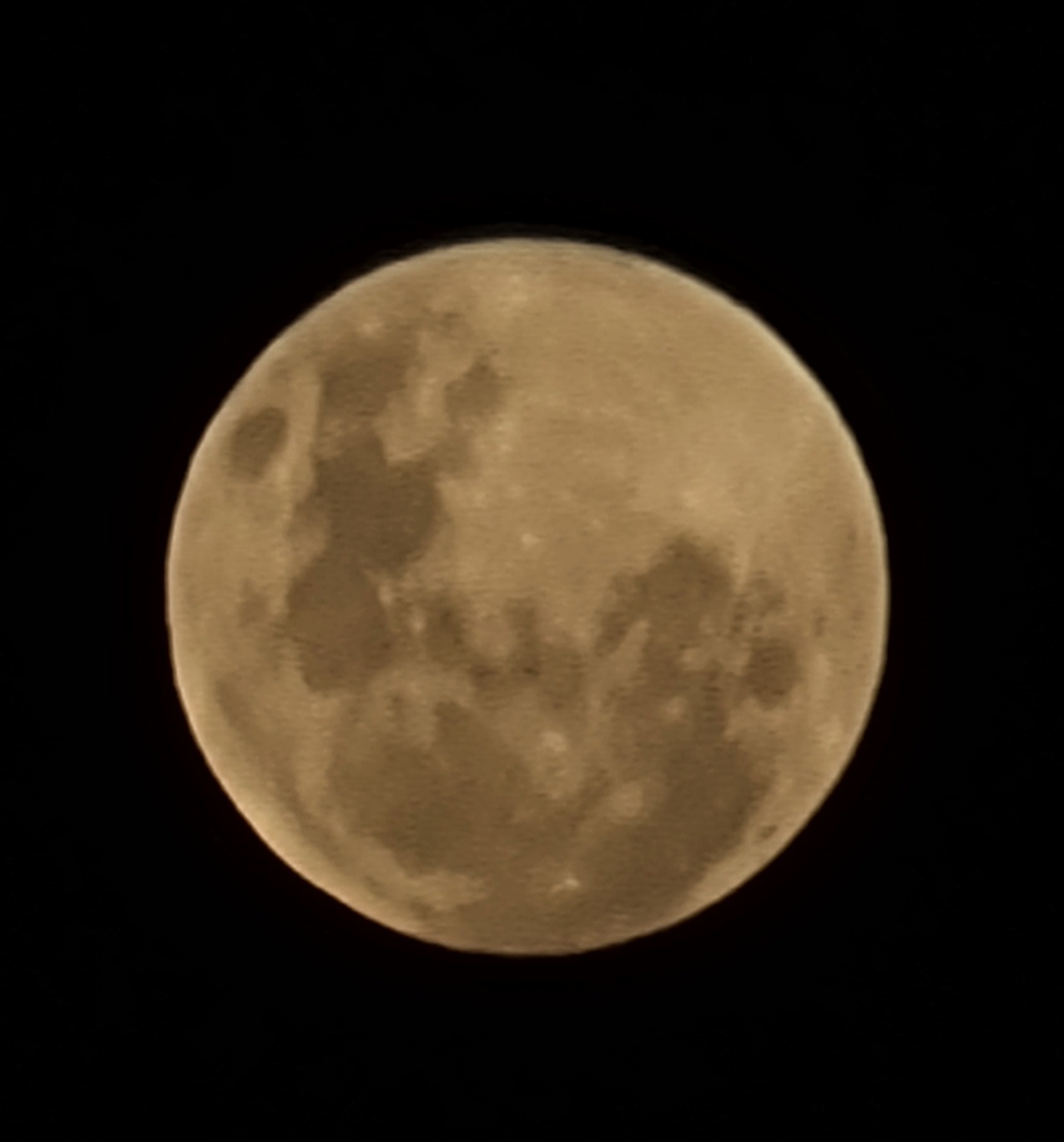
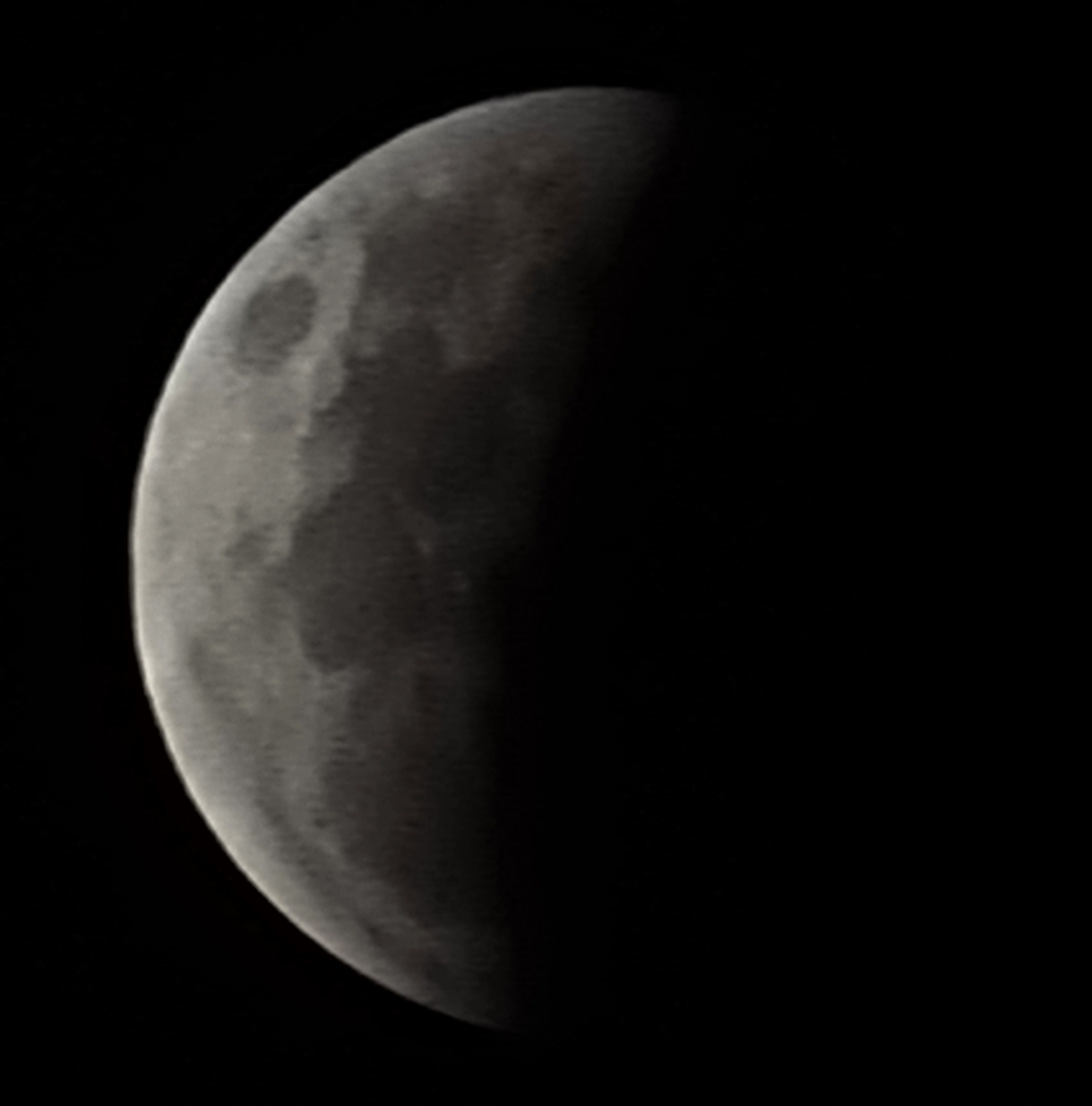
Oh yeah…some pictures are of stuff in my home except the “Metropolis” Man of steel & car parts. That’s from a garage nearby that closed down. Don’t know where the steel man is now. Hope he’s OK. I included a photo of the recent red moon eclipse on 26 May 2021.

Here’s some more photos on another post. I have put some of those on this page because I forgot they were on this page. Hey, that’s cool – so we see them twice! >

Around the house and our neighbourhood during Coronavirus.


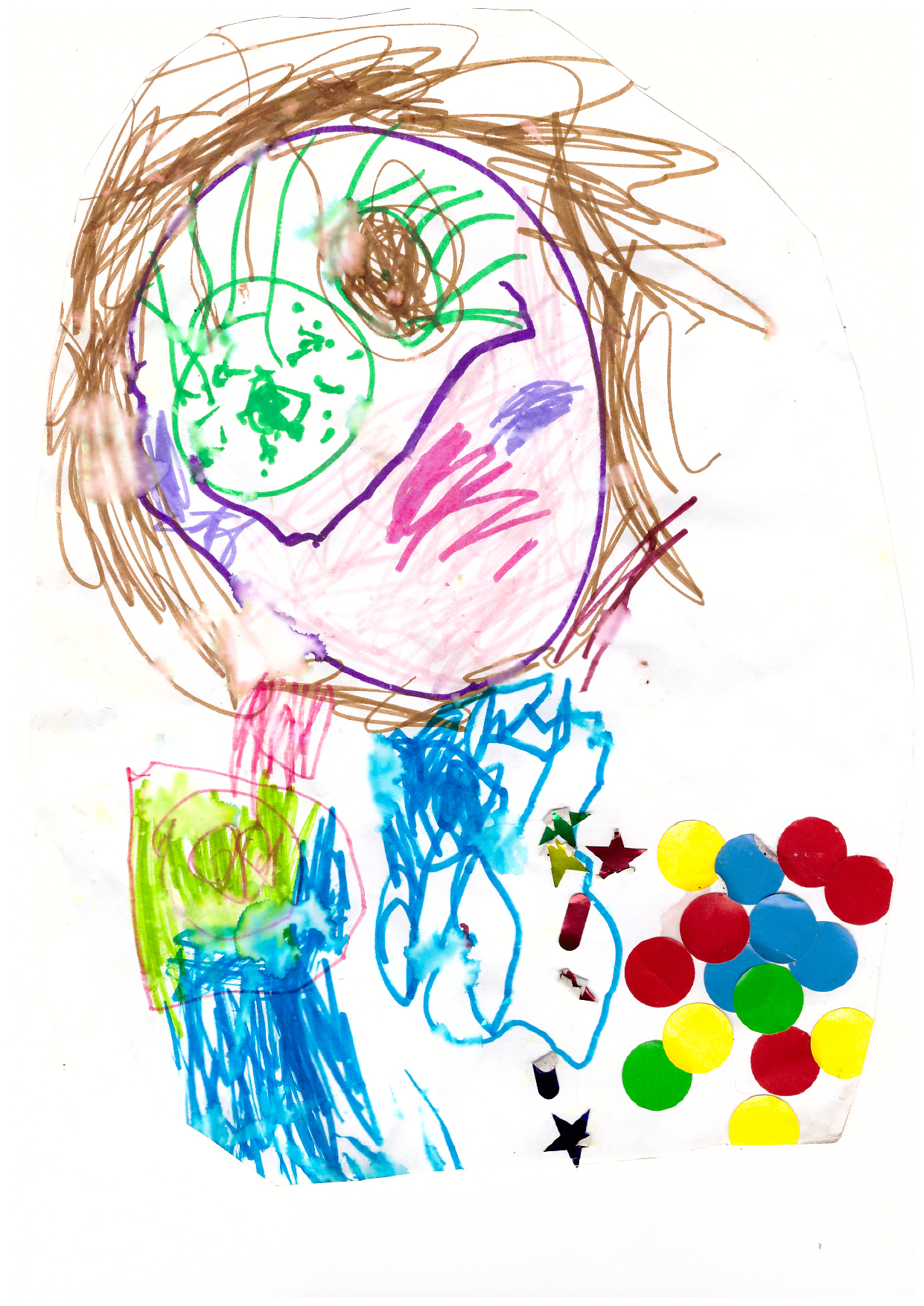
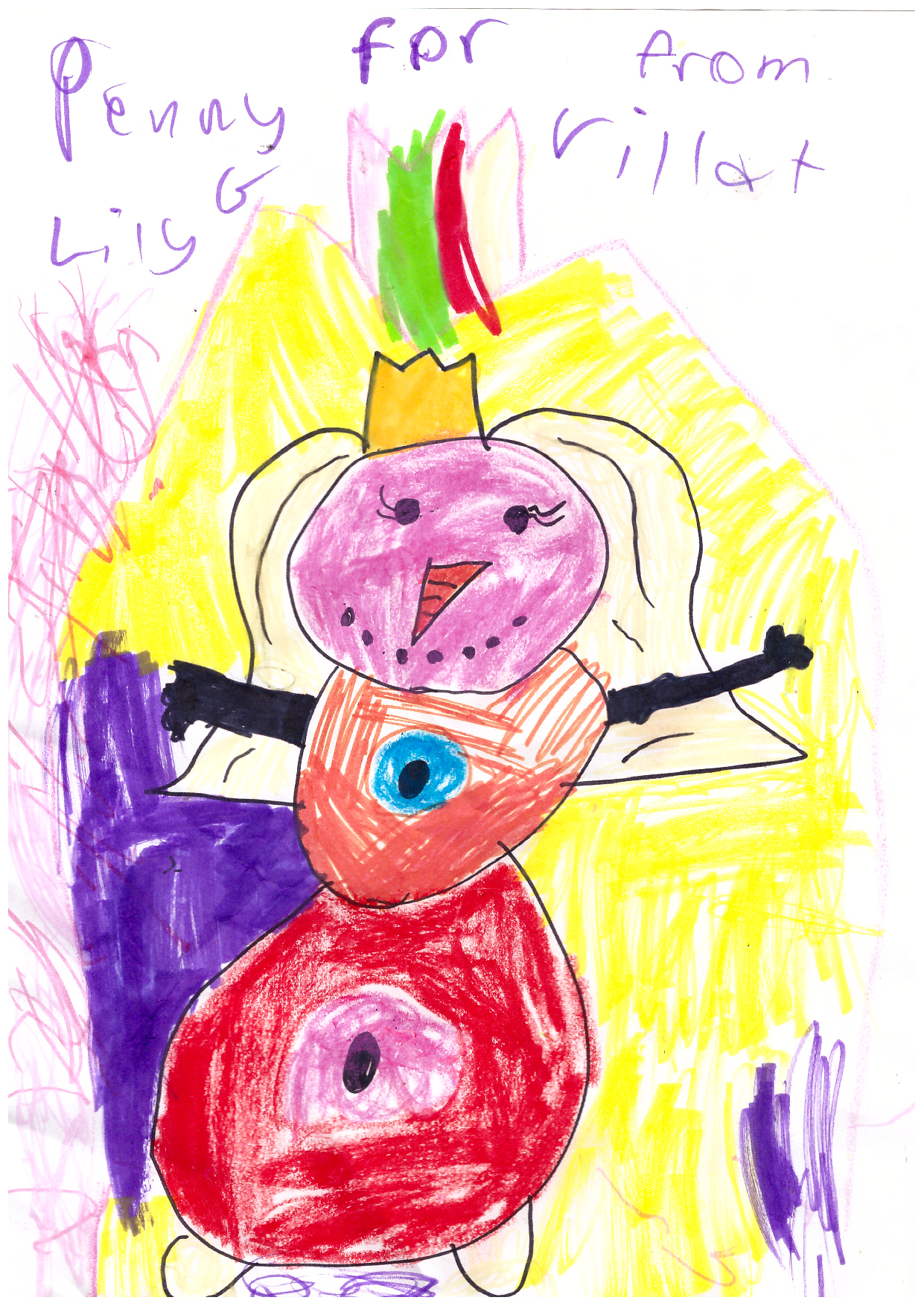
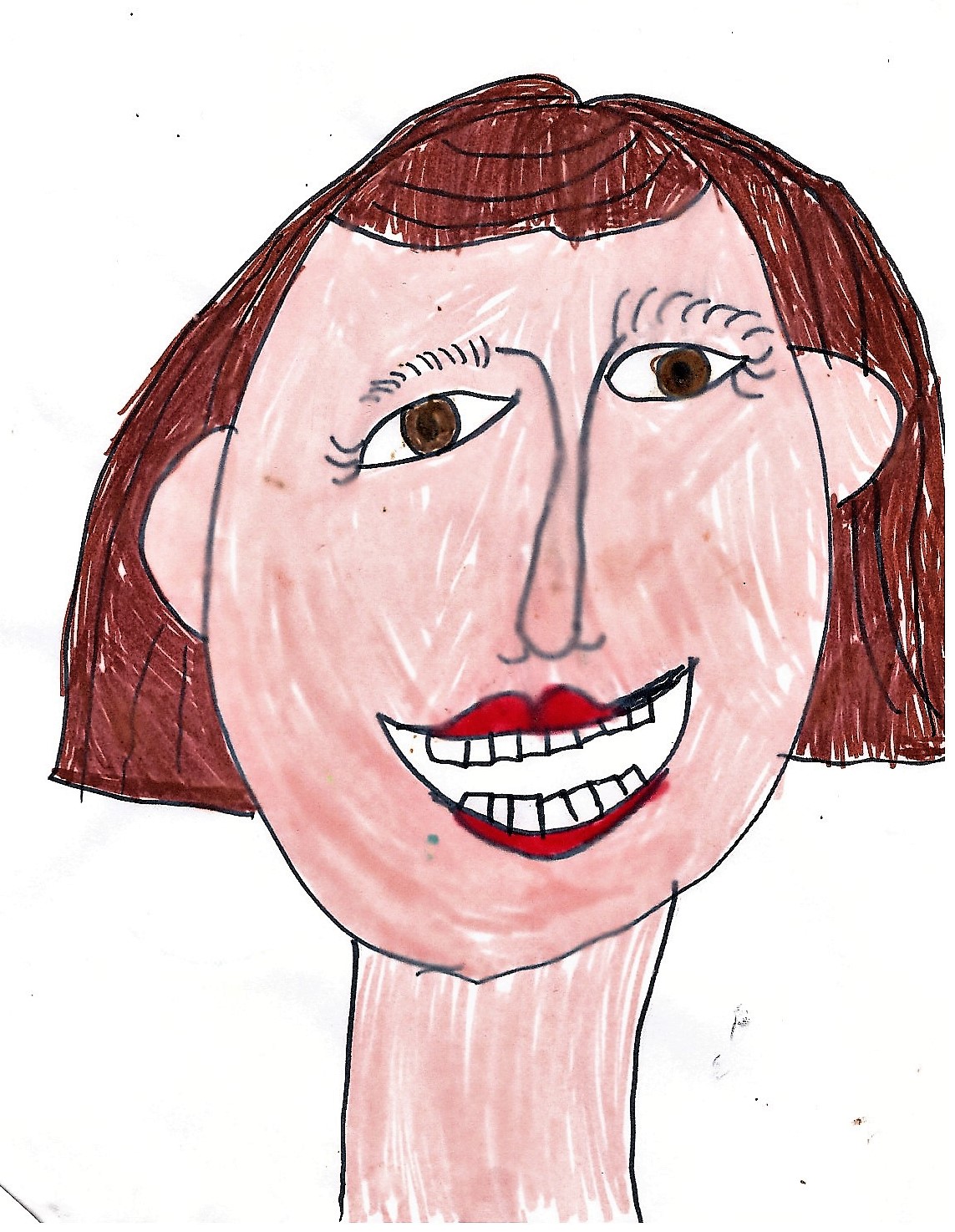
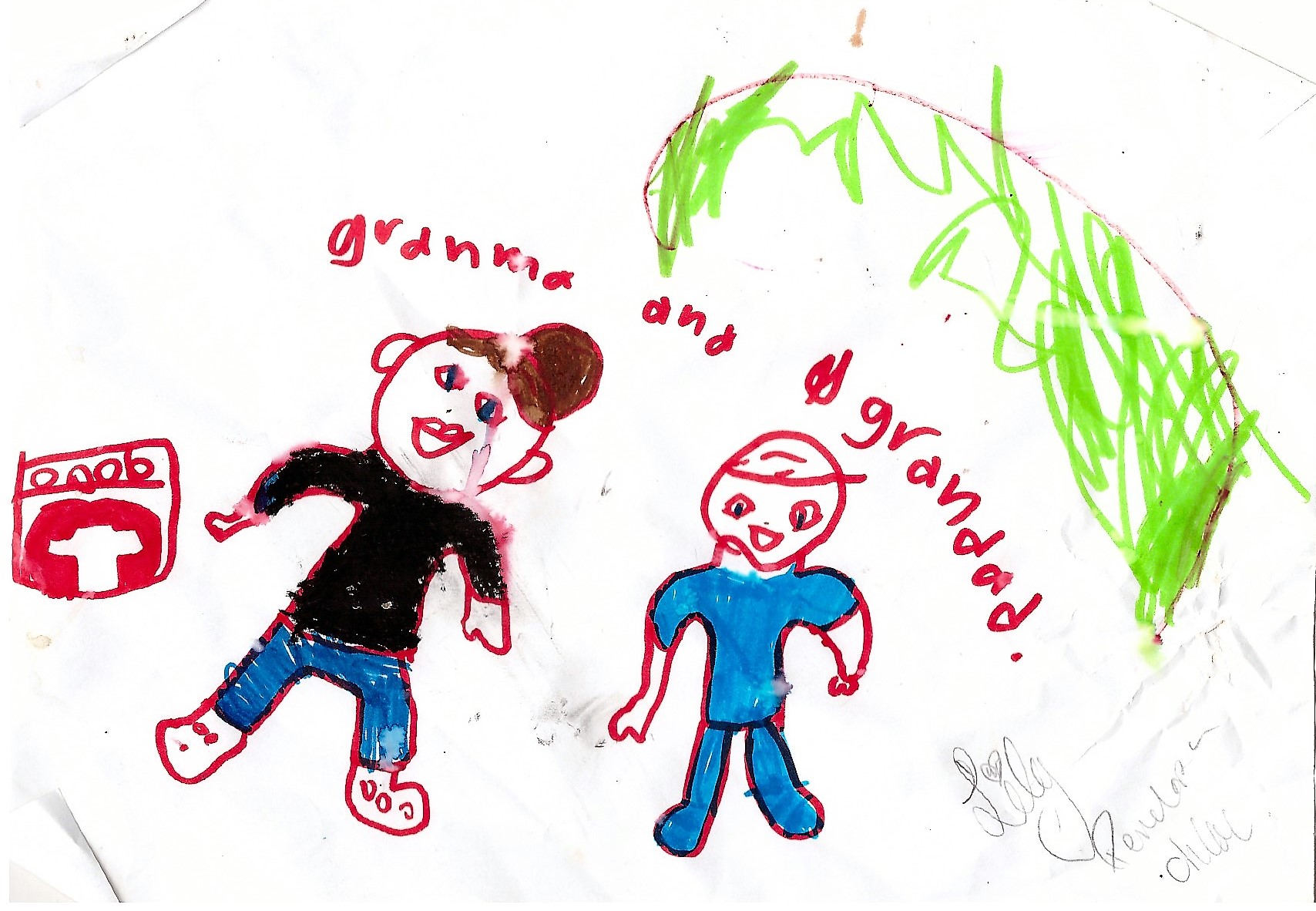
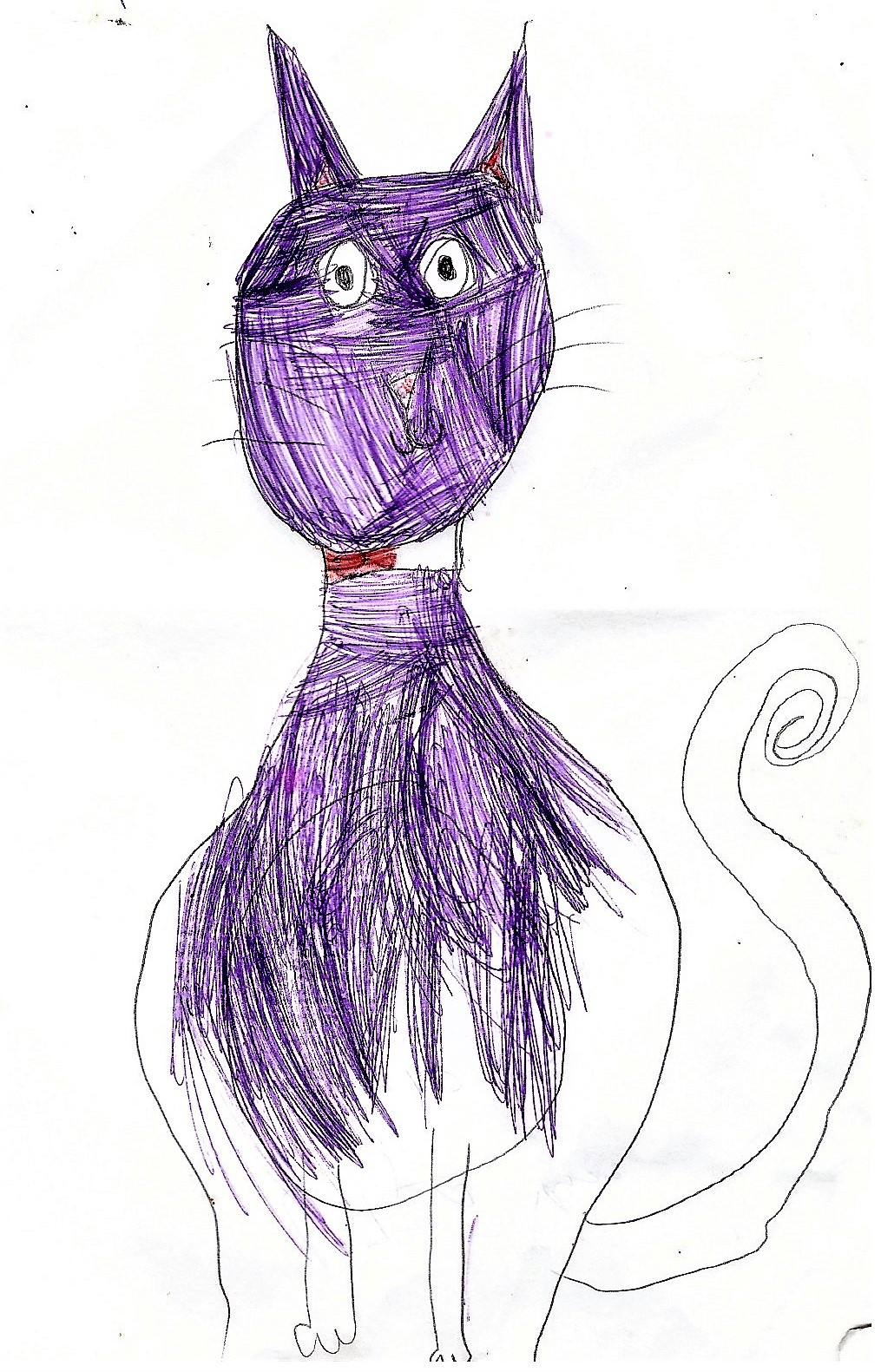
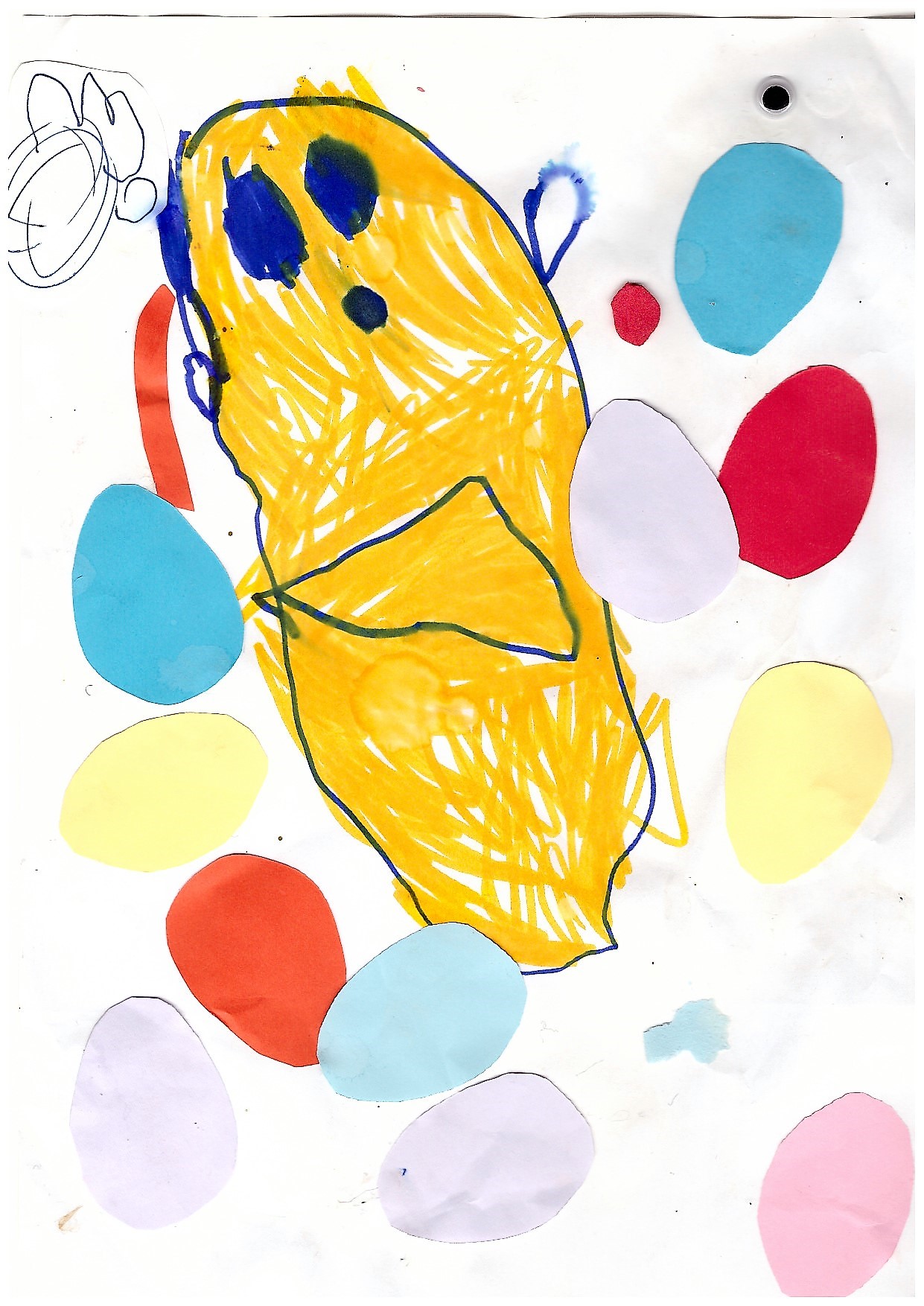
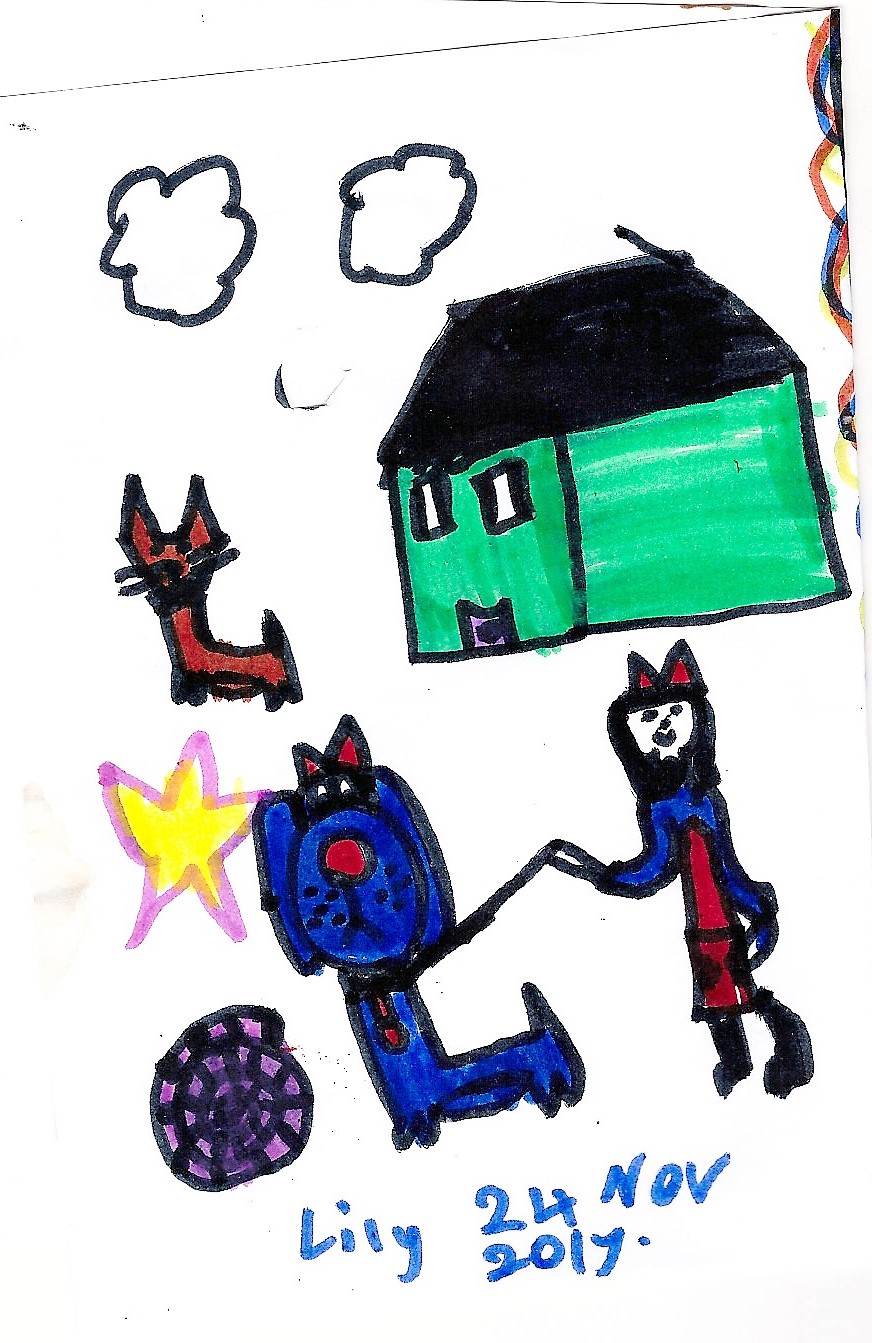
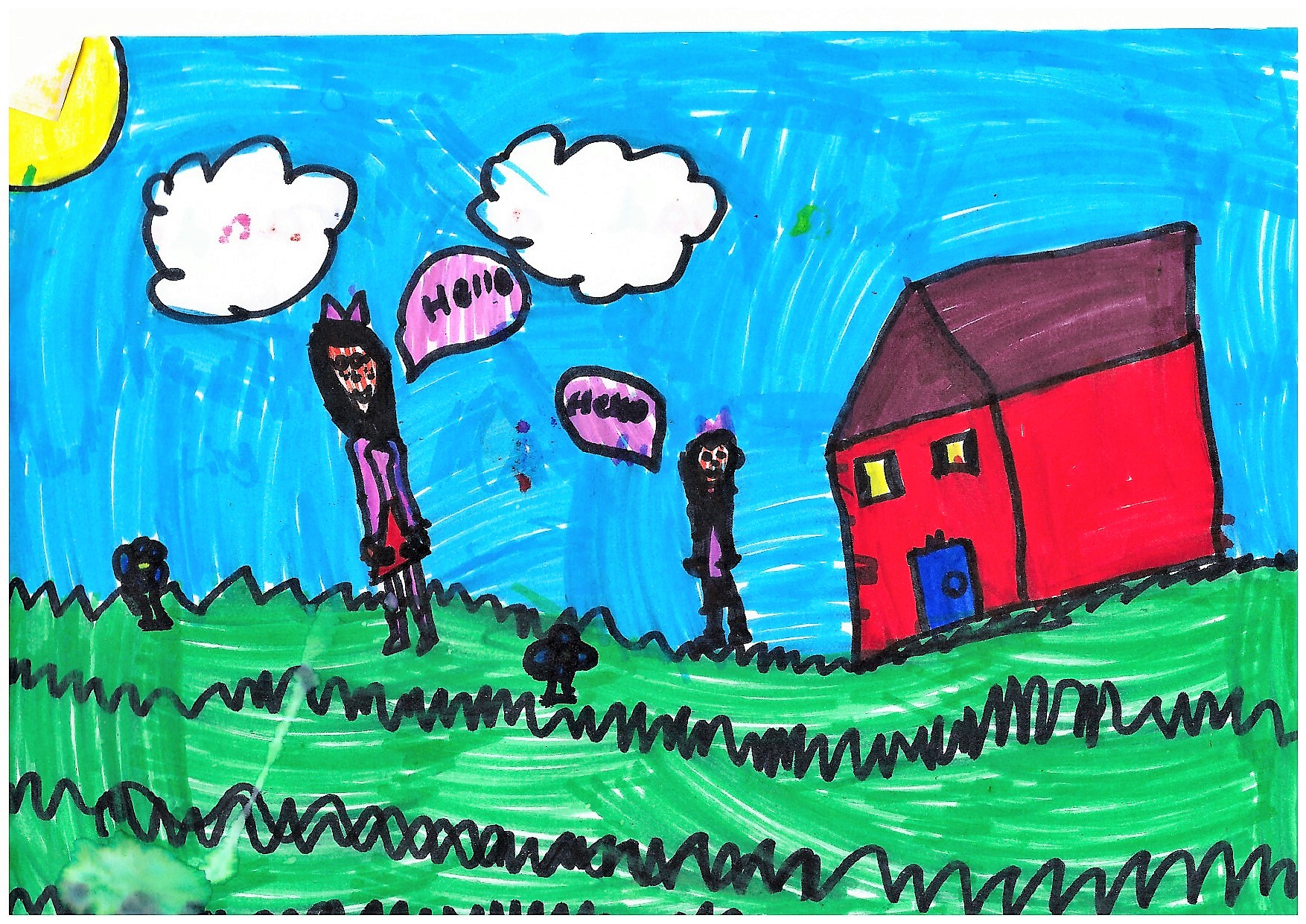
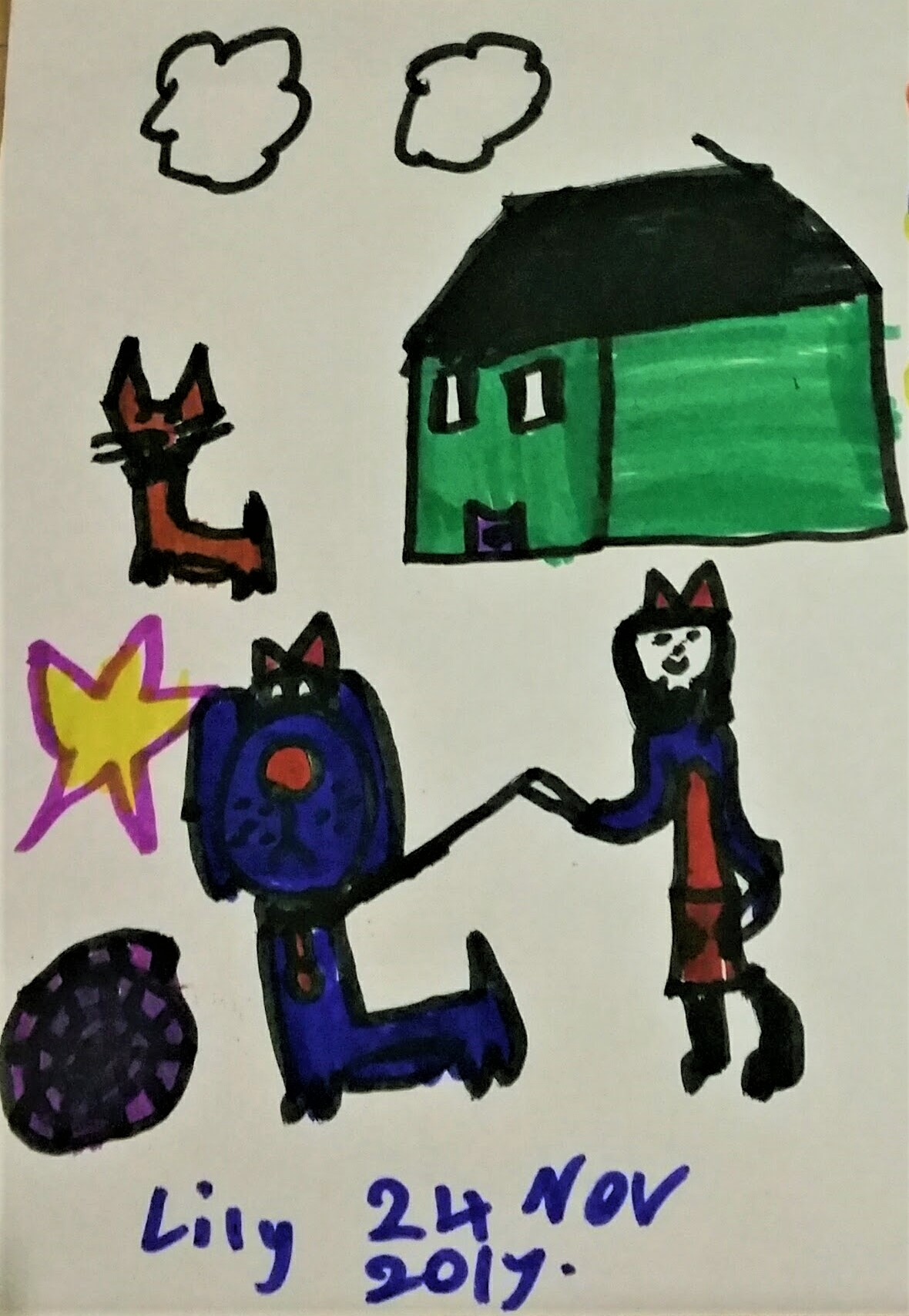
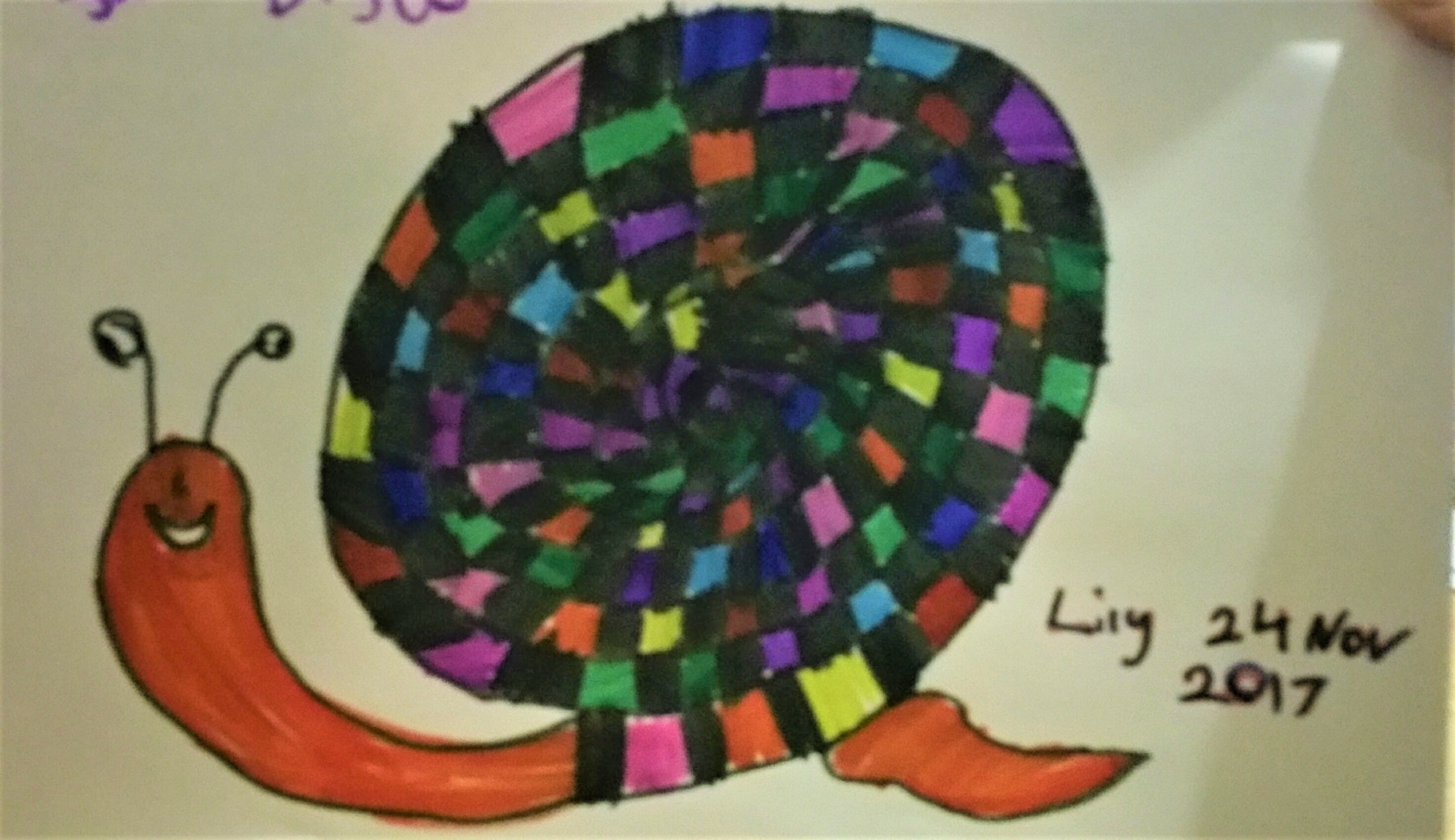
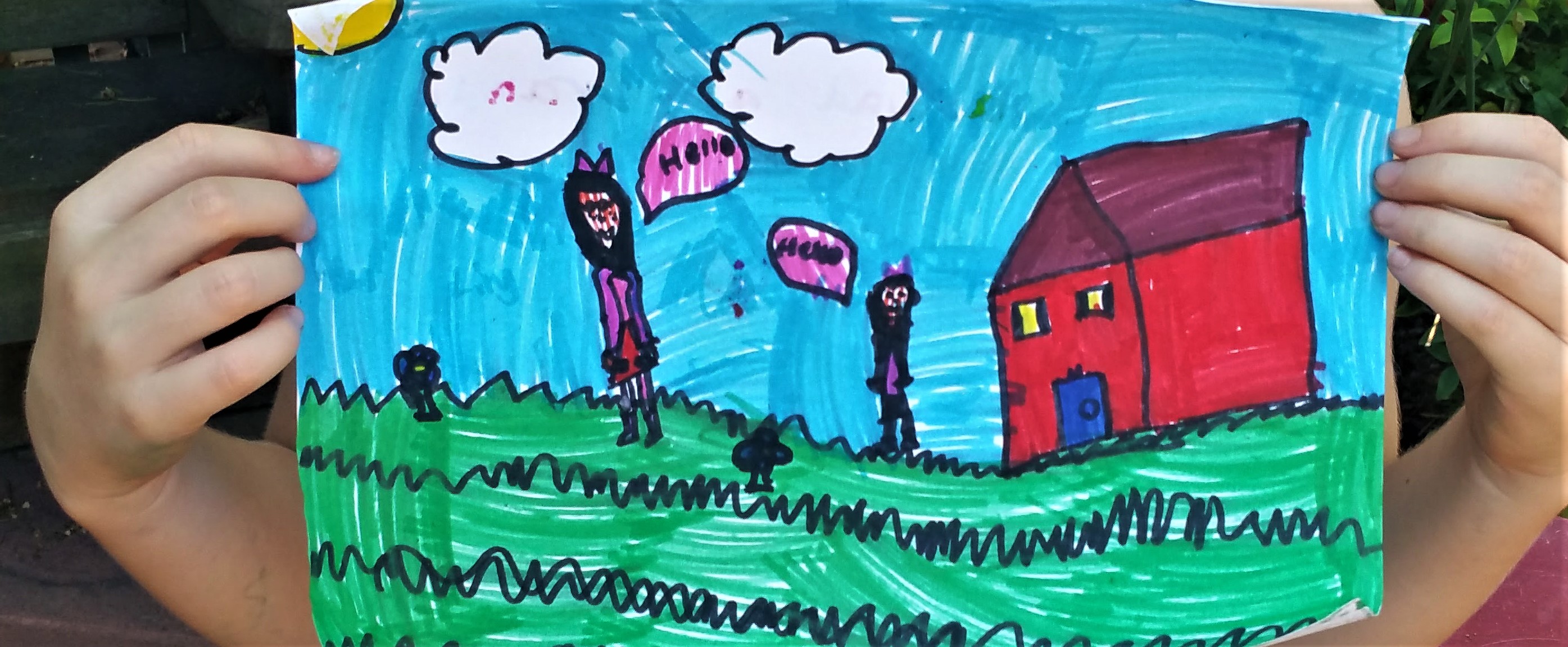
My Grandkids’ Art Over the Years

February 17, 2021

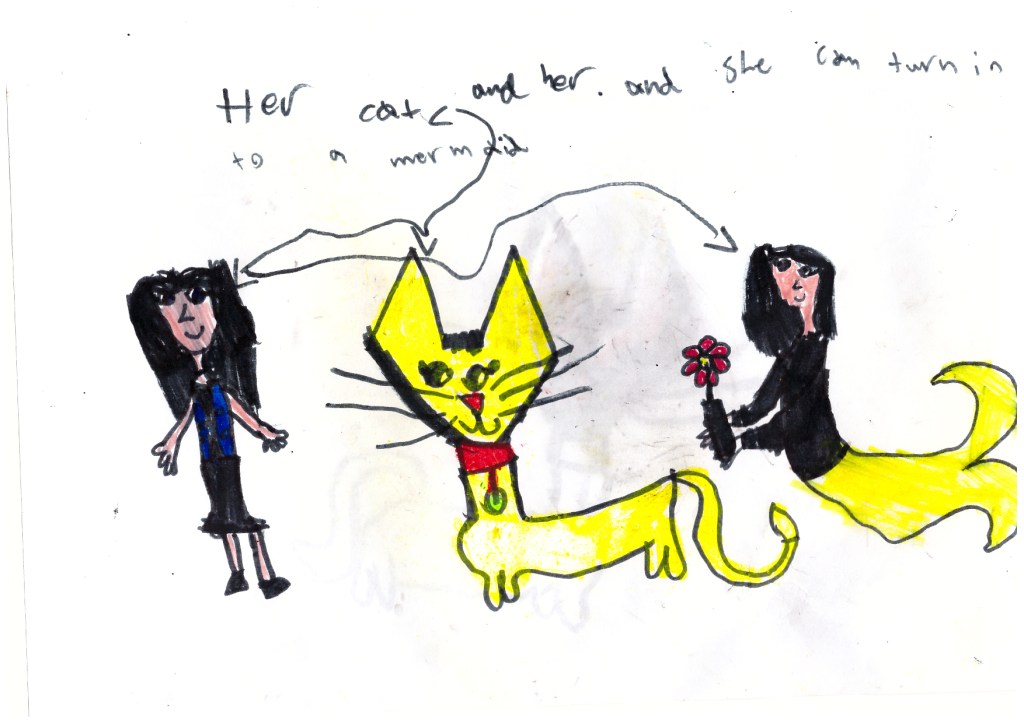
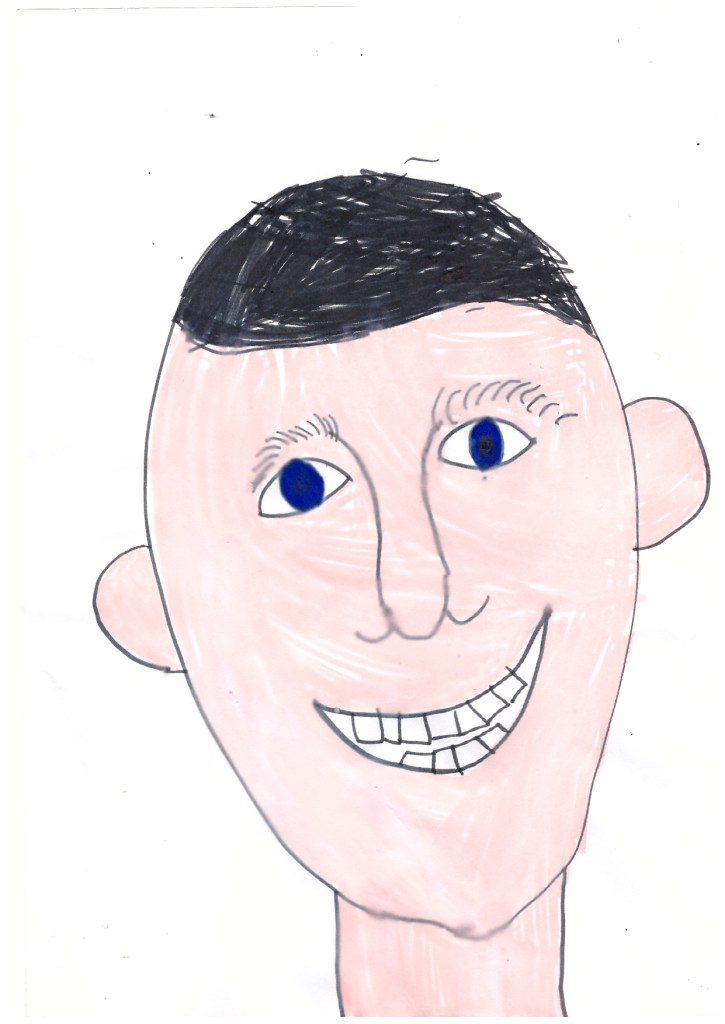
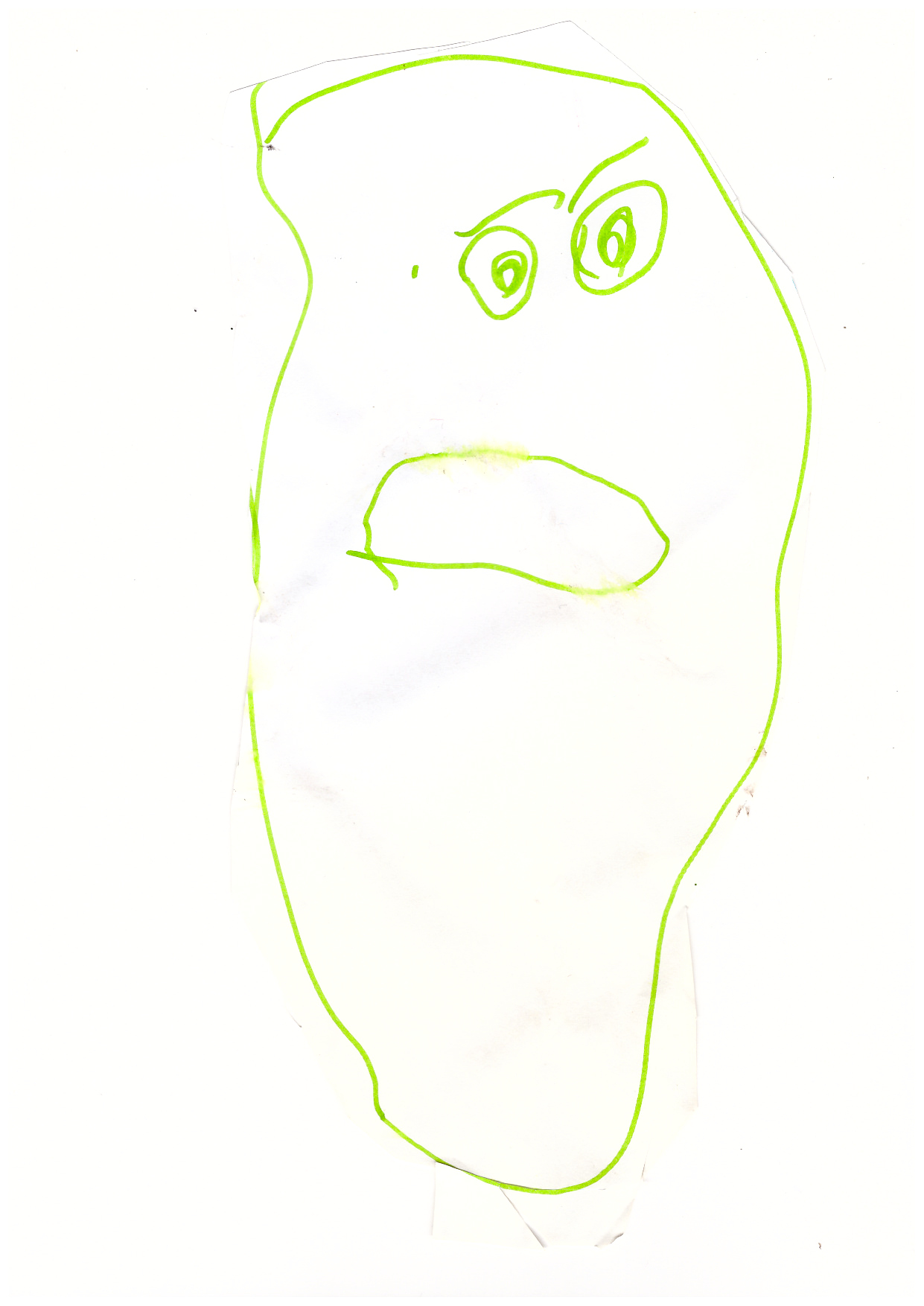
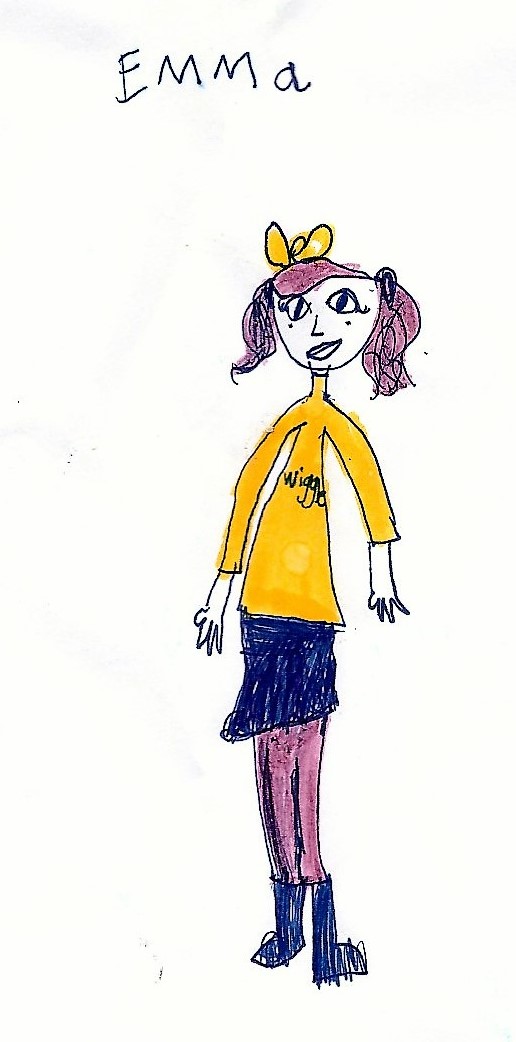
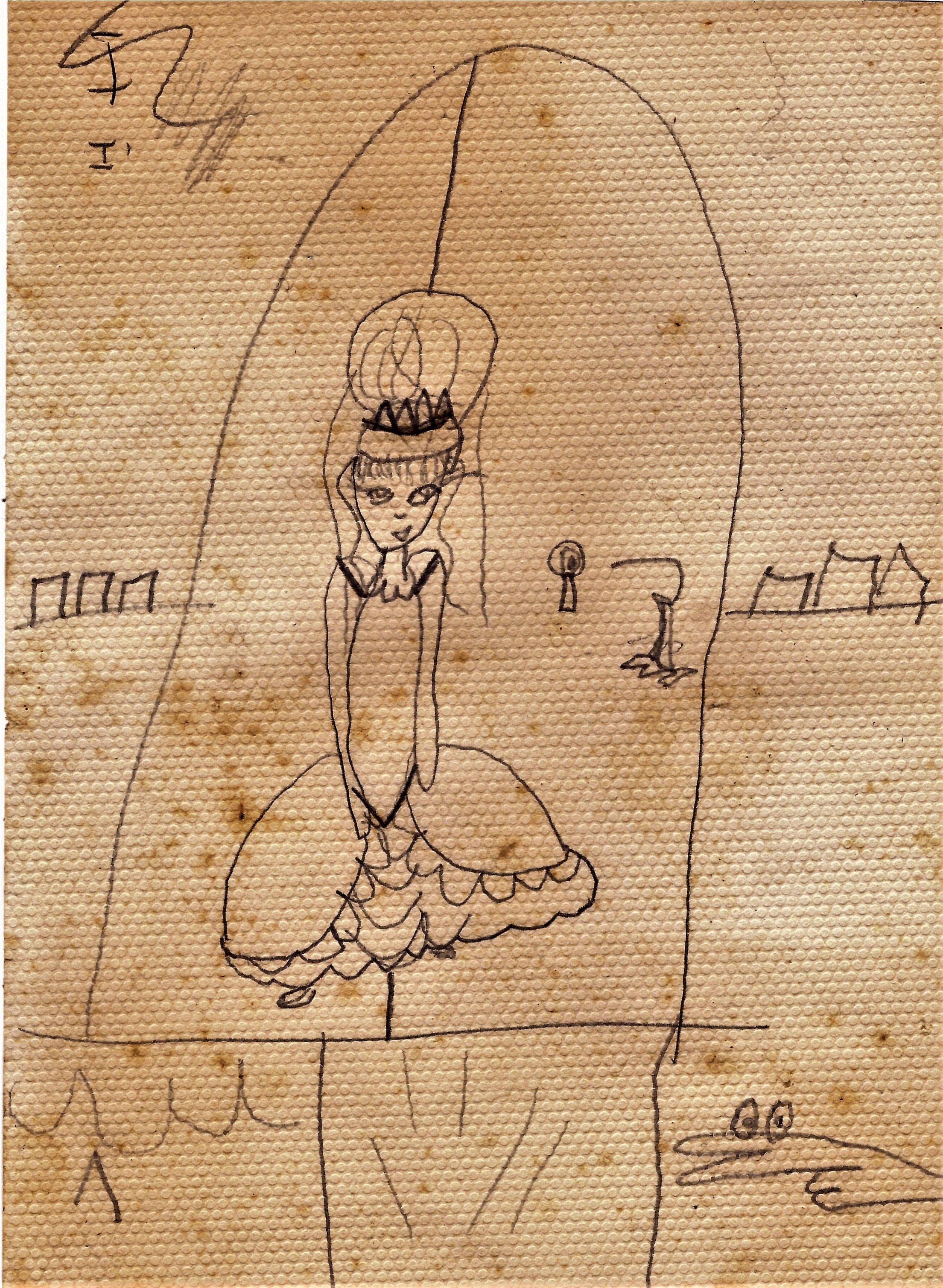
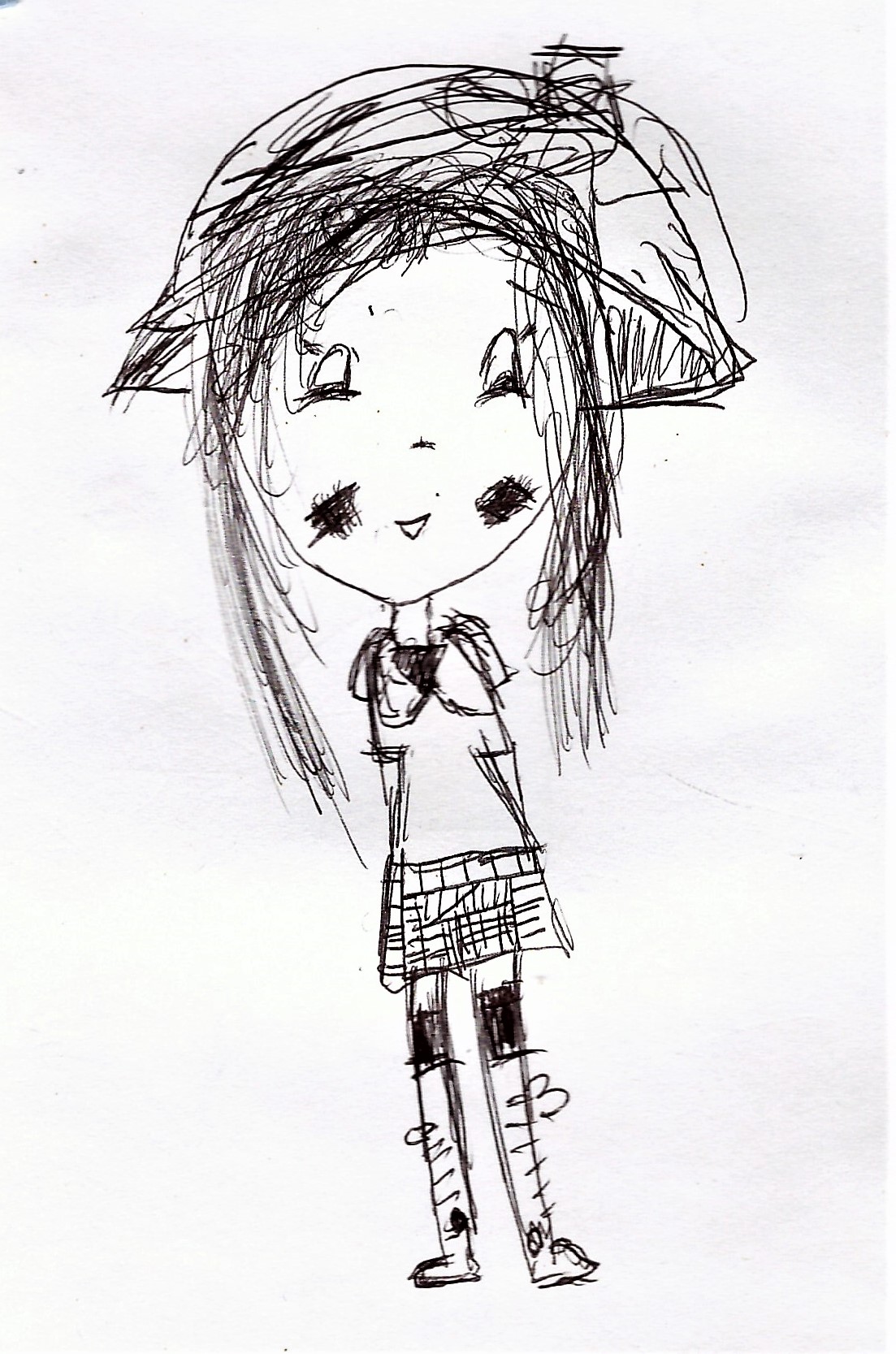
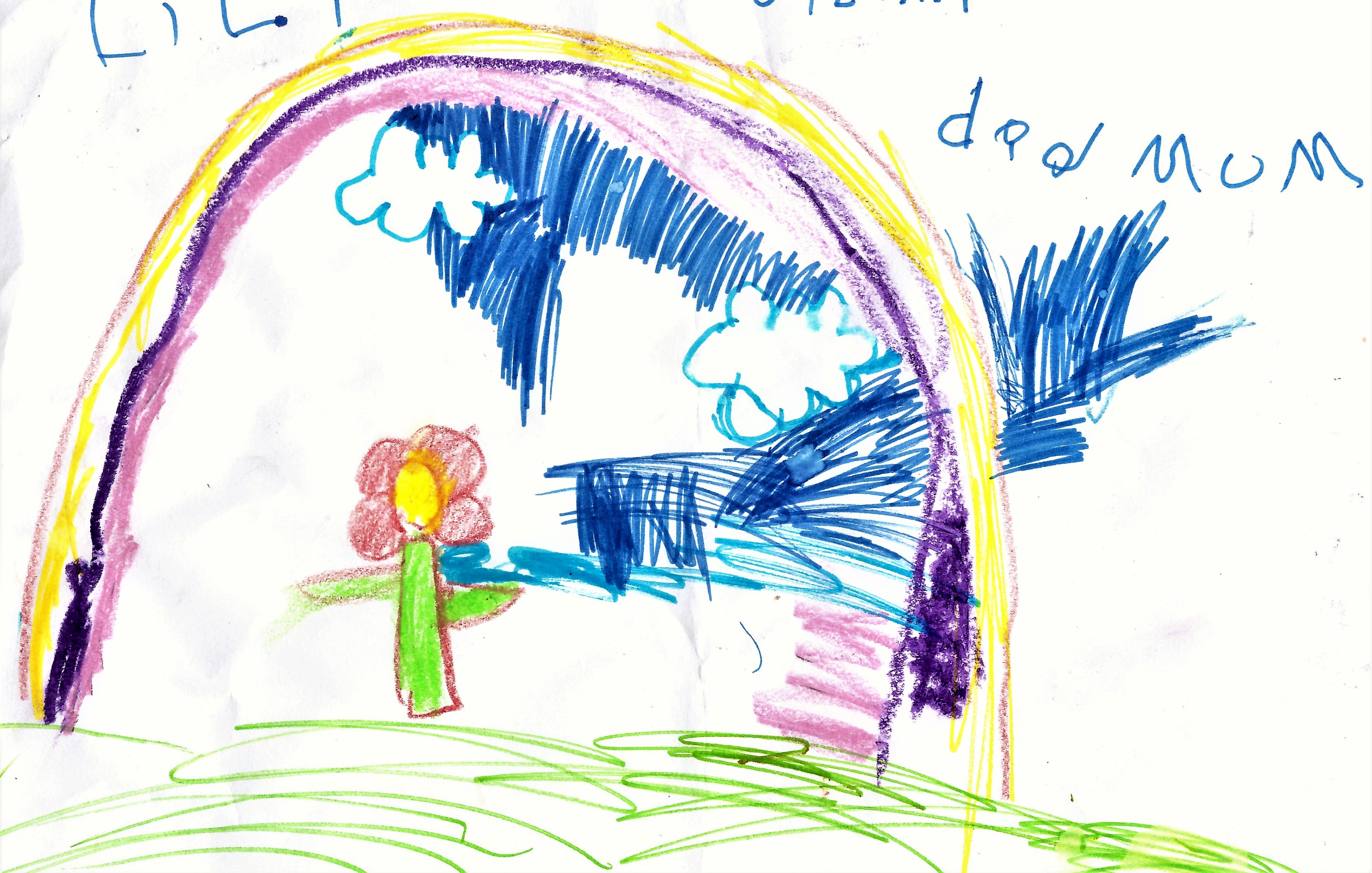
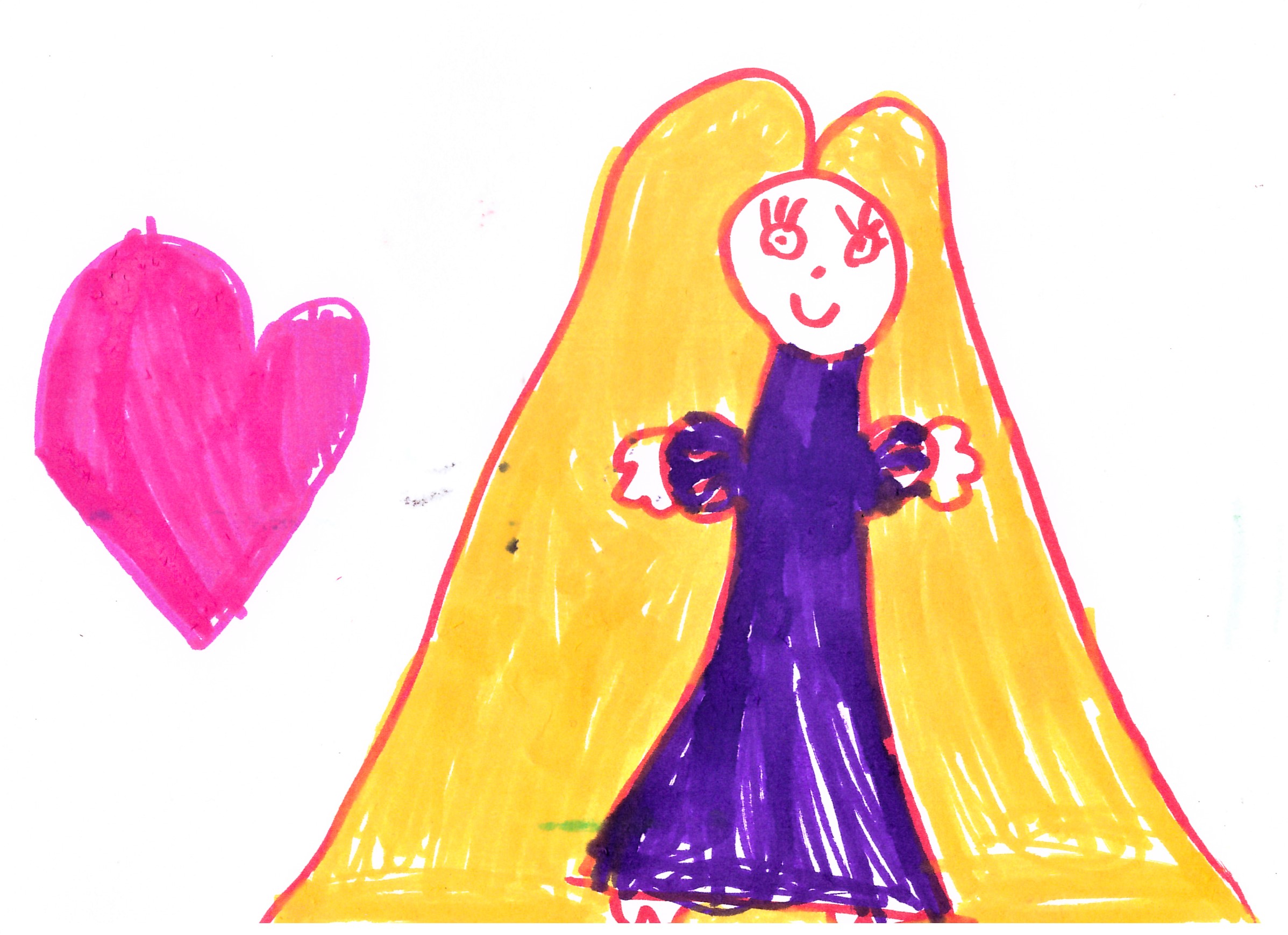
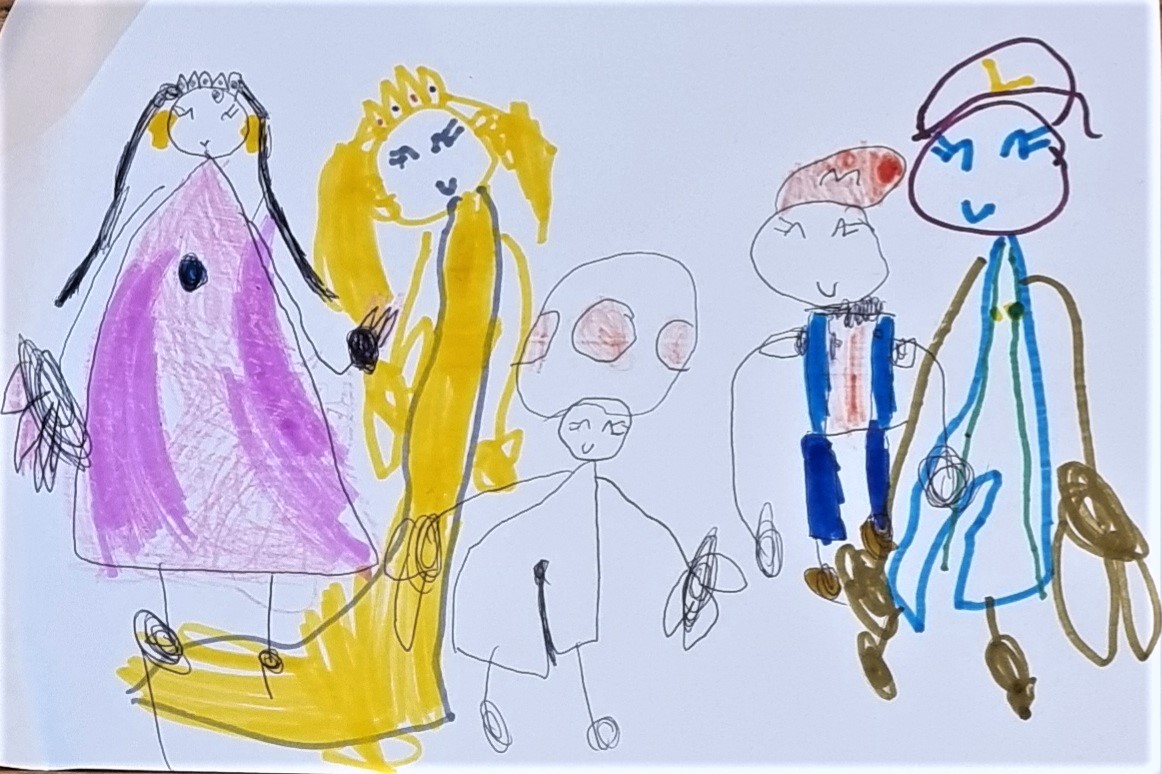
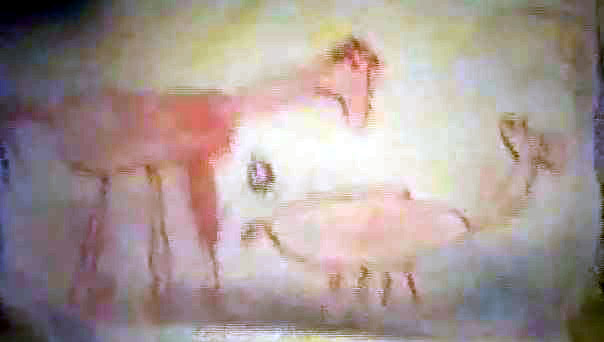
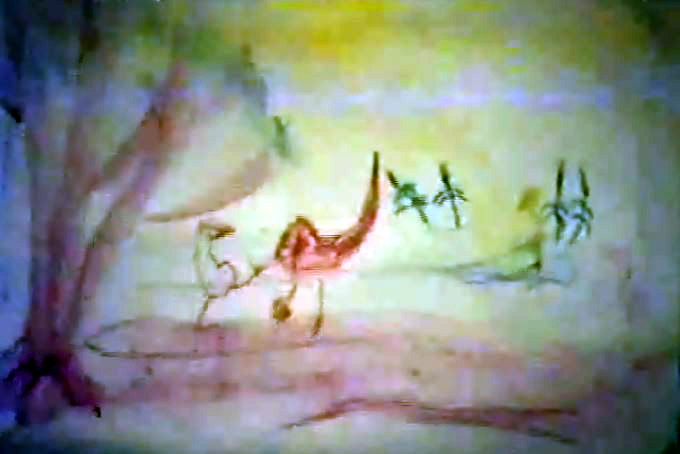
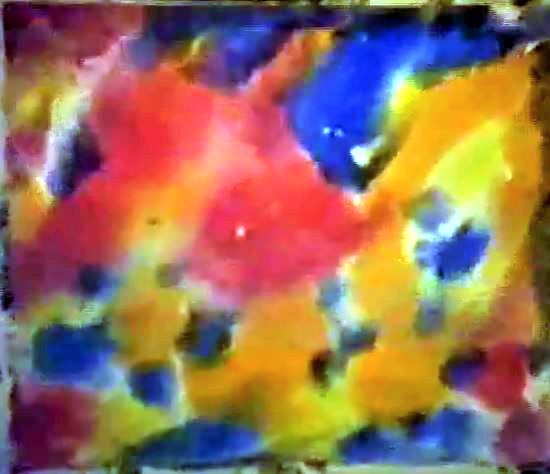
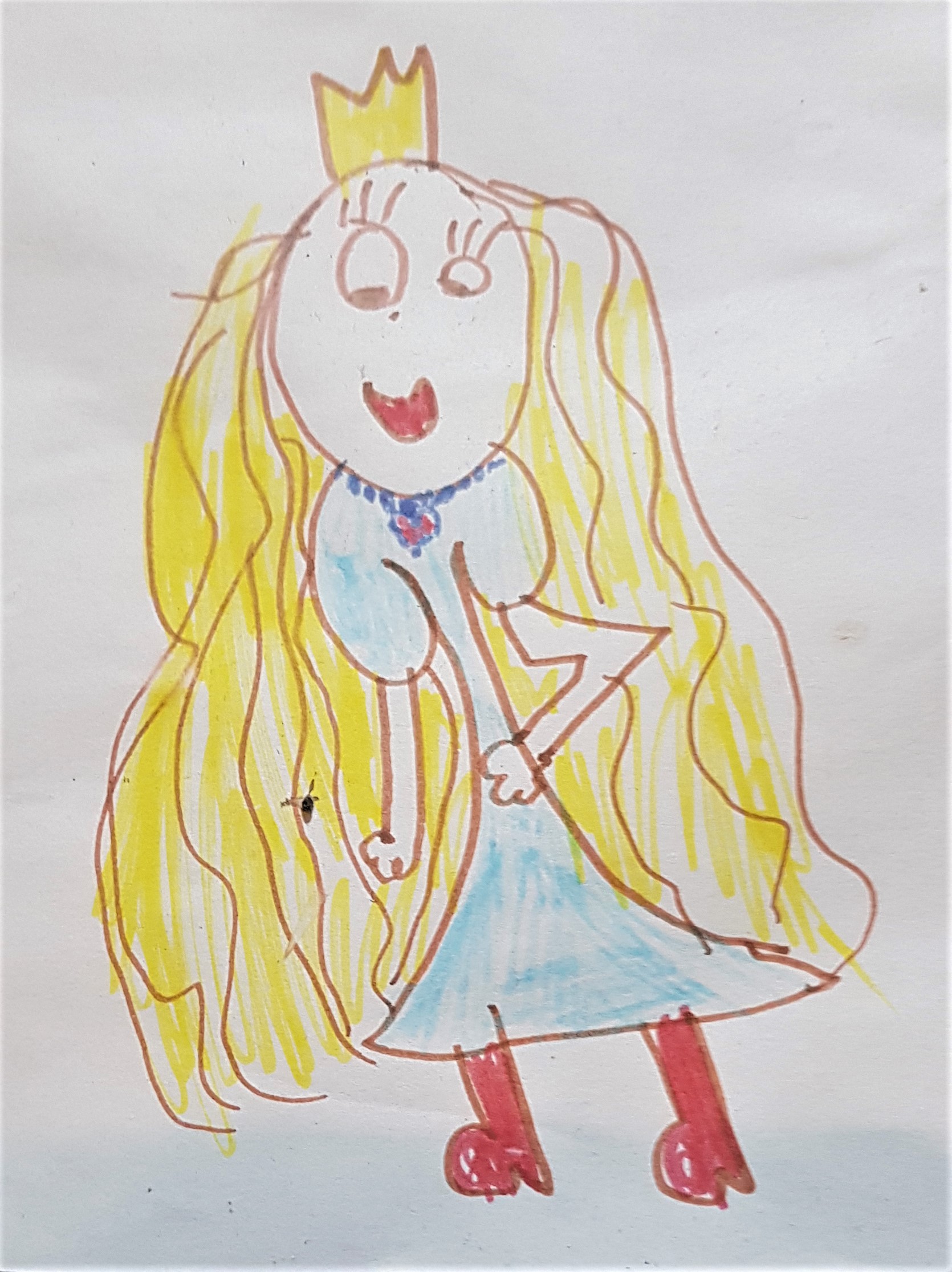
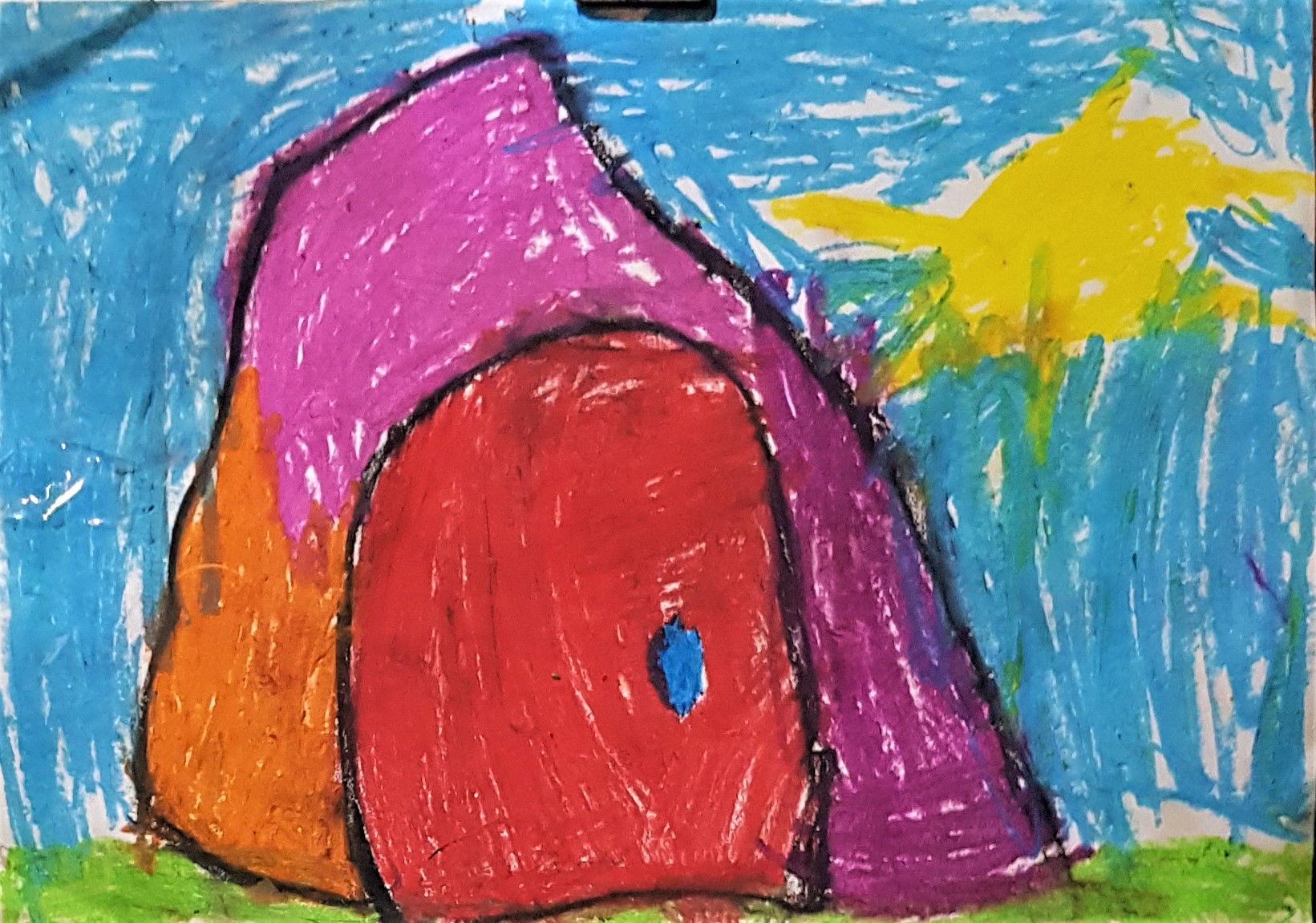
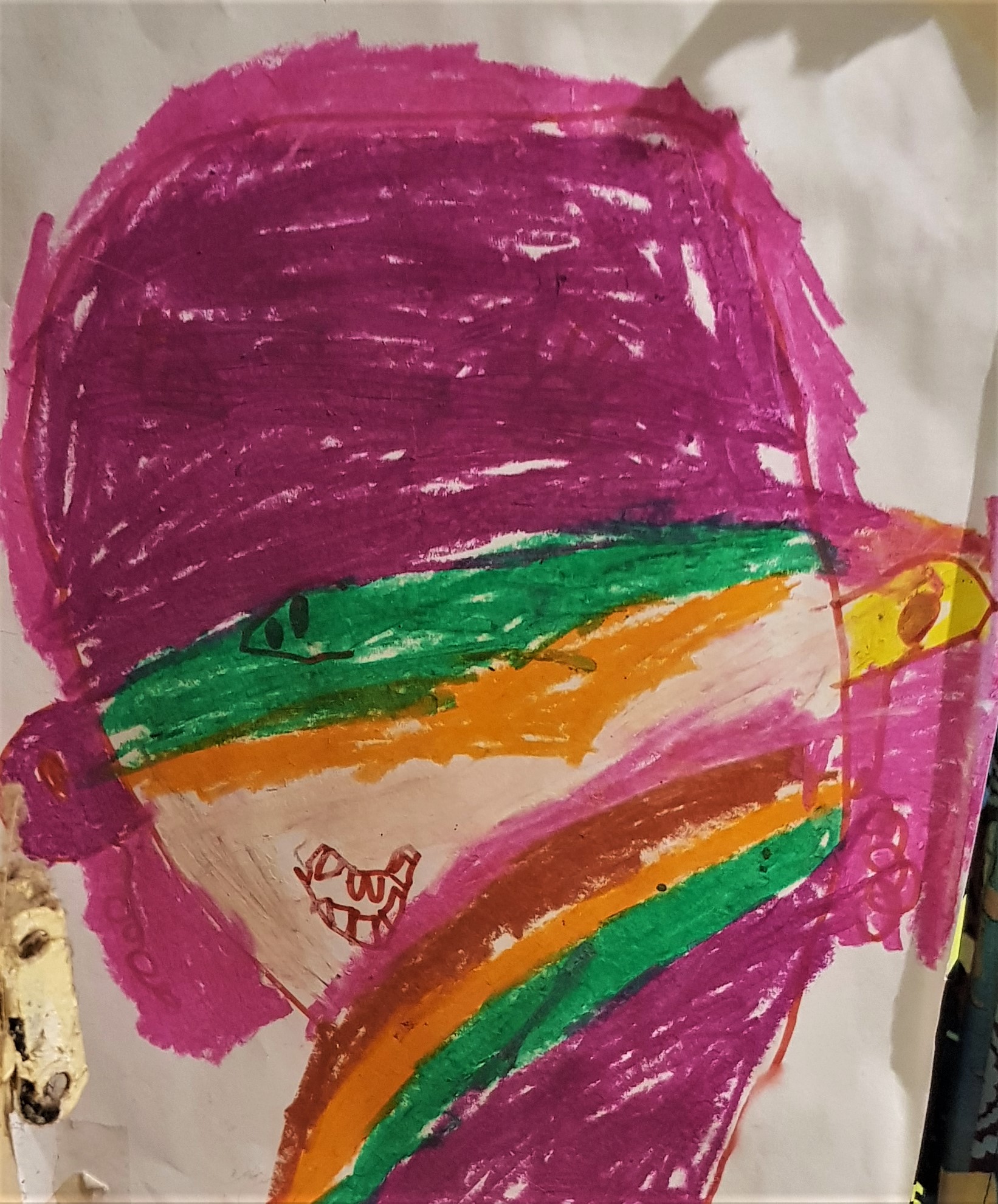
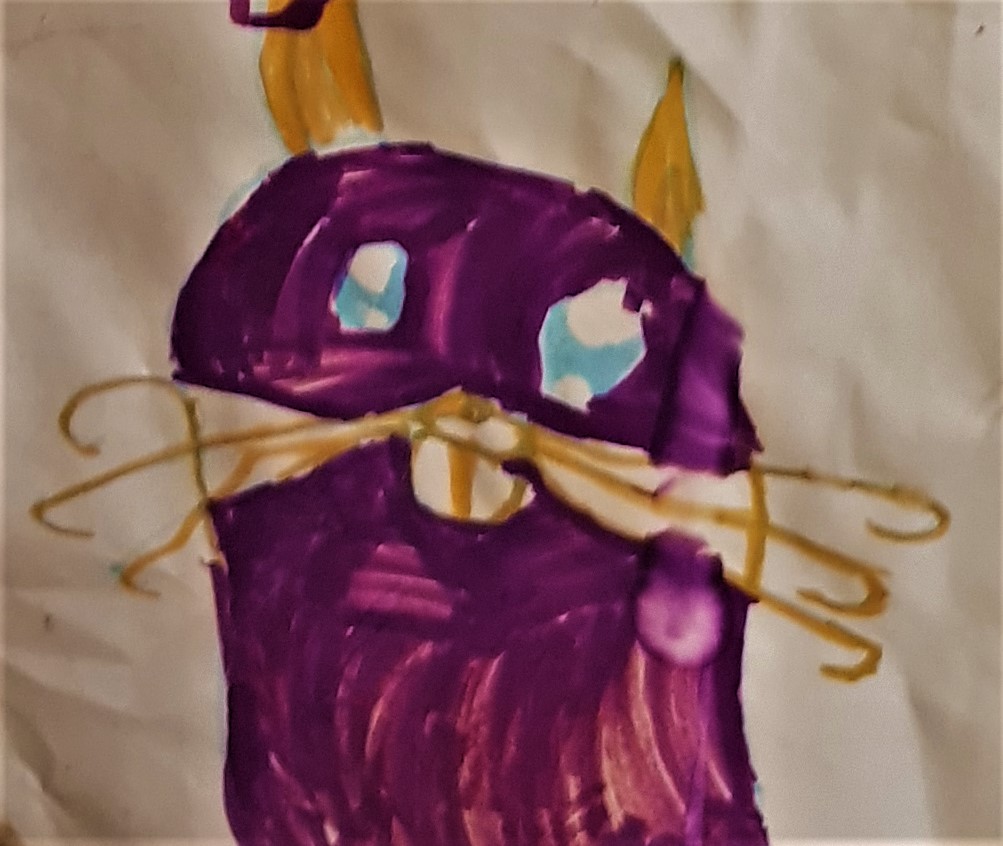
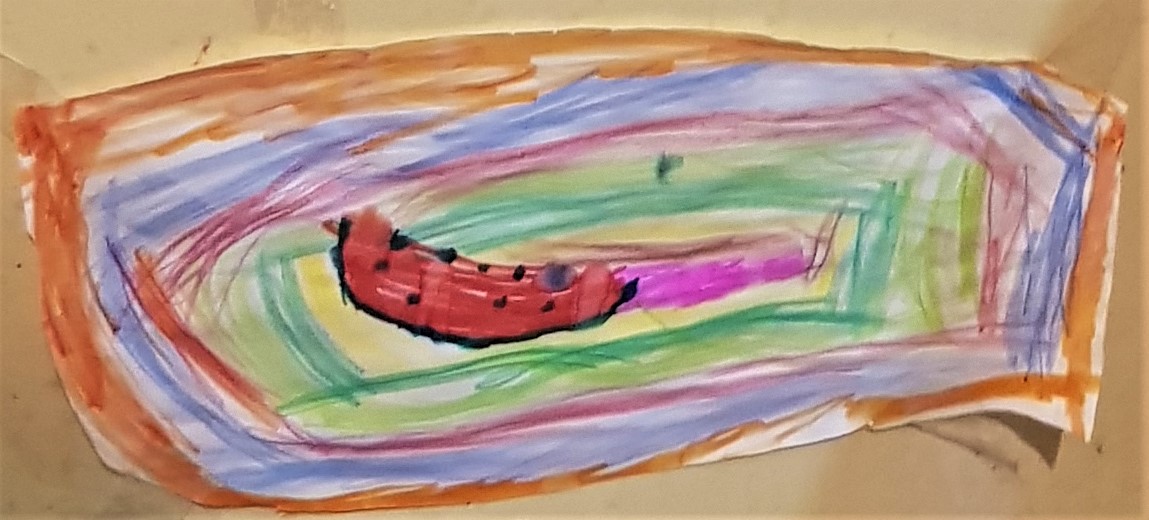
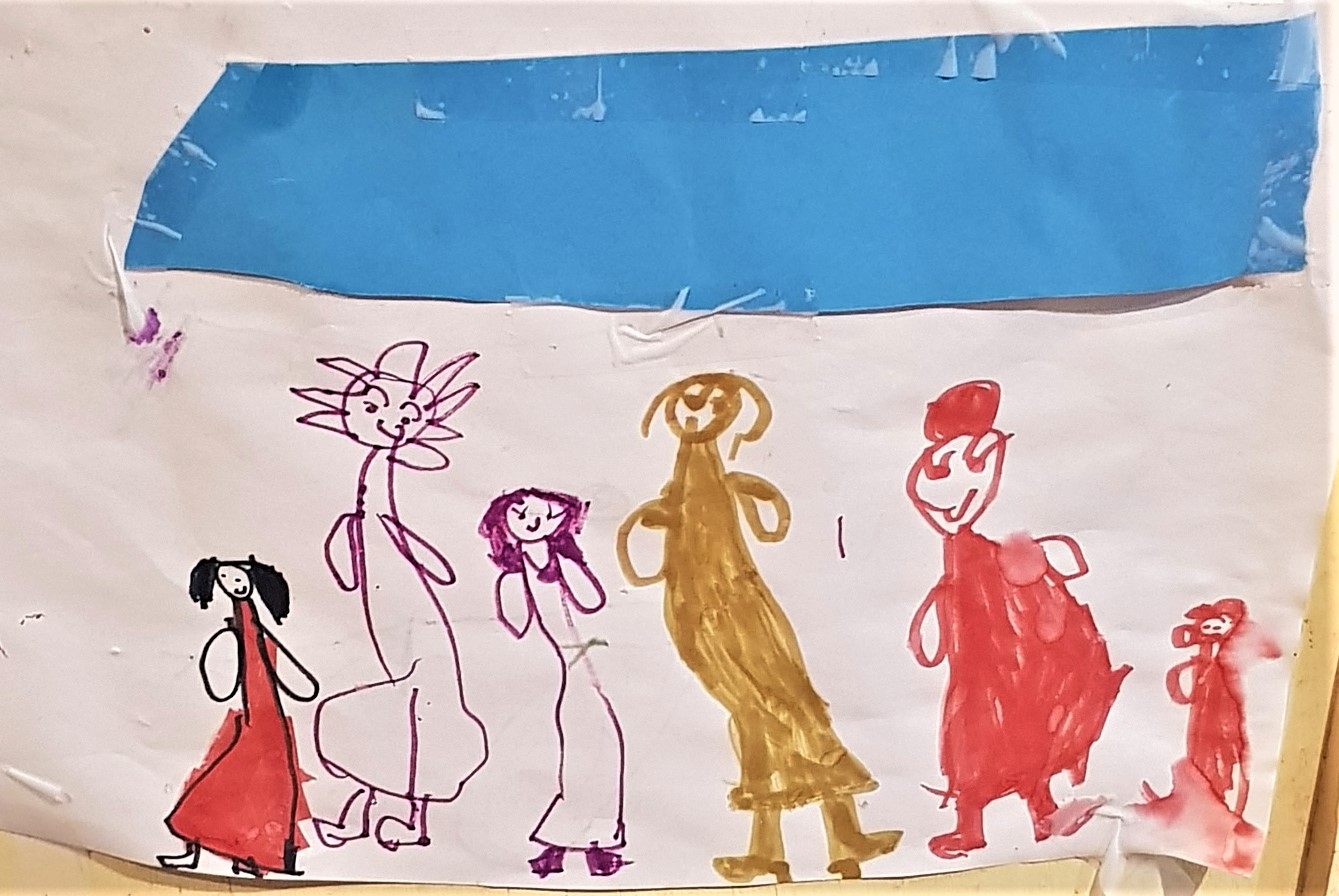
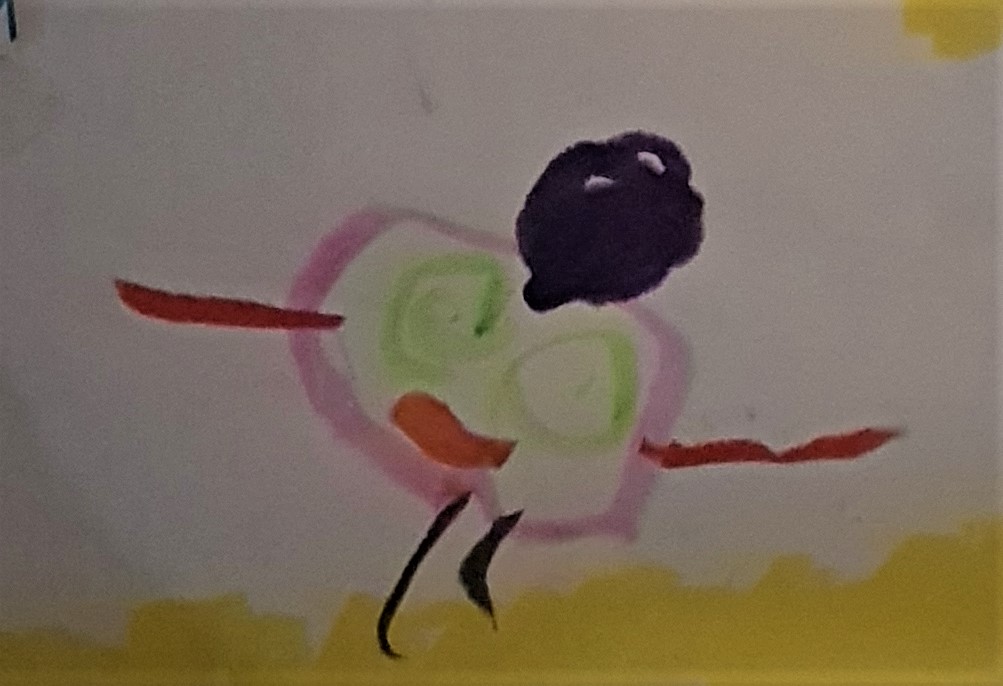
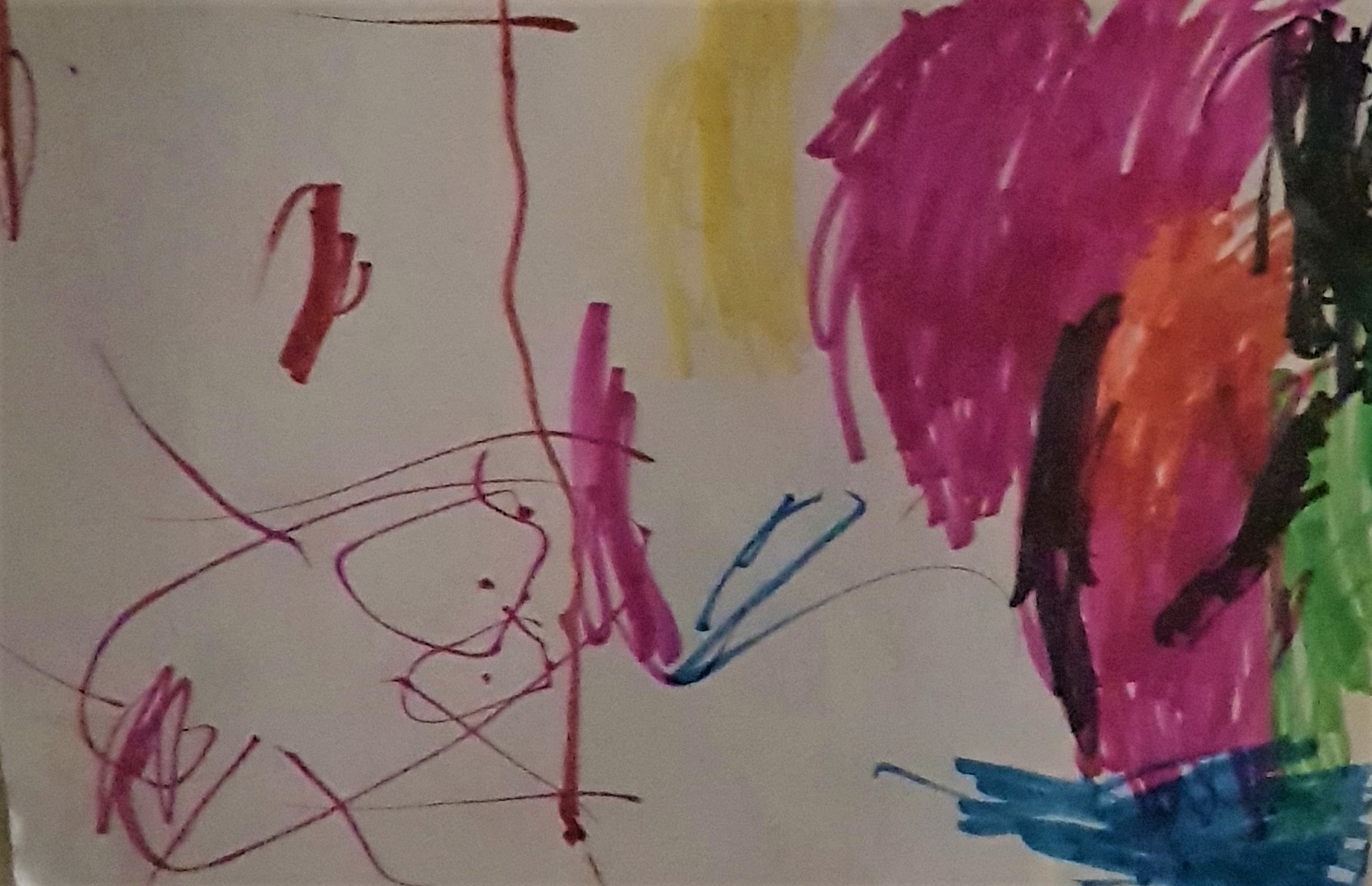
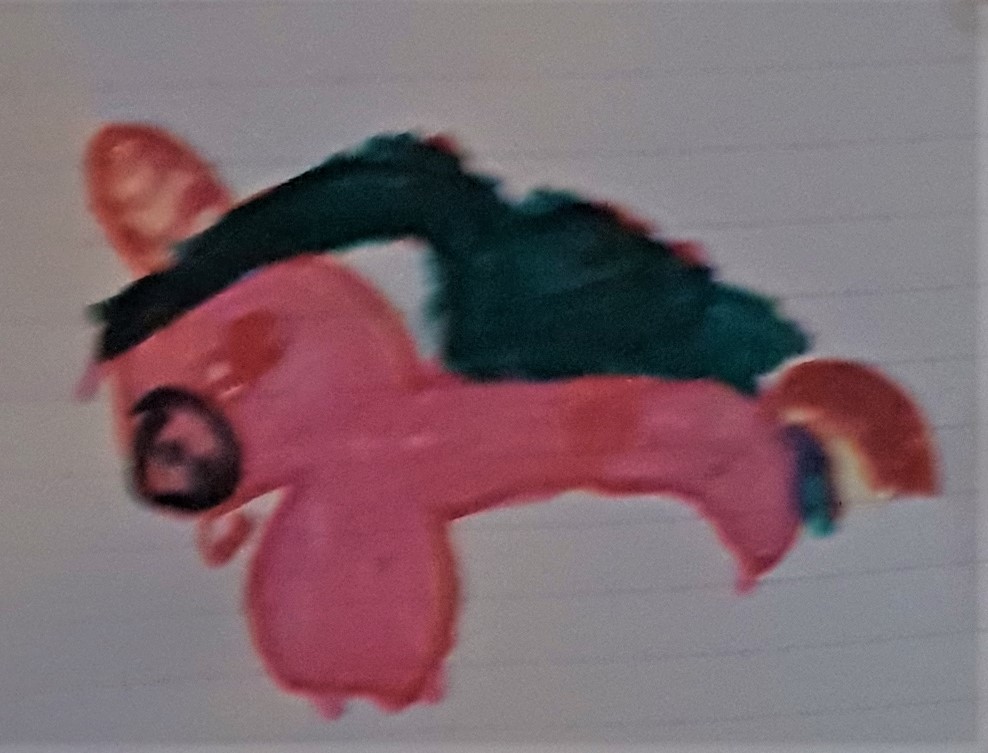
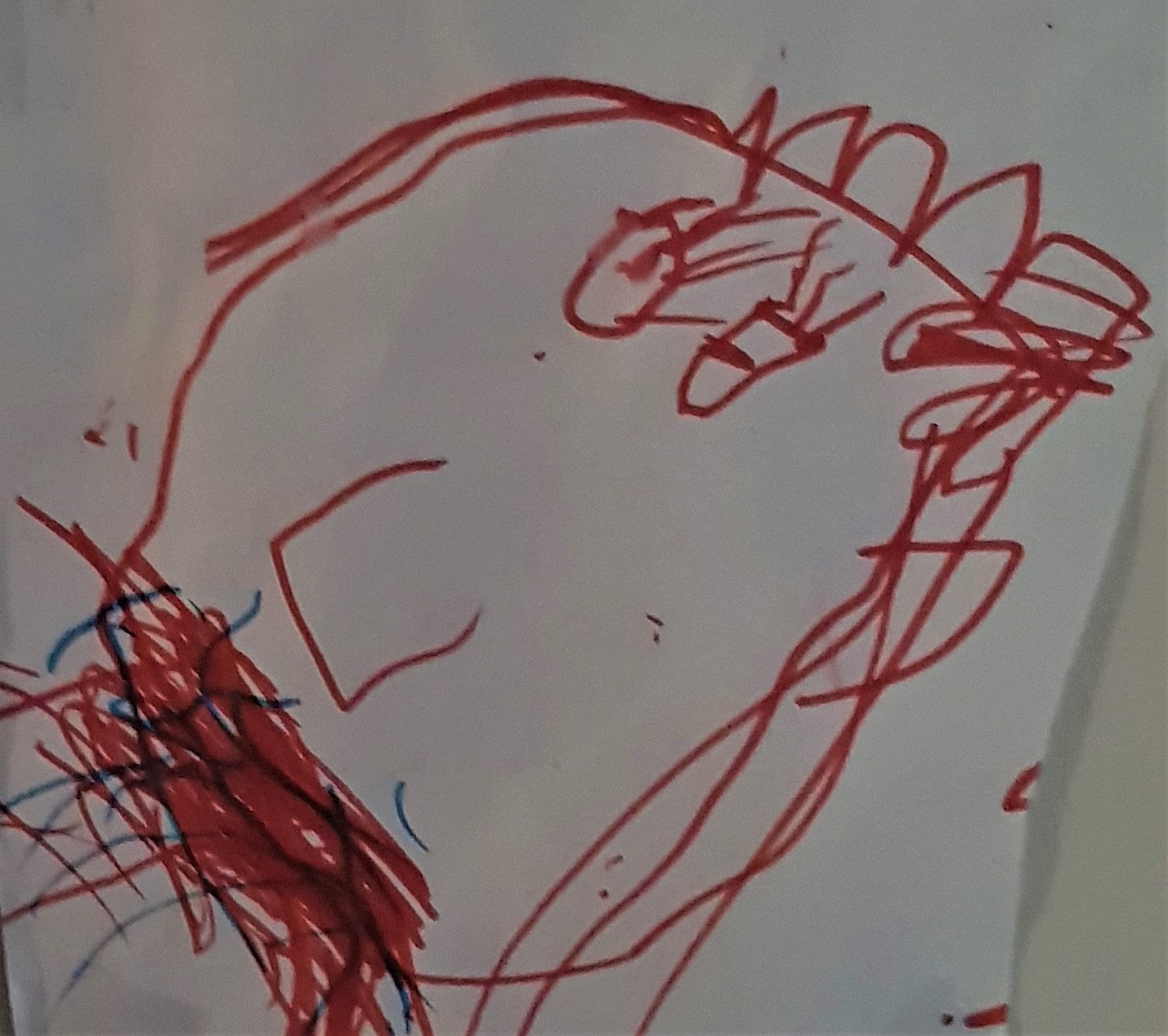
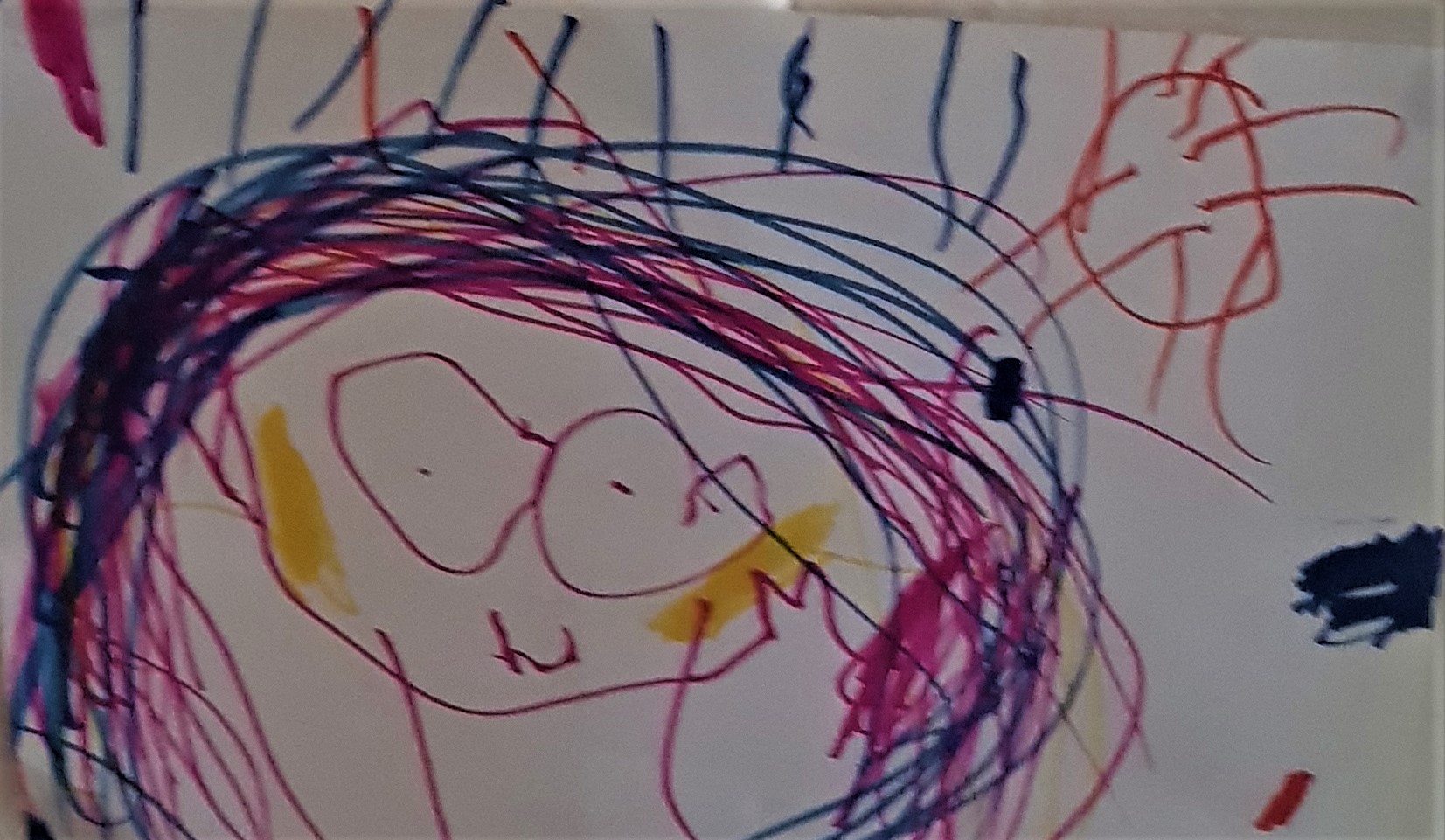
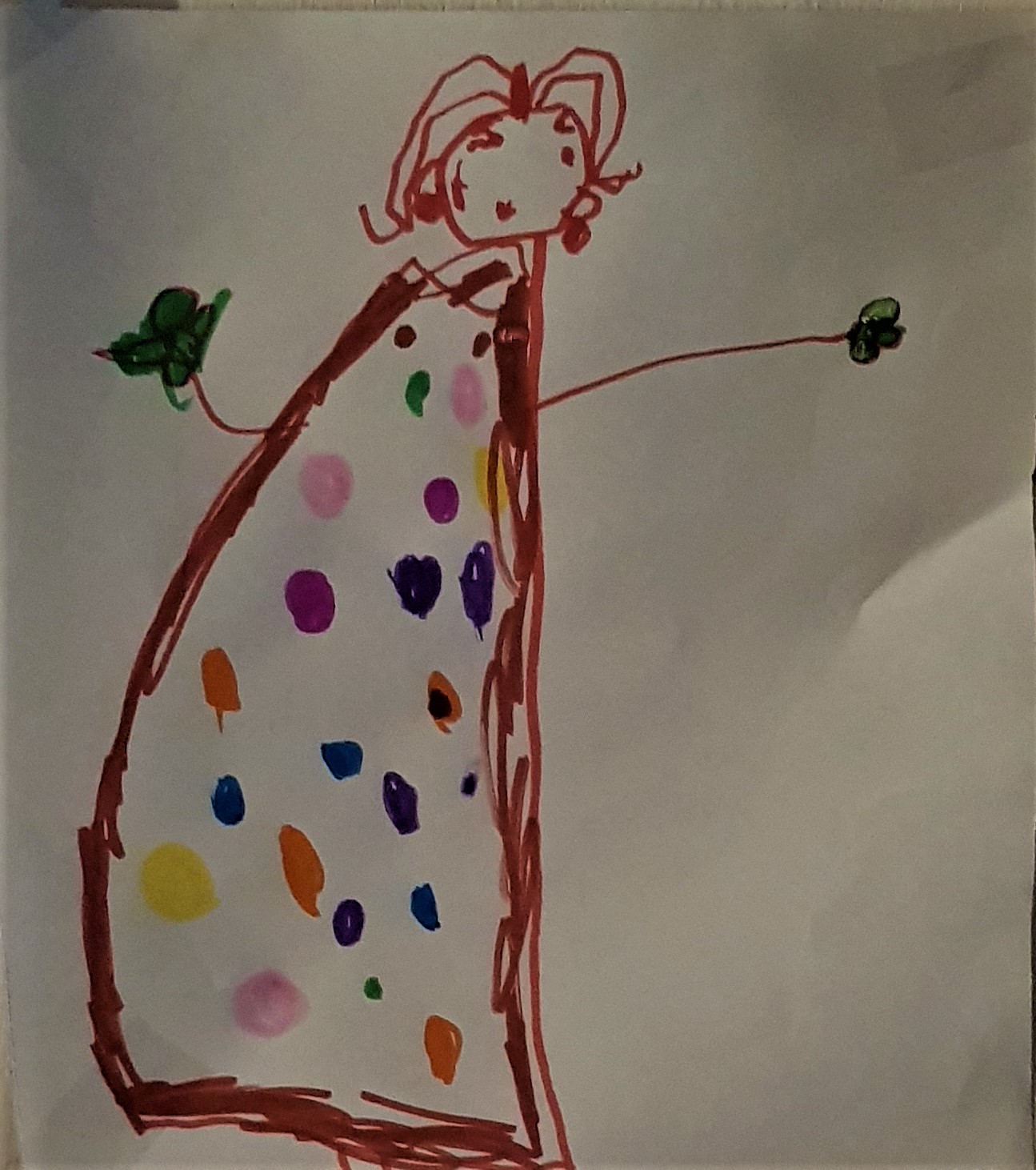
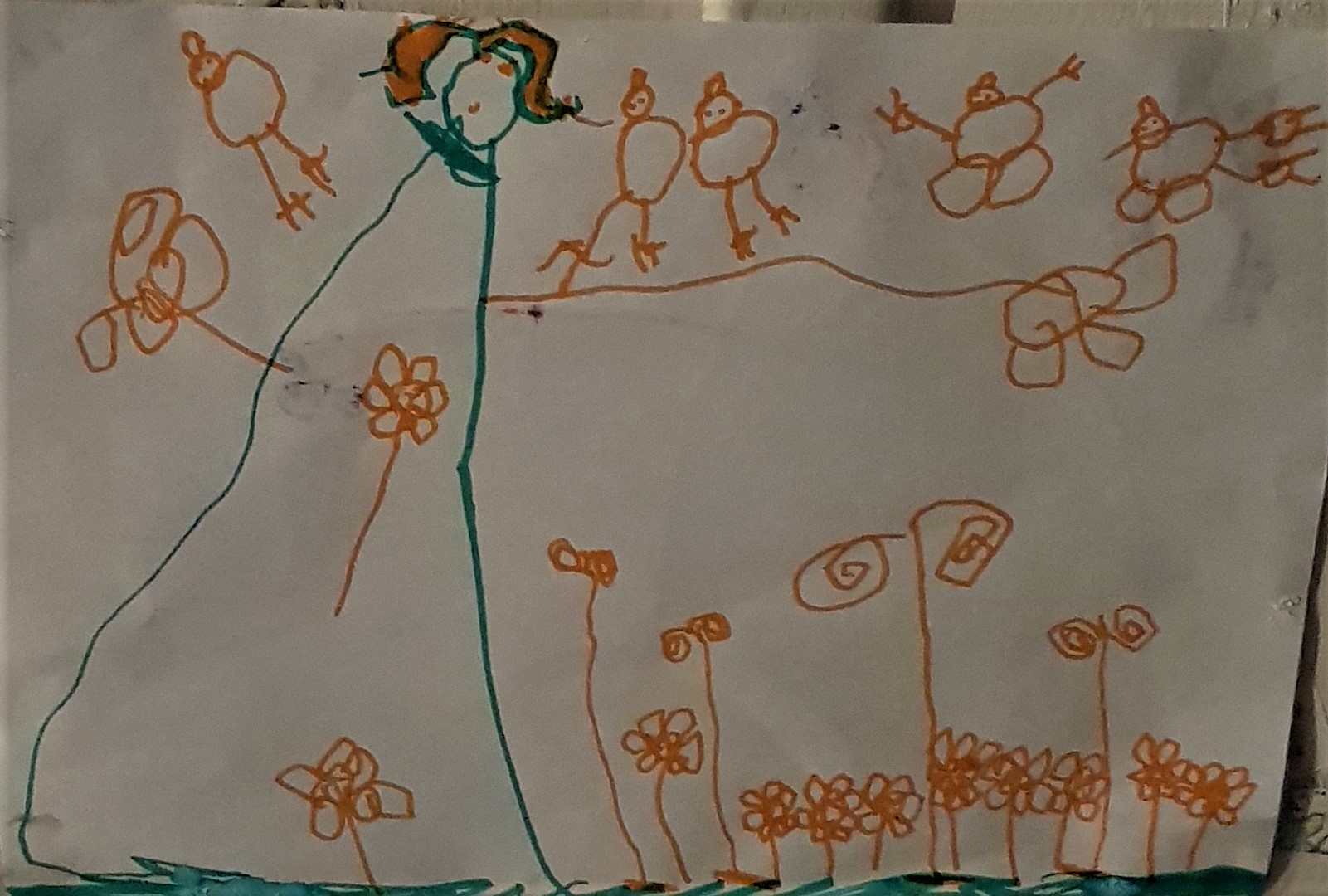
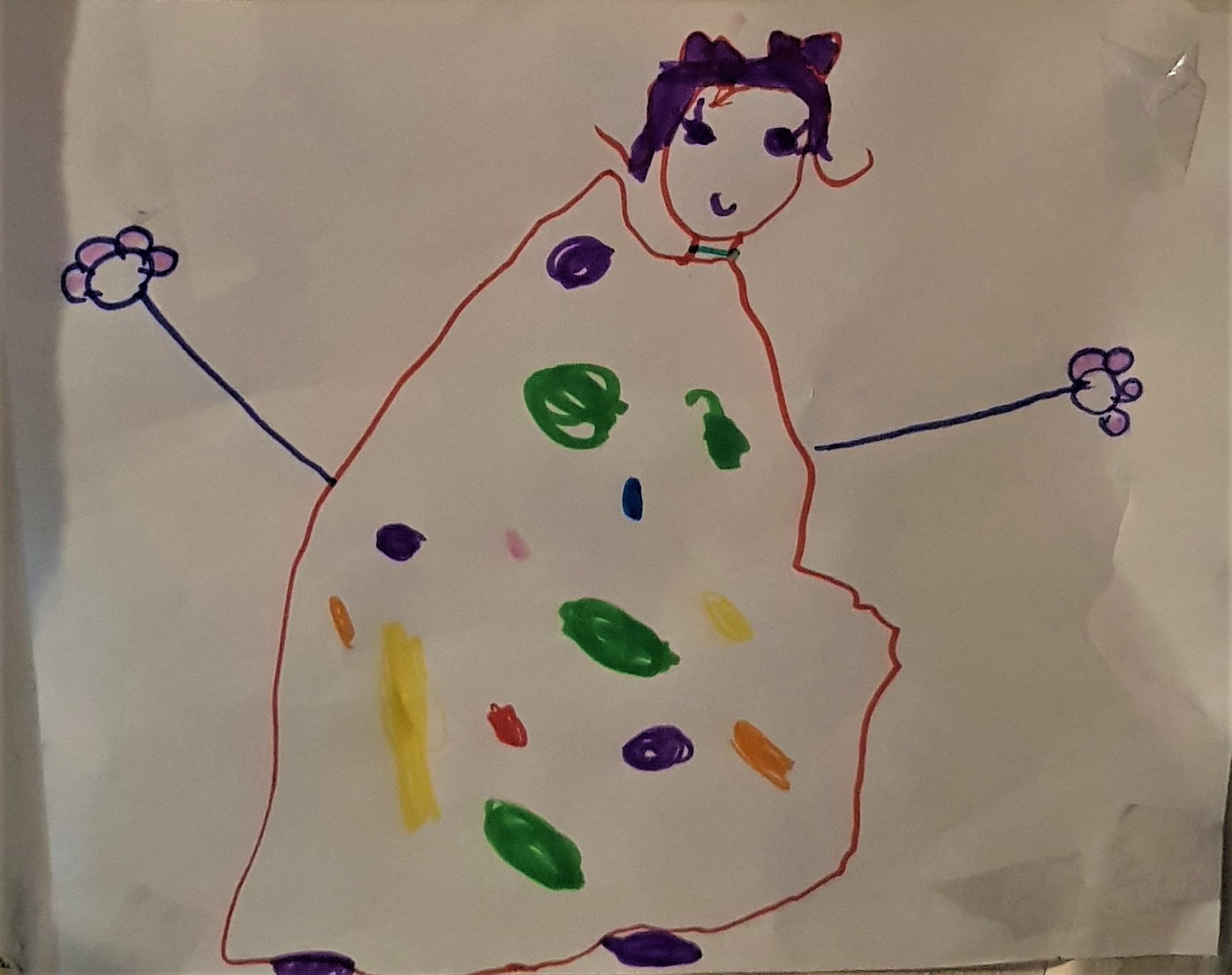
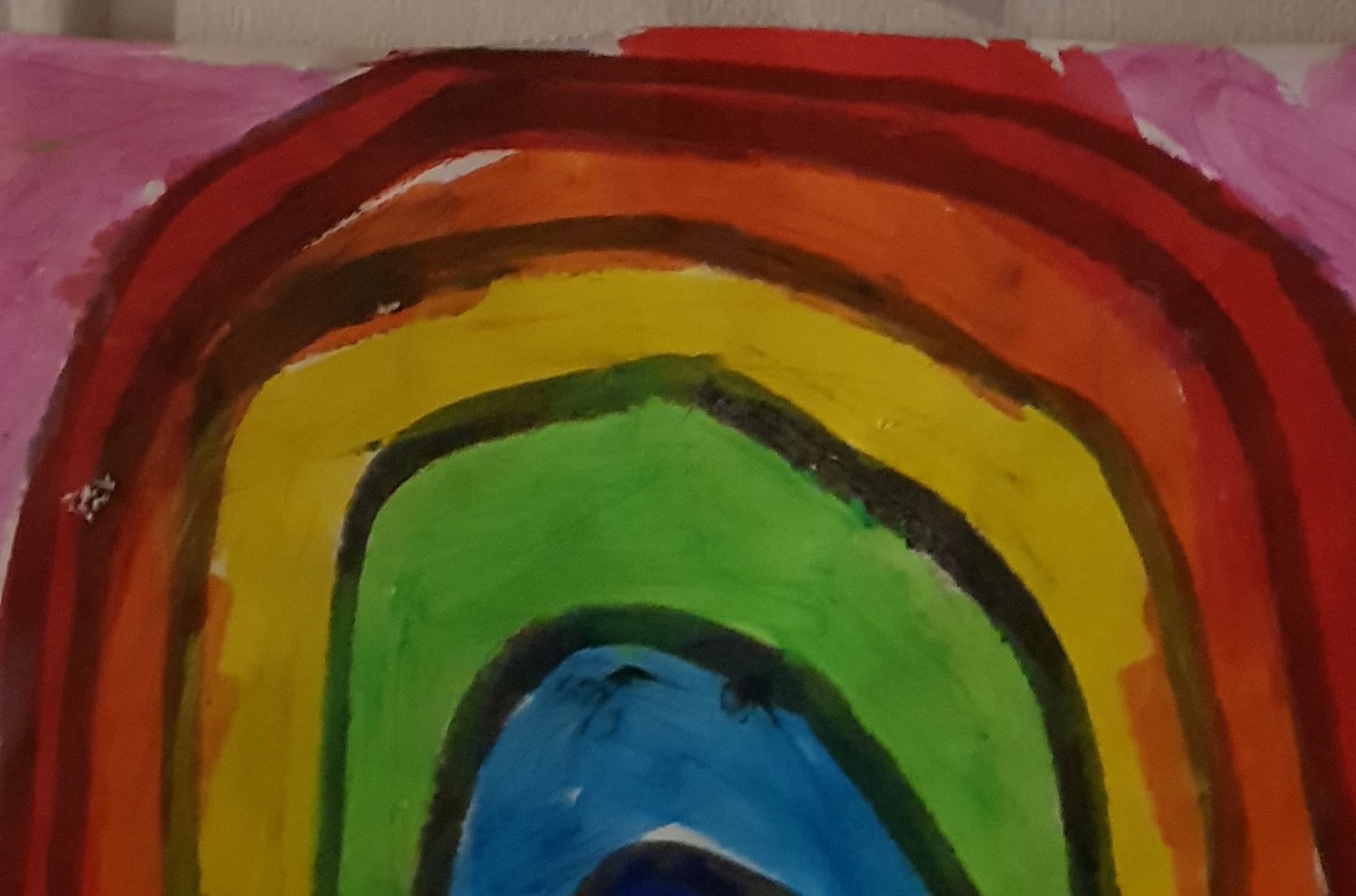
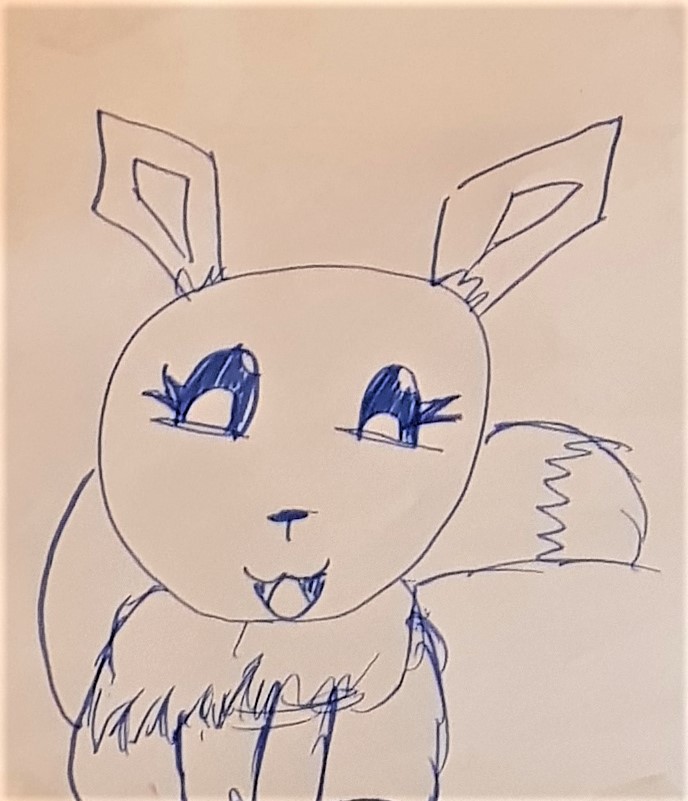
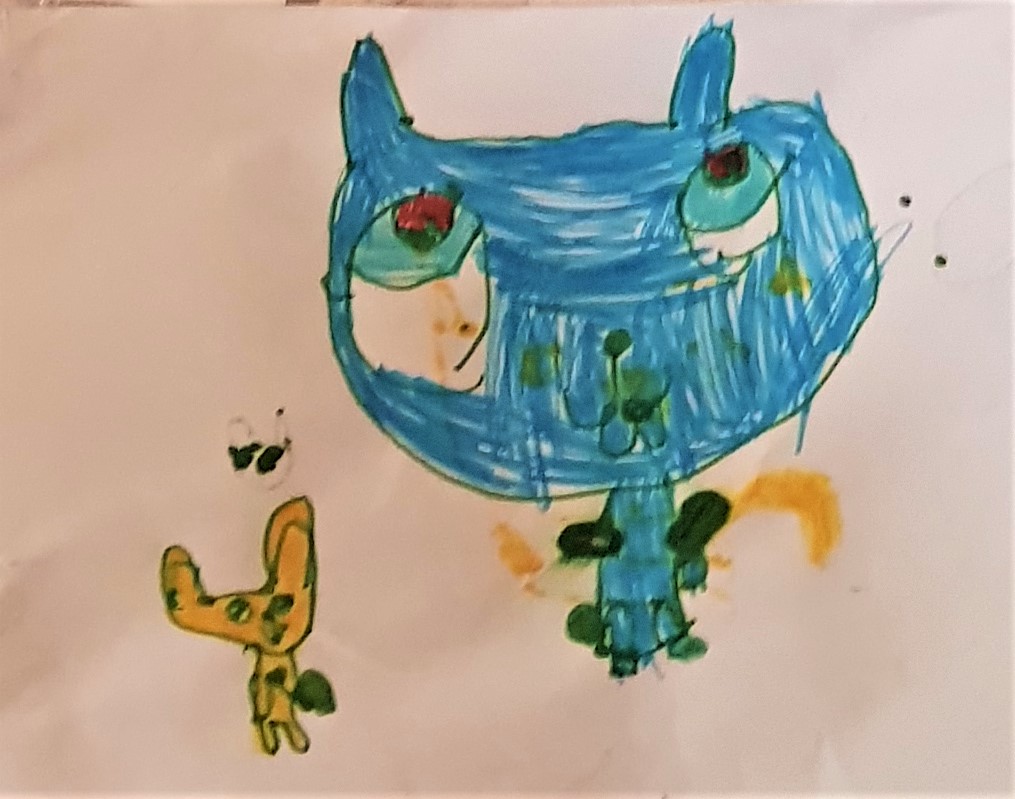
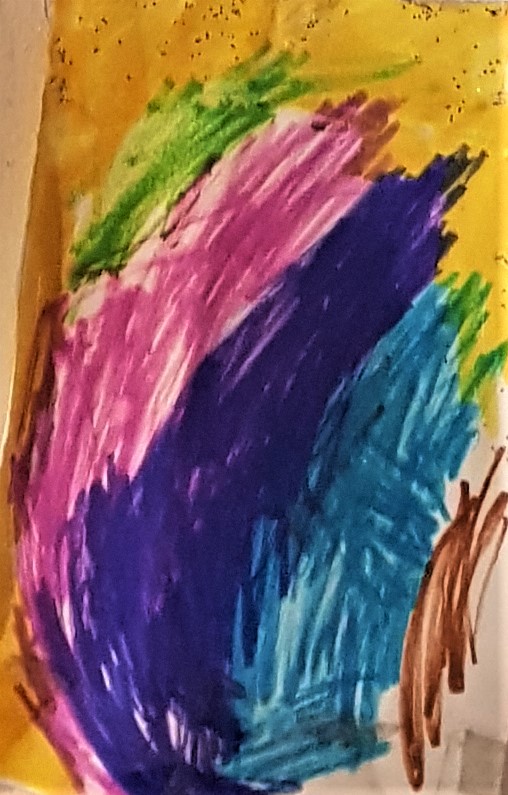
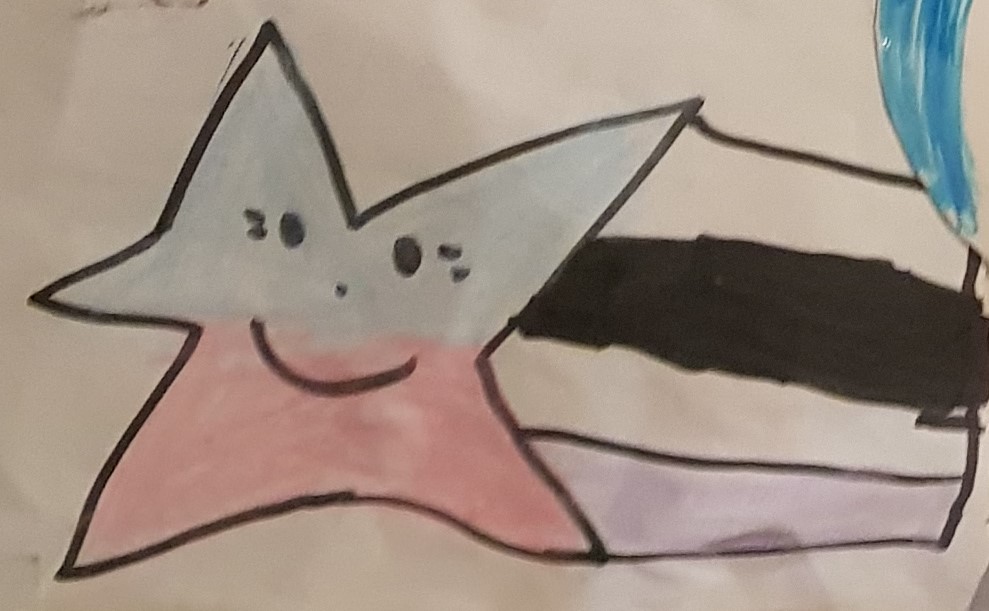
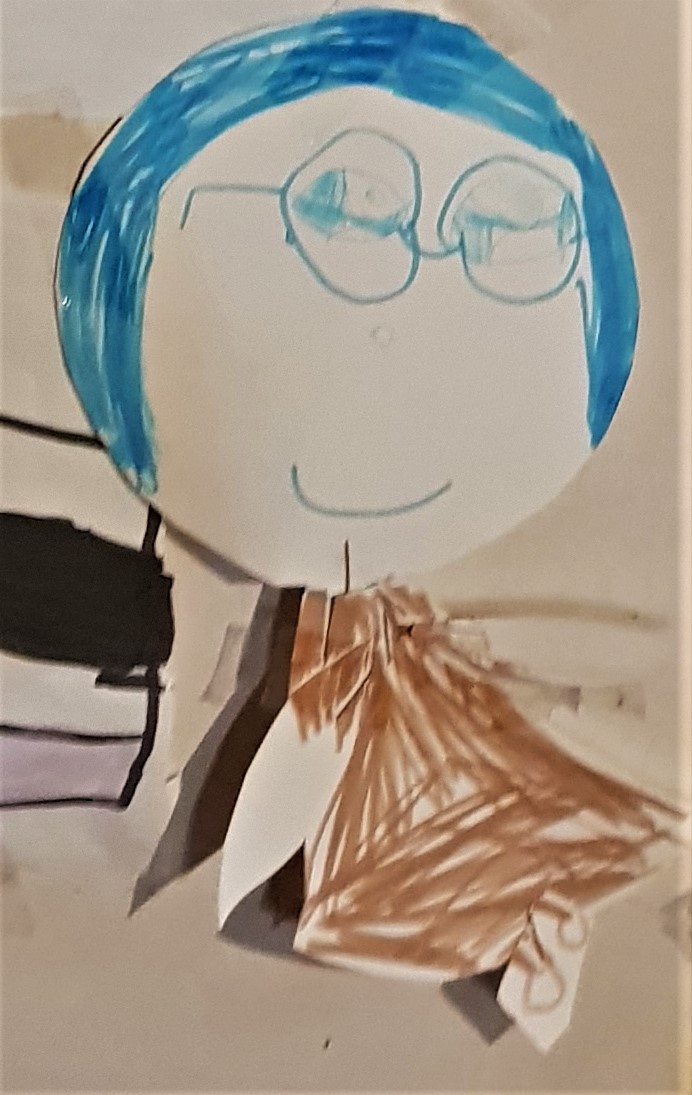
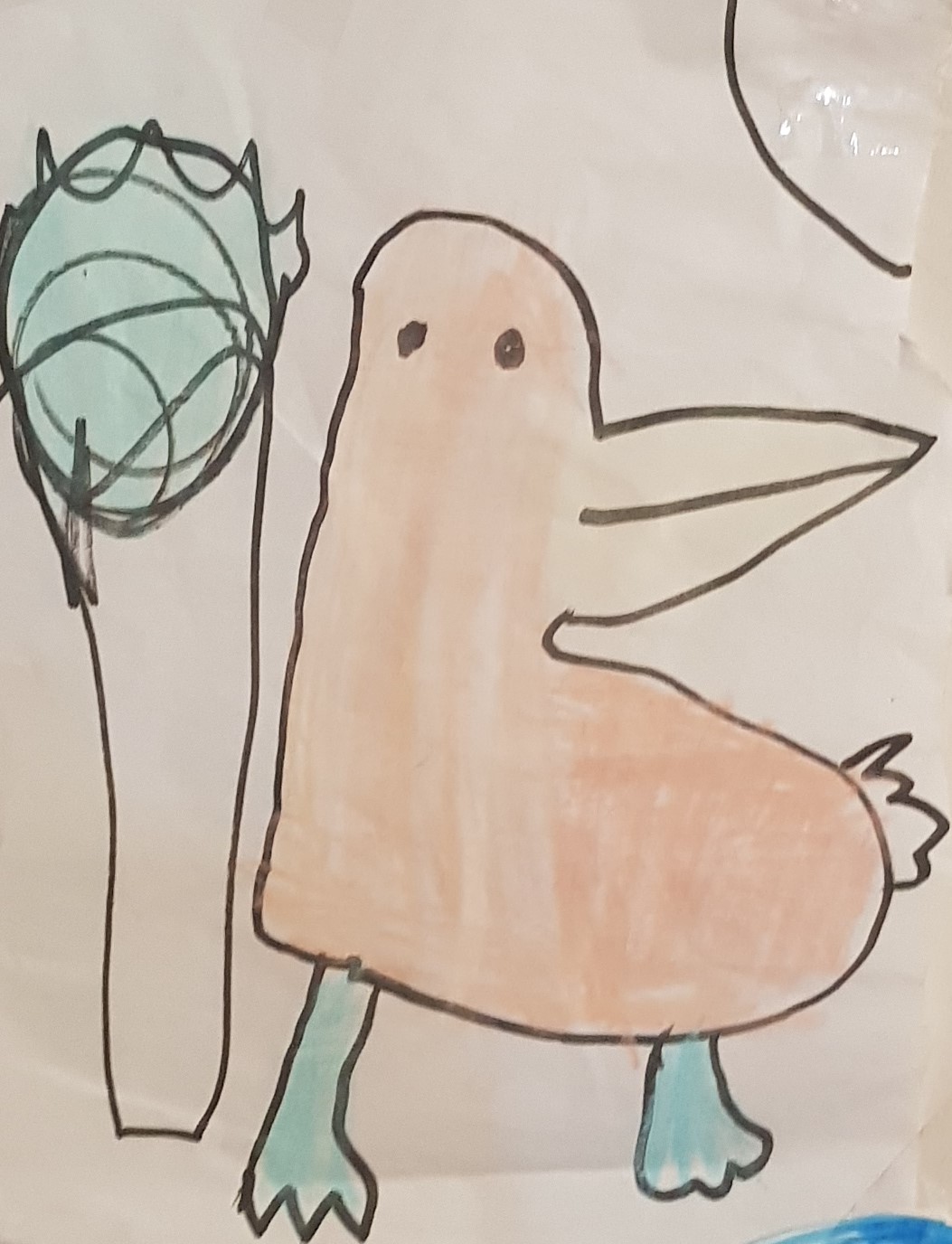
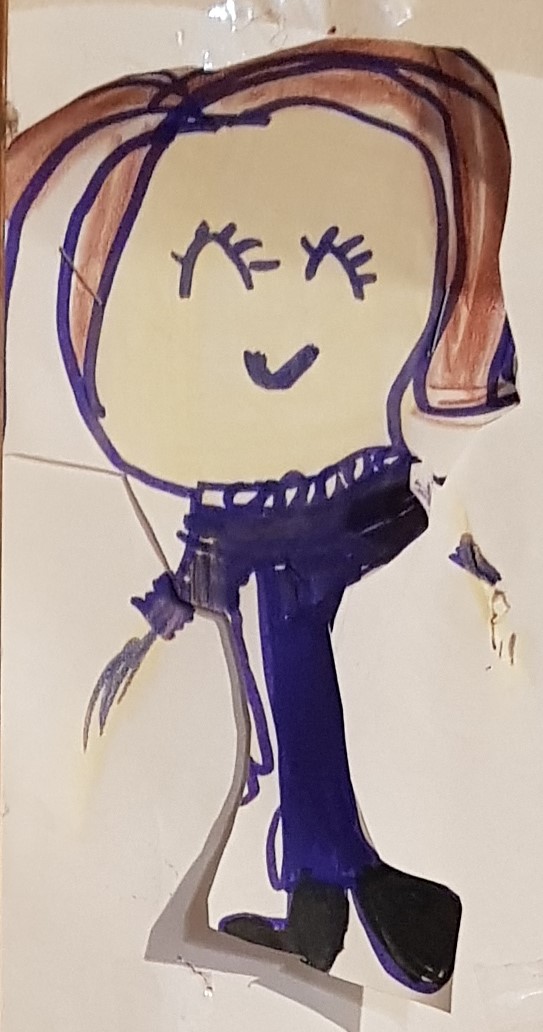
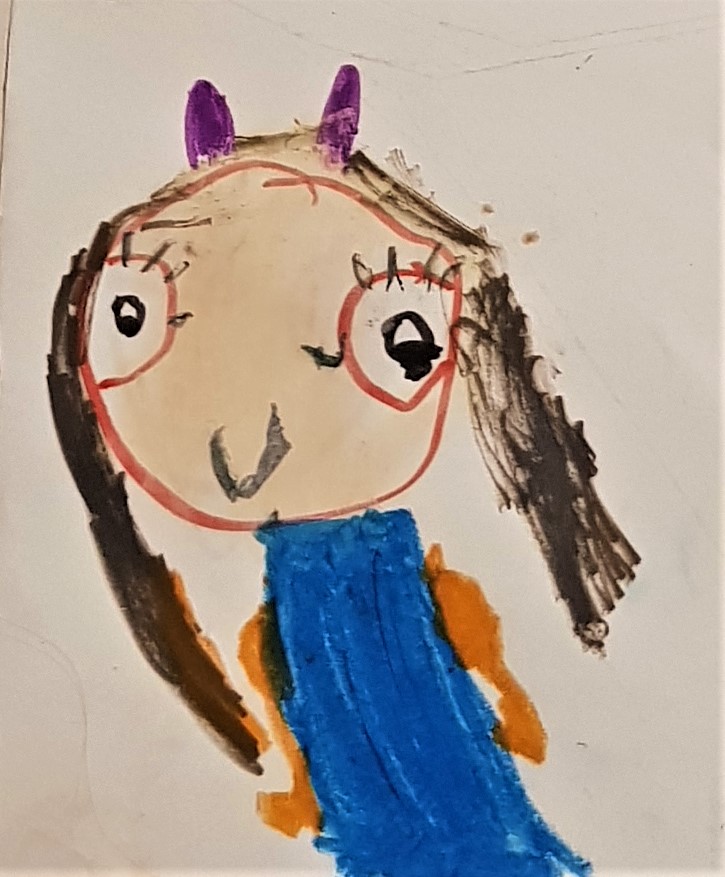
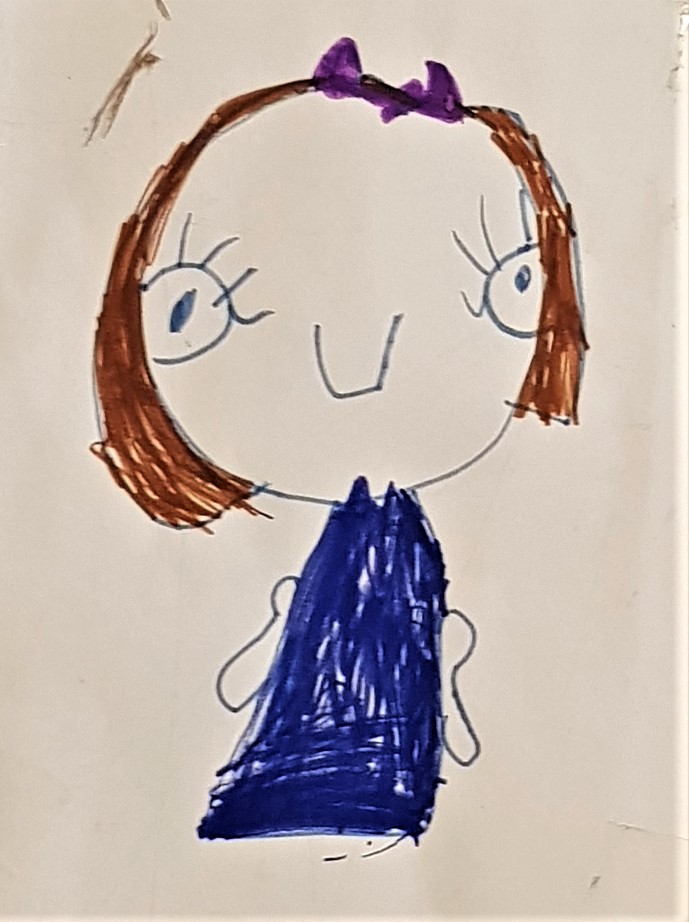
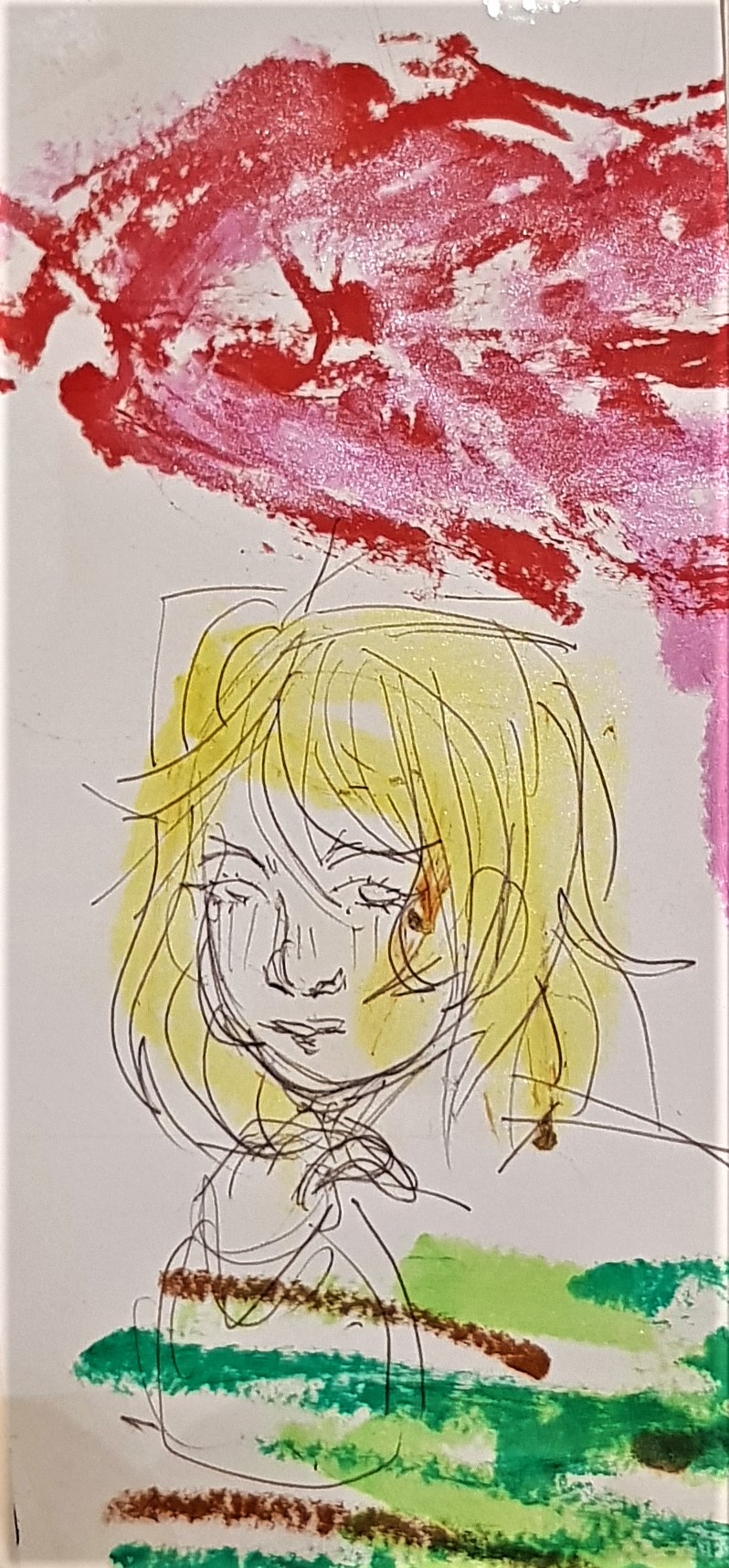
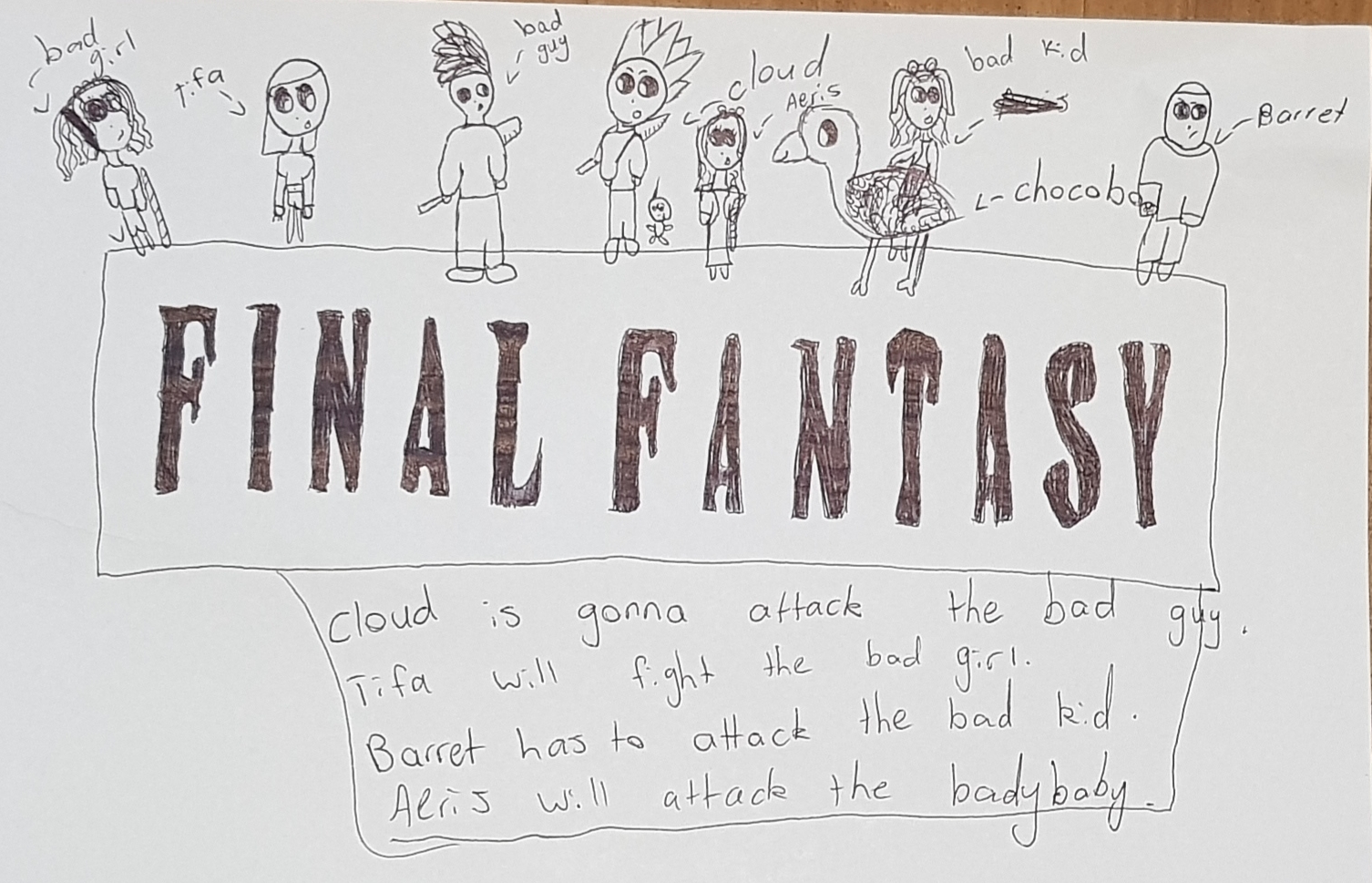
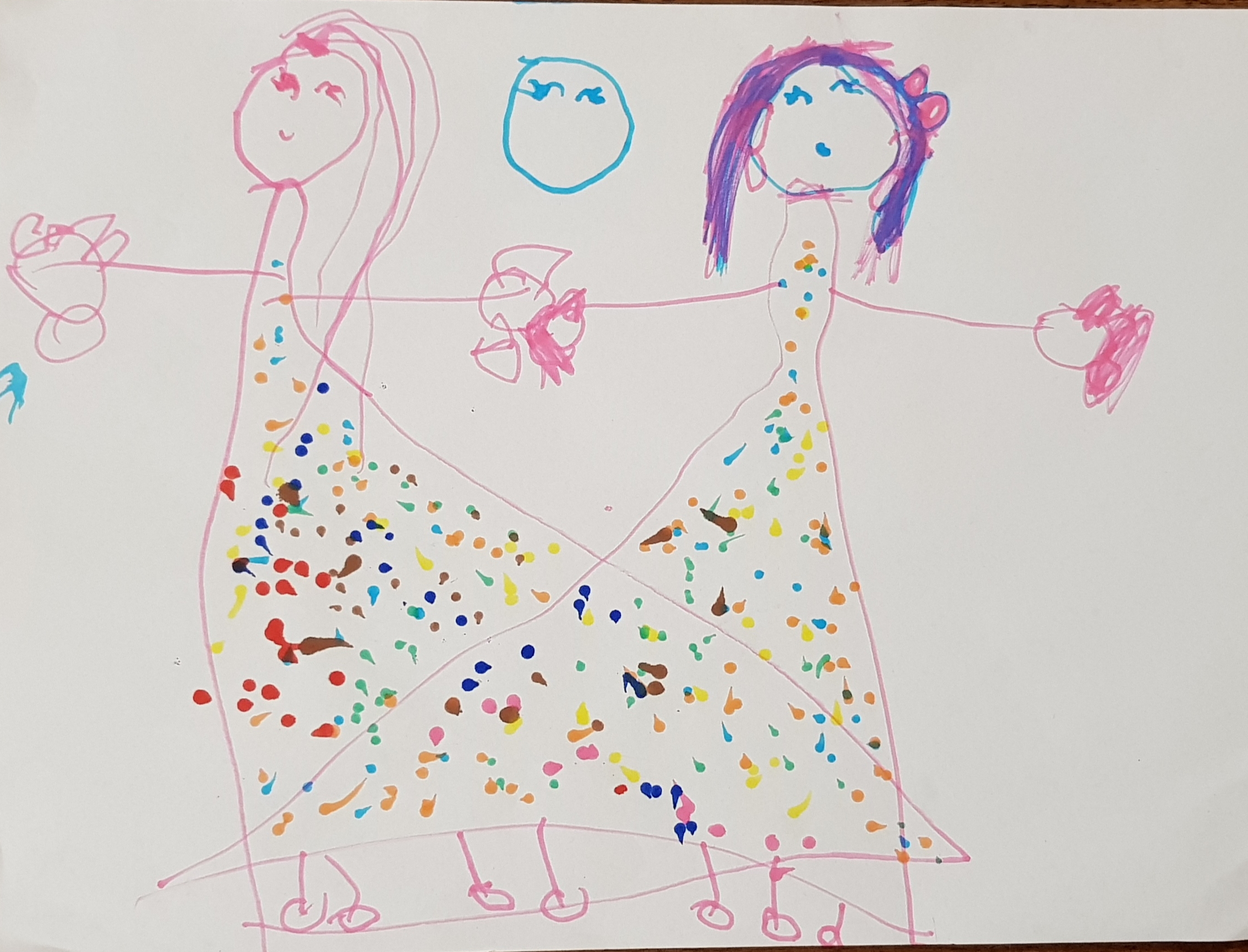
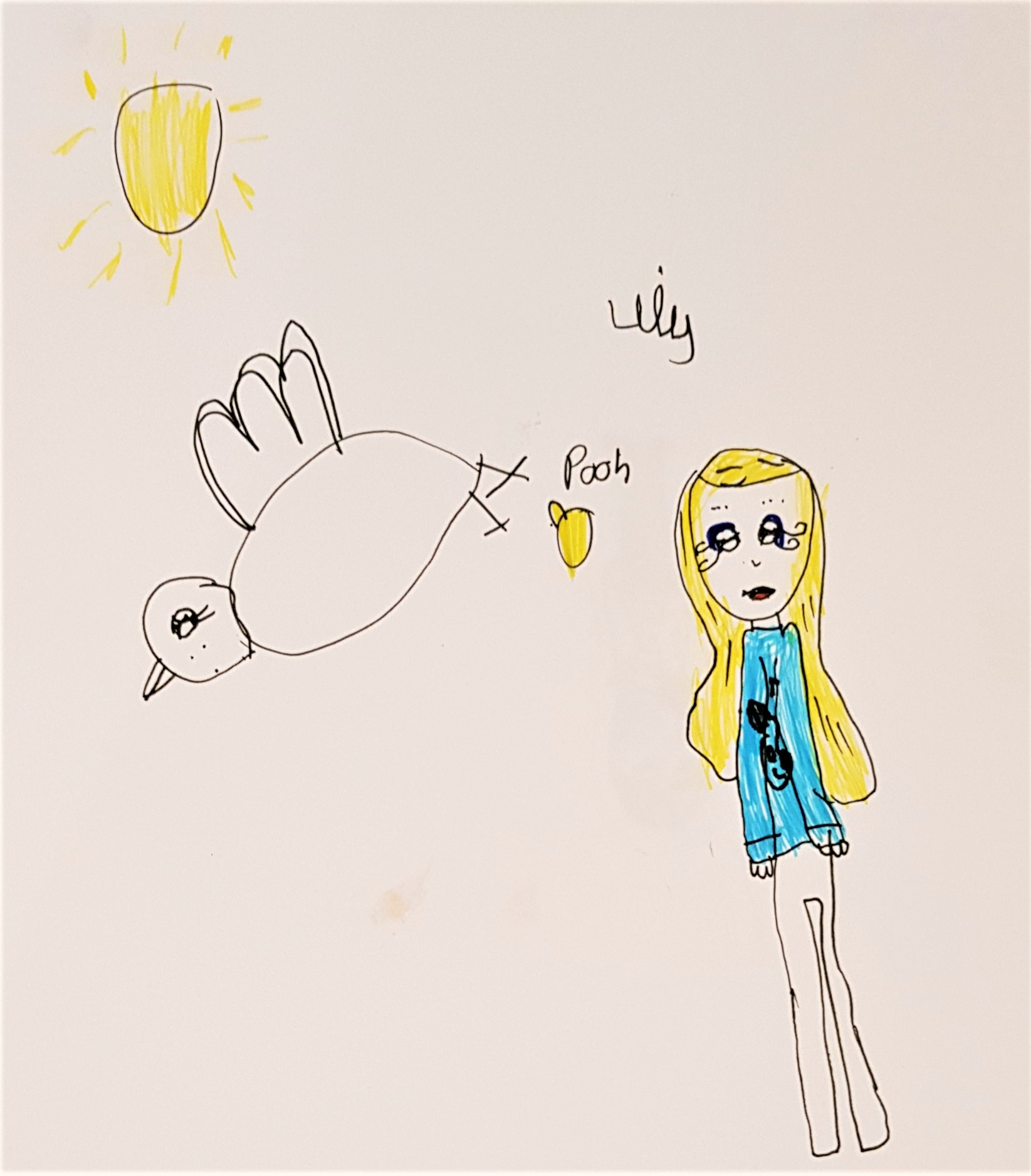
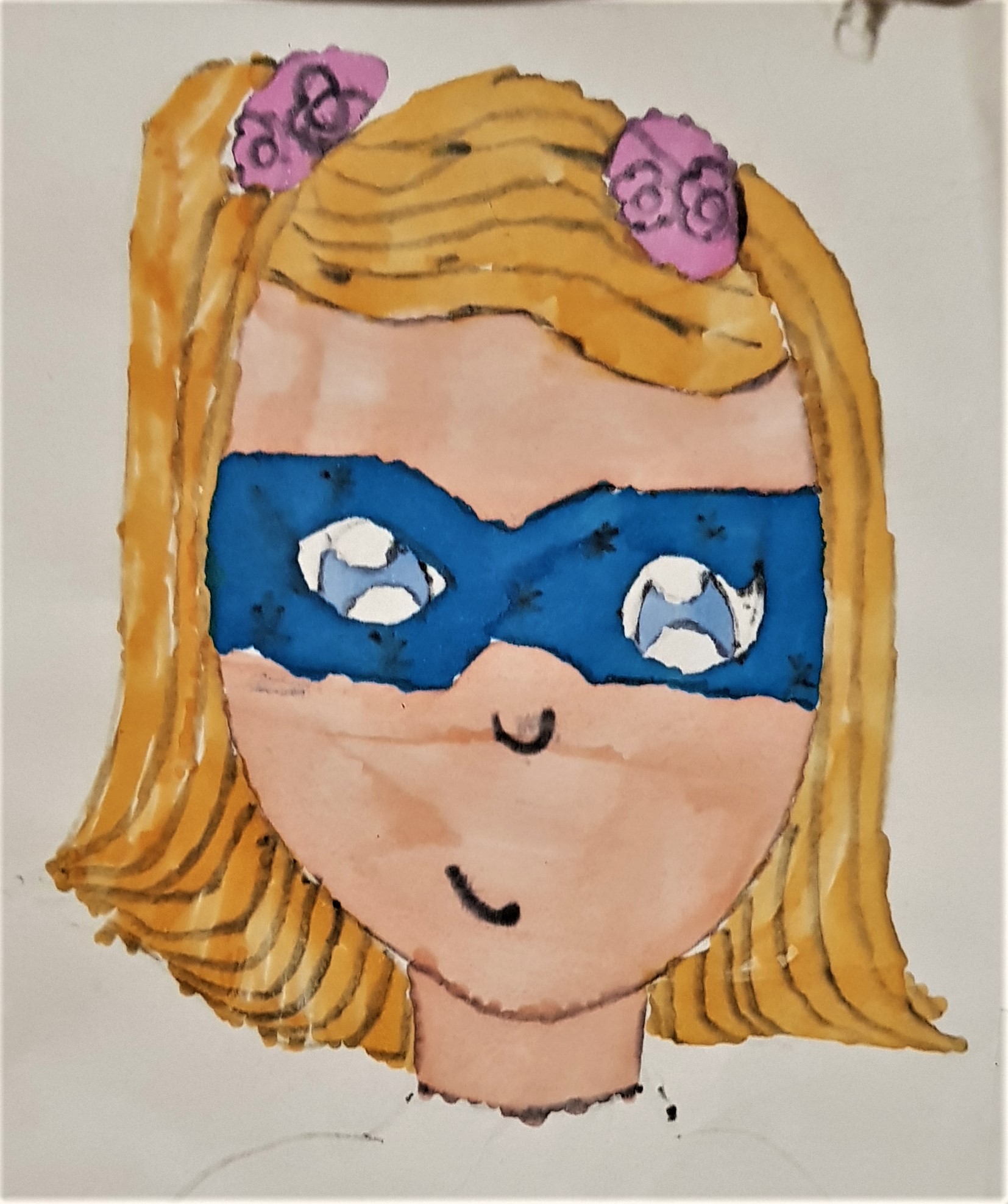
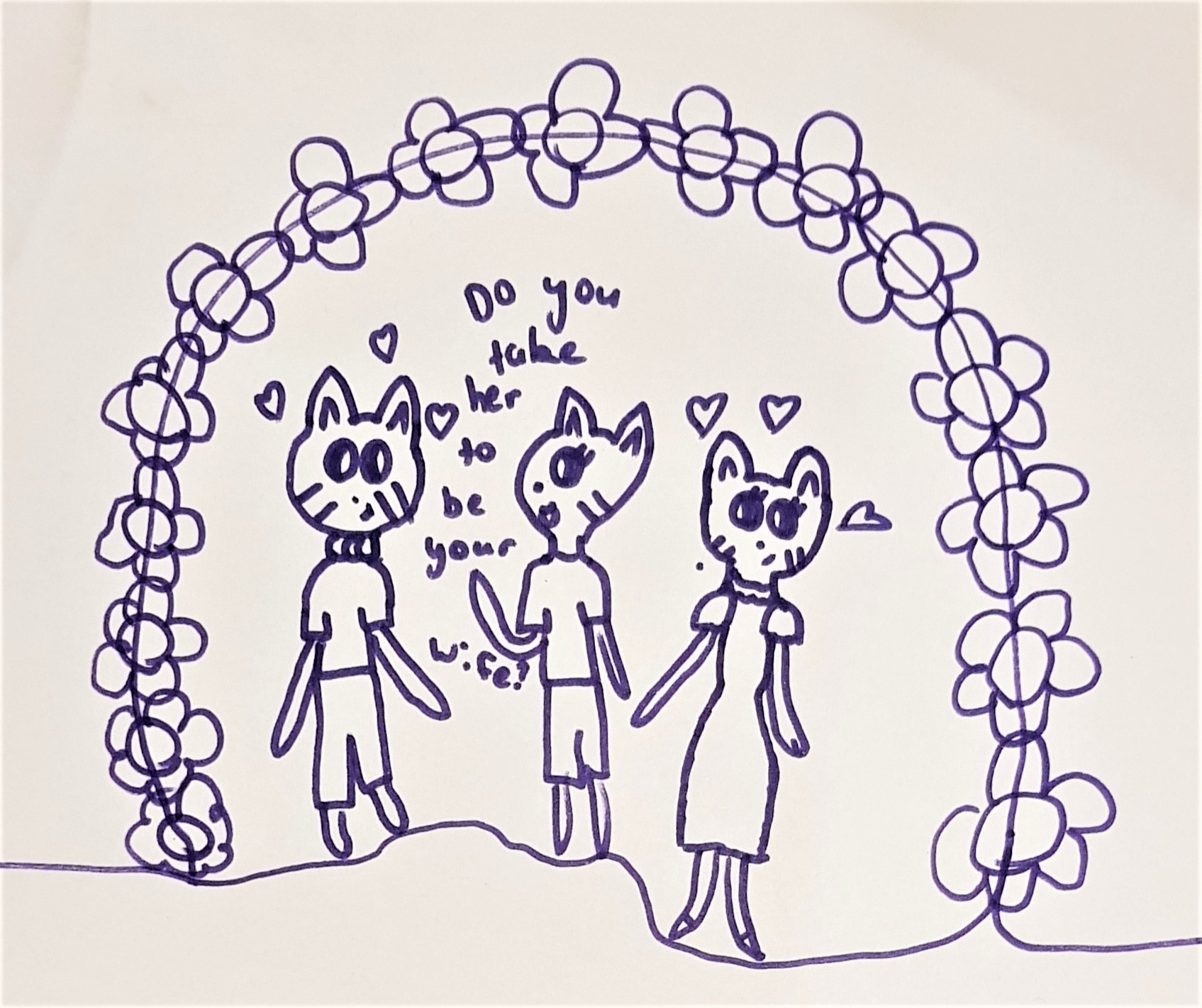
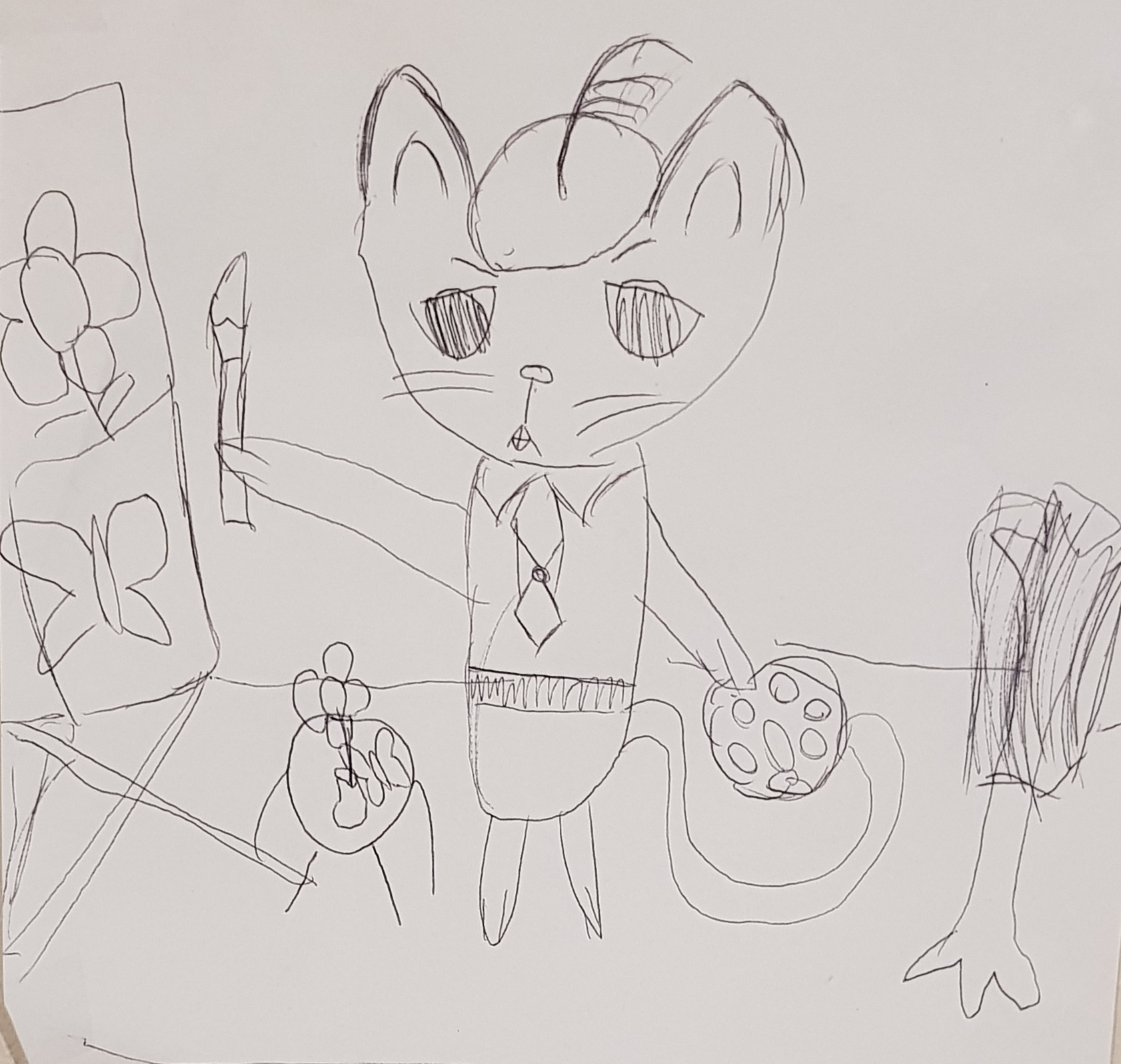
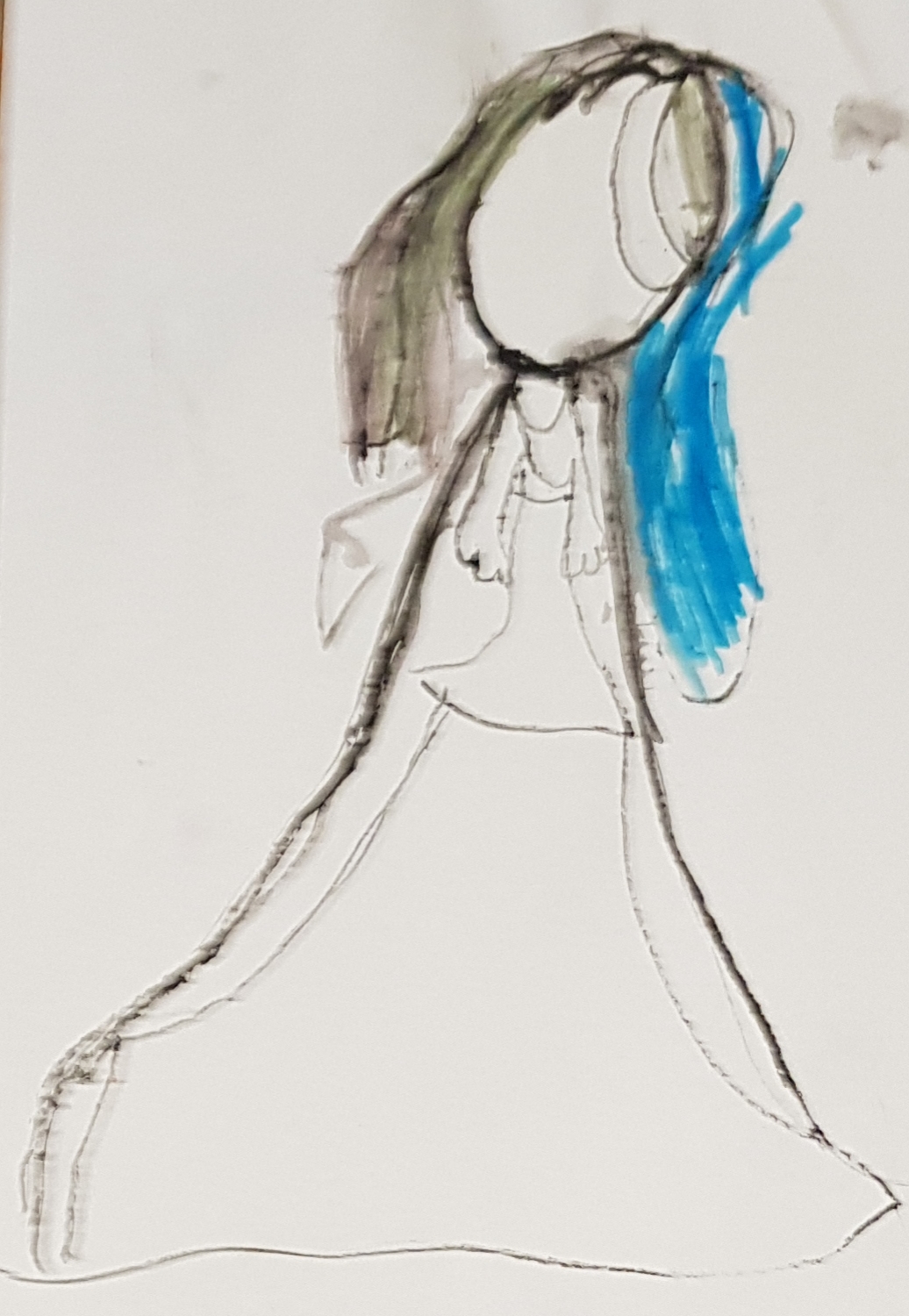
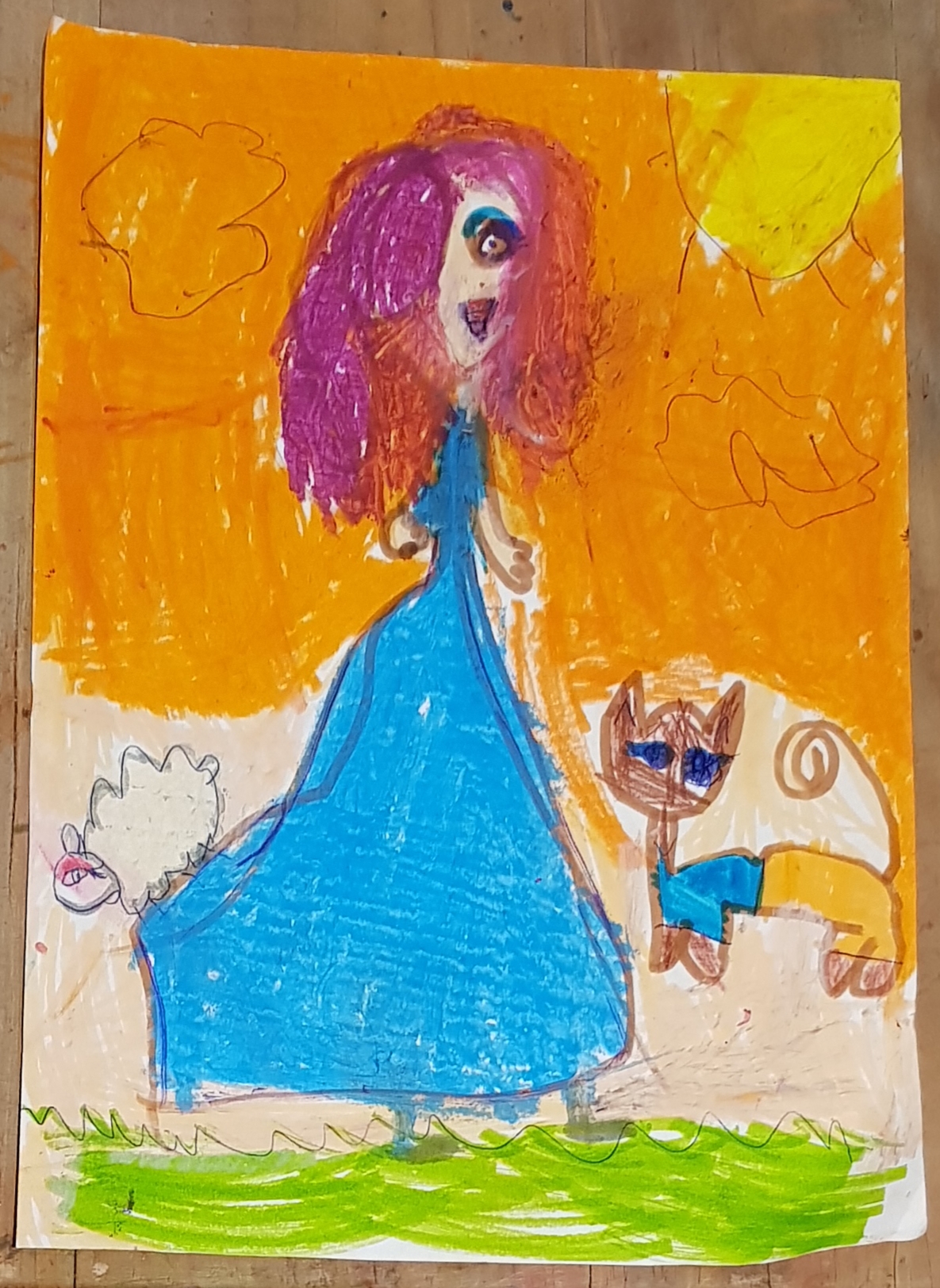
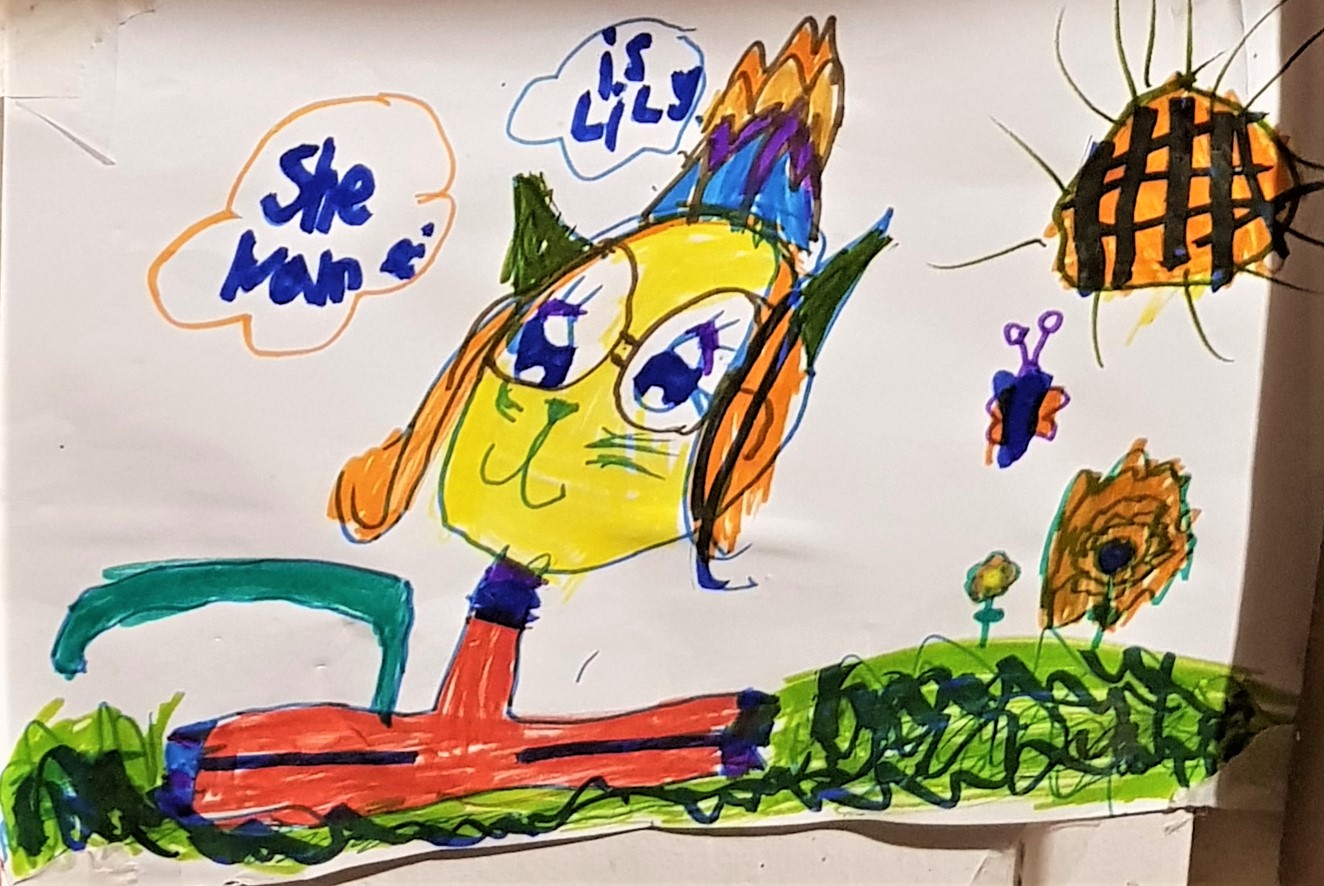
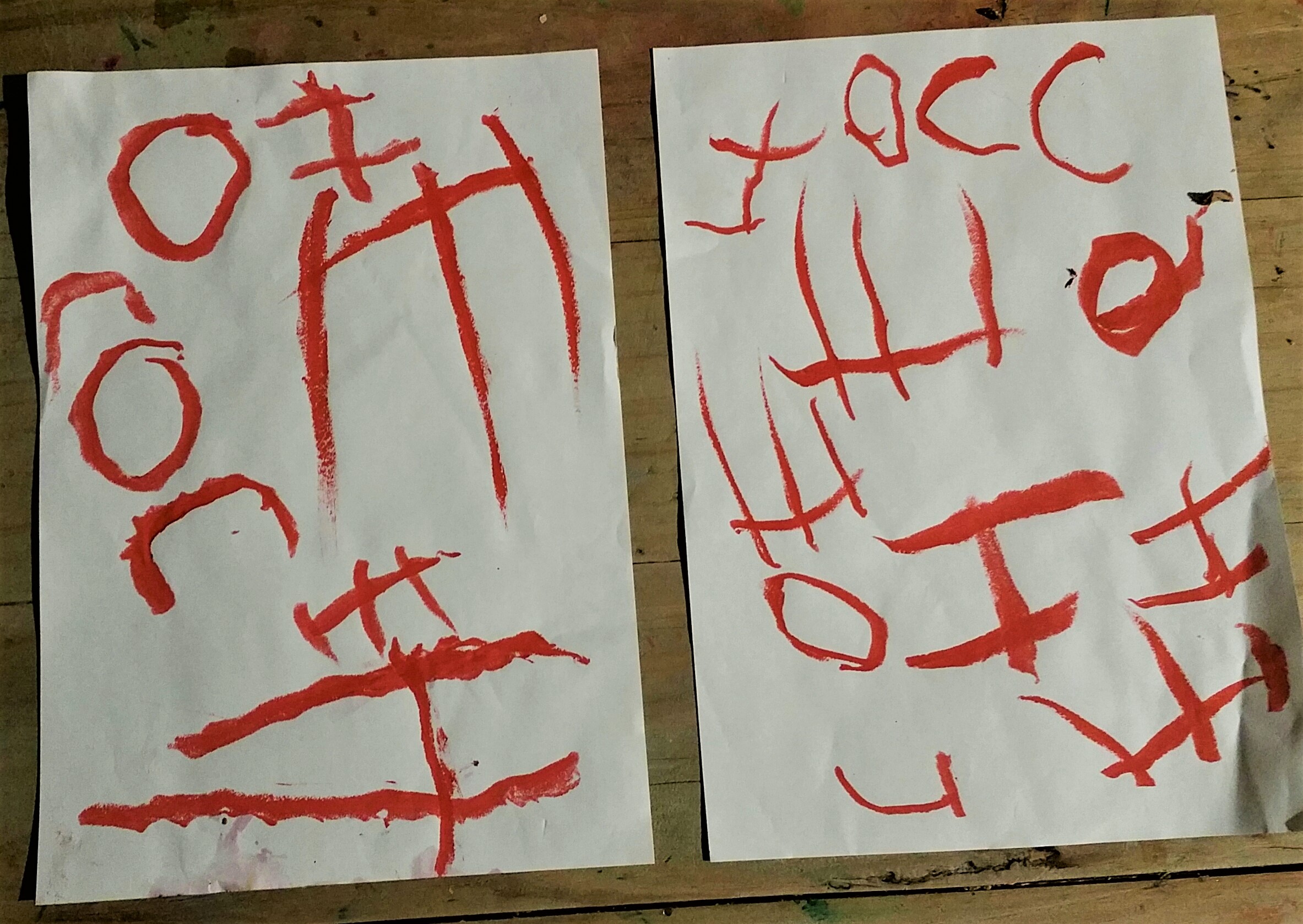
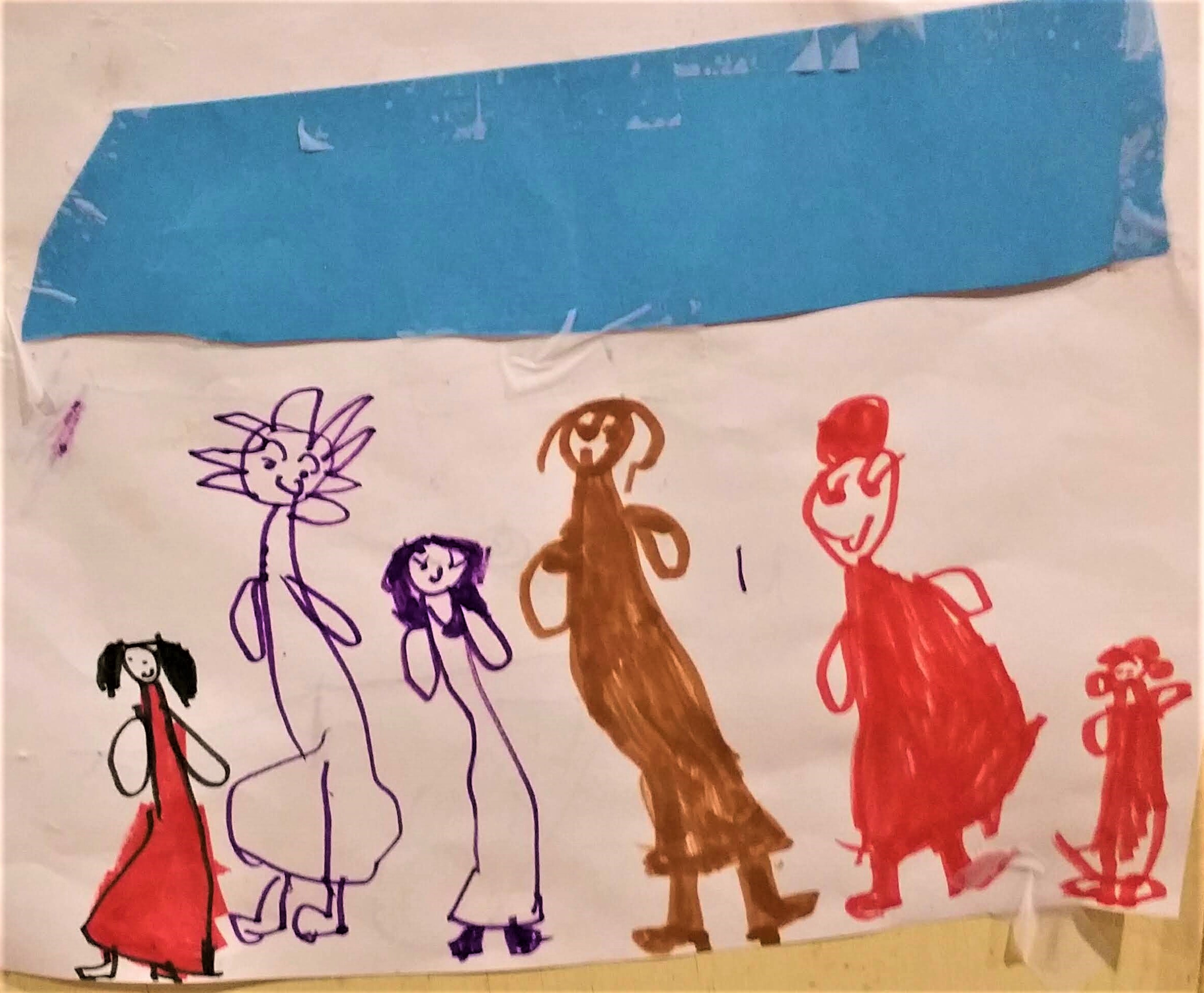
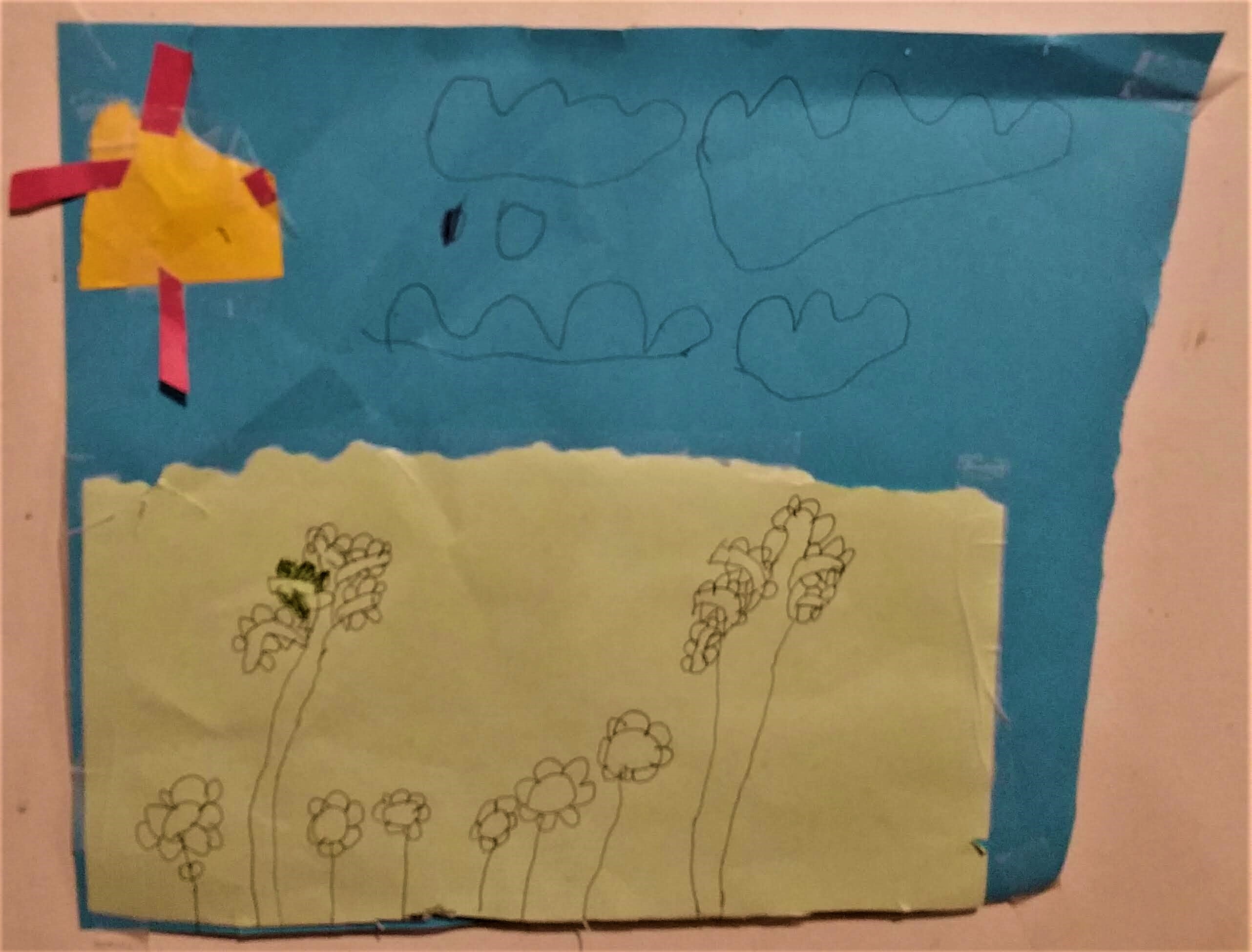
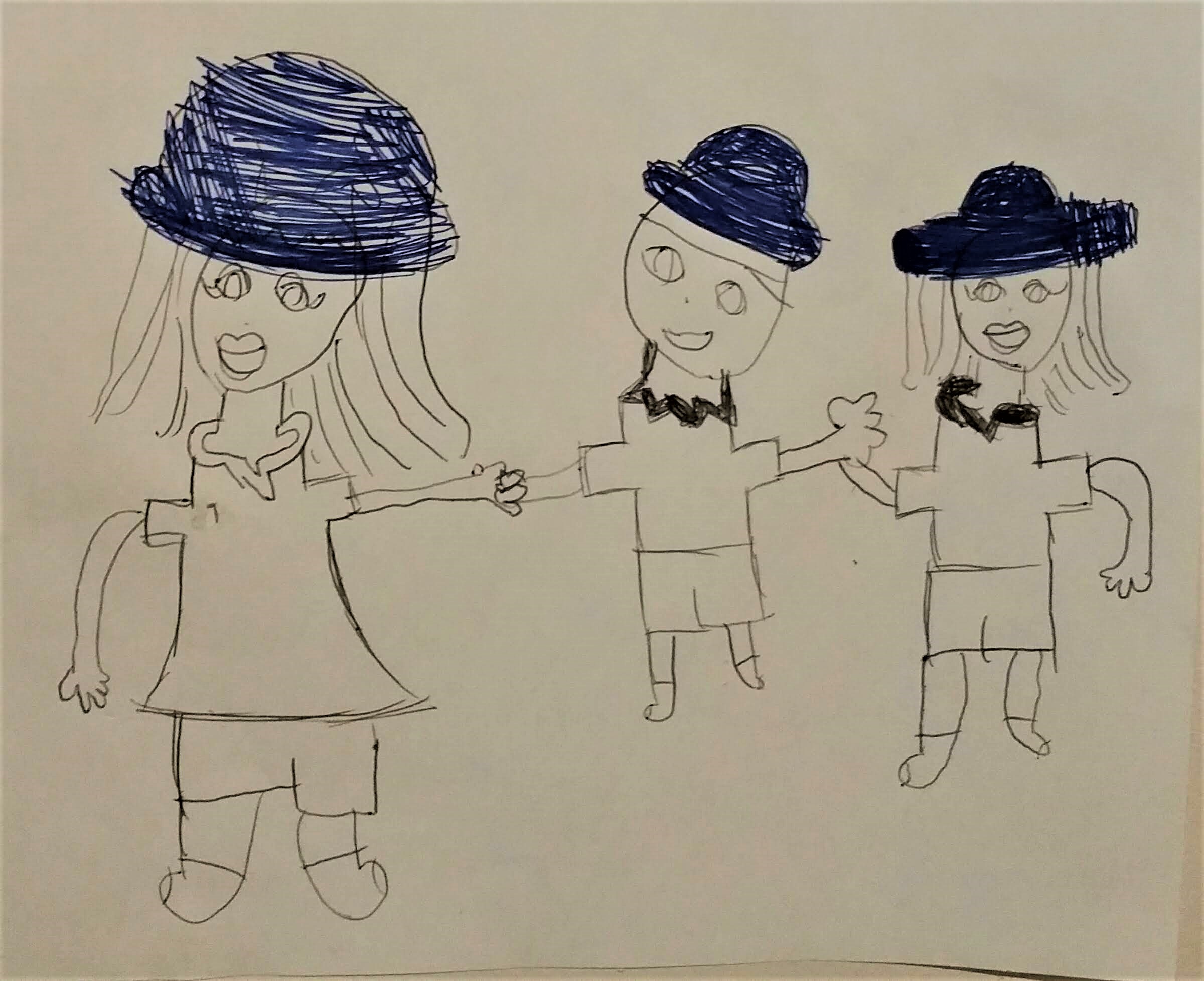
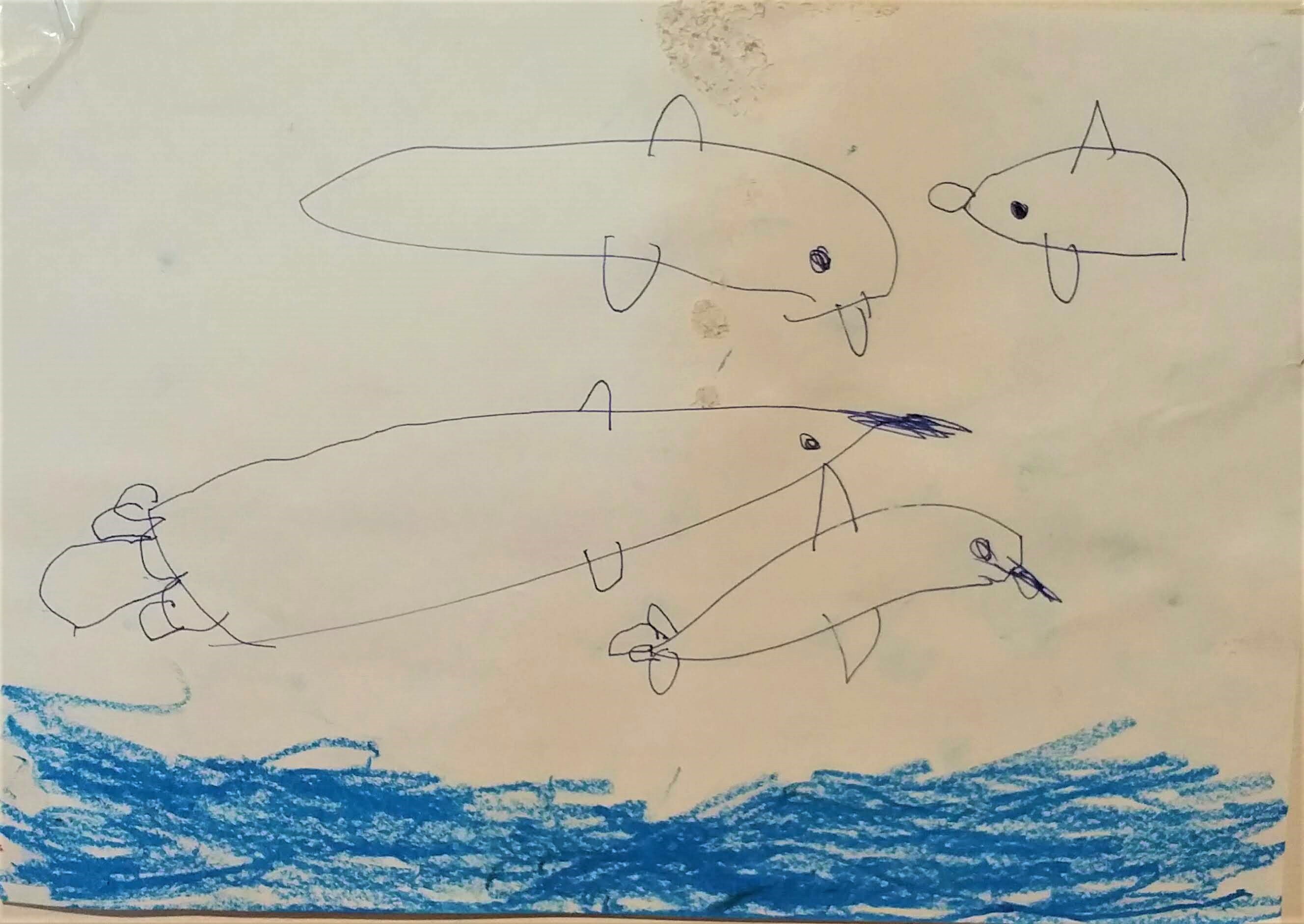
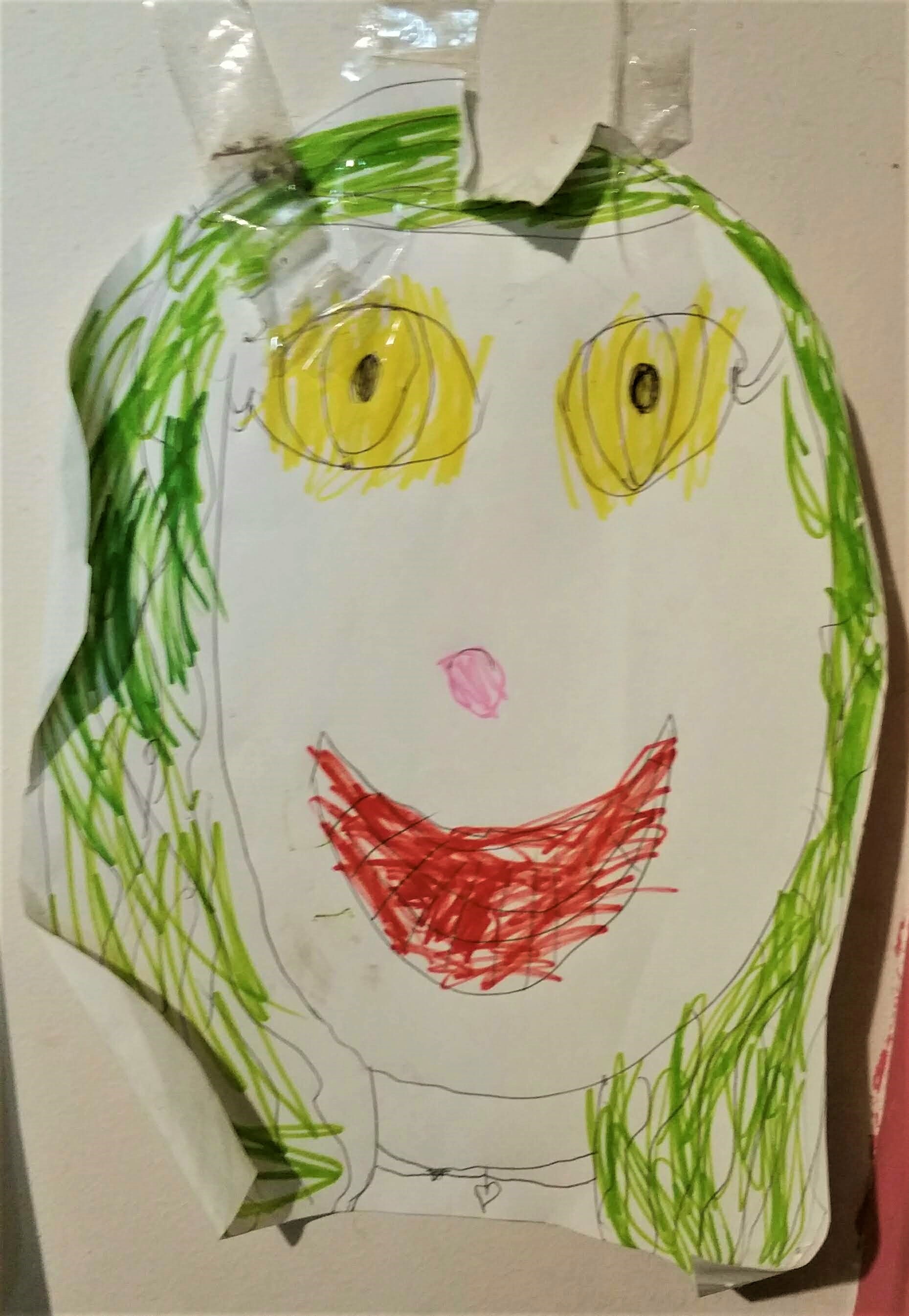
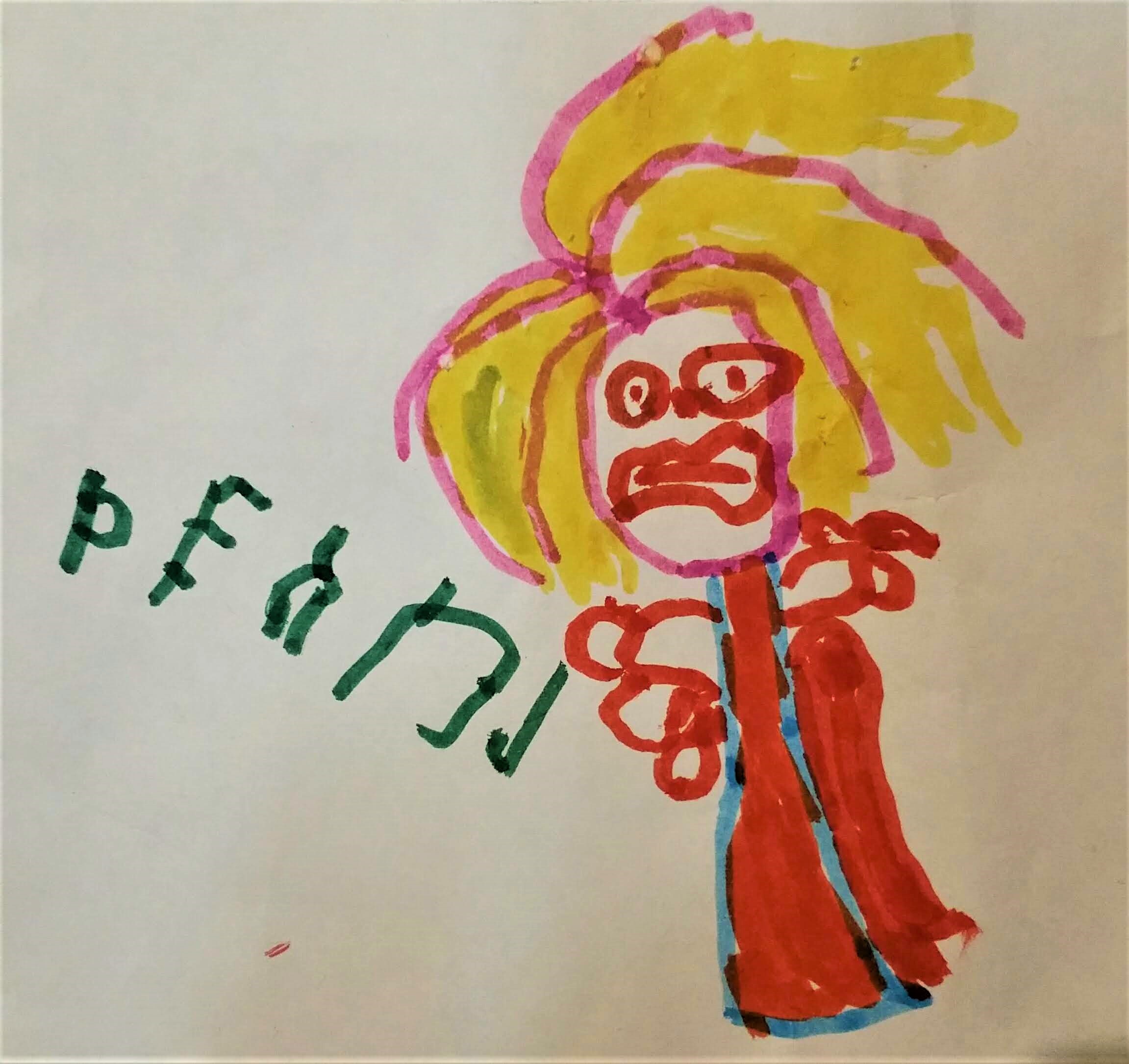
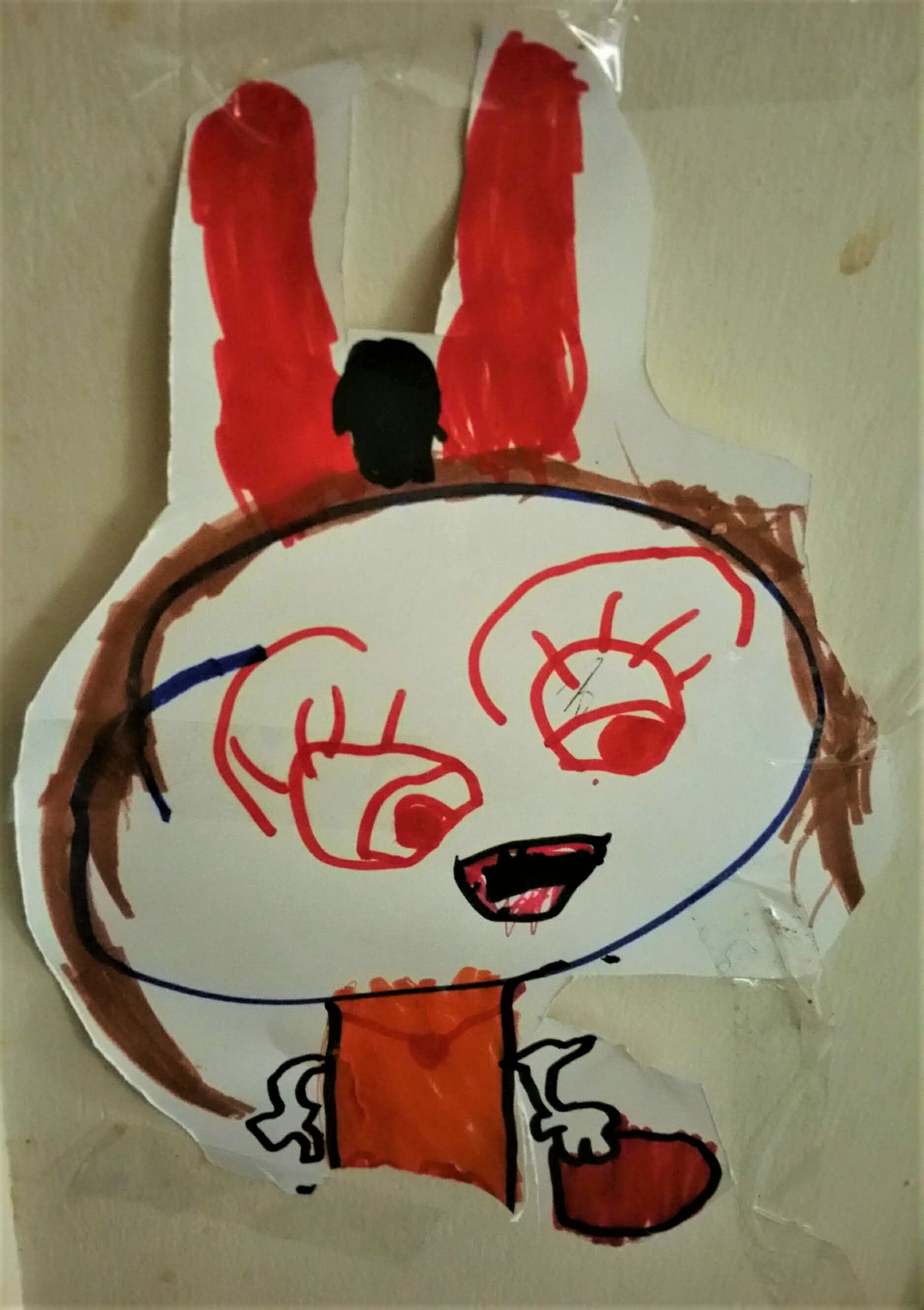
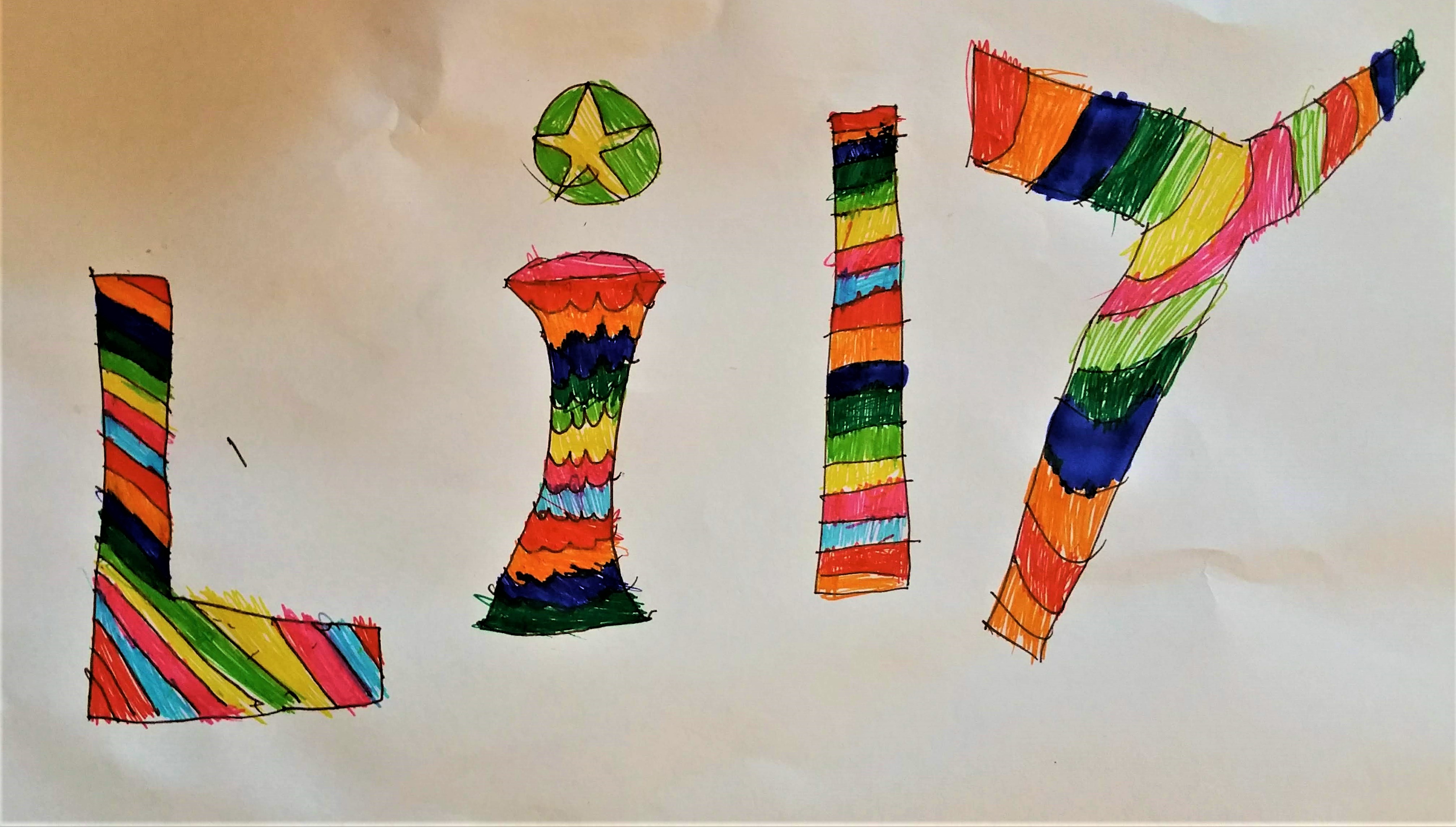
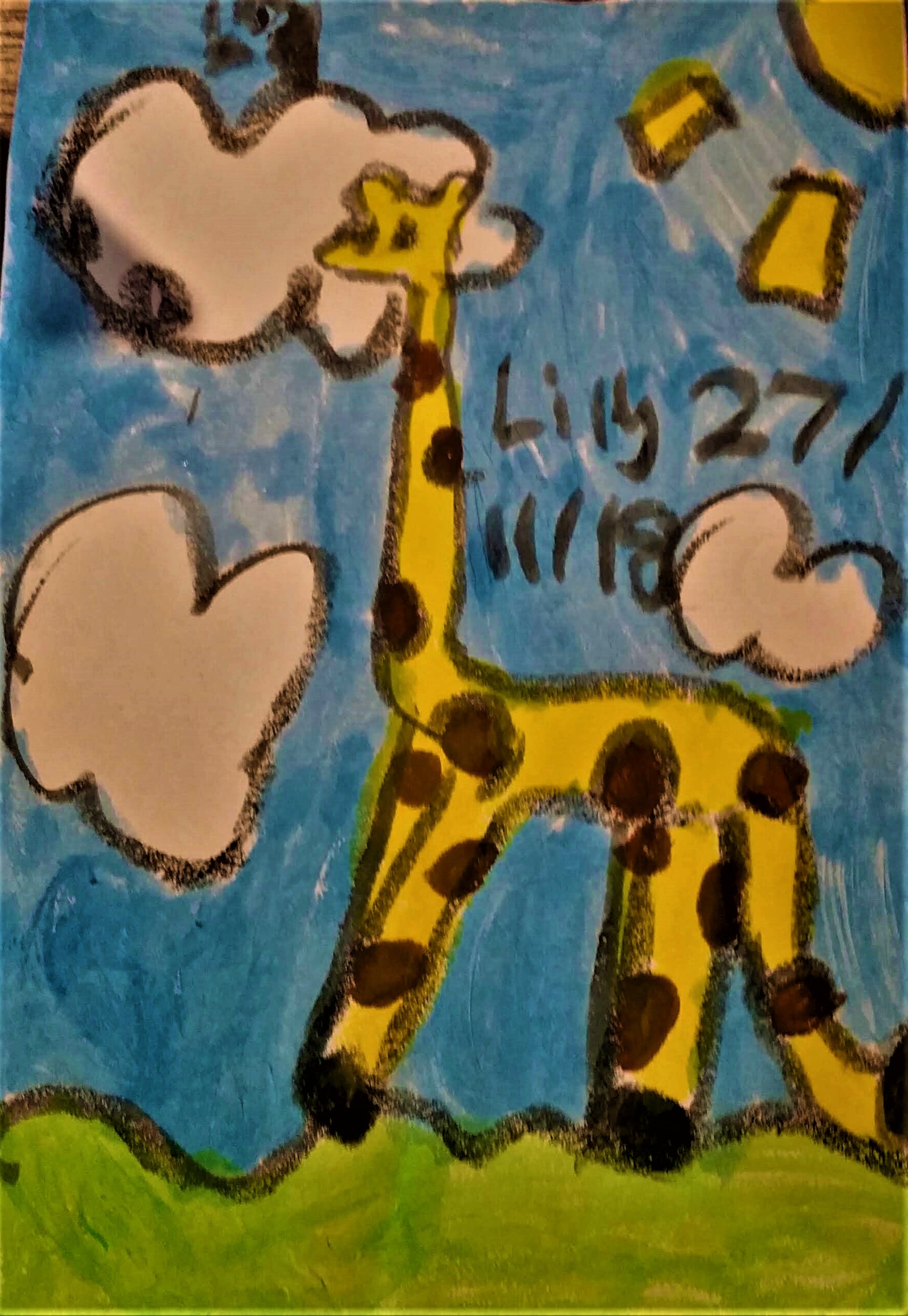
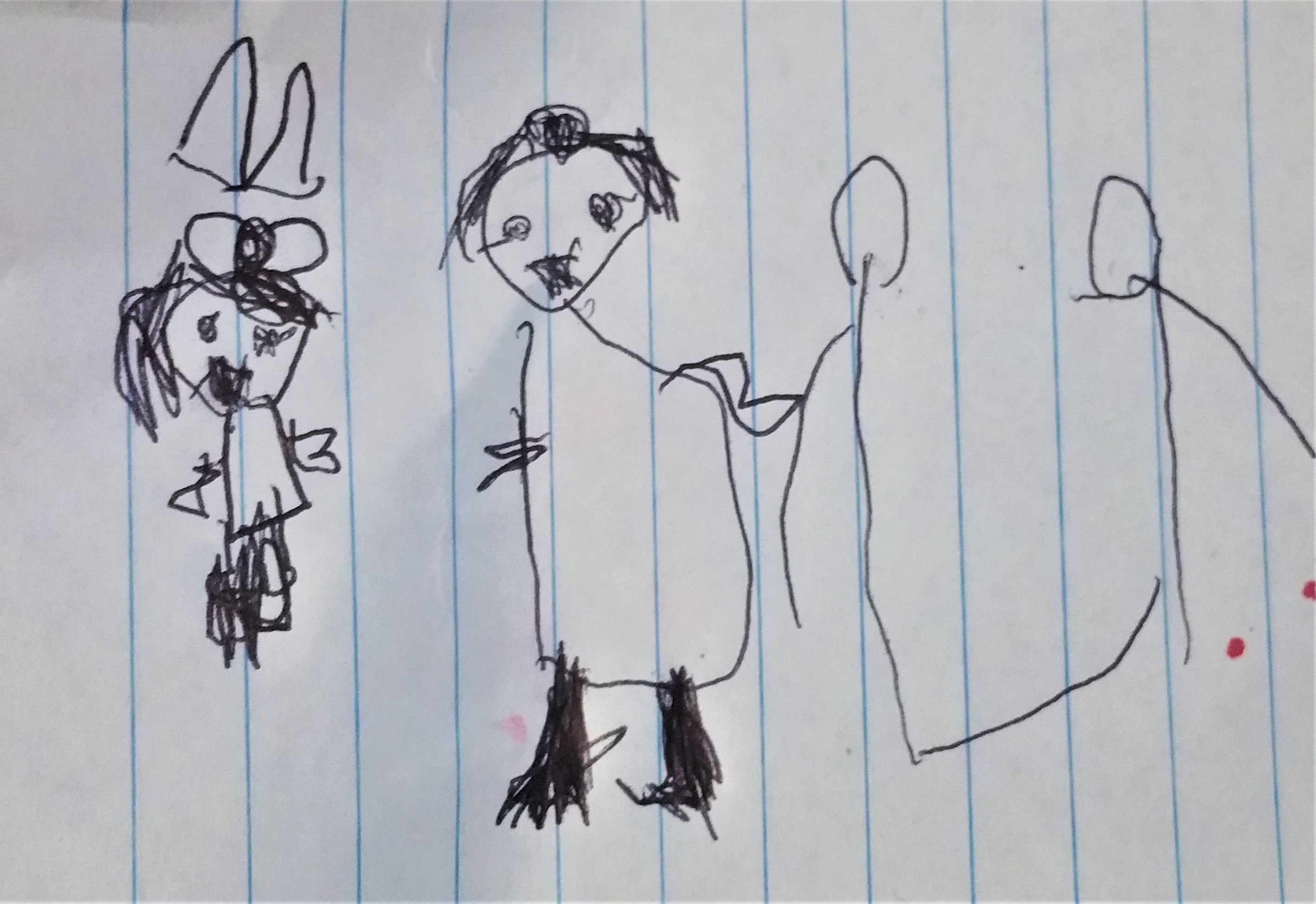
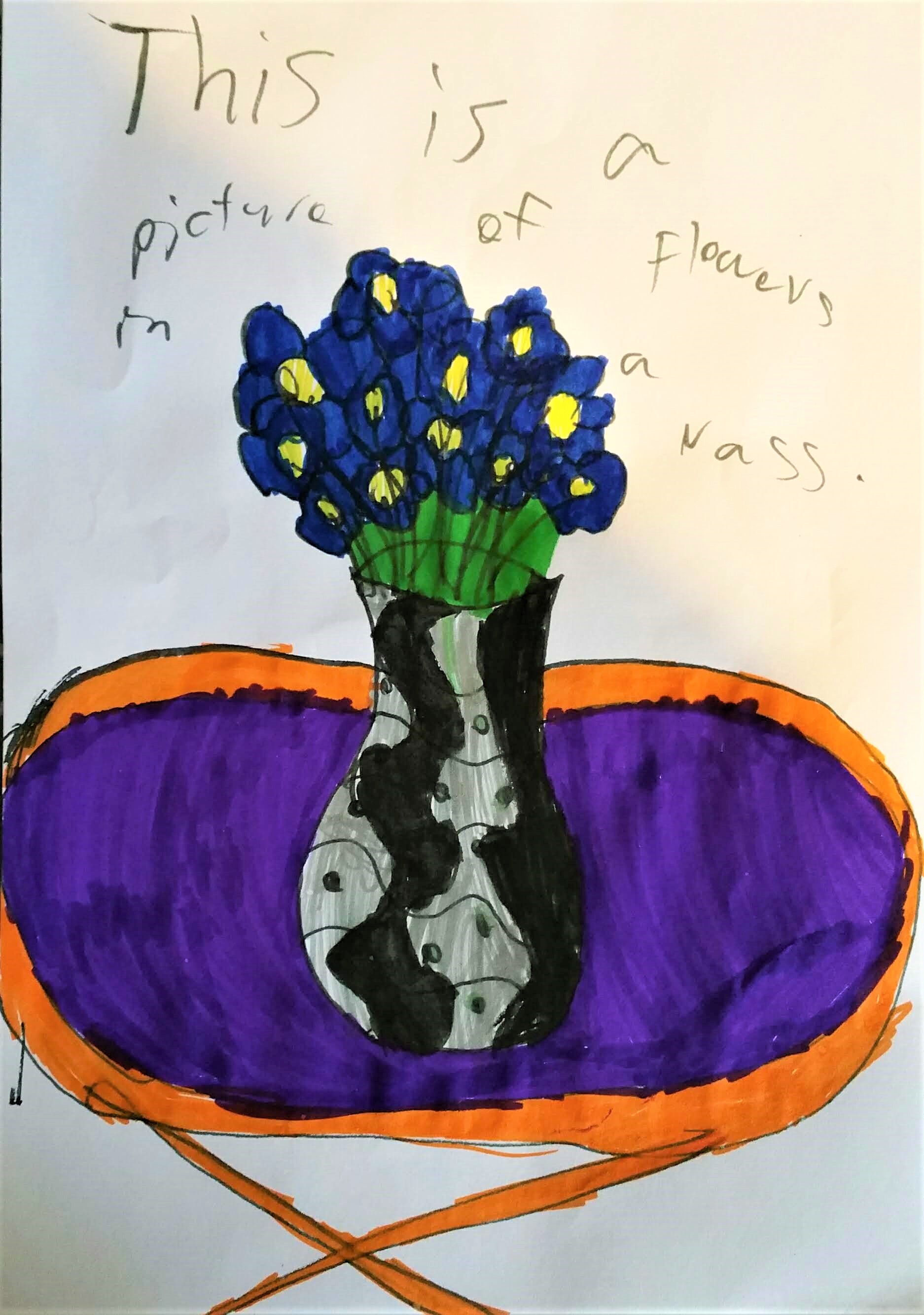
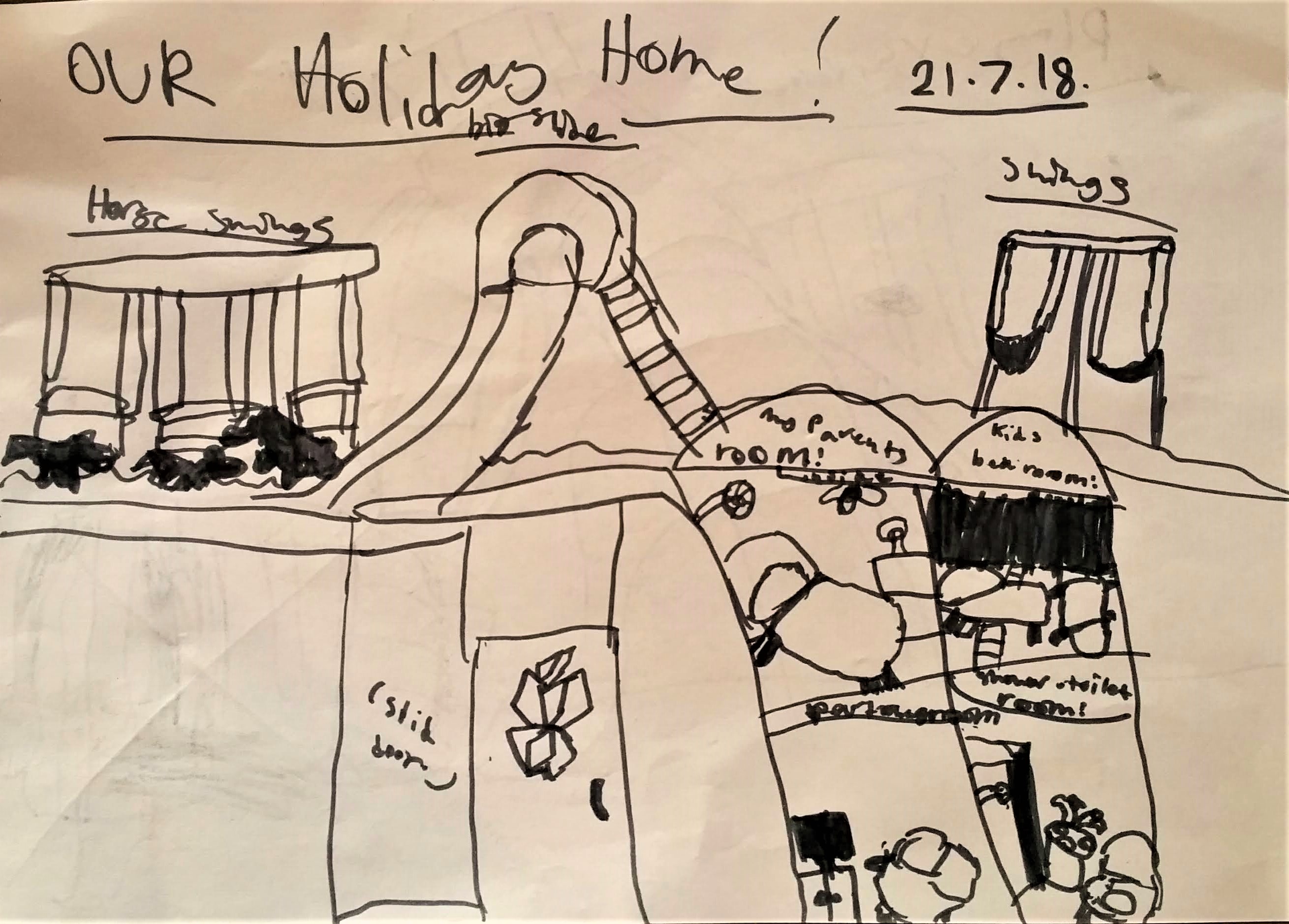
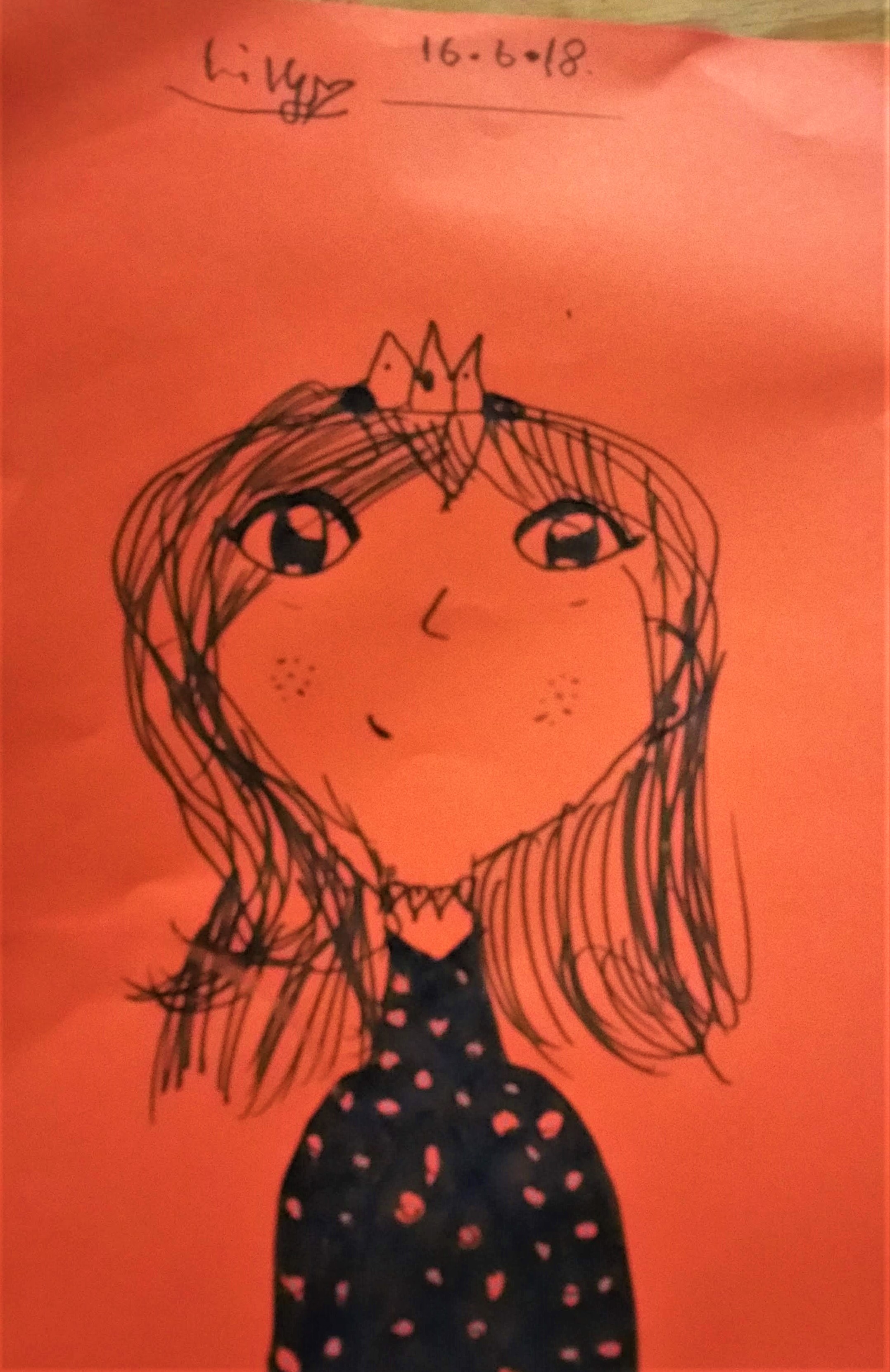
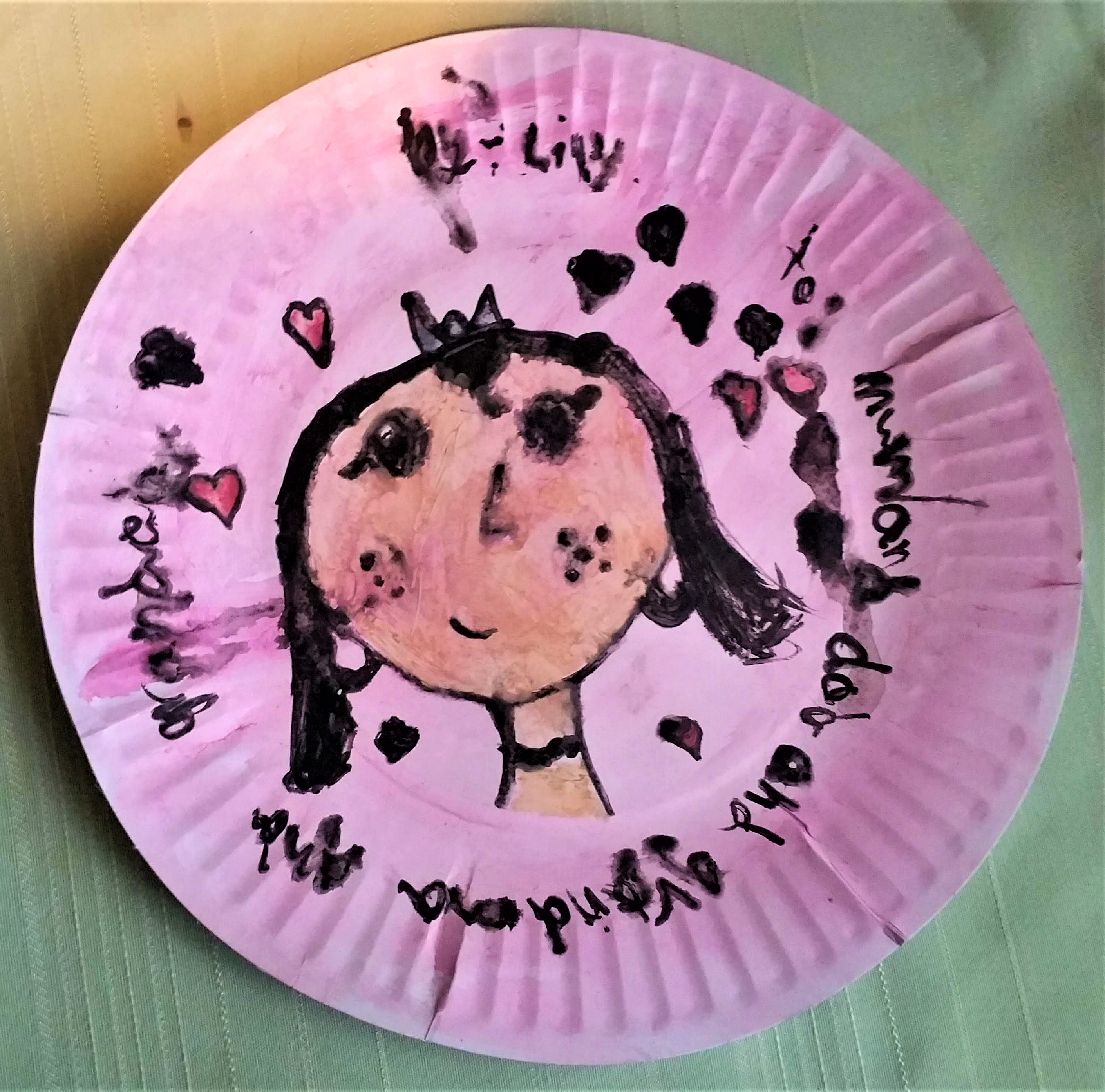
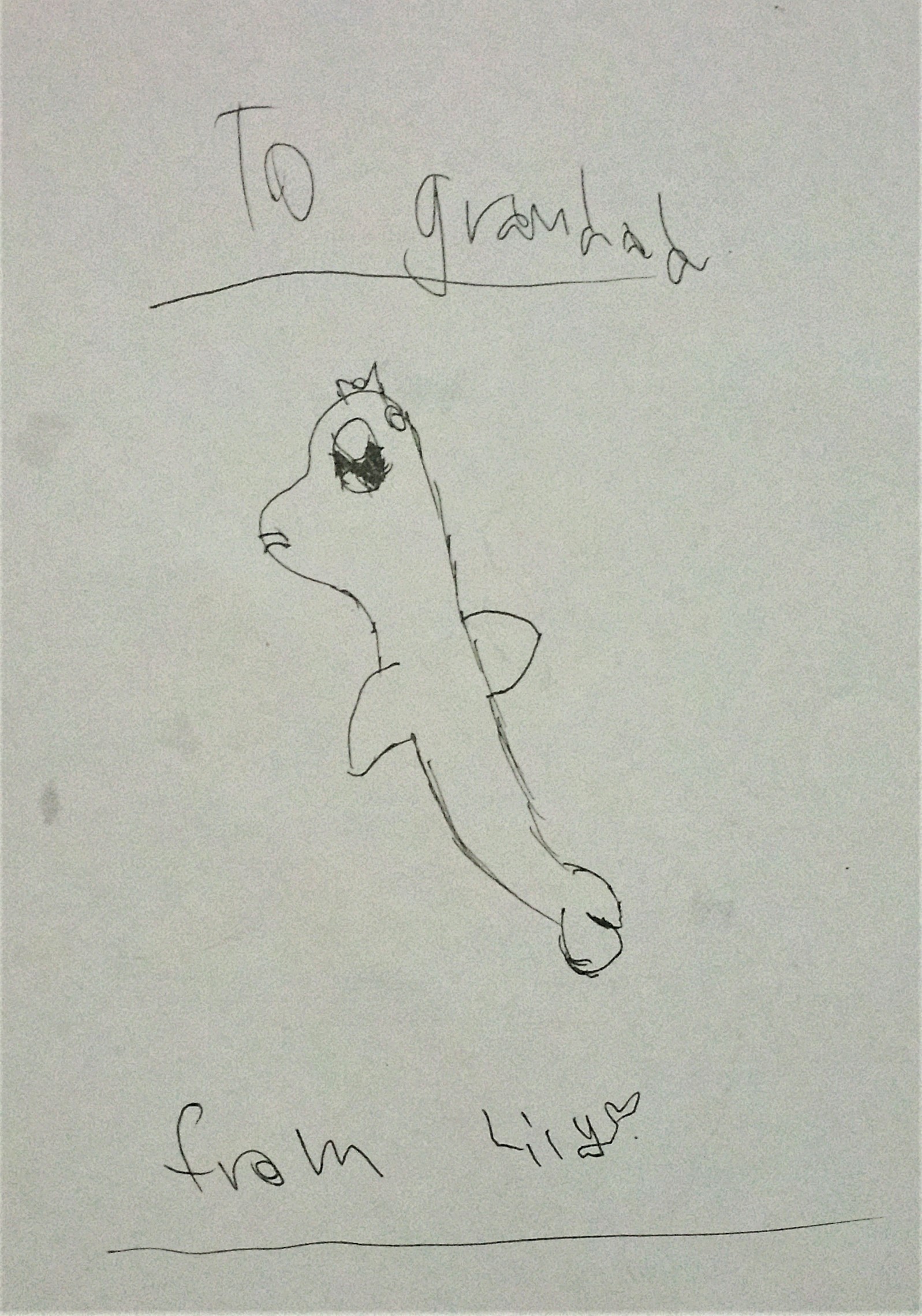
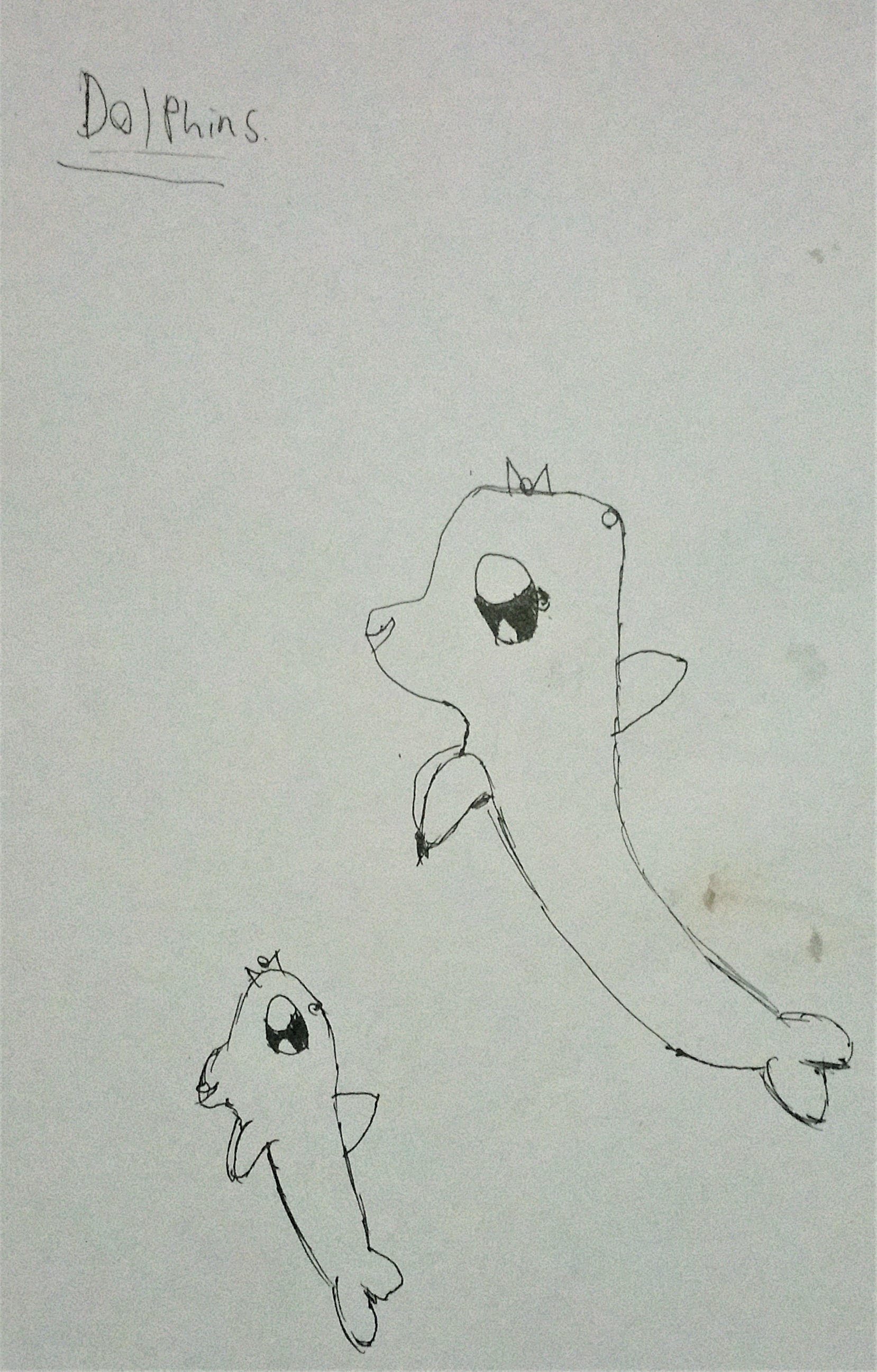
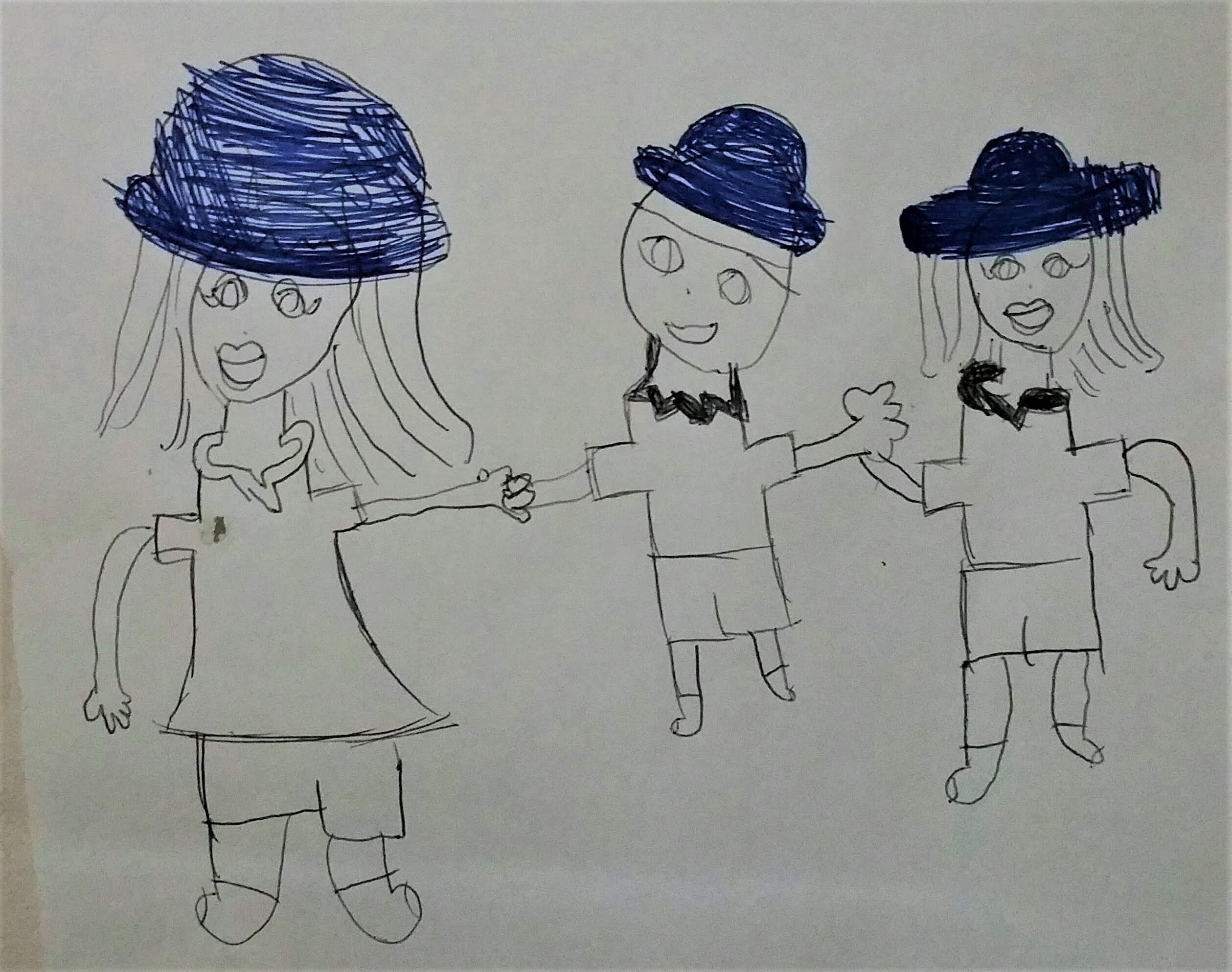
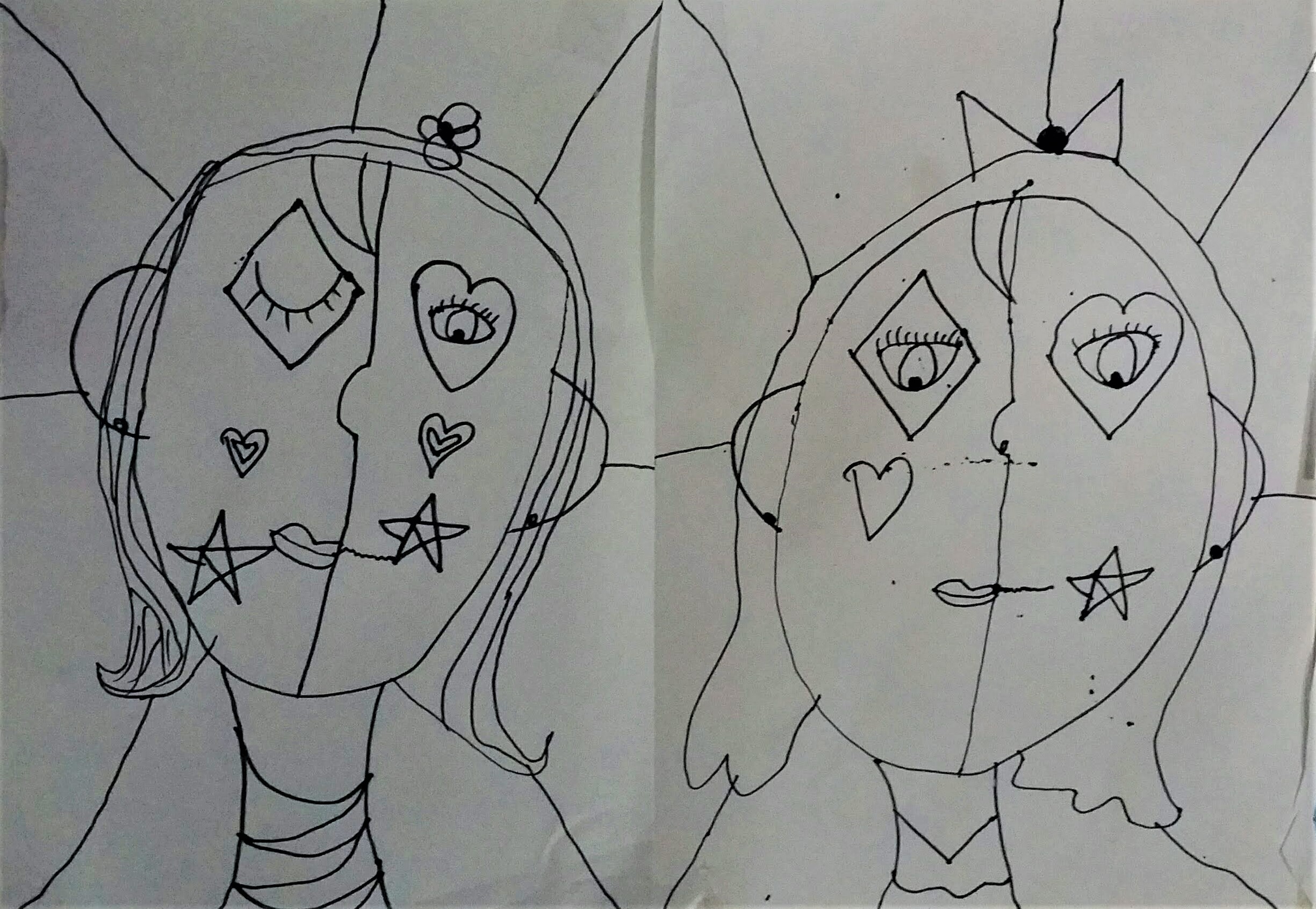
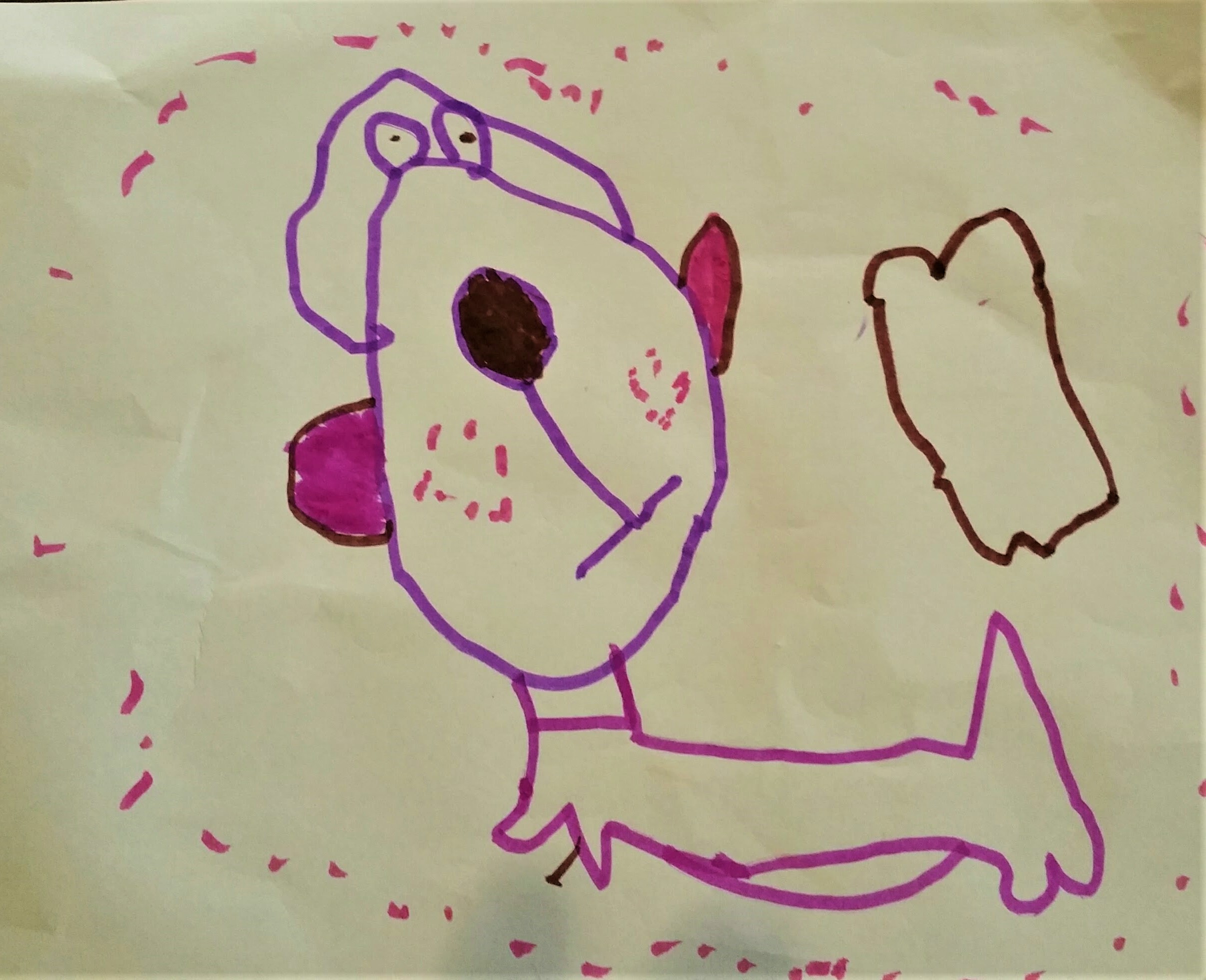
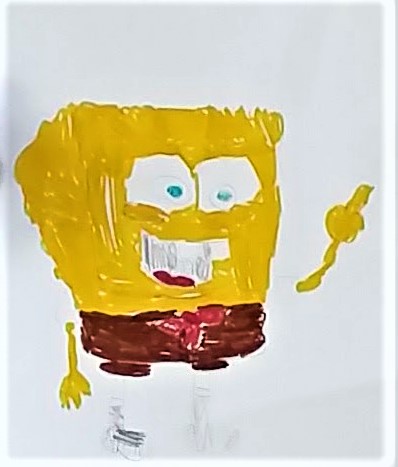
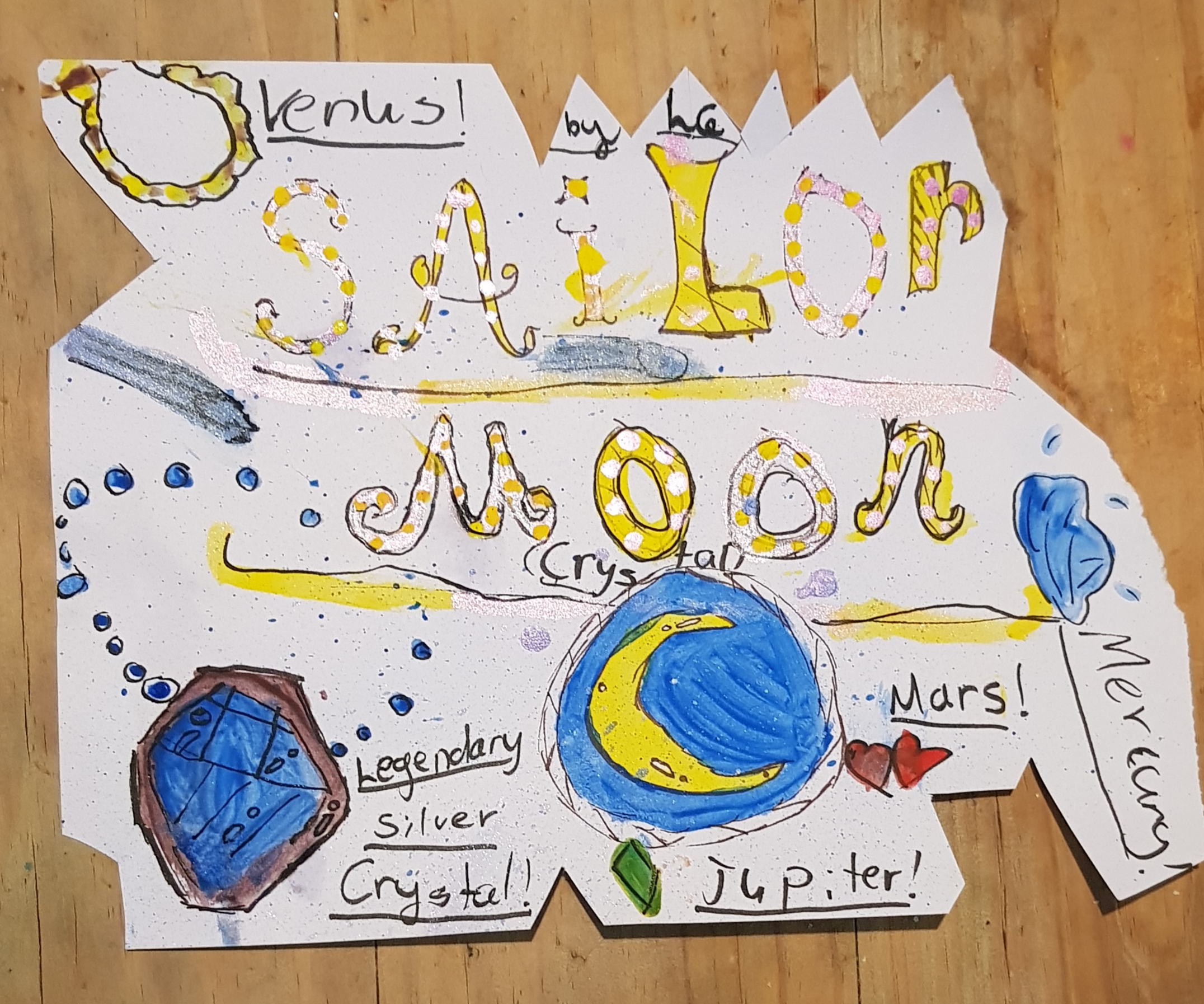
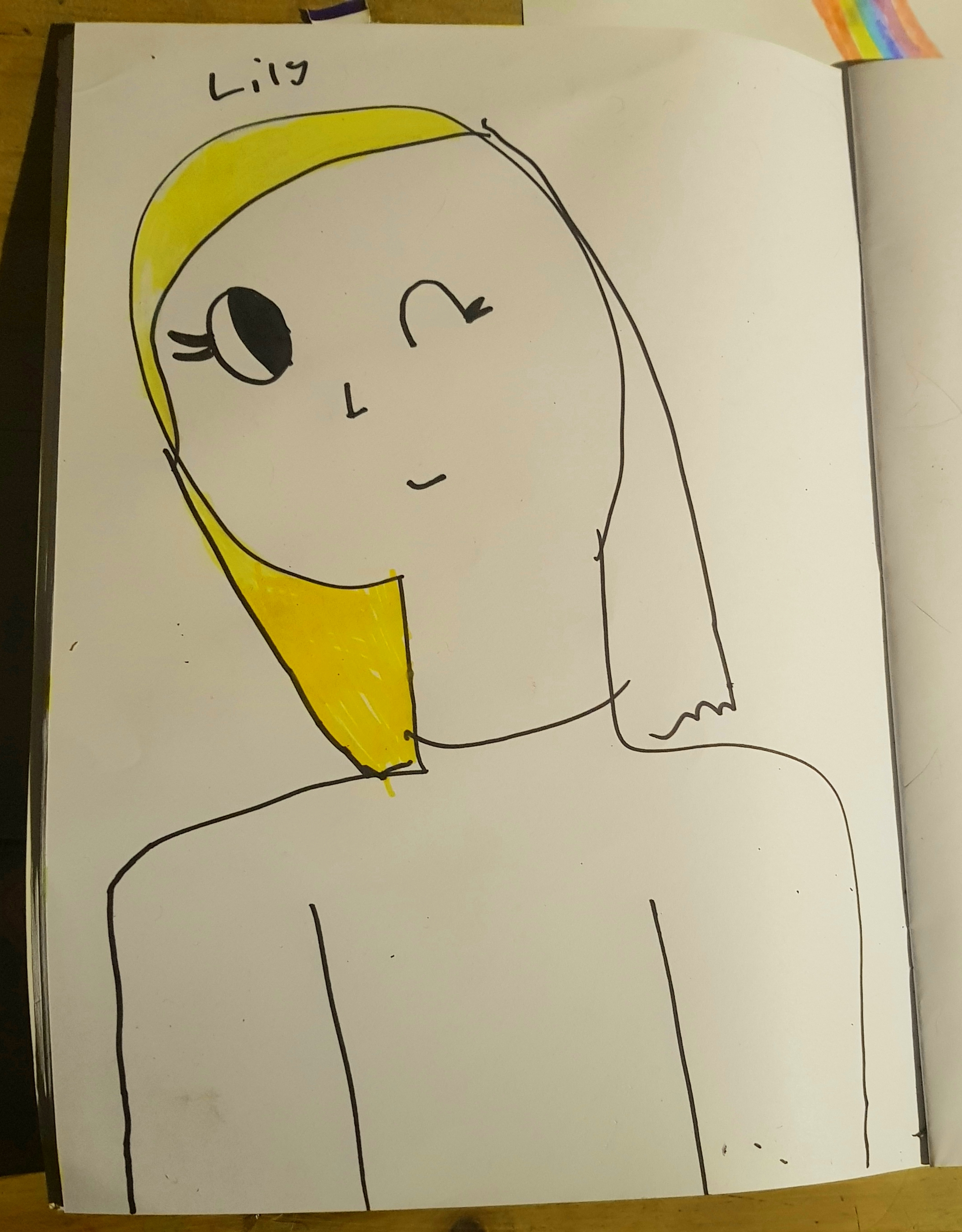
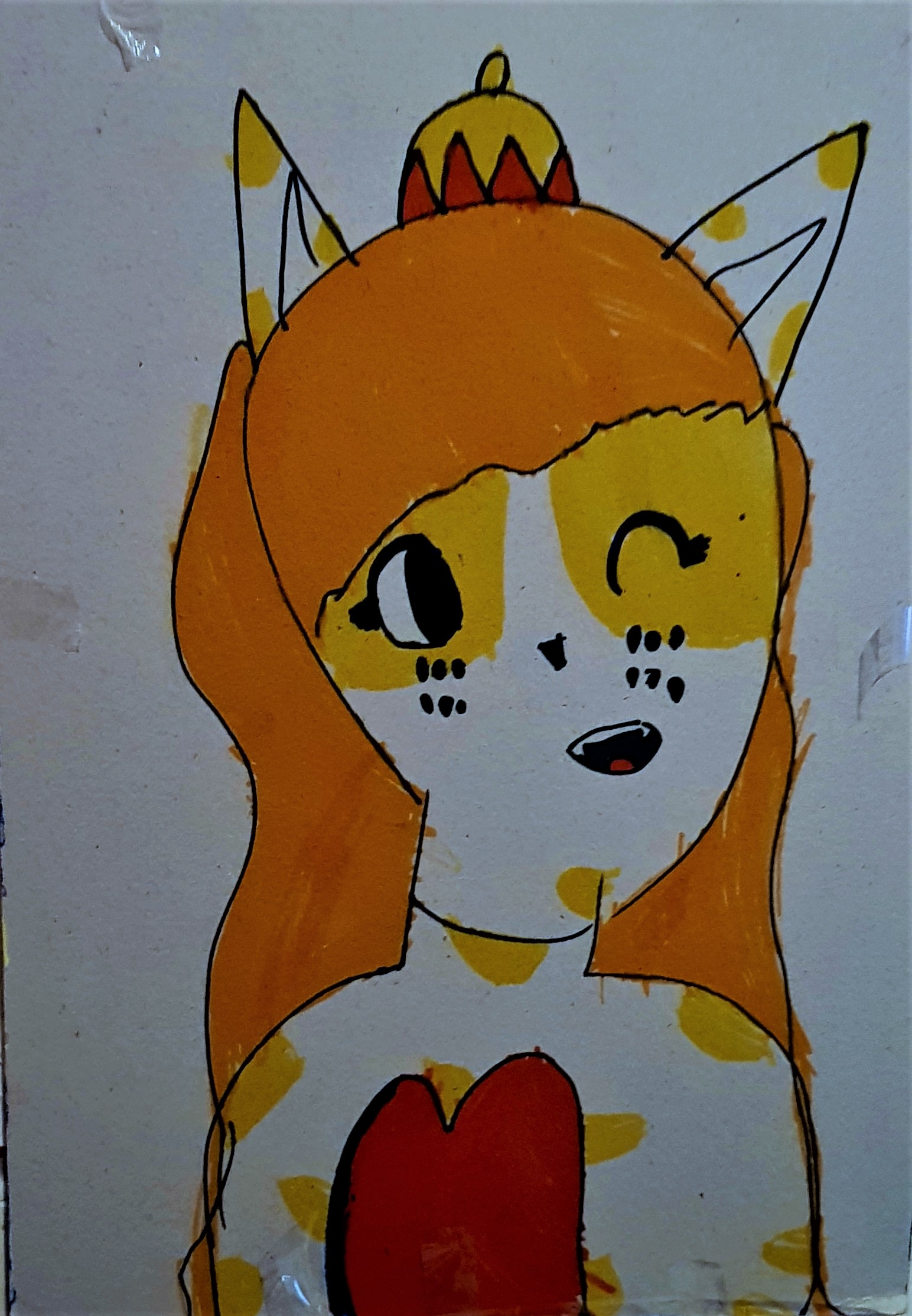
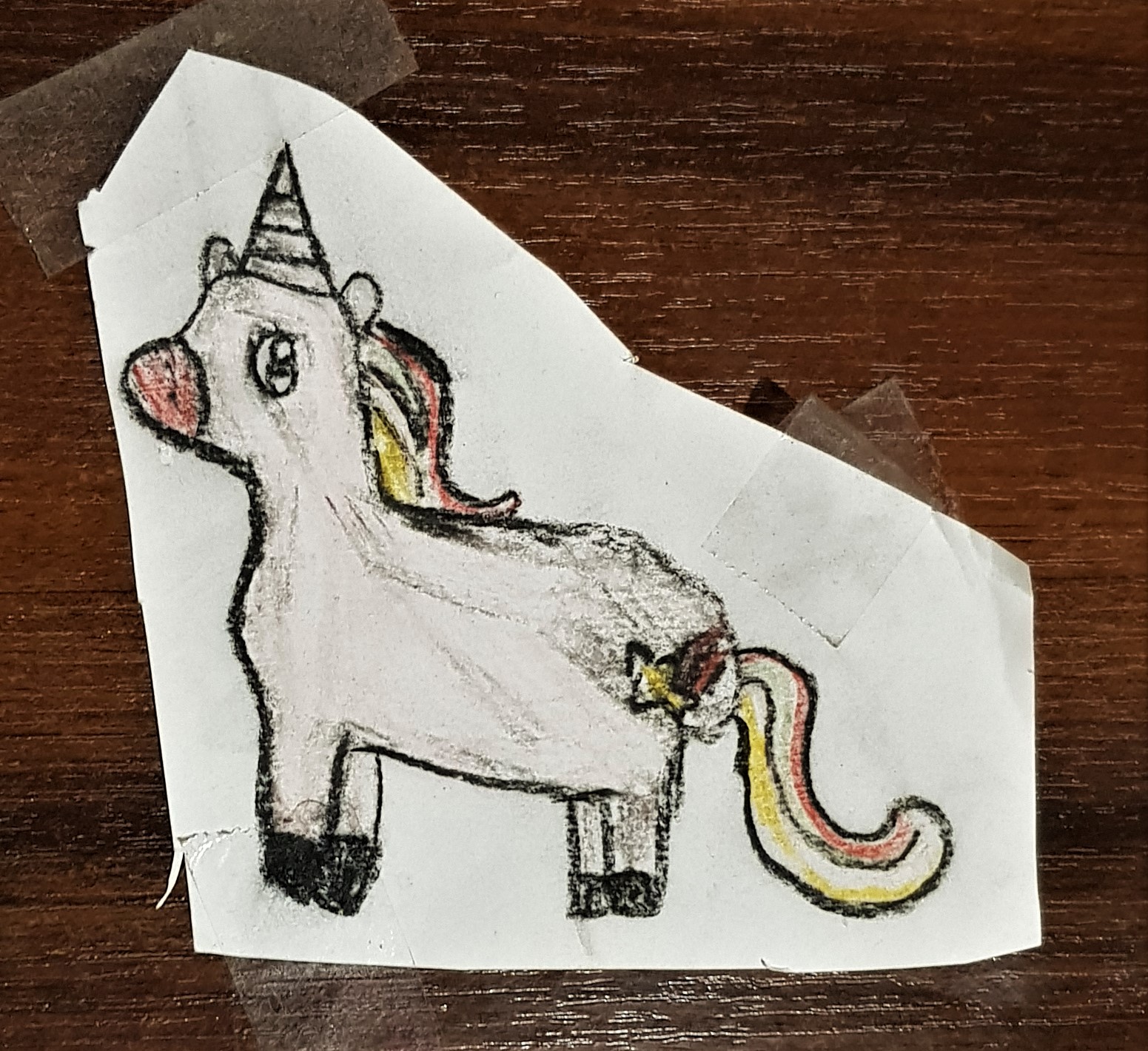
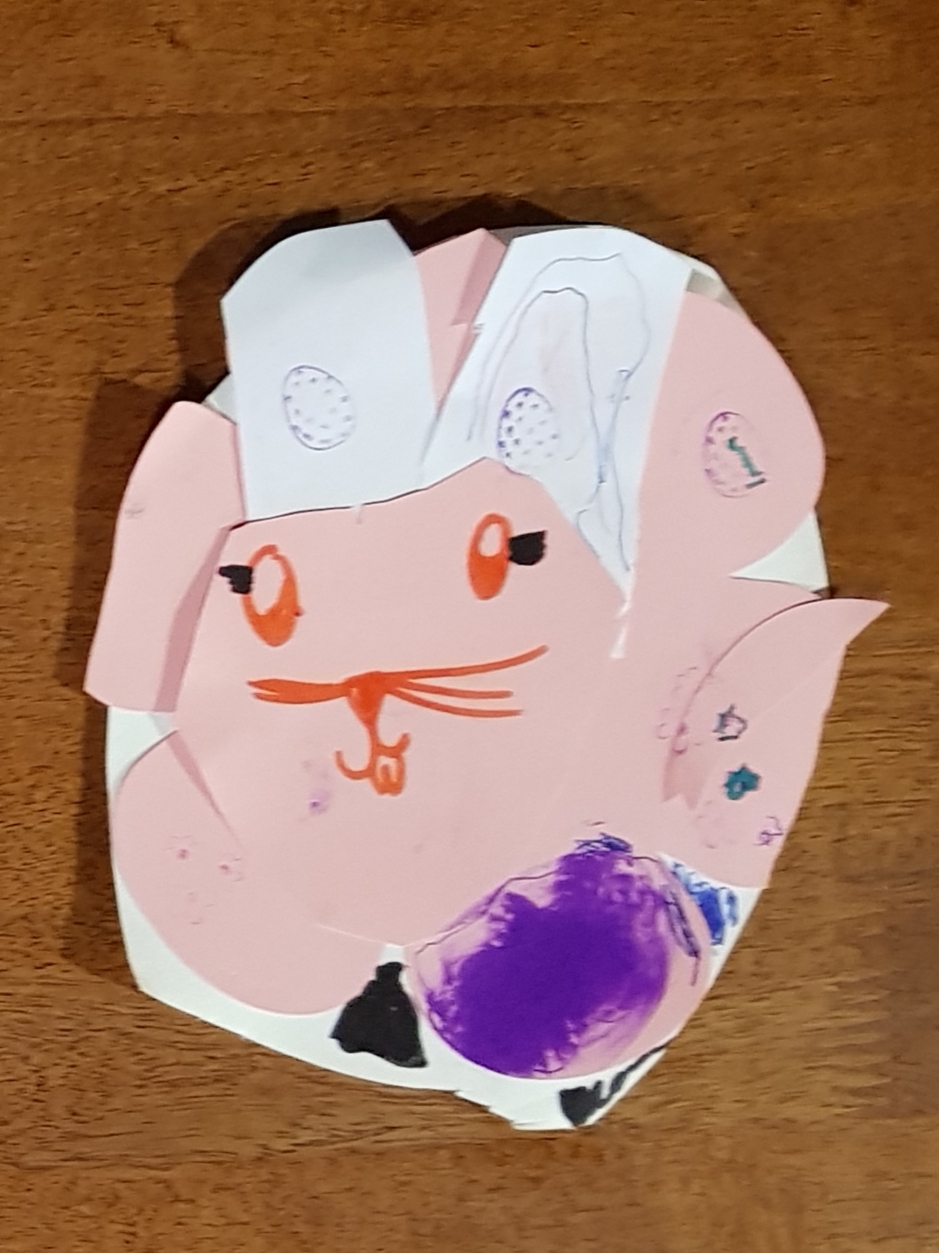
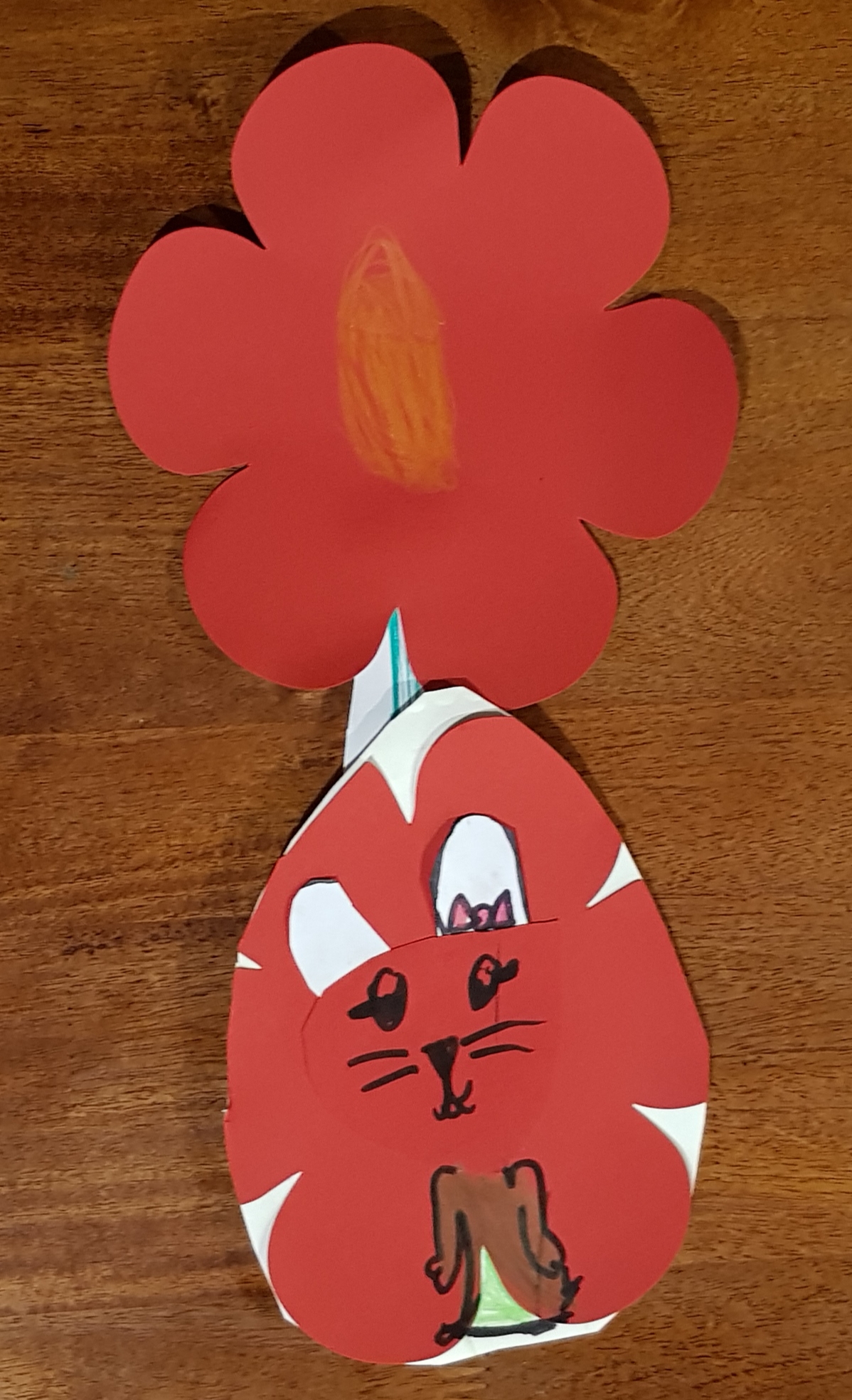
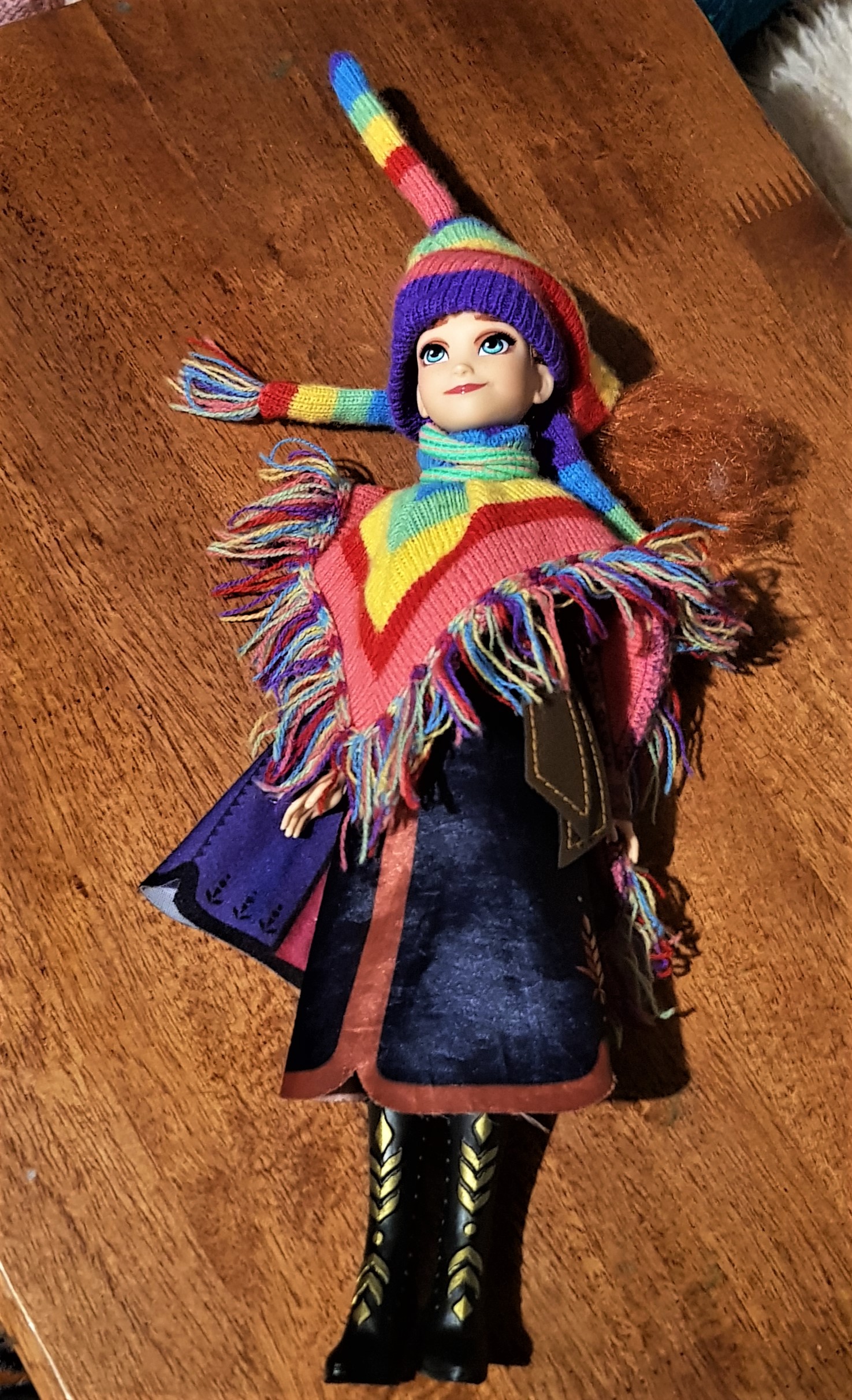
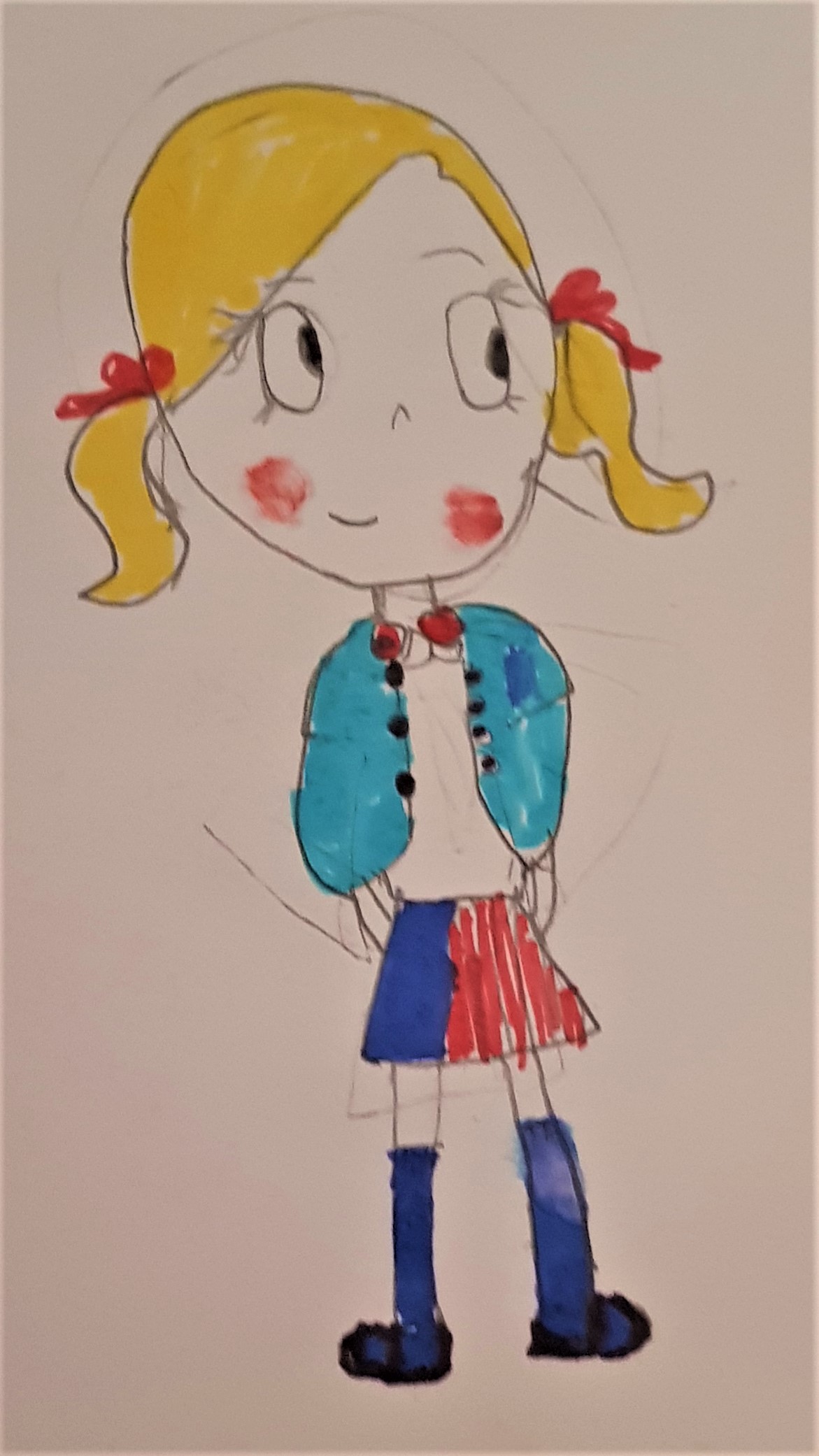
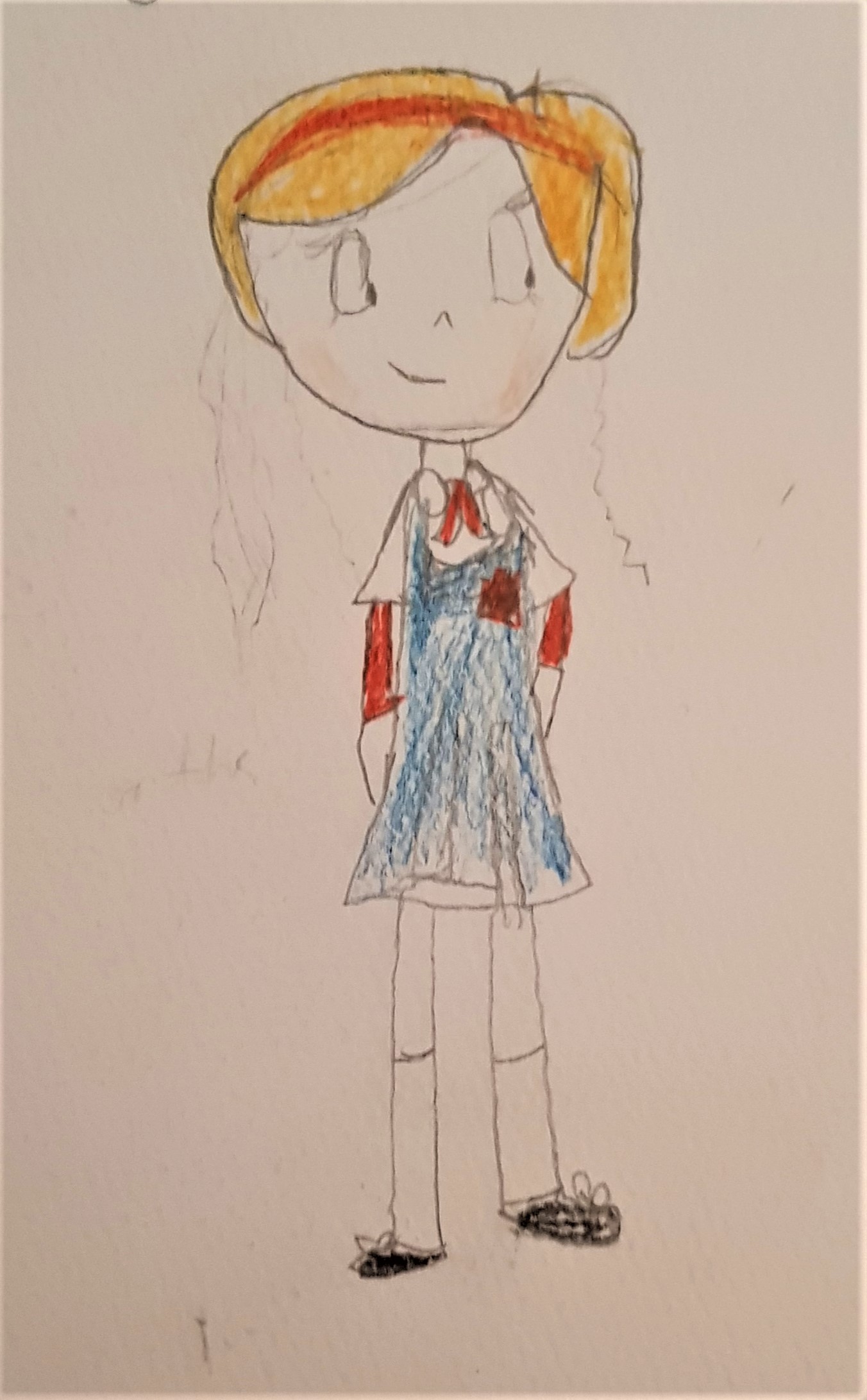
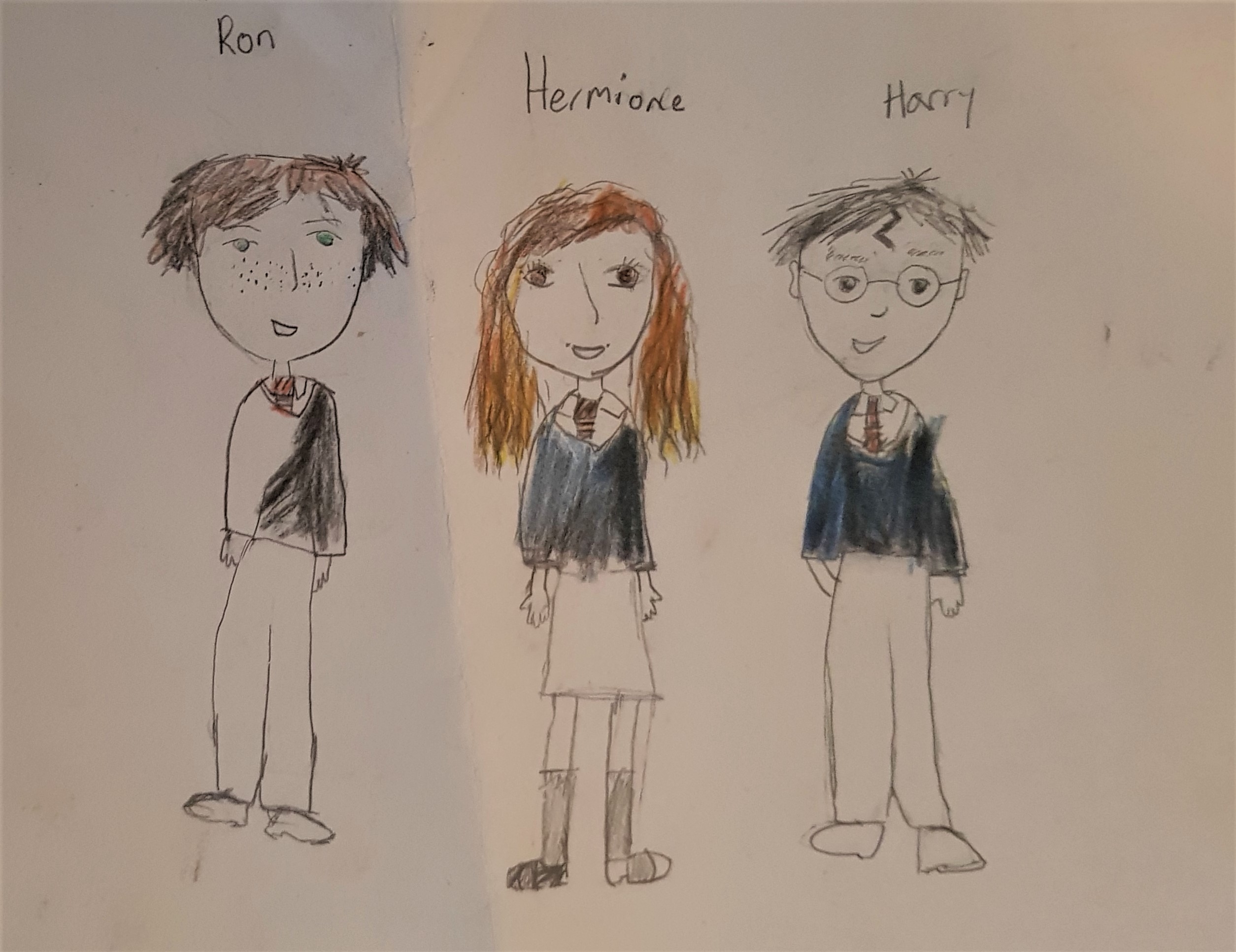
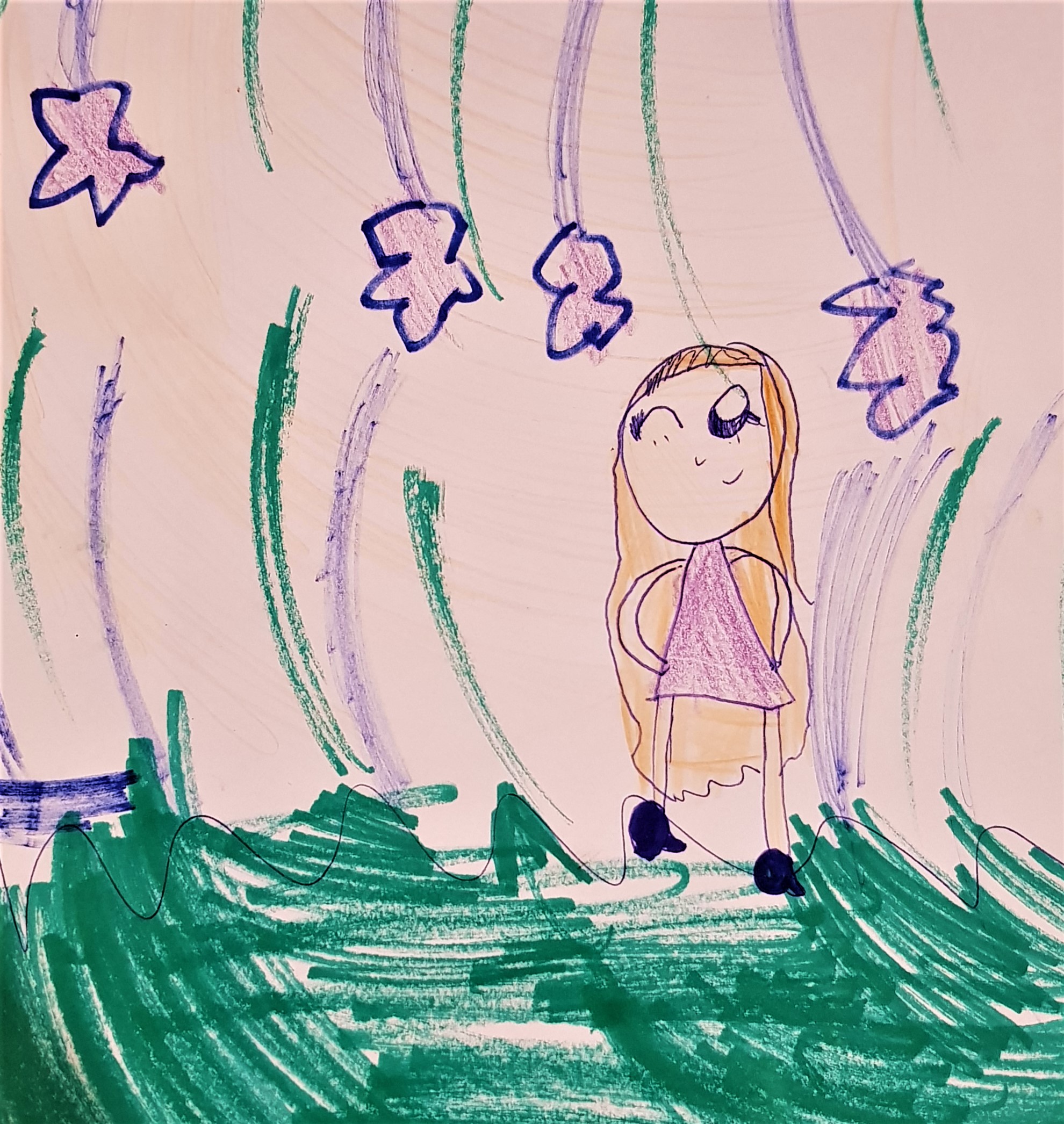
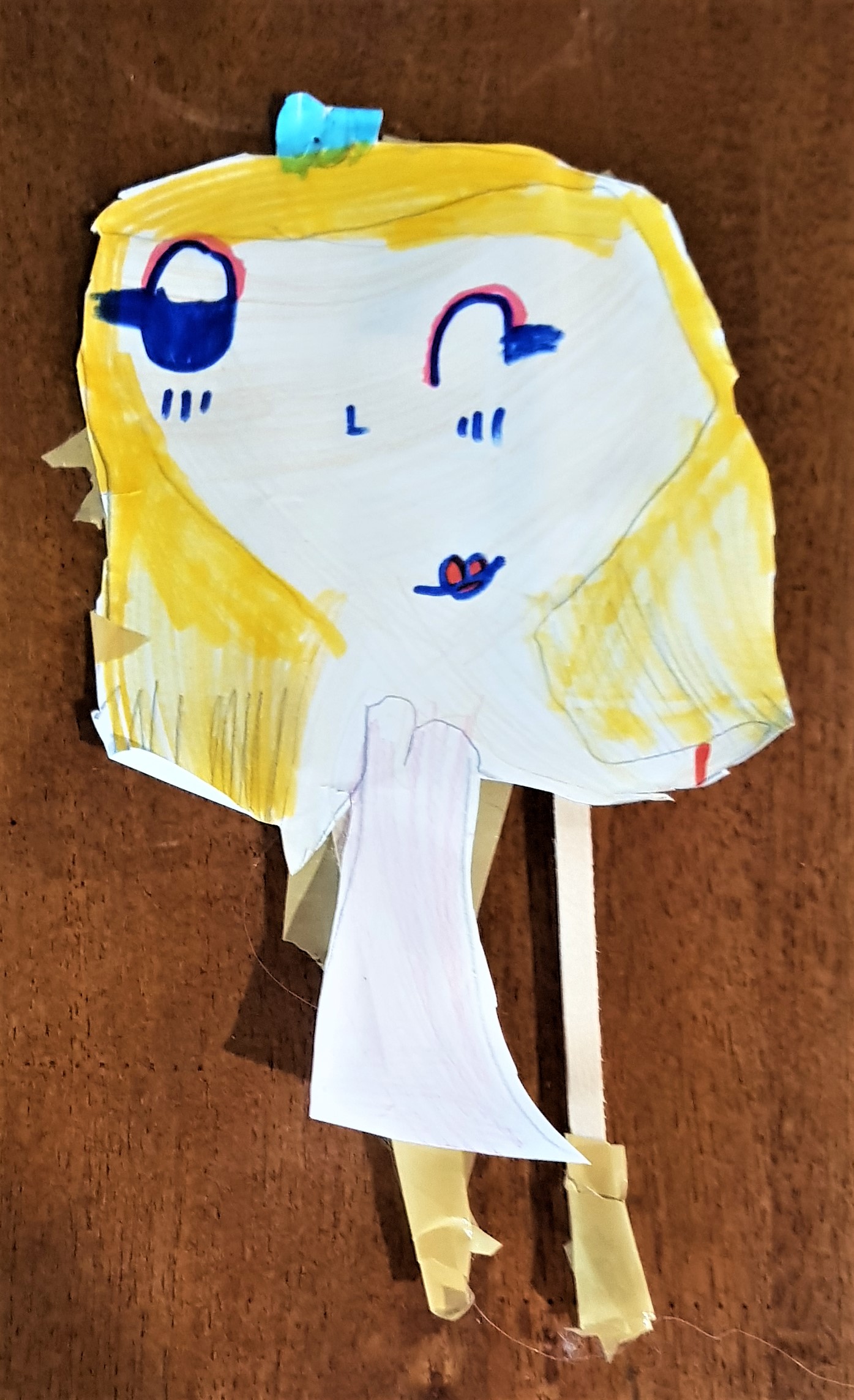
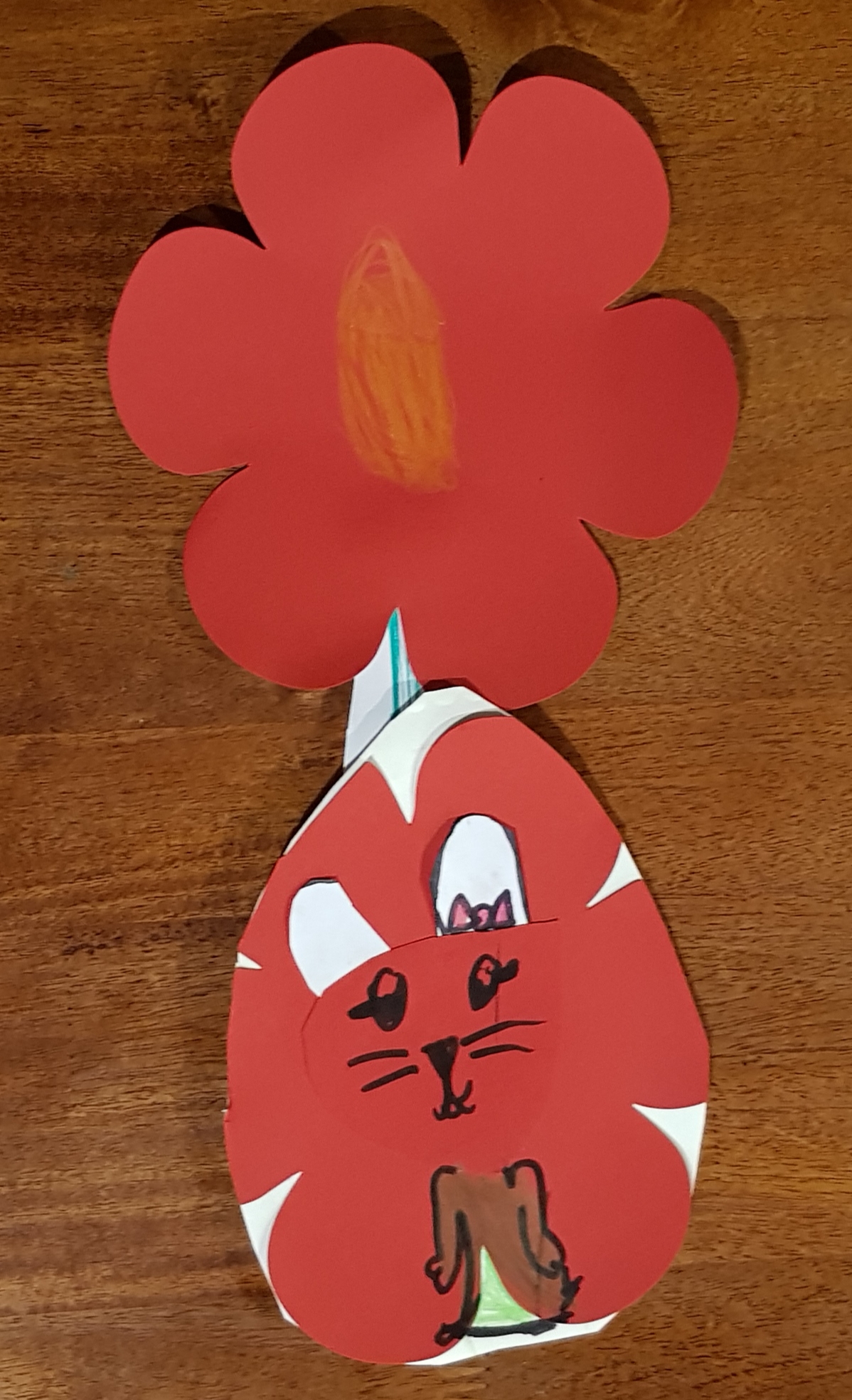
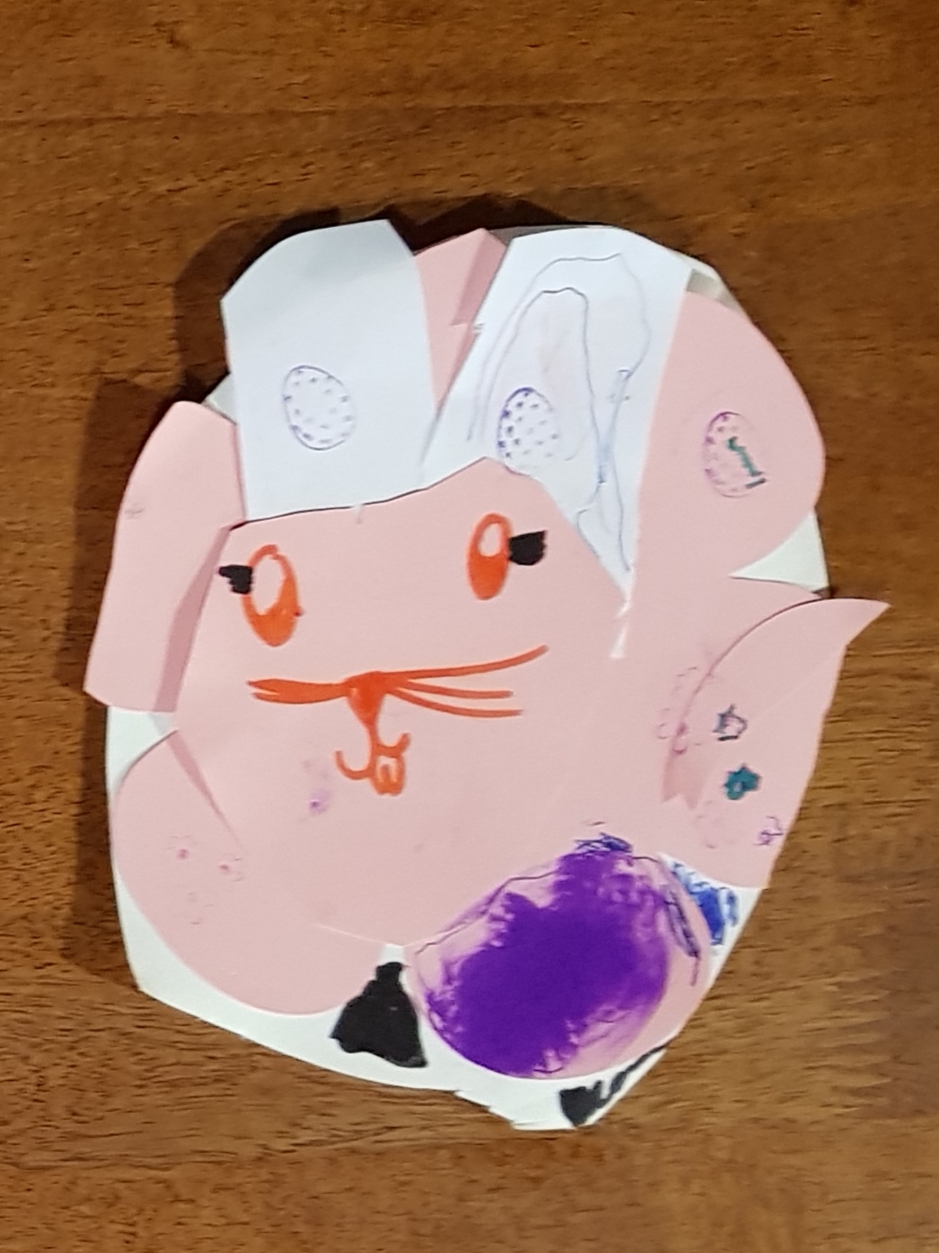
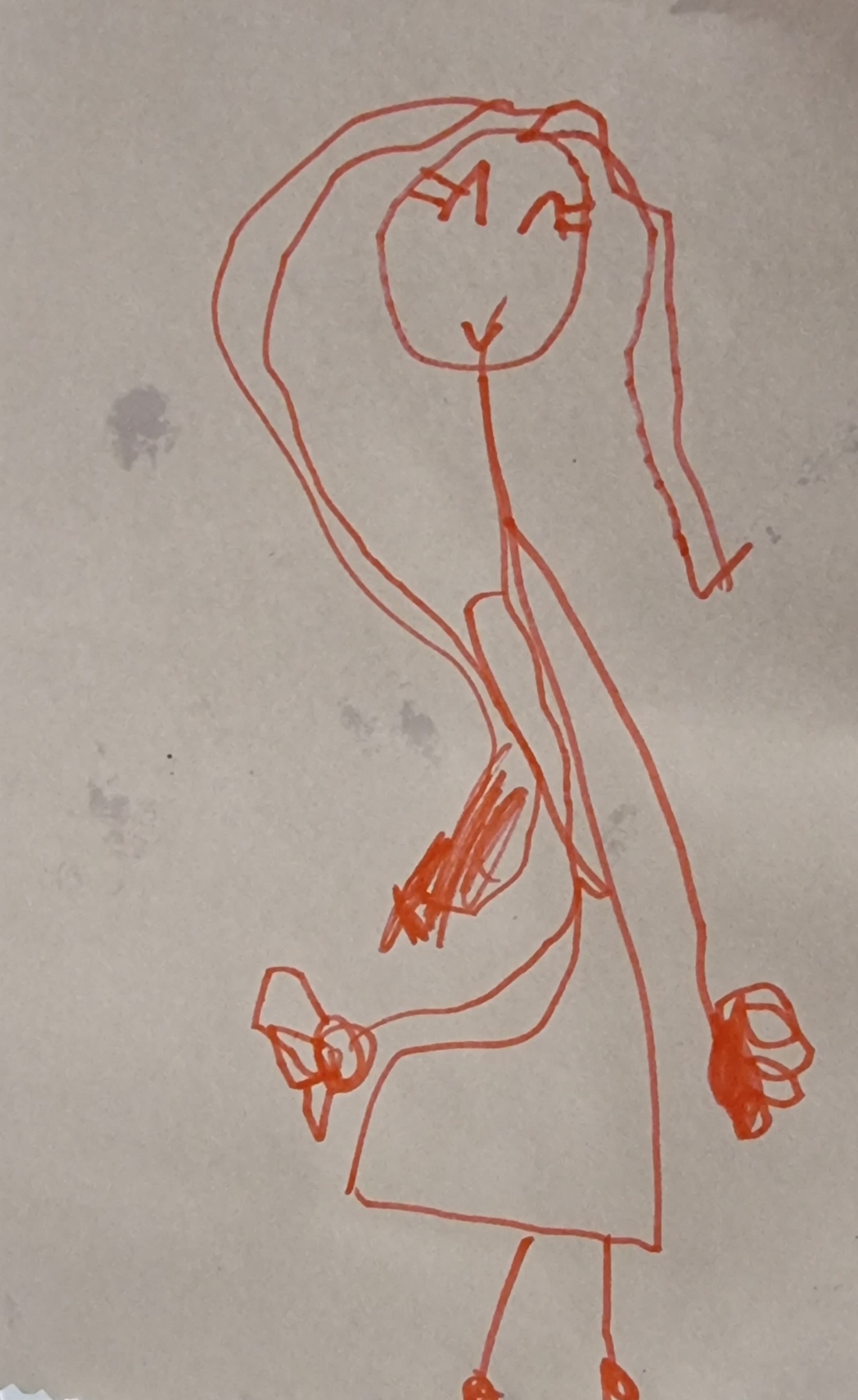
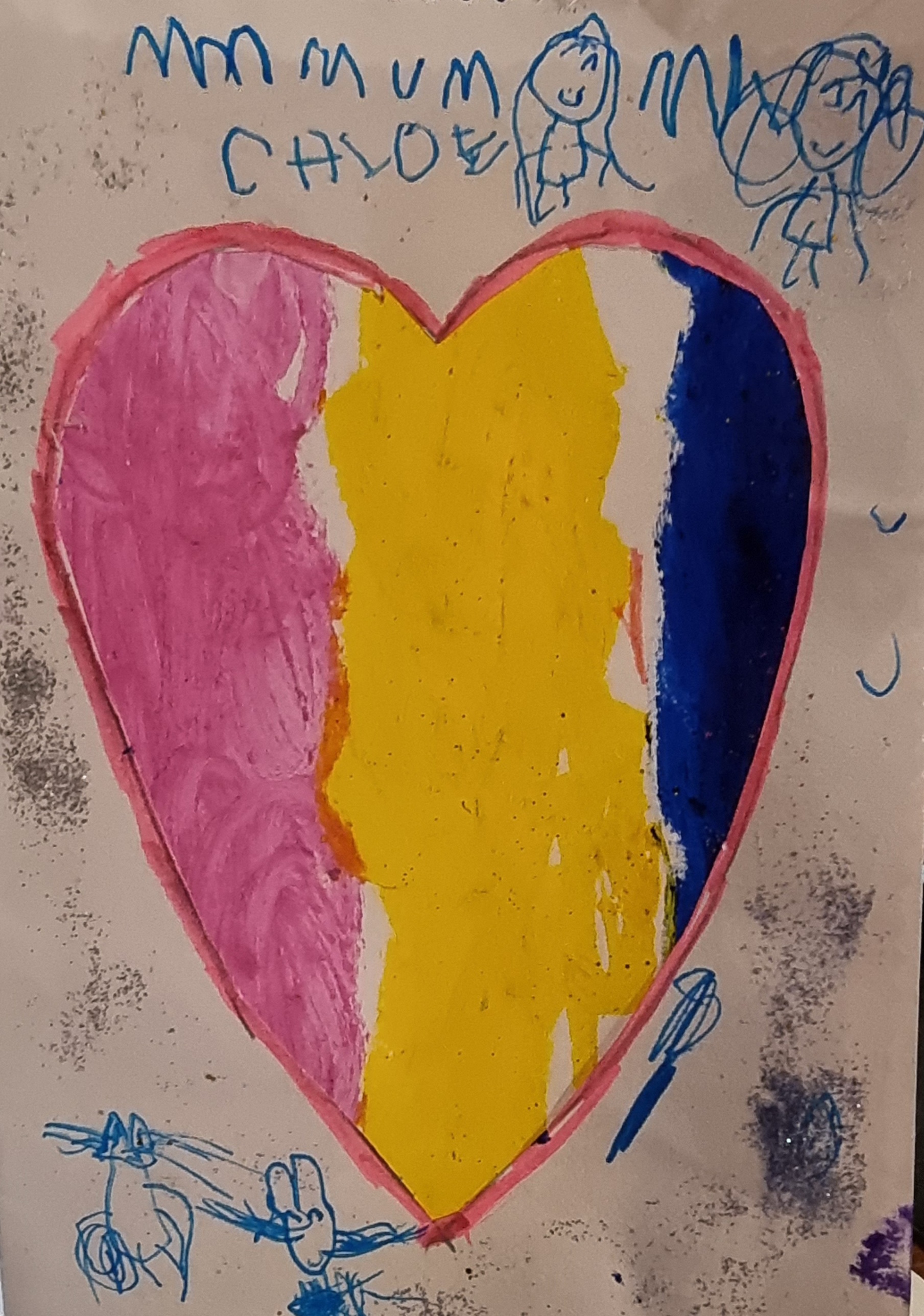
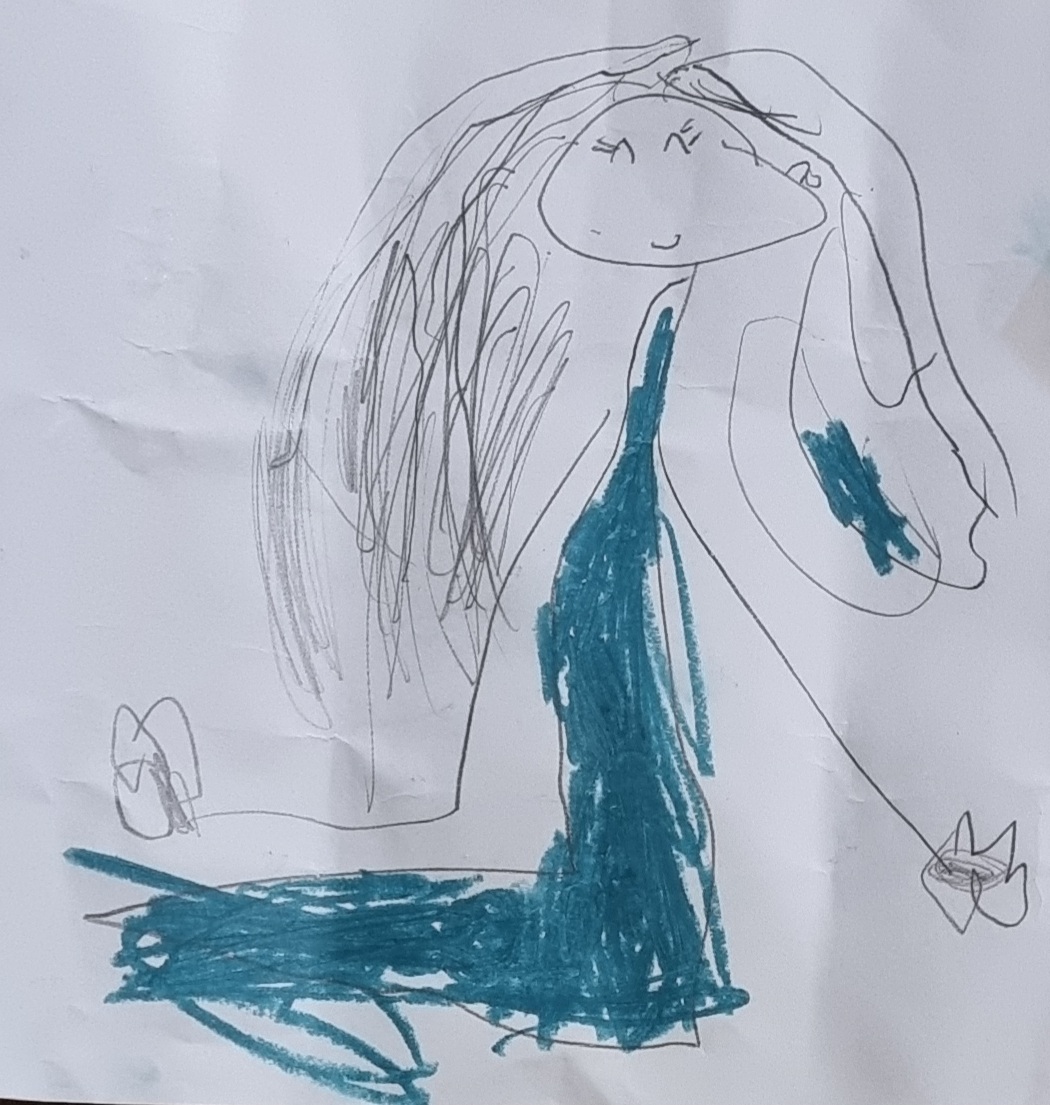
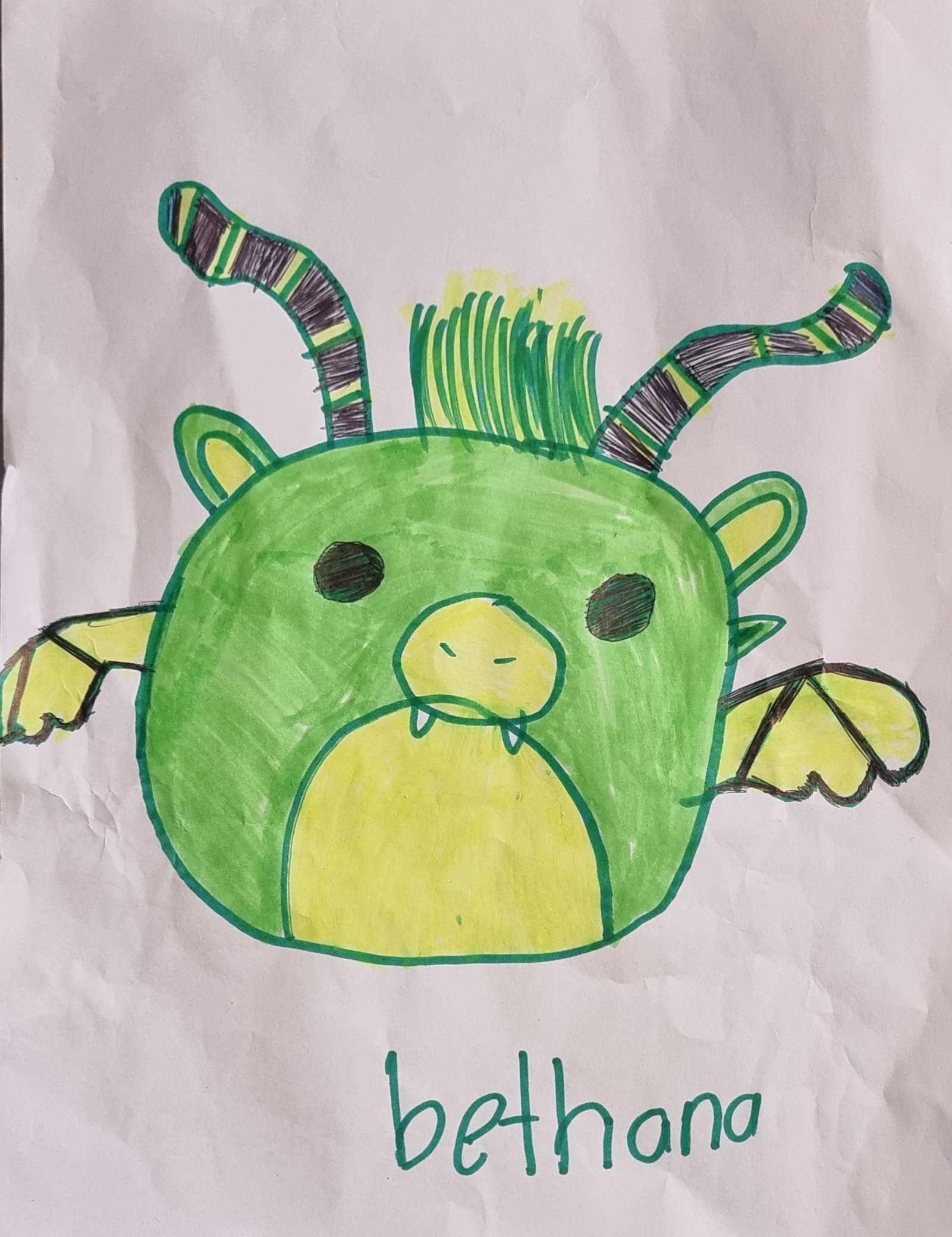
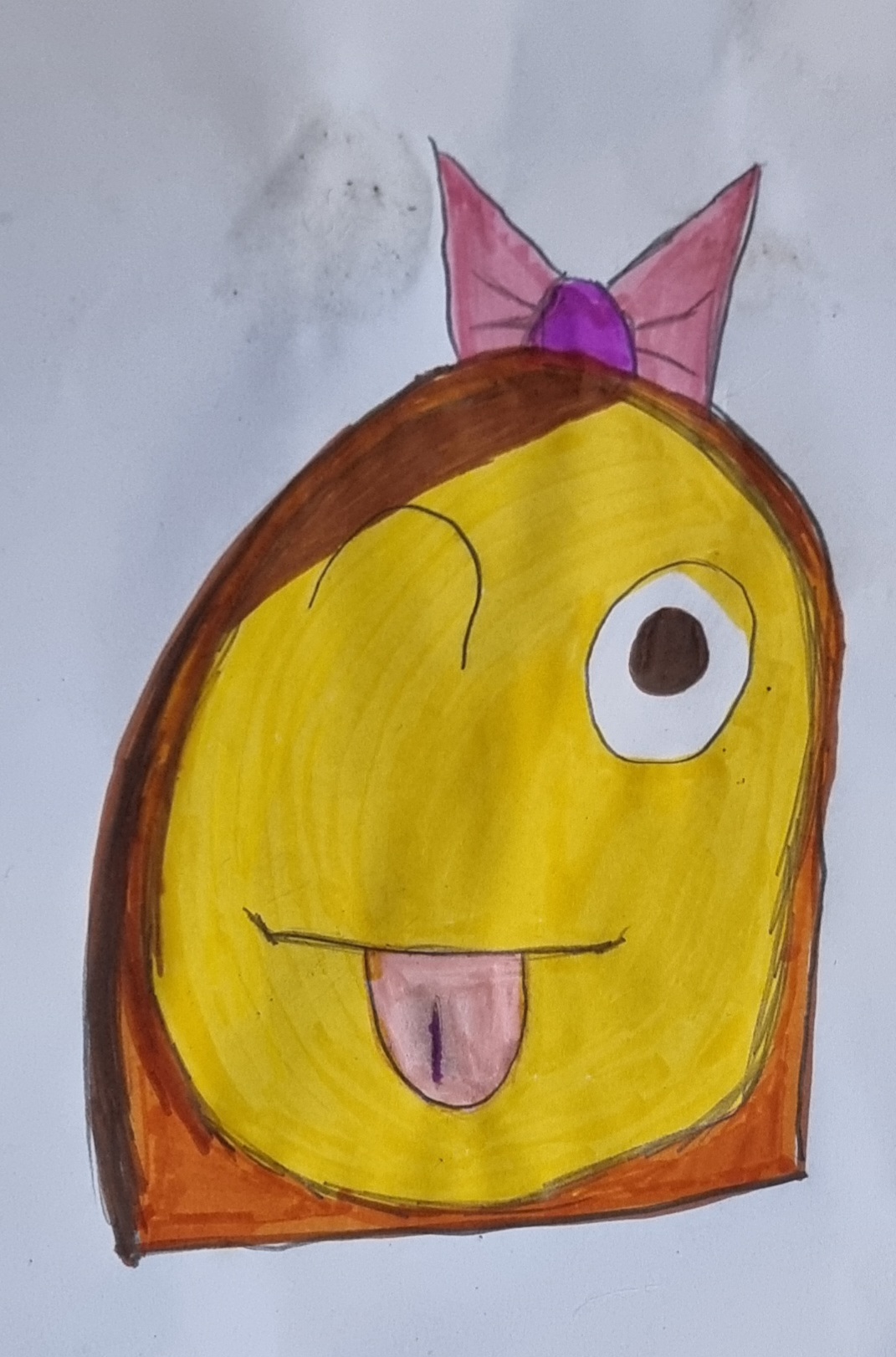
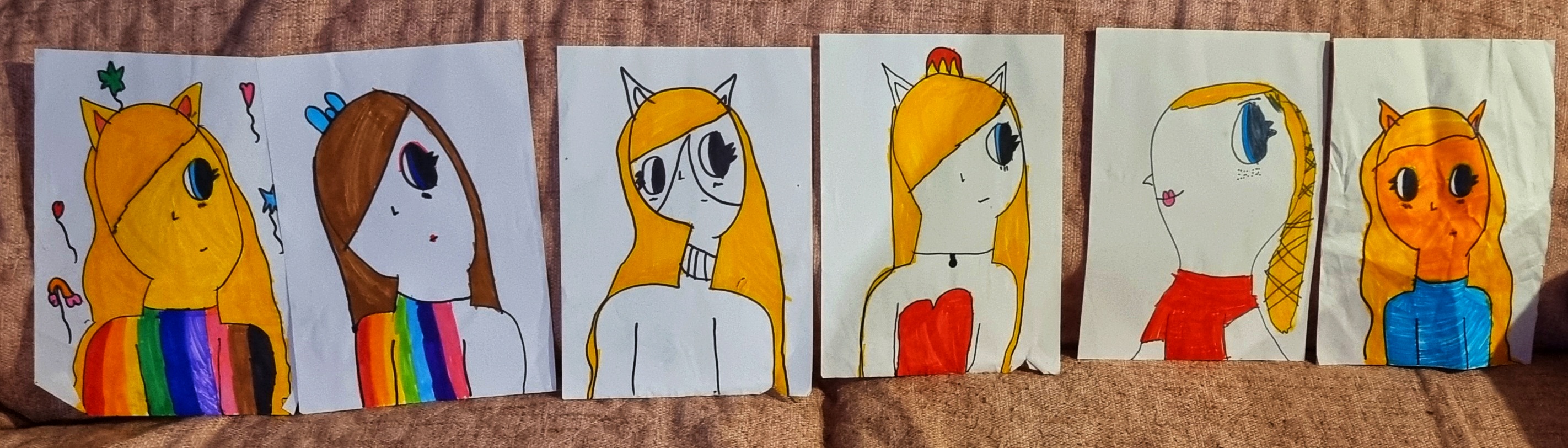
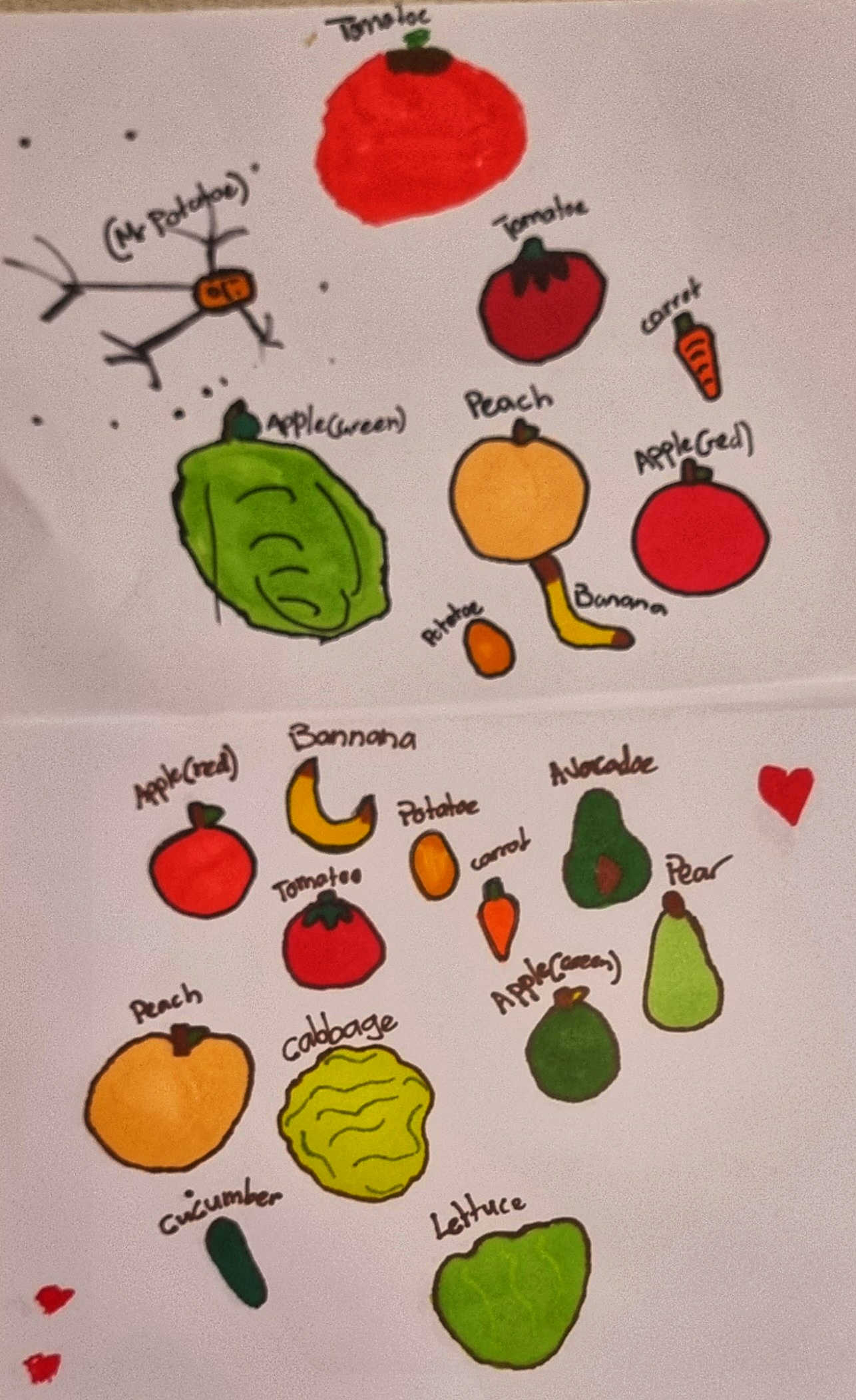
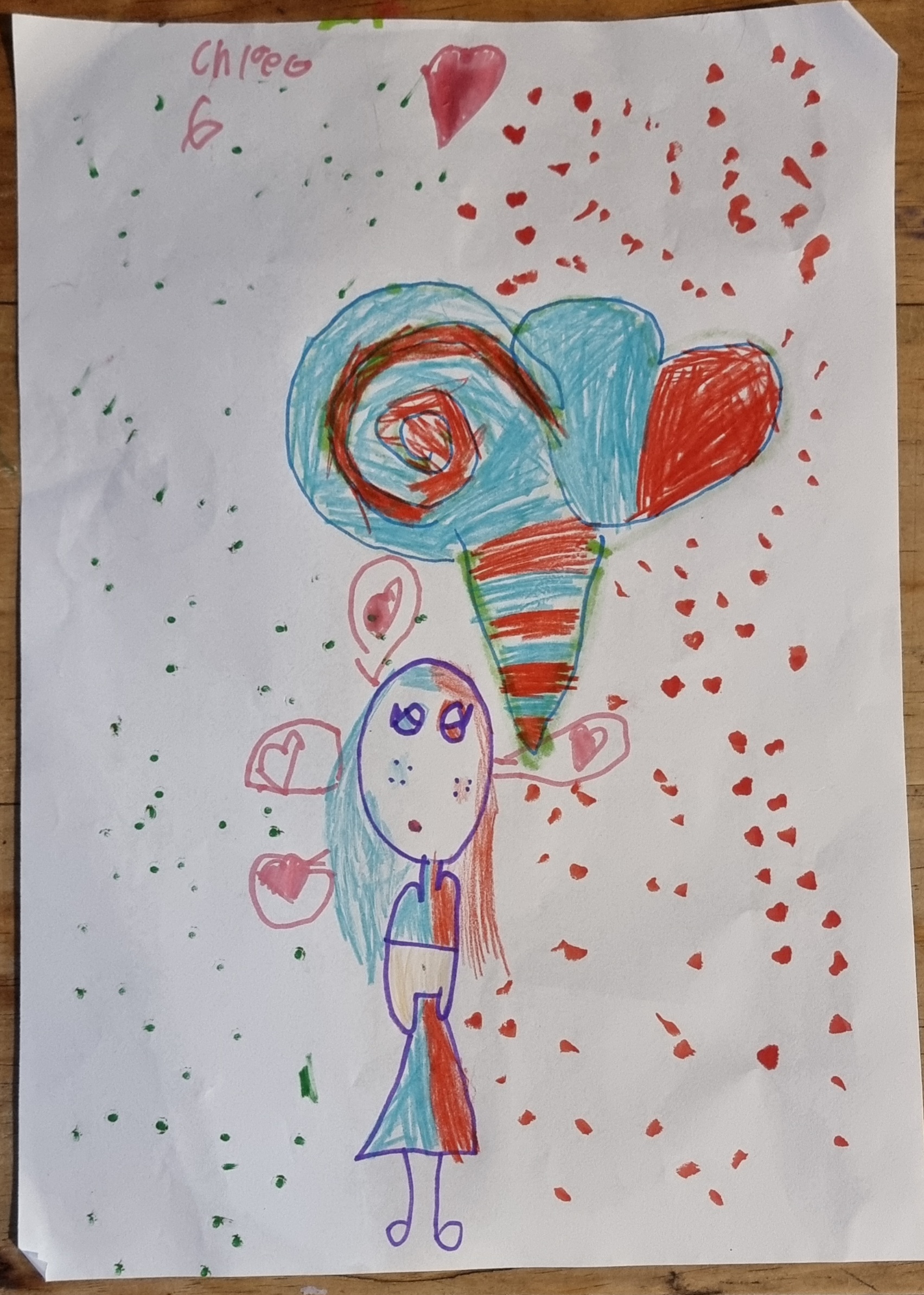
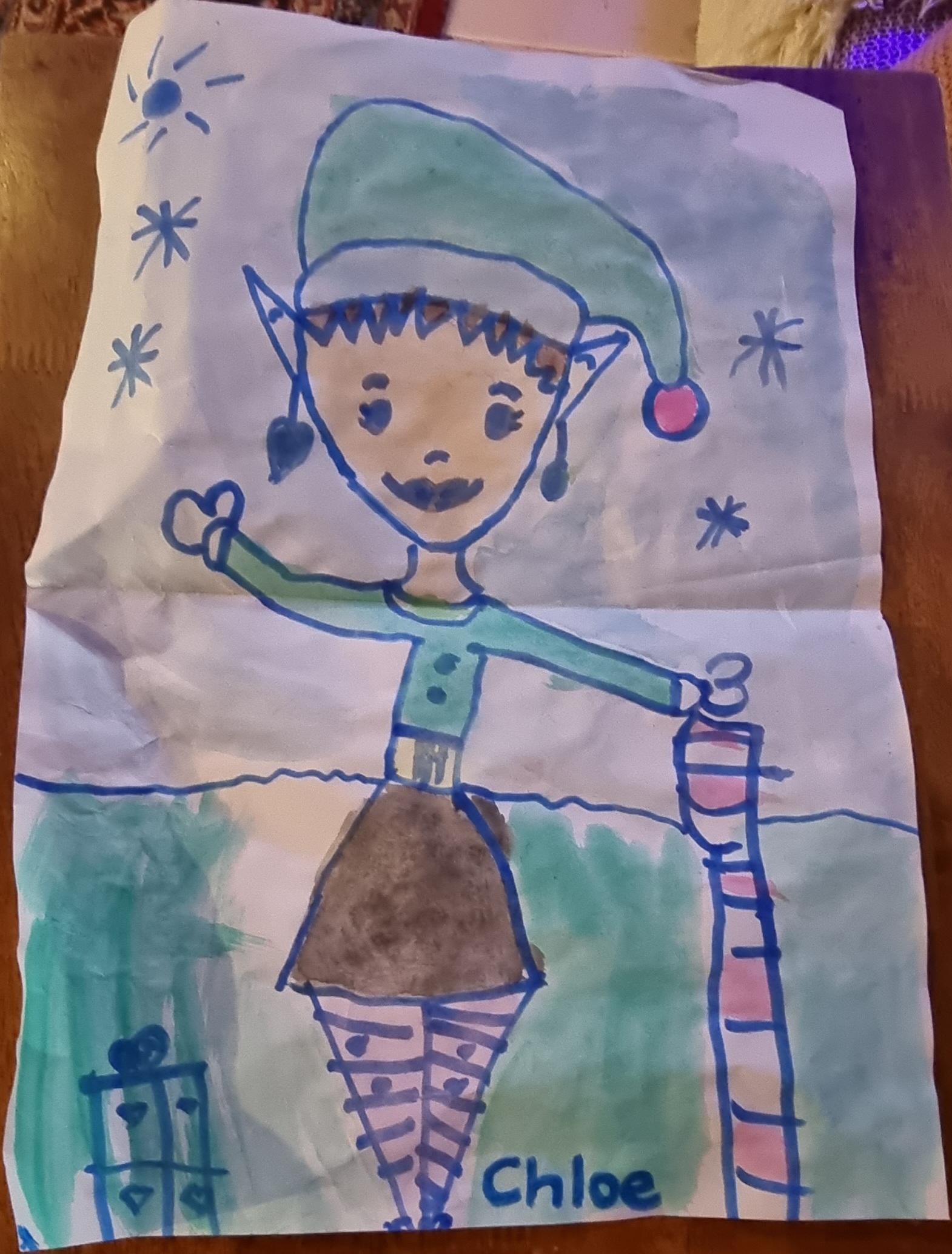
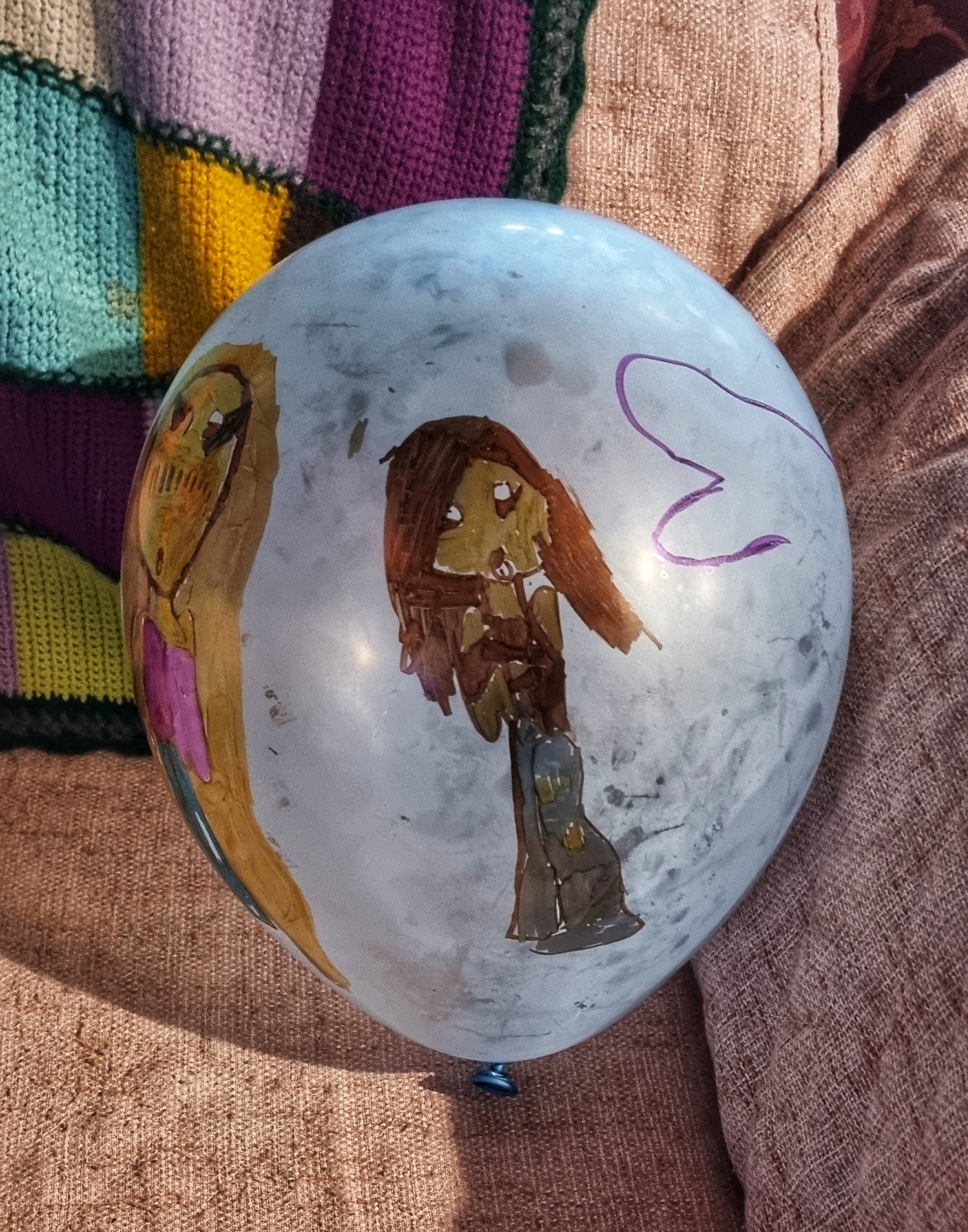
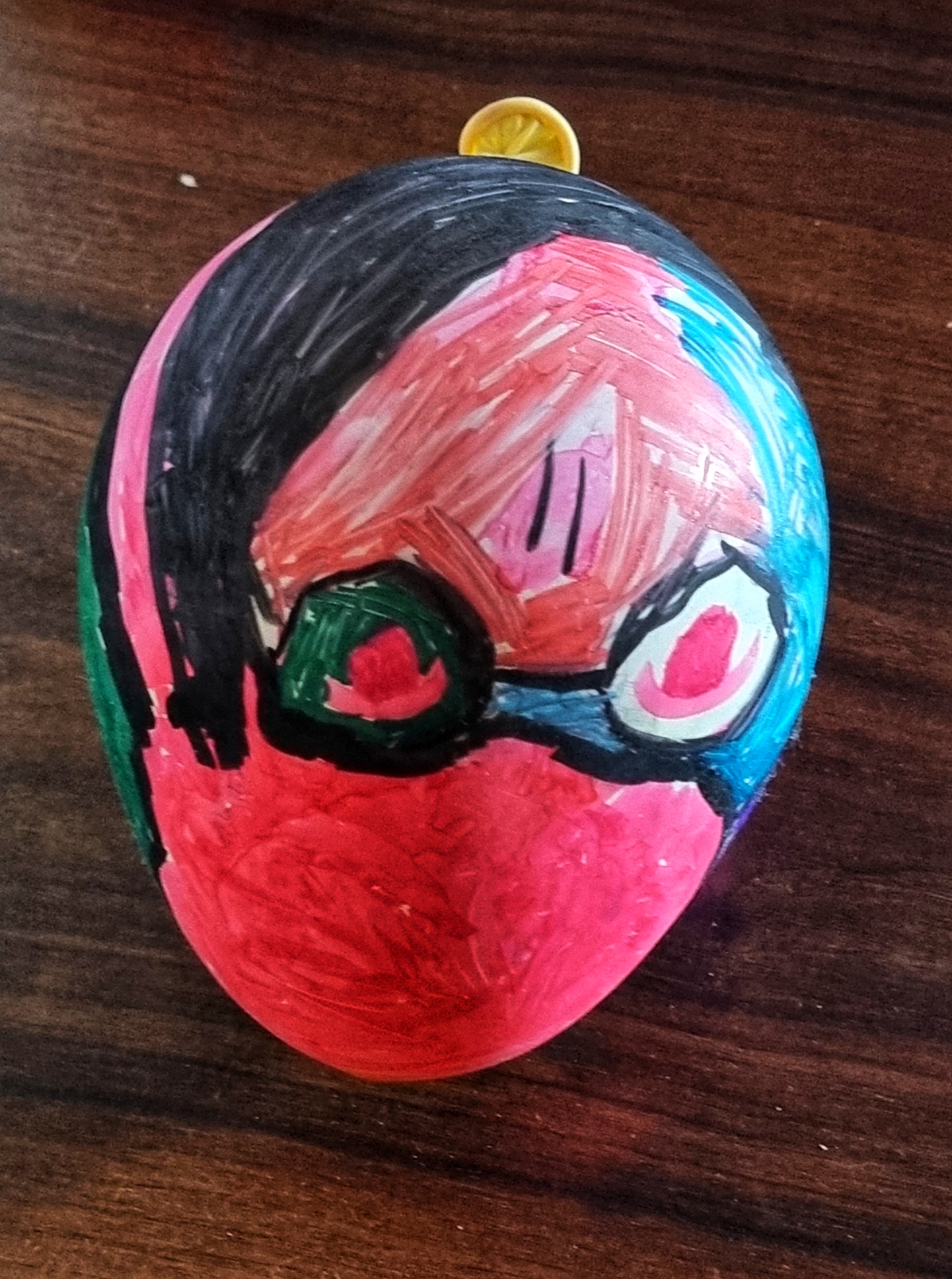
Here are some drawings and art work my grandkids have made over the last few years. There’s some art of my kids too, though not much because the camera phone wasn’t around then. My kids’ art is taken from screenshots of a video I took many years ago.

There’s no age categories here – just stuff the kids made. There’s no particular order. Some have their names written on them, most don’t.


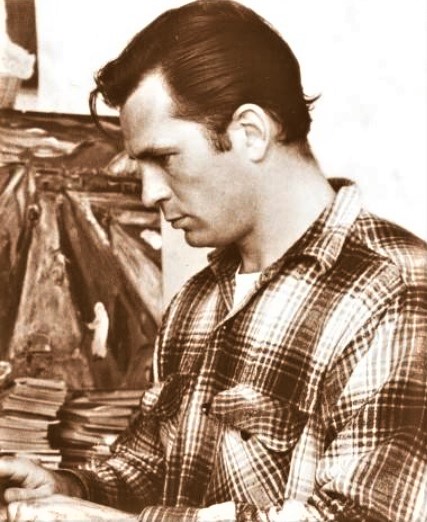
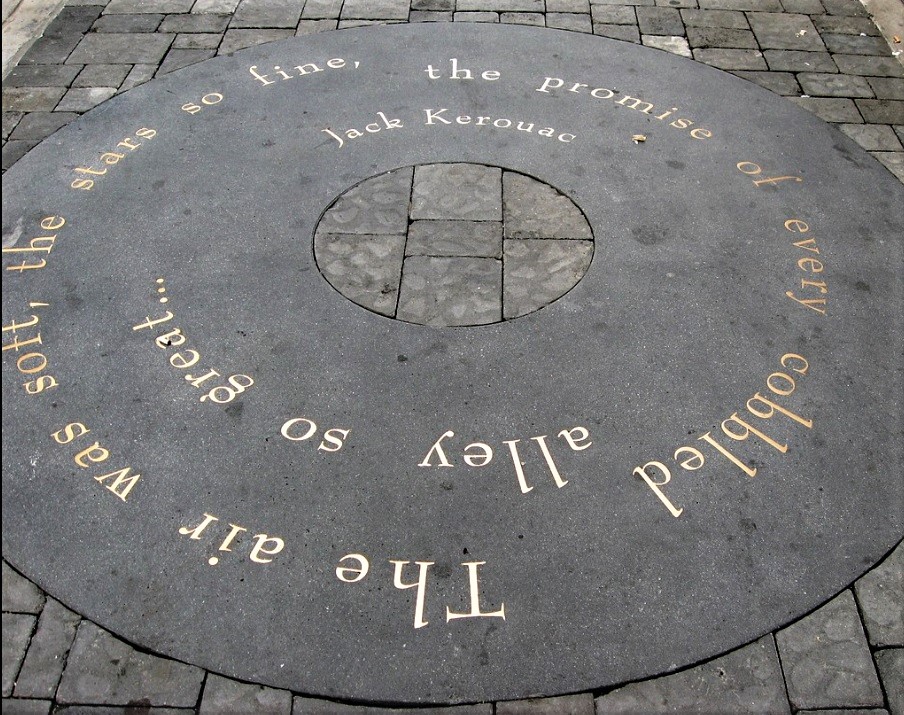
Jack Kerouac

February 15, 2021

Digging into the mind, listening to Pattie Smith “Dancing Barefoot”,…she is sublimation…she is concentrating on he…here I go again, and I don’t know why …..”

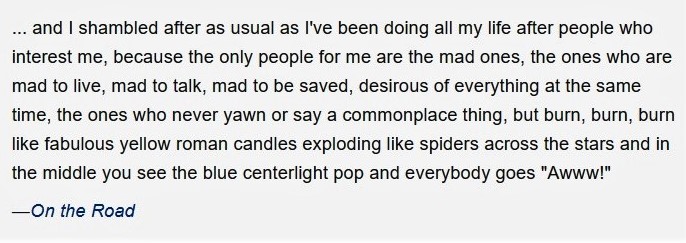
Been reading Kerouac. I thought the guy was a lot cooler when I was a kid. Now, reading him as an older man, I realise he was a sad man. He was brilliant in speaking the heart flow sonic strange music prose. Yes, some of the places he takes me in the mind, literally blows the mind…and it’s all in the way he writes, his style…his own dreaming eye, elastic light form and satori grains. Yes, moments embedded on his road with subterranean angel thoughts and for just these moments, I love Jack Kerouac. Everything else is forgiven.

What is there to forgive? Who am I to forgive? Does it really matter?

His tramping way….he was a tramp, a bum, all be it a Dharma Bum. He couldn’t commit to a relationship except for the one with his mother and in many ways coopted his friends and events to his art and pursuit of fame.

I feel strange writing these words because I love the guy even though all of the above is true. I love his innocent take on the world, even when he’s down and beat, really beat, he comes up with some beatitude sun grains in his prose.

Jack Kerouac died of cirrhosis at 47 – so young.

https://en.wikipedia.org/wiki/Jack_Kerouac


Think Global, Act Local

February 12, 2021

People have asked whether there is an “archive” of the various human rights actions which I’ve been involved in over the years. I have recorded some of these on this blog but I think one page which takes you to these stories may be useful.

I am aware that there are many people who have done some incredible work supporting social justice and human rights but no one knows about these. Many people across the world do think globally and act locally but we don’t hear about it. One reason is that mainstream media quite often does not tell or record these actions and we find these local actions don’t even make a footnote in a local history book, let alone in a “big” history book.

So, I’ve written about some of our local actions just so people do know about them.

21st Century – what a time to be an activist! I can’t help but reimagining some of the stuff we did before Social Media, before Go Fund Me and drone photography. Maybe, the Flotillas of Hope could have raised so much money we could have chartered some boats?  We wouldn’t have needed a giant Kite with a camera to film the refugees in Woomera. A drone would have done the job magnificently.

Anyway, there’s lots of opportunities and means to fight for social justice today with the technology available to all of us.

What’s our local area? Newcastle, in the Hunter Valley, NSW, Australia.

Newcastle map Aust
Newcastle, Australia

I am listing these local actions in chronological order with a short description.

Cultural Stomp – Cultures in Action 

The Cultural Stomp had its birth in 1997 when Pauline Hanson launched her One Nation Party in Newcastle. We decided that she wasn’t going to launch it without hearing what we in the Hunter felt about it. We formed a group we called Cultures in Action and every year since 1997 for ten years Newcastle celebrated its cultural diversity in Civic Park.

Woomera Detention Centre – Good Friday, 2002 –  HOPE Caravan

Refugees and Asylum Seekers held a hunger strike in this detention centre stuck in the South Australian desert. Some people in Melbourne decided to organise a Festival of Freedoms at the Woomera Detention Centre. Hunter Organisation for Peace & Equity joined them and we became a Caravan, a HOPE Caravan.

Welcome Town for Refugees – 2002 – Newcastle Action for Refugee Rights

With all the racist crap pushed by the Liberal National Party we thought that Newcastle should become a Welcome Town for Refugees. For those not in Australia, the conservative right wing party which aligns itself more with the USA Republican Party & UK Tories is called the “Liberal” Party. Yes, one couldn’t get a more Orwellian name for a political party than that.

Baxter Detention Centre – 2003 – HOPE Caravan

This was another detention centre stuck in the desert. HOPE Caravan, along with many others from around Australia decided to pay it a visit.

Flotillas of Hope – World Refugee Day – 2004 – HOPE Caravan

While we talked about the possibility of visiting the most isolated gulag in the world at Nauru most thought it was an impossible dream. But we visited the island.

Flotillas of Hope – Another Aspect.

The whole project from its inception to the actual journey exhibited much more than just a sailing trip.


Turning Inwards

January 30, 2021

This is a transcript of a talk I gave in Darlinghurst, Sydney quite a few years ago. It is my understanding of the need for Self Observation and Self Remembering which can only truly begin when we turn inwards.  Everything written below is based on my understanding of the Gurdjieff Work. I gave the talk as part of the Sydney Group.

Stavros

====================================================================

We always imagine ourselves to be much higher than we actually are. We take it for granted that we are individuals, that we have consciousness and that we can ‘DO’. But there are moments in our life when events and situations might shock us into recognition that we do not know where we are going and that our own efforts to control and direct our lives have been in vain. In these moments we feel an emptiness, a void which cannot be filled by social position, friends or wealth.

It is in moments like these that we are given an opportunity to re-evaluate our so called individuality, consciousness and will, in other words, to re-evaluate the image we have of ourselves. If we are sincere in these moments we recognise that the image we have of ourselves is not us at all but rather a mask which we very rarely see through. Life through our sincerity has brought us to the question of ourselves. If we are not individuals with the power to be conscious of our actions and thus direct our lives, then who and what are we? Who am I? What is my place in the scheme of existence? In the face of such questions, we realise that we have a need to know ourselves for ourselves and through ourselves.

If I wish to know myself and through this knowledge to know the real world, how do I begin? How do I make the right effort to turn inwards to myself and what is the right effort? It is at this point of our own search that we recognise the necessity to study the methods of self-study, which lead to understanding and eventually knowledge of ourselves. Whether alone or with others we have found ourselves in unfamiliar territory. In this region of the unknown we may hope that the forces active on this level will send us the help we need.

To have any chance of reaching our goal of self-knowledge without losing ourselves we need a guide. Here, as elsewhere, we must learn from those who know and accept to be guided by those who have already trodden the same path.

The guide cannot walk our journey for us, the guide cannot turn my attention inwards to myself. All that the guide may do is to point out the pitfalls and obstacles which lie along our path and whether we understand the methods of self-study. On this path understanding is our only currency and our only means by which we may pay for the help we need. The understanding spoken of here is completely different to the intellectual knowledge which our modern science has accustomed us to. It is for this reason that real self-knowledge requires a school. It cannot be found in books, which can give only theoretical data, mere information, leaving the whole of the real work still to be done – to turn inwards towards our own inner experience and transform information into understanding through consciously living what we are.

If the turning we are speaking of is not only of the mind, but the whole of us, and if we realise that we are not the image we have of ourselves then what can the words ‘the whole of us’ mean? Here we come across our own doubts, confusion and resistance. The words come easy but the turning required is not as easy as hearing and saying the words. We listen, we speak, but over and over again we are taken by the disorder of outer activity and find ourselves falling prey to doubts, fantasies and sterile words. This is the beginning. It is this awareness which will provide the experience of a real wish to resolve this inner confusion.

When we try to observe ourselves we see that we have to remain attentive both to ourselves and to a particular aspect of ourselves. We realise that this turning is not given to us spontaneously and that the attempt to turn with the whole of ourselves is dependent up the participation of three factors or forces. These are ‘I’ who observe face to face with what ‘I’ observe within myself and the third factor which connects the two – our attention.

Taking these three factors into consideration we will speak firstly about attention. Our usual state of attention is one in which we lose our identity in some activity – be it reading a book, talking to a friend, listening to music, hammering a nail, or just simply daydreaming. This is known as identification. Identification has different ways of manifesting within ourselves depending upon the activity. One of these ways is when we drift from object to object, from sight to sound to thought to a sensation with no apparent aim, no apparent direction: it is automatic. Or, our attention is attracted by something which exercises a strong hold – an argument, a beautiful face, a memory of some place or person. In this way we are drawn by our interest and the situation takes over ourselves. Another way in which our attention is spent is when we direct it by a simple effort for a certain time intentionally – making something, studying, playing a musical instrument, cooking, sewing. The common element we find in each of these ways of paying attention is that we are aware only of one thing at a time. This is our ordinary state. We can be aware either of the person we are talking to, or of our own words, of a pain in my body, of a scene, or of my thoughts about the scene. But, except on very rare occasions, we are not aware simultaneously of our own words and the person we are addressing, of my own pain and someone else’s, of a scene and my thoughts about it, of my situation and my feelings of it. The attention which is needed to turn inwards so that a self study may begin is such a divided attention.

Divided attention is from another level within ourselves. It is the attention which at the same time of observation takes into account everything we are. This two way attention requires an attitude very different from our usual one. When we first make the effort to turn inwards our attention goes one way, then another, sometimes towards what I observe in myself, alternating at a faster or slower speed. This happens as easily in one direction as another. Though this attention is not given to us naturally, the attempt to observe oneself generates the energy for divided attention artificially. This very attempt is an exercise which develops the needed attention and makes it possible so that it can grow to the point where self-study may begin. In the beginning there is no stable support on which our attention can be based. Real self-observation appears to us to depend as much on this support as on the attention itself. From this we understand that the three forces that must be present are closely interdependent.

The second factor is “who” observes. We said earlier that self-observation requires “the whole of ourselves” and not just our analytical mind and we realise that with our usual attention and attitude we become identified with the situation at hand. When we are identified we are not present to the situation. We become totally attached and there is no space for the sense of myself. With our normal attention there is no ‘I’ which is the stable support to observe particular aspects of my life. For real self-observation to be possible ‘I’ must be present while the observation is going on. The sense of ‘all of me’ is the ‘I’ which is able to take into account in the field of attention directed toward myself a greater number of elements. The ‘I’ who observes has a field of vision analogous to that seen through a fish eye lens which has a more global perspective when compared to the normal natural view.

When ‘I’ is not present (which is our normal state) we forget ourselves almost uninterruptedly. In us things do themselves – speaking, laughing, feeling, acting – but they do it automatically and we ourselves are not there to witness. One part of ourselves laughs, another speaks, another acts.

There is no feeling that: I speak, I laugh, I act, I observe. Nothing that is done in this way can be integrated into a whole. Life lives itself through us and we are not there to partake of it. From this we understand that what we truly seek is more abundant life.

If our usual state is one of forgetting ourselves then the need to have a stable presence of ‘I’ may be fulfilled by trying to remember ourselves.

This stable presence is not given to us by merely knowing about it. It can be acquired after long work on ourselves but even now we can have a relative degree of presence, a certain coherence of all that we can collect in ourselves.

Self-remembering is the attempt to have global awareness of oneself. It is the state where I am conscious that I am here in these surroundings and feel a connection with the surroundings around me in the overall presence of something higher. This sense of something higher is connected with the valuation of our own essential question. It may be our own aim in the light of our search, it may be the Sun from which all life on this planet has its on-gen, it may be our own meaning of God, or our own teacher. What is important in this effort to remember oneself is that it must be attempted by the sense of “the whole of ourselves and not just thought about. It is only when we try to make this effort that real self-observation can begin. When we try it we discover that without it we are constantly changing, constantly taken by events both within and without. We discover that all that we have gathered within ourselves is dispersed at the slightest distraction. We also find that in practice nothing is more difficult for us than to be there with enough stability for an observation.

The third factor which is needed to turn inwards is the object of our ob¬servation – the elements of ourselves, what we are. These elements constantly change and escape us altogether.Though the elements are in constant change the field in which these elements move is always there. When we notice other people we see their external behaviour which we all perform as a response to the demands of life. This external behaviour is directed by the functional structures comprising the field towards which our attention is directed. These functional structures are the same in all circumstances and are the result of what we are and what life has made of them. We see through our eyes and hear through our ears, we don’t see through our ears or hear through our eyes. The seeing and hearing are the functional structures of our eyes and ears respectively. Likewise, within ourselves certain behaviours, such as thinking, emotionalising and moving, are possible due to the functional structures which allow them to happen. However, the way things take place in us, the interaction of our functions and the manner in which they associate to produce our personalities and responses, all this goes on in the dark with out our knowing it. So, to observe the elements of ourselves we must do something special to make them visible.

When we strike a match against the chemically treated part of a matchbox the friction between the two creates a spark which becomes a flame, and we have light. For us to see the elements of ourselves we must likewise have friction between the ‘I’ who observes and the field which contains the elements.This inner friction is the struggle against the automatic aspects of ourselves: those moment by moment personages which are always there. The struggle is against the habits which give us the false image of ourselves.

This struggle arouses the light of double attention which we need and forces us to confront those habits which keep us asleep, automated and engulfed in constant self-forgetfulness.

Self-forgetfulness, sleep, is our lot without struggle with our automatic selves. Mechanicalness and dreams replace our true birthright of freedom and reality. What am I saying?

I will illustrate with an example. I find myself waiting for a bus to take me to the bank. After buying the bus ticket my hands begin fidgeting. Soon my fingers begin to fold the ticket over, and over again, until it is a tiny cube like they have done hundreds of times before in the same manner. My head and left arm, in perfect synchronisation, move to the exact spot where my eyes can see the time on my watch. There is no real need to know the time since a moment earlier this same action was performed. My head is full of associations which whirl by in a random manner – a half-eaten memory of words exchanged over the breakfast table, an image of a television commercial, a song picked up from, I don’t know where, provides the background muzak. The bus arrives. Find my self at the middle of the bus bumping a man who grunts at me. Anger rises – there is no rebuke in words but my posture and face express it all the same. Sitting down, the realisation dawns that the bus ticket is no longer in my hand. My hands search my pockets, my eyes search the floor directly beneath my feet, my body is in all sorts of positions looking for the bus ticket. Simultaneously, the thoughts and emotions race through to the tune of “What will I say if the ticket inspector boards this bus?” No ticket. Soon memories float by and that time on the beach in North Queensland returns. While daydreaming I miss my stop because I find myself two blocks further than the bank which was my original destination. The button is pressed and the bus stops.

The above is what is meant by mechanicalness and sleep. This is how we are living most of our lives, and this state of consciousness which we call ‘normal’, is what we have sold our birthright for. Where is the man here? Where is the ‘I’ which if present and active would make my life real? Below is a description of what struggle with oneself may be.

I find myself on the street. I begin walking back towards the bank, I remember what happened on the bus. From somewhere within me the feeling ari¬ses that there is something wrong with myself. I, who can create grandiose plans for my future life, even to the place beyond the grave, can’t even re¬member to get off the bus in time. The words of Gurdjieff cut through my as¬sociations, ‘Life is Real Only Then When I Am.’ It is remembered with my mind that it is possible to turn inwards so that I may live and be present to my life. I see that I am not present but I know that I can be present. What I am can be remembered by who I am. The matchbox can be struck by the match. Oh! But it is so pleasant, so easy, to remain within my automatic nature, fully asleep to myself and the world. The effort required to struggle with myself is something more than the effort to earn my physical livelihood. Besides, it is an effort not required for my physical survival so why should I bother. Let me sleep on. And yet, if there is no effort, no struggle, to be . I am dead and only an automaton of flesh, bones and memory exists. I wish to live. I – the all of me – wish to be. The emptiness of what I am is passive – it is easily comforted with illusions and imagination that already I am and that I can do.

I long for life but where this longing stems from I don’t know and what this ‘life’ is which is longed for, I don’t know. This longing, this yearning for something which is unknown draws a part of my attention away from the surface associations and for a moment the heat of the sun is sensed on my face and hands. I have a body which is real, concrete and here and now. My body is the anchor of my longing. It is possible to turn inwards. The walking continues back to the bank. The longing for life is now expressed by a wish to see through my own eyes, to sense with my own skin, to hear through my own ears, to feel the ground beneath my own feet. I wish to move with my own whole body.

It is remembered that the easiest functional structure to attempt to study is the moving part of myself. I wish to be, I wish to struggle with myself, I wish to slow down my walking pace so that the walking part of myself can be seen. My hand reaches for my coat pocket searching for a cigarette. That part of myself which longs for life gives the strength to say no to my hand but I promise a cigarette later if it allows presence to fill it. My mind is once again occupied with associations which pass through it automatically. I struggle to place in my mind a conscious image of myself being fully present at the entrance of the bank. My walking becomes faster. To be present at the entrance of the bank my walking pace must slow down again. Intimations of the shoe around my foot, sensation of heel touching ground, then the front part of shoe, slight pressure of my trousers around my knee as it bends, the sensation of my collar around my neck comes and goes, a breeze returns my face to myself via sensation. My pace is slower. Emotion arises – it is connected with what happened on the bus – anger with myself. My mind reminds me a little later that the only way to struggle with emotions at first is not to express negative ones. Associations arise with this thought, my mind continues in its deviation from the conscious image of myself being present at the bank’s entrance but the awareness of my walking and the growing sensation of my body keeps some attention on the elements of what I am.

My body reminds me of the Sun for its heat is once again sensed on my hands and face. The longing, the wish to be, now evokes a decision to try with the whole of myself, with the awareness of my walking, with the denial of the cigarette, with the struggle against self-pity and anger, with the effort to control my thoughts, I now try with the whole of myself to place and feel myself and the immediate surroundings of the street under the Sun. For a split second time slows down and something which connects me and the external world opens and within the traffic noise, within the milk bar sandwich sign, within the garbage bin beside me, within the shop windows displaying goods and the people around me, within my footsteps and the body that senses the clothes on it, within the associations running through the mind, within it all the sense of another realm, a realm which seems to give Life to life enters and the question “Who am I?” echoes back to myself. This sense leaves me with the memory of an otherness and I find myself at the entrance of the bank understanding that I know nothing when it comes to the Real World.

With this effort of struggling with our habitual nature we must remember that the original aim for making the effort is so that the elements of what we are become visible. This is of fundamental importance because at this point lies one of the biggest obstacles on the path of return to ourselves. For something to become visible means that it becomes seen and nothing more. So with turning inwards all that is required at the beginning is that we see ourselves and simply record what we see and nothing more. Within the more lies the obstacle and this more is manifested within us when we try to analyse what we see. This analysis is the deviation of our attention from the whole of ourselves towards the relatively small part of ourselves we call the mind. Once we begin to analyse what we see we cease to observe and begin to imagine that we are observing.

We must also be careful that in hearing about the process of turning inwards and the methods of self-study that we do not fall into the trap of the rational, logical mind and reduce the real meaning of the words self-study, self-observation and self-remembering to mere psychologising. These words are signs on the path back to ourselves and since we do not know who we are, have meaning which goes beyond what contemporary psychology may imbue them with. It is for this reason that Vaysse in his Towards Awakening calls self-observation the secret ally. In a similar vein Don Juan tells Carlos Castaneda that the warrior who follows the path of the heart has an ally which is a power a man could bring into his life to help him and give him the strength necessary to perform certain actions. This ally, Don Juan says will make a man see and understand things about which no human being could possibly enlighten him.

At the beginning of this talk we saw that life through certain circumstances brought about a shock which forced us into recognising the futility of living from a false image of ourselves. We have seen that by making certain efforts we may turn inwards consciously. This turning inwards is dependent upon our own essential need and longing for our true home. Sincerity is the key which unlocks the door to ourselves and this door becomes visible through turning inwards. By turning inwards we see what we are and through this seeing we are given the help with which the search for who we are may begin anew with renewed strength and real hope.

I finish this talk with the words of Rene Daumal which, I believe trace the journey from the false image of ourselves towards the values of our real self:

I am dead because I lack desire

I lack desire because I think I possess

I think I possess because I do not try to give

In trying to give, you see that you have nothing

Seeing you have nothing, you try to give of yourself

Trying to give of yourself, you see you are nothing

Seeing you are nothing, you desire to become

In desiring to become, you begin to live.

stavros

PS Check out the 3 pointed attention idea in my post on Kites and Attention

https://dodona777.wordpress.com/?s=kites+attention